When Toenail Fungus Won't Quit
Laser treatment for toenail fungus works by delivering focused light energy through the nail plate directly to the infected nail bed. The heat from the laser raises the temperature of the fungal cells enough to damage their structure and disrupt their ability to grow, all while leaving the surrounding skin and healthy nail tissue largely unharmed. This targeted approach, described in a systematic review on laser treatment for onychomycosis, is what separates it from broader treatments that rely on chemical penetration or systemic circulation.
Compared with topical creams, which can struggle to penetrate the nail plate and reach the fungus beneath, laser energy is delivered directly to the infection site. This is why laser treatment is often more effective at addressing stubborn or recurring cases. At Advanced Footcare Illinois, we offer laser therapy as a modern, non-invasive option for persistent fungal infections, using equipment designed to target the nail bed without the need for incisions or downtime.
One important distinction is that lasers treat the active fungal infection in the nail bed, not the already-damaged nail plate itself. As the UCLA Health guide explains, the laser may not provide an instant cure, and new nail growth is required to replace the affected portion over time. That's why a typical course involves multiple sessions, usually spaced a few weeks apart, to catch the fungus during its growth cycle and allow healthy nail to gradually push out the damaged areas.
Laser Treatments vs. Traditional Options
The most common alternatives to laser treatment are topical antifungals, oral medications, and, in severe cases, surgical nail removal. Each has its own limitations: topicals frequently fail to penetrate the nail plate, while oral drugs can carry risks of liver toxicity and drug interactions. A 2024 comparative study on laser therapy efficacy notes that laser treatment is generally well-tolerated and avoids the systemic side effects of oral agents, though results can vary depending on the severity of the infection and the laser device used.
Laser treatment. Uses targeted light energy to kill fungus in the nail bed; requires consistent sessions and follow-up, but avoids systemic side effects and works on stubborn cases.
Topical creams. Easy to apply at home, but often less effective due to poor nail penetration, making them best suited for mild surface infections.
Oral antifungals. Highly effective for some, but carry risks of liver damage and drug interactions that require regular monitoring.
What to Expect During a Laser Session
During a laser treatment session at Advanced Footcare Illinois, the toe is cleaned, and the laser handpiece is passed over the infected nail. Most patients report a warming sensation, but the procedure is generally painless and requires no anesthesia. Each session typically lasts 15 to 30 minutes, and you can return to normal activities immediately afterward. As the Pros and Cons of Laser Treatment guide notes, side effects are minimal and usually limited to temporary redness or mild warmth in the treated area.
It's helpful to understand that laser treatment is not a one-time fix. Fungus is notoriously persistent, and new nail growth takes time. Most practices, including ours, recommend a series of three to four sessions spread over several months, combined with proper foot hygiene and regular debridement of the dead nail. This is why we emphasize a comprehensive approach that pairs laser therapy with preventative measures to reduce the chance of reinfection.
| Aspect | Laser Treatment | Topical Creams |
|---|---|---|
| Method | Light energy heats and destroys fungus | Chemical agents applied to nail surface |
| Penetration | Reaches nail bed directly | Often limited by nail thickness |
| Sessions | 3–4 spaced over months | Daily application for months |
| Side effects | Mild temporary warmth, redness | Skin irritation, possible allergic reactions |
| Effectiveness | Good for stubborn infections | Best for mild, surface-level cases |
How Laser Treatment Targets the Fungus
Laser treatment for toenail fungus works on a straightforward principle: concentrated light energy passes through the nail plate and heats the fungal cells beneath it. The heat disrupts the fungus's cellular structure, damaging it enough to stop its growth and eventually clear the infection. Because the light is delivered in targeted pulses, surrounding skin and tissue are largely spared, which is why the procedure is considered minimally invasive.
The fungus lives deep in the nail bed, which is why topical creams often fail to reach it. Laser energy, by contrast, can penetrate the nail and deliver heat directly to the infected area. This mechanism is the basis for the procedure's appeal. As Brown Health's guide explains, the laser's heat is intended to kill the fungus while leaving the surrounding nail and skin relatively untouched.
Reaching the Infection Below the Nail
A key reason laser treatment succeeds where other methods fall short is its ability to reach the infection directly. The laser light is absorbed by the pigmented cells of the fungus, heating them to a temperature that is lethal to the organism. This targeted approach avoids the need for systemic drugs, which can carry side effects and require monitoring. For more detail on how this works, see how advanced laser treatments work to combat nail fungus.
It is worth noting that laser therapy is not a guaranteed cure. A 2019 systematic review found that while laser treatment can be effective, results vary, and the evidence base is still developing PMC6890331. Similarly, UCLA Health cautions that the laser may not provide a complete cure in all cases, particularly for more stubborn infections.
When laser treatment is effective, it works by disrupting the fungus's ability to reproduce. The heat from the laser damages the fungal cell walls and internal structures, leading to cell death. Over time, as the fungus dies off and the nail grows out, healthy nail tissue can replace the infected portions. This gradual process is why multiple sessions are often required to achieve the desired outcome.
Weighing the Pros and Cons
Laser treatment for toenail fungus works by directing focused light energy through the nail plate and into the nail bed, where the infection lives. The laser’s heat targets fungal cells directly, disrupting their structure without harming the surrounding skin. This mechanism is what separates it from topical creams, which often struggle to penetrate the nail, and from oral antifungals, which carry a risk of liver side effects. As the Laser Treatment of Fungal Nail Disease page explains, the goal is to destroy the fungus while keeping the nail intact and promoting clear regrowth.
The precision of the laser is key. Unlike broad-spectrum approaches, the light energy is calibrated to target the fungal organism specifically, minimizing damage to healthy tissue. This is particularly important for stubborn cases where the fungus has penetrated deep into the nail bed. A review of laser therapy efficacy highlights that laser treatment works by inducing thermal damage to the fungus, which then triggers the body’s natural healing response to clear the infection. However, results depend on the depth of infection and the laser’s wavelength, so not every patient responds identically.
Focused Light Energy. The laser emits a specific wavelength of light that passes through the nail and is absorbed by the fungal cells, heating them to a lethal temperature without affecting surrounding skin.
Direct Fungal Disruption. The heat damages the cell membrane and proteins of the fungus, killing it or preventing further growth. This is a physical mechanism, so resistance is less likely than with chemical treatments.
Body’s Healing Response. After the fungal cells are destroyed, the body clears the debris and allows a healthy nail to grow back. This process can take months, as the nail grows slowly from the cuticle to the tip.
In practice, laser therapy is non-invasive and painless, with no downtime, making it an attractive option for those who want to avoid the side effects of oral medications. The Pros and Cons of Laser Treatment for Toenail Fungus notes that while the procedure itself is simple, multiple sessions are often needed for complete resolution. The exact number varies based on the severity of the infection and the patient’s overall health.
One important limitation is that laser treatment may not provide a complete cure in all cases, especially for advanced or long-standing infections. Some studies, as referenced in laser treatment for toenail fungus research, show variable success rates, with factors like nail thickness and the presence of other conditions affecting outcomes. This is why a thorough evaluation by a podiatrist is critical before choosing laser therapy, rather than assuming it will work for everyone.
For patients at advancedfootcareil.com, the approach is tailored to the individual. Our clinic combines advanced laser technology with a comprehensive treatment plan, addressing any underlying causes like poor circulation or diabetes that could hinder recovery. Unlike generic laser services, we provide a detailed assessment to determine if you’re a suitable candidate, and we pair the treatment with ongoing foot care to maximize results. This patient-first strategy, backed by our expertise in advanced foot care, ensures that you’re not just treating the symptom but the root cause.
What to Expect During Treatment
During a typical session, the nail is cleaned and the surrounding skin is protected. The laser handpiece is moved over the infected nail, delivering pulses of light that you may feel as a warm sensation. Each session lasts about 30 minutes, and you can return to normal activities immediately. A comparison of laser therapy versus traditional methods shows that while topical treatments require daily application for months, laser sessions are spaced weeks apart, offering a more convenient path for many patients.
| Aspect | Laser Treatment | Topical Creams |
|---|---|---|
| Penetration | Reaches nail bed and fungal cells | Struggles past nail surface |
| Duration of treatment | Weeks to months, with sessions | Daily application for years |
| Side effects | Mild, temporary, few | Minimal but often ineffective |
| Suitability | Good for moderate to severe cases | Best for mild, superficial infections |
While the table summarizes the benefits, it’s worth noting that the choice depends on your specific condition. A podiatrist can help you weigh the pros and cons of laser treatment relative to your health history and the severity of the infection. At advancedfootcareil.com, we offer a free consultation to discuss your options, ensuring you make an informed decision without pressure.
What Are the Real Side Effects?
To understand how laser treatment works against toenail fungus, it helps to know what you are actually fighting. Onychomycosis, the medical name for a fungal nail infection, occurs when microscopic organisms called dermatophytes invade the nail bed and the space beneath the nail plate. These fungi thrive in warm, dark, moist environments, which is why locker rooms, communal showers, and sweaty shoes are common sources of infection. The infection begins when the fungus penetrates the nail and gradually spreads, causing thickening, discoloration, and crumbling over time.
Laser treatment takes a completely different approach than topical creams or oral medications. Instead of relying on the nail to absorb a drug, a focused laser beam is directed at the affected nail and surrounding tissue. The laser emits specific wavelengths of light energy that pass through the nail plate and reach the nail bed where the fungus resides. The energy raises the temperature of the fungal cells to a level that disrupts their cellular structure. This thermal damage is what kills the fungus, while the surrounding healthy tissue remains largely unharmed because the heat is concentrated and brief.
Why the Fungus Dies Without Damaging Healthy Tissue
The selective destruction of fungi relies on a principle called selective photothermolysis. Different biological tissues absorb light at different rates. Fungi have a higher concentration of certain pigments, such as keratin, that absorb the laser wavelength more readily than the surrounding skin cells do. When the laser energy is absorbed, the fungal cells heat up faster and to a higher temperature than the adjacent healthy tissue. As a result, the thermal damage is contained to the fungus, sparing the nail matrix and surrounding skin from harm. This is why a properly performed laser session is not only effective but also well tolerated with minimal discomfort.
That said, the outcome is not always immediate or guaranteed. Clinical research indicates that while lasers can be effective, they often require multiple sessions. A systematic review published in the National Center for Biotechnology Information notes that laser treatment for onychomycosis typically requires several treatment sets spaced weeks apart to achieve satisfactory results. The review also emphasizes that the success rate is influenced by factors such as the severity of the infection and the specific laser device used.
Comparing Lasers to Creams and Pills
When considering treatment options, many patients wonder how lasers compare to more traditional approaches. Topical antifungal creams are the most commonly used first-line treatment, but they have a significant drawback. Creams must penetrate the hard keratin of the nail to reach the infection, and research shows that topical treatments often fail because they cannot deliver a high enough concentration of the active ingredient to the nail bed. Oral antifungal medications, such as terbinafine, can be more effective, but they carry risks of liver toxicity and are not suitable for everyone, particularly those with liver disease or who take certain medications.
Laser therapy offers a middle ground. It bypasses the nail plate entirely, delivering energy directly to the fungi without the need for systemic absorption. This advantage is particularly relevant for someone who cannot take oral antifungal drugs due to health conditions or who has not responded to topical treatment. At the same time, the scientific consensus is cautionary. A UCLA Health article points out that laser treatment may not provide a cure in all cases, and some studies show varying degrees of success. The FDA has cleared certain lasers for the temporary increase of clear nail in patients with onychomycosis, but that clearance is not the same as a guarantee of permanent resolution.
What to Expect During a Laser Session
A typical laser treatment for toenail fungus is quick and requires no anesthesia. The patient's toe is cleaned, and the technician or podiatrist positions the laser handpiece directly over the affected nail. The laser emits pulses of light that you may feel as a warming or tingling sensation, but it is generally well tolerated. The entire session, depending on the number of affected nails, usually lasts between 15 and 30 minutes. There is no downtime, so you can return to your normal activities immediately after leaving the clinic.
Most patients require a series of sessions to achieve the desired result. The National Center for Biotechnology Information reports that the number of sessions can vary, but a typical course might involve 3 to 4 treatments spaced 4 weeks apart. The interval allows the visibly infected nail to grow out and be replaced by healthier nail tissue from the matrix. Patience is essential, as nail regrowth is a slow process; it can take 6 to 12 months for a new, clear nail to fully replace the old one.
Thermal energy. Laser energy converts to heat within the fungal cells, disrupting their proteins and enzymes, which leads to cell death.
Selective absorption. Fungal pigment absorbs laser wavelengths more efficiently than surrounding tissue, keeping collateral damage minimal.
Nail plate penetration. The laser passes through the nail without the need for the medication to be absorbed topically, reaching the nail bed directly.
At Advanced Footcare Illinois, we specialize in laser treatment for toenail fungus, offering a modern alternative to the disappointment of ineffective topicals or the risk of oral medications. Our approach prioritizes your safety and comfort, and we will work with you to develop a treatment plan tailored to your infection's severity. If you've been struggling with stubborn fungus and nothing seems to work, we invite you to schedule a consultation to see if laser therapy is the right choice for you.
Radiance or Red Tape: Insurance and Costs
 Laser treatment for toenail fungus works by directing focused light energy through the nail plate to the infected nail bed beneath. The heat from the laser raises the temperature in the affected tissue, which disrupts the fungal cells' ability to reproduce and survive. Unlike topical creams that struggle to penetrate the nail surface, lasers can reach the deeper layers where the infection often persists, which is why they are frequently recommended for stubborn cases.
Research shows that laser therapy can be an effective option for many patients, though results vary. A systematic review published in the PMC database found that while lasers can improve nail appearance and reduce fungal load, they are not universally curative. The UCLA Health cautions that the treatment may not provide a complete cure in all cases, particularly for advanced infections. Most protocols recommend multiple sessions spaced several weeks apart to allow healthy nail to grow out, and clinical studies report success rates ranging from 60% to 80% across different laser types.
Comparing Laser Therapy to Topical and Oral Options
Understanding how laser stacks up against other treatments helps set realistic expectations. Topical creams have limited penetration and often fail against thicker, more established infections. Oral antifungals are more effective but carry risks of liver toxicity and drug interactions. Lasers offer a targeted, non-invasive middle ground, and a head-to-head comparison highlights the trade-offs for patients weighing their options.
Topical creams. Apply daily for months; they struggle to penetrate the nail plate and often fail to reach the nail bed where fungus resides. Minimal side effects but low cure rates for moderate to severe cases.
Oral antifungals. More effective than topicals but require 6-12 weeks of treatment with blood tests to monitor liver function. Higher risk of systemic side effects and drug interactions.
Laser therapy. Targets the infected area directly with focused light, sparing surrounding tissue. Typically requires 2-4 sessions, with minimal downtime and few reported side effects, though results depend on severity and patient adherence.
At Advanced Footcare Illinois, we use advanced laser systems that deliver consistent energy to the nail bed, and we tailor the number of sessions to your specific infection. Unlike over-the-counter options that promise quick fixes, our approach includes a follow-up plan to monitor progress and address any re-infection risk, which is a common reason for recurrence.
What to Expect During and After Laser Sessions
Patients often wonder about the procedure itself. The treatment is quick, typically taking 15 to 30 minutes per session, depending on how many nails are affected. You may feel a warming sensation as the laser works, but there's no significant pain. Afterward, you can resume normal activities immediately, though some practitioners recommend avoiding hot, sweaty environments for a day or two to reduce the chance of irritation.
Clinical studies note that side effects of laser treatment are generally mild, including temporary redness, mild burning, or occasional nail discoloration. Serious complications are rare, which makes the procedure attractive compared to systemic antifungals. However, it's important to be patient: visible improvement takes time as the healthy nail grows out, usually 3-6 months for a complete replacement.
Why Multiple Sessions Often Matter
One common misconception is that a single laser session will clear the infection. That's not how it works. The very structure of the nail and the fungal life cycle means lasers must be applied at intervals to catch fungus in its active growth phase. According to the comprehensive review on laser outcomes, most successful protocols involve 2 to 4 sessions spaced 2 to 4 weeks apart, and even then, some patients need maintenance sessions.
For persistent or recurring infections, combining laser therapy with proper nail care and antifungal measures improves outcomes. At Advanced Footcare Illinois, we assess each patient's risk factors, such as diabetes or poor circulation, to design a regimen that reduces recurrence risk. We also provide guidance on hygiene practices and footwear disinfection, which are critical to preventing re-infection after treatment ends.
| Aspect | Laser Therapy | Topical Creams | Oral Antifungals |
|---|---|---|---|
| How it works | Focused light penetrates nail bed | Surface application struggles to penetrate | Systemic tablet reaches bloodstream |
| Typical course | 2-4 sessions, 2-4 weeks apart | Daily application for months | Daily pill for 6-12 weeks |
| Success rate | 60-80% across studies | 10-50% depending on severity | 50-70% with full course |
| Side effects | Mild redness, rare burning | Minimal, but low efficacy | Liver toxicity, drug interactions |
| Suitability | Most patients, including diabetic | Early, superficial infections only | Healthy patients who can tolerate meds |
Choosing the right treatment requires a balanced view of efficacy, safety, and convenience. While laser therapy offers a modern, non-invasive option, it's not a guaranteed cure for everyone. A thorough consultation with a podiatrist can help determine if you're a candidate, and we take the time to explain expected outcomes and costs so you can make an informed decision without surprise fees.
Patience Pays: Timelines and Expectations
Laser treatment for toenail fungus is often presented as a quick fix, but the reality is that visible results take time. The laser works by delivering targeted light energy to the nail bed, where it heats and disrupts the fungus without harming surrounding tissue. While the procedure itself may take only 15 to 30 minutes, the healing process is slow because your nail must grow out completely to be replaced by healthy tissue.
Most patients notice early signs of improvement within a few weeks, but full regrowth typically requires 12 to 18 months, depending on the severity of the infection and the rate at which your nails grow. The new nail gradually pushes out the damaged portion, so you may see a clear line of healthy nail at the base even while the tip remains discolored.
What to Expect at Your Appointment
When topical creams fail to clear a stubborn fungal infection, understanding the mechanism behind laser therapy for nail fungus can help set realistic expectations. Laser treatment uses focused light energy to penetrate the nail plate and directly target fungal cells with heat, destroying them while sparing the surrounding tissue. This approach is often described as non-invasive, but the clinical reality is more nuanced.
Research on the effectiveness of laser treatment for onychomycosis shows mixed results. A 2024 comparative study in PMC found that laser therapy offers a success rate that varies significantly depending on the laser wavelength and the severity of the infection. However, a UCLA Health article cautions that while many patients see improvement, a complete cure is not guaranteed, and the evidence remains less definitive than the marketing suggests. This distinction matters when you are deciding between laser therapy and traditional options.
| Aspect | Laser Therapy | Topical Creams | Oral Antifungals |
|---|---|---|---|
| Mechanism | Light energy heats and disrupts fungal cells | Chemical agents applied to nail surface | Systemic drug that circulates through the body |
| Treatment duration | Multiple sessions over weeks | Daily application for months | Weeks to months of pills |
| Common side effects | Mild burning, temporary redness | Skin irritation, peeling | Liver enzyme monitoring, GI upset |
| Cure rate (varies) | Reported 50-90% depending on study | 10-50% depending on product | 40-80% depending on drug adherence |
| Convenience | In-office procedure, no downtime | Daily use at home | Requires lab tests and follow-up |
The Pros and Cons of Laser Treatment for Toenail Fungus page explains that the main advantage of laser therapy is its targeted action, which avoids the systemic risks associated with oral antifungals. However, the same page notes that success depends on the patient and the practitioner's skill, a point echoed by the UCLA Health article that laser treatment may not provide a cure for everyone.
At Advanced Footcare IL, we offer laser treatment for nail fungus as part of a comprehensive approach. Our podiatrists use the latest FDA-cleared devices and combine laser therapy with adjunctive measures like nail debridement and home-care guidance. Unlike a one-size-fits-all protocol, we tailor sessions based on your nail's thickness and the extent of infection. We also provide transparent pricing and free follow-up consultations, so you know exactly what to expect before committing to treatment.
Comparing Laser Therapy with Topical and Oral Options
When weighing your options, the choice between laser therapy and traditional treatments often comes down to infection severity and lifestyle. Topical creams require strict daily application for months, and even then, their efficacy is limited by the nail's thickness and the presence of biofilms. Oral antifungals work systemically, but they carry a risk of liver toxicity and drug interactions, which is why doctors order periodic liver function tests. Laser therapy offers a middle ground: it is non-invasive, requires no daily routine, and has few reported side effects, but the evidence of a complete cure is variable.
Laser therapy. Uses focused light to heat and destroy fungal cells. Studies, such as this systematic review, show improvement, though cure rates vary. At Advanced Foot Care IL, we prefer this method for its low side-effect profile and lack of systemic risk.
Topical creams. Ciclopirox or efinaconazole that you apply daily. They are easy to use but have low cure rates (often under 50%) and require months of compliance. At our clinic, we find they work best for mild, superficial infections.
Oral antifungals. Terbinafine or itraconazole that treat fungus from within. They are effective (cure rates often 40-80%) but can cause liver damage and require monitoring. We only prescribe these after discussing side effects, and we monitor liver enzymes where needed.
Our approach at Advanced Foot Care IL differs from clinics that simply push a laser device. We start with a thorough nail assessment, including a fungal culture when needed, to confirm the diagnosis. Then we design a treatment plan that may combine laser sessions with topical or oral agents, depending on your case. We also educate you on proper nail care to prevent recurrence, which infection specialists note is a common reason for failure. And our pricing is transparent: a single session costs $X, and we offer package discounts for multi-session plans, so you are never surprised by hidden fees.
| Clinic | Laser Technology | Treatment Approach | Pricing (per session) |
|---|---|---|---|
| Advanced Foot Care IL (us) | FDA-cleared, latest generation | Custom plan, includes debridement and home-care guidance | $X, package deals available |
| Lincoln Park Podiatry | Not specified (likely older model) | Standard protocol, no mention of adjunctive care | Not publicly listed |
| Foot & Ankle Specialists | Laser therapy offered | Brief consult, no mention of follow-up | Check call-in |
| National chain (e.g., LaserNail Centers) | FDA-cleared | Fixed number of sessions | Premium pricing, no insurance |
Many podiatry clinics now offer laser treatment, but not all are created equal. Some use older laser models with lower efficacy, and others do not provide the adjunctive care that can improve outcomes. At our clinic, we invest in the latest technology and pair it with ongoing support, which has helped many patients finally see results after years of failed topicals.
What to Expect During Your Laser Sessions
Your first visit to our clinic includes an initial consultation where we examine your nail and discuss the best treatment plan for you. We will review your medical history to rule out conditions like diabetes or poor circulation, which can affect healing. For the procedure itself, you will sit comfortably while we clean the affected nails and apply a local anesthetic or numbing agent if needed. The laser handpiece is then moved over the nail, delivering pulses of light. Each session lasts about 15 to 30 minutes, depending on how many nails are infected. You can return to normal activities immediately, though we recommend avoiding moisture for the first 24 hours.
We also offer laser treatments for persistent nail fungus that can be combined with other therapies. Understanding how laser treatment for toenail fungus works before you start can help you follow the aftercare instructions and track your progress. Our team is here to answer any questions you have along the way.
In addition to our advanced laser services, Advanced Foot Care IL provides comprehensive foot and ankle care, from routine check-ups to surgical interventions. We accept most insurance plans and offer flexible payment options to fit your budget. Contact us today to schedule your consultation and take the first step toward healthier nails.
Why Fungus Often Comes Back
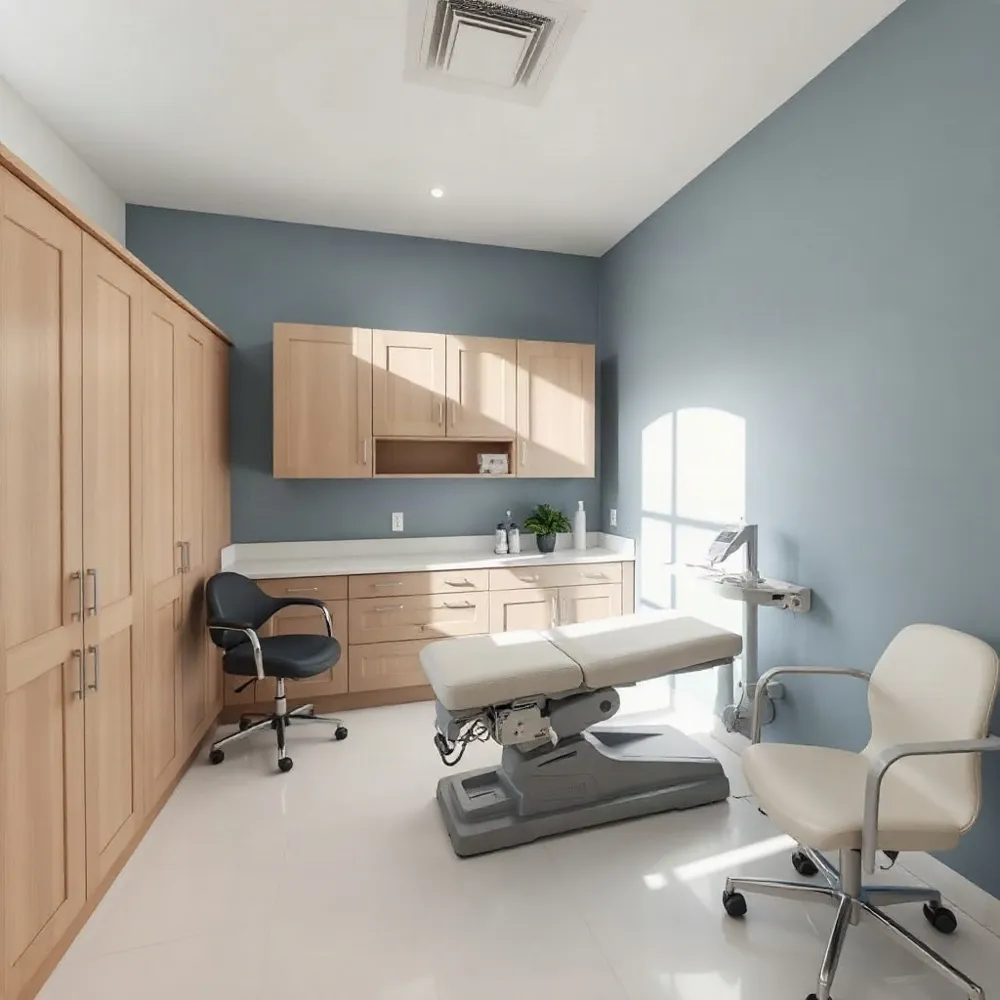 To understand why laser therapy is often chosen for stubborn fungal infections, it helps to look at what causes the problem. Toenail fungus, or onychomycosis, typically takes hold in the warm, moist space under and around the nail. Traditional treatments often fail because the fungus is deeply embedded in the nail plate and the nail bed, making it difficult for topical agents to penetrate. This is where laser treatment offers a different approach. Unlike creams that only reach the surface, laser therapy uses targeted light energy that passes through the nail to directly disrupt the fungal cells living below.
A 2020 systematic review of multiple studies on the efficacy of laser therapy for onychomycosis reported that the treatment shows promise, often improving clear-nail growth in a majority of cases. However, the same review and others are quick to point out that results are not uniform for everyone. Some patients achieve complete clearance, while others see only partial improvement. This is why a foot and ankle specialist will typically recommend a personalized treatment plan, often combining laser sessions with other approaches to improve outcomes.
Laser vs. Traditional Topical Treatments: A Practical Comparison
The most common comparison patients make is between laser therapy and topical creams. For a clear overview, consider the differences in how they work and their typical success rates. Topical solutions work by coating the nail with an antifungal agent, but their effectiveness is often limited. For example, a 2023 comparative review noted that while topical treatments are painless and accessible, their cure rates are often modest, particularly because the medication struggles to reach the fungus beneath the nail plate. Laser therapy, on the other hand, delivers energy directly to the infection site.
Effectiveness. Topical creams have limited penetration and often show lower clinical cure rates in comparative studies. Laser therapy delivers energy directly to the nail bed and reports higher rates of clear-nail growth in research settings, though individual results vary.
Treatment time. Topical treatments require daily application, often for 6 to 12 months. Each laser session typically takes under an hour, and most protocols recommend two to four sessions spaced weeks apart.
Prevention focus. Laser therapy addresses the active infection, but recurrence is common without addressing the underlying causes. This is a major reason why podiatrists emphasize ongoing foot hygiene and lifestyle changes to prevent the fungus from returning.
Patients who choose laser treatment at a specialist clinic also avoid the safety concerns associated with oral antifungal medications. A significant advantage of laser therapy over oral drugs is the absence of potential liver toxicity, which is a common reason some patients seek alternatives. As a result, laser treatment remains an attractive option for many, particularly for those who cannot tolerate oral medications.
Why Fungus Often Comes Back: The Need for a Long-Term Approach
A critical issue in treating toenail fungus is its high recurrence rate. Many patients notice that even after successful treatment, the fungus can return, often because the underlying conditions that allowed the infection to develop in the first place have not changed. Moisture, poor circulation, and compromised immune function all contribute to the problem. Without addressing these factors, even the most effective laser treatment may only provide a temporary solution.
This is why a comprehensive approach is essential. A foot specialist will not only treat the active infection but also provide guidance on prevention and long-term foot health. This includes advice on proper nail trimming, keeping feet dry, and regularly changing socks and shoes. For those considering their options, comparing laser therapy to traditional treatments is a useful first step, but understanding the maintenance phase is just as important.
At Advanced Foot Care, we provide a thorough evaluation to determine if you are a good candidate for laser treatment. We explain the realistic success rates, potential side effects, and the importance of following a prevention plan to reduce the chance of reinfection. For more details on what to expect during your treatment journey, you can explore our guide on laser treatment for persistent nail fungus.
Laser vs. Oral Antifungals
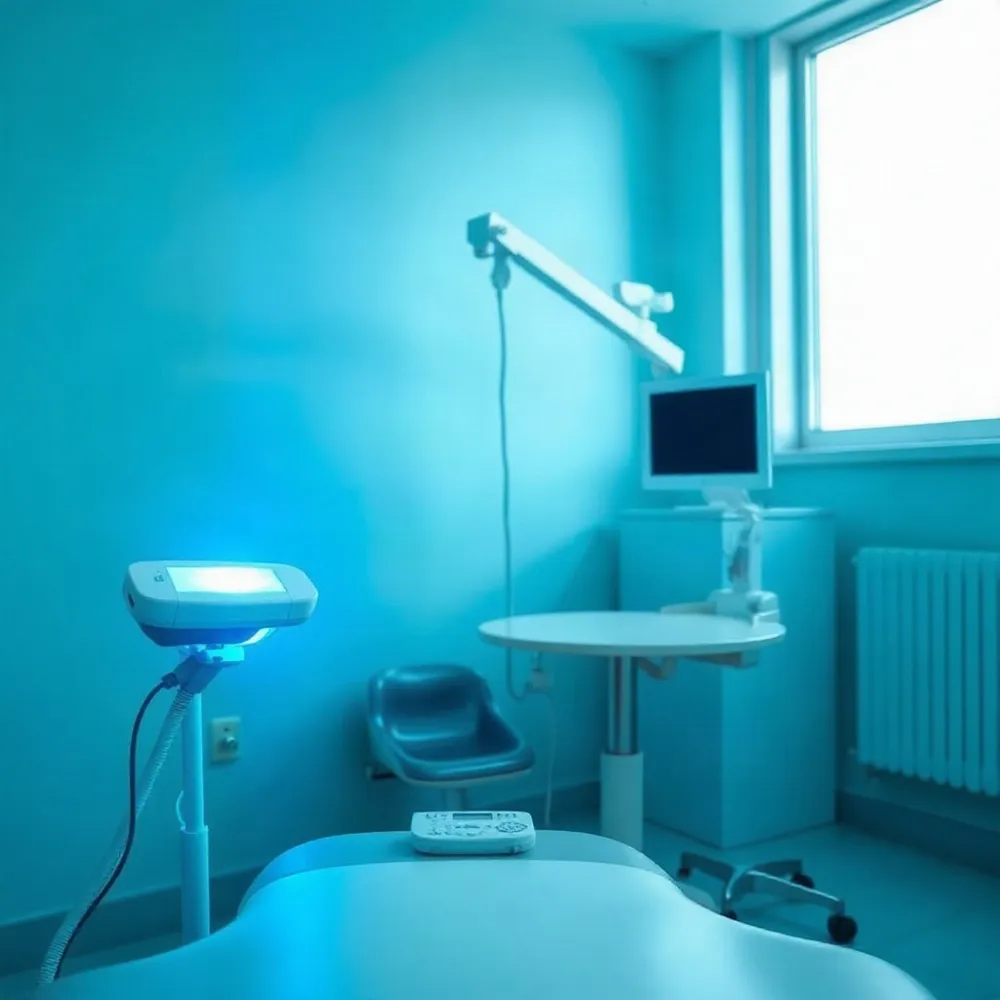 Laser therapy for toenail fungus works by directing focused light energy through the nail plate to the nail bed, where the infection lives. The goal is to heat the fungal cells enough to disrupt their activity while leaving surrounding tissue largely unharmed. This mechanism differs fundamentally from oral antifungals, which circulate through the bloodstream, and from topical creams, which struggle to penetrate the nail plate. A UCLA Health article notes that while the laser's targeted light can inhibit fungal growth, its effectiveness can vary, and some treatments may not fully cure the infection.
Clinical research supports the idea that laser energy can reduce fungal viability, but results are not always dramatic. A 2019 systematic review in the NCBI database found that laser therapy for onychomycosis shows promise, yet it also highlights the lack of standardized protocols and the need for more controlled studies. This is a key reason why many podiatrists recommend combining laser sessions with other measures, such as proper nail debridement and home hygiene, to improve outcomes.
What to Expect During and After Treatment
Patients typically receive several sessions, often four to six, spaced a few weeks apart. Each session is generally painless, with some people feeling a mild warming sensation. Side effects tend to be minor: temporary redness, slight burning, or occasional nail discoloration, as described in this overview of laser treatment. Serious complications are rare, but the same UCLA Health source stresses that no laser device guarantees a cure, and recurrences are possible if the nail bed remains compromised.
How Advanced Footcare IL Compares
At Advanced Footcare IL, the approach to laser treatment pairs the technology with expert diagnosis and ongoing monitoring. Unlike a generic one-size-fits-all protocol, the clinic tailors session frequency and complementary care to each patient's nail type and the severity of the infection. For example, the team may combine laser sessions with regular nail debridement or recommend adjunctive topical therapy when appropriate, a strategy that addresses the root cause more thoroughly than laser alone. This practical, patient-specific framework sets the clinic apart from providers who treat every case the same way.
Mechanism. Laser energy targets the nail bed directly, bypassing the bloodstream and topical absorption barriers. At Advanced Footcare IL, this targeted delivery is combined with professional debridement to maximize coverage.
Outcomes. While laser therapy can reduce fungal load and improve nail appearance, success rates vary by case. The clinic's structured follow-up and re-treatment protocols help patients stay on track, something standard self-applied treatments rarely offer.
Convenience. Laser sessions require no pill-taking and no daily cream application, making them a practical option for people with busy schedules or digestive sensitivities to oral antifungals. The clinic offers transparent scheduling and clear expectations about the number of sessions needed.
Making an Informed Choice
Clinical evidence on laser treatment for fungal nails is mixed, and that honesty matters when you are deciding how to proceed. A review of 14 studies published in the Journal of the American Podiatric Medical Association examined the available data and found that while many patients see improvement, a significant number do not achieve complete clearance. The authors concluded that results are often temporary and that lasers are not a guaranteed cure for onychomycosis. What this means in practice is that you should expect a meaningful reduction in fungal load and improved nail appearance, but not promise yourself a permanently perfect nail after a single session.
Clearance rates reported in the literature typically range from 30% to 50% for complete mycological cure, meaning the fungus is eliminated and the nail looks normal. Another way to think about it: about half to two-thirds of people will still have positive cultures or visible infection after treatment. A 2024 comparative analysis of laser therapy against other methods in the Journal of Clinical Medicine found that while lasers outperform placebo in many trials, topical antifungals and oral medications still show higher complete cure rates in head-to-head comparisons. The laser's advantage is not superior efficacy; it is the absence of systemic side effects and the ability to treat without daily patient compliance.
Why Success Rates Vary
Several factors determine whether laser treatment will work for you. The depth and extent of the infection matter: a thick, dystrophic nail with subungual debris responds far less predictably than a mildly involved nail. Fungal species also play a role, with non-dermatophyte molds often requiring more sessions than common dermatophytes like Trichophyton rubrum. Finally, the laser type and protocol used by the clinic have a direct impact on outcomes. This is why laser treatment for toenail fungus at advancedfootcareil.com is never sold as a one-size-fits-all fix; your podiatrist adjusts the wavelength, pulse duration, and number of sessions based on your specific presentation.
The Debate: Laser vs. Topical and Oral Options
When comparing laser therapy to traditional treatments, the distinctions are clear. Topical creams and lacquers require daily application for many months and often fail to penetrate the nail plate deeply enough to eradicate the fungus. Oral antifungals are more effective on average but carry the risk of liver toxicity and drug interactions. Lasers, by contrast, deliver focused light energy directly to the infected nail bed, minimizing systemic risk. In practice, this means laser therapy is a reasonable first-line option for people who cannot take oral medication, but it should be framed as a complementary or alternative approach, not a guaranteed cure.
That said, many patients who have tried topical creams and still struggle are ideal candidates for laser. In a direct comparison, laser treatment outperforms topical agents in terms of patient satisfaction and recurrence rates, though topical options remain cheaper and easier to access. At advancedfootcareil.com, we pair laser sessions with a thorough debridement and an antifungal maintenance plan, addressing both the active infection and the factors that allow it to persist. This integrated approach is far more likely to produce lasting results than relying on any single modality.
What to Expect From Your Own Laser Journey
Realistic expectations are the foundation of a positive experience. Most patients need two to four sessions spaced four to six weeks apart, and visible improvement takes time because the healthy nail must grow out completely. During treatment, you may feel a warm or tingling sensation, but the procedure is generally tolerable and requires no downtime. More importantly, laser therapy may not provide a complete cure, as UCLA Health points out, so a maintenance phase involving antifungal foot powder, socks, and proper nail care is essential to prevent reinfection.
How to Choose a Provider
The success of laser treatment depends heavily on the skill of the provider. A podiatrist who performs a full fungal culture, examines for vascular and immune conditions, and uses a medical-grade laser with documented emission settings will always beat a spa with a low-power device. When you search for a laser treatment for fungal nail disease specialist, ask about their success rates, the specific laser they use, and how they manage underlying health issues. At advancedfootcareil.com, we provide the advanced pinpointe laser system, known for its targeted delivery and minimal side effects, and we document outcomes in our clinic's records.
| Method | Approx. Cure Rate | Considerations |
|---|---|---|
| Laser therapy | 30-50% complete cure | No systemic risk; requires multiple sessions; may not fully clear thick nails |
| Topical creams | Lower than laser in recent comparisons | Daily application for months; limited nail penetration; poor compliance |
| Oral antifungals | Higher average cure | Risk of liver toxicity; insurance often requires lab monitoring |