Your Foot Surgery Journey Starts Here
Embarking on foot surgery involves a structured pathway that begins with your initial consultation and extends through full recovery. Understanding this roadmap can reduce anxiety and help you prepare both physically and mentally. A personalized, step-by-step approach ensures that each phase is tailored to your specific condition, overall health, and lifestyle.
Your journey typically starts with a comprehensive evaluation, where your surgeon reviews your medical history, performs a physical exam, and may order imaging studies. This assessment leads to a customized surgical plan, followed by detailed pre-operative instructions. From there, you move into the procedure itself, then into the critical healing phases that require patience and adherence to medical guidance.
This article walks you through each stage, from the first appointment to the final recovery milestone. By knowing what to expect, you can take an active role in your care and optimize your outcomes.
What to Expect in the Coming Sections
The following sections will explore why surgery may be recommended, how to prepare for your operation, what happens during the procedure, and what recovery truly involves. You will also learn practical tips for managing pain, swelling, and mobility, as well as how to recognize signs that your healing is on track. Each step is designed to keep you informed and empowered.
Why Surgery May Be Recommended
 Most foot problems respond well to conservative measures like custom orthotics, physical therapy, and activity changes. Surgery enters the picture when these non-surgical routes have been exhausted or when the structural problem is severe enough that it will not improve without direct correction. Common reasons include chronic instability, progressive deformities, and persistent pain that limits daily function.
Conditions such as bunions, hammertoes, fractures, and arthritis often reach a point where non-operative treatment can no longer stop the decline. For example, a bunion that keeps worsening despite wide shoes and padding may require surgical realignment, while a non-healing fracture may need internal fixation to stabilize the bone. The decision rests on shared dialogue between you and your surgeon, weighing expected benefits against potential risks.
Signs That Conservative Care Has Reached Its Limit
Persistent Pain. Pain that continues for weeks or months despite anti-inflammatory medications, ice, rest, and proper footwear often signals a structural issue that won't resolve on its own. When simple measures fail to bring relief, surgery may address the underlying cause directly.
Progressive Deformity. Deformities like bunions or hammertoes that worsen over time, becoming rigid or painful, typically do not correct with conservative means. Progressive angulation or joint dislocation usually requires surgical realignment to restore function and prevent future arthritic changes.
Functional Limitation. When foot pain interferes with walking, standing, or participating in work and recreational activities, the loss of function becomes a strong indicator. Surgery can help restore mobility and allow you to return to the activities that matter most.
Not every persistent ache calls for surgery, but when conservative treatments are no longer effective and a structural problem is unlikely to improve on its own, surgical correction becomes a reasonable next step. A thorough evaluation helps determine candidacy and sets realistic expectations for outcome.
The Preoperative Evaluation
Before scheduling your procedure, a comprehensive assessment confirms that surgery is appropriate and safe. This includes imaging studies like X-rays or MRI, a review of your medical history, and a physical exam to evaluate circulation and nerve function. Preparing properly through the preoperative checklist helps minimize complications and supports a smoother recovery.
Part of your preparation involves understanding what happens during the healing phase. According to this guide on preparing for foot and ankle surgery, planning for post-operative needs such as transportation, ice packs, and elevated rest positions can reduce stress and improve outcomes.
Modern techniques often allow for minimally invasive approaches that reduce soft-tissue trauma, but the decision for surgery still follows the same careful evaluation. Your surgeon will explain which technique fits your specific condition and what you can expect during the first few weeks of recovery.
Why This Matters for Your Foot Health
Recognizing the threshold for surgical correction empowers you to have informed conversations with your podiatrist and avoid delayed treatment. Early intervention, when indicated, can prevent the progression of deformities and lead to more favorable long-term results.
| Indicator | What It Looks Like | Why Surgery May Help |
|---|---|---|
| Persistent pain | Lasts months despite rest, ice, and medication | Directly corrects the underlying structural cause |
| Progressive deformity | Worsening bunion or hammertoe that becomes rigid | Realigns joint or bone to restore normal anatomy |
| Functional limit | Difficulty walking, standing, or doing daily tasks | Restores mobility and enables a return to activity |
| Non-healing fracture | Bone fails to unite with splinting alone | Stabilizes the bone with internal fixation to promote healing |
If you're uncertain whether your condition has reached the point where surgery is recommended, an evaluation at Advanced Footcare Specialists can provide clarity. Our team focuses on minimally invasive techniques and personalized recovery plans to help you get back on your feet with confidence.
Your First Consultation: What to Expect
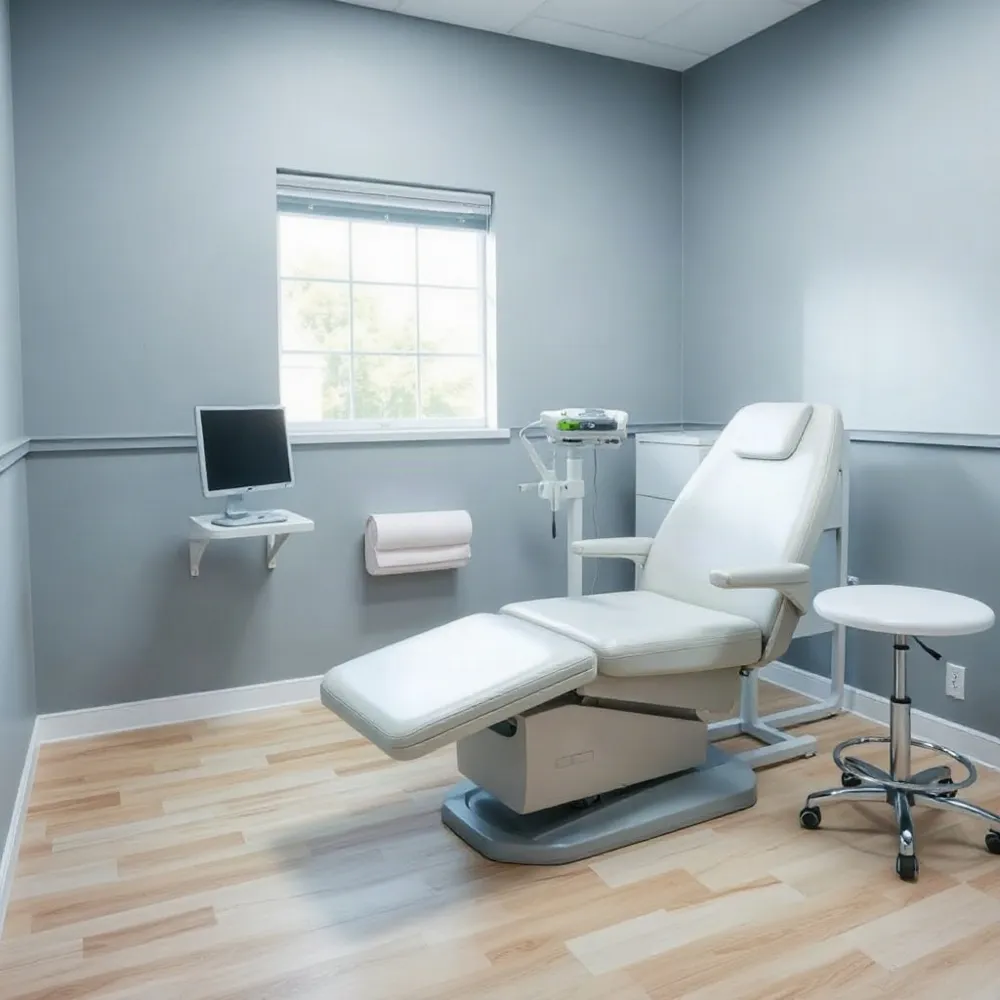 Before any surgical plan takes shape, you'll meet with your foot and ankle surgeon for a thorough evaluation. This first visit sets the foundation for a safe outcome, and knowing what happens can take much of the anxiety out of the process. Your surgeon will review your medical history, discuss your symptoms, and order imaging such as X-rays if needed.
Understanding what to expect at this stage helps you prepare both mentally and practically. You'll likely discuss your current medications, allergies, and any previous surgeries. Bring a list of questions, wear comfortable shoes, and plan to describe exactly when your pain started and what makes it worse. For a detailed walkthrough of this first step, see our article on your first consultation.
What Your Surgeon Will Evaluate
During the exam, your surgeon will assess your foot’s alignment, range of motion, strength, and circulation. They may perform specific maneuvers to pinpoint the source of pain, whether it's a bunion, hammertoe, or an arthritic joint. Imaging studies like weight-bearing X-rays provide critical information about your bone structure and joint alignment, guiding whether a minimally invasive procedure is appropriate for your condition.
Your medical history matters just as much as the exam. Conditions such as diabetes, peripheral neuropathy, or poor circulation can affect healing and may change the surgical approach. Be honest about your smoking and alcohol use, as these habits can slow recovery. Your surgeon may order blood tests or an EKG if you have underlying health concerns.
Preparation begins weeks before the procedure. Your surgeon will give you specific instructions on which medications to stop, what to eat or drink before surgery, and how to arrange for help at home. Plan for someone to drive you to and from the facility, and set up a recovery area with easy access to essentials. For a comprehensive guide, refer to this pre-operative checklist from the American College of Foot and Ankle Surgeons.
Foot surgery recovery time varies by procedure. Minimally invasive techniques often mean smaller incisions, less soft-tissue trauma, and a quicker return to weight-bearing. Ask your surgeon about their specific recovery timeline, including when you can drive, return to work, and resume exercise.
| Topic | What to Expect | Why It Matters |
|---|---|---|
| Medical history review | Full discussion of conditions and medications | Identifies risks that may alter surgery plan |
| Physical exam | Evaluation of alignment, strength, and circulation | Confirms diagnosis and surgical approach |
| Imaging | Weight-bearing X-rays or MRI | Reveals bone structure and joint damage |
| Pre-op preparation | Fasting, med changes, and home setup | Reduces complications and supports healing |
Planning Ahead: Insurance and Pre-Op Checklist
 Before you focus on recovery timelines and post-operative care, the logistics of insurance and preparation deserve attention. Knowing what your policy covers and what you owe out of pocket can remove a heavy layer of stress. Start by contacting your insurer to verify that your surgeon is in-network, that the facility and anesthesiologist are covered, and whether pre-authorization is required. Understanding your deductible, co-insurance, and out-of-pocket maximum ahead of time helps you budget and avoids surprise bills later.
A thorough pre-operative checklist complements your insurance review. Your surgeon's office will guide you through medical clearances, medication adjustments, and what to bring on surgery day. For a detailed walkthrough of these preparations, the guide on preparing for foot surgery covers everything from pre-op testing to arranging a ride home. Similarly, the pre-operative checklist outlines essential steps like filling prescriptions and preparing your recovery space.
Insurance verification. Confirm your surgeon is in-network, then confirm the facility and anesthesiologist are also covered. Ask about pre-authorization requirements and obtain a written estimate of your deductible, co-insurance, and out-of-pocket costs.
Pre-op medical clearance. Your surgeon may require a primary care visit, blood work, or an EKG, especially if you have conditions like diabetes or heart disease. Complete these checks at least one week before surgery.
Medication review. Discuss all prescriptions and supplements with your surgeon. Blood thinners and certain anti-inflammatory drugs may need to be paused, but never stop any medication without your doctor's approval.
Home preparation. Arrange for a ride, set up a recovery area with pillows and ice packs, and prepare meals in advance. Remove trip hazards and move essential items to within easy reach. These steps make the early recovery period far more comfortable.
For a deeper look at what happens in the weeks after surgery, including pain management and activity restrictions, the post-surgical care guide offers practical advice. It also covers signs of complications and when to call your surgeon.
Understanding Your Recovery Timeline
Recovery from foot surgery is rarely a single storyline. While the type of procedure you undergo plays the largest role, most outcomes are shaped by a handful of factors that apply across the board. Knowing these before surgery can help separate realistic expectations from wishful thinking.
Procedure. Minimally invasive techniques generally allow for a faster return to walking than traditional open surgery. However, procedures that involve bone work, such as bunion corrections, typically require a longer protected period than those limited to soft tissue. Your surgeon can outline the specific timeline for your case.
Bone involvement. When your surgery includes cutting or realigning bone, the bone needs time to heal before it can bear weight. This often extends the period of non-weight-bearing or limited weight-bearing to six weeks or more. Soft-tissue-only procedures tend to recover more quickly.
Hardware. Screws, plates, or pins used to stabilize the bone can influence recovery. These implants may allow earlier weight-bearing because they hold the bone securely, but they can also create sensitivity in some patients. Your surgeon will explain what hardware is planned and how it affects your recovery.
Age and health. Younger patients and those in good overall health typically heal faster. Chronic conditions such as diabetes or peripheral artery disease can slow healing and increase the risk of complications. Why board certification matters in foot surgery care can help you choose a surgeon equipped to manage these complexities.
Smoking. Smoking impairs blood flow to the surgical area and significantly delays healing. Most surgeons will ask you to stop smoking for several weeks before and after surgery to reduce the risk of non-union or wound complications. This is one of the few factors you can actively control.
Nutrition. Adequate protein, vitamin C, and other nutrients support tissue repair. Poor nutrition can slow bone and wound healing. A balanced diet starting before your procedure gives your body the building blocks it needs to recover.
Compliance. Following post-operative instructions, including weight-bearing restrictions and elevation, is essential. Pushing too hard too soon can delay healing or jeopardize the surgical result. Checklists like how to prepare before foot or ankle surgery can help you stay on track.
These factors don't act in isolation. A healthy, compliant patient who had a minimally invasive soft-tissue procedure may walk sooner than someone who smokes and underwent extensive bone realignment. The goal is to work with your foot and ankle surgeon to understand your specific situation and create a recovery plan that fits.
Your surgeon will provide the most accurate guidance based on the details of your procedure. If you have questions about how your health, age, or lifestyle might influence your recovery, ask at your next appointment. Understanding these variables early sets the stage for a smoother healing journey.
The Day of Surgery and What to Prepare
 The day of your foot or ankle surgery can feel overwhelming, but knowing exactly what happens before, during, and after the procedure helps reduce anxiety and sets you up for a smoother recovery. From pre-operative instructions to what to bring, this guide walks through each step so you can walk in with confidence.
What to Expect on the Morning of Surgery
Most facilities require you to arrive one to two hours before your scheduled procedure time. This allows time for check-in, final paperwork, and any necessary imaging. Your surgeon's office will give you a specific arrival time when they call the day before. Bring your insurance card, a photo ID, and a list of current medications. You will also meet with the anesthesiology team to review your medical history and confirm your anesthesia plan.
Fasting is typically required for several hours before surgery — usually no food after midnight and only clear liquids up to two to three hours before arrival. Your care team will provide exact instructions, as these can vary based on your age, health, and the type of anesthesia used. Following them precisely reduces the risk of complications during the procedure.
What to Bring and How to Prepare Your Home
Before you leave for surgery, take time to set up a recovery station at home. You will need a few pillows to elevate your foot above heart level, which helps reduce swelling. Prepare loose, comfortable clothing that can fit over a cast or surgical shoe — shorts or wide-leg pants work well. Arrange for someone to drive you home and stay with you for at least the first 24 hours, as you will not be able to drive or operate heavy machinery.
Your surgeon's office will provide a surgical folder with specific instructions, including your post-operative appointment schedule and emergency contact numbers. If you have not received this yet, ask about it during your pre-operative planning call. Keeping this folder accessible near your recovery spot ensures you have all the information you need at your fingertips. For a detailed checklist, review how to prepare before foot surgery.
The Procedure Itself
Most minimally invasive foot and ankle procedures take between 30 and 90 minutes, depending on the complexity. You will receive anesthesia — either general, regional, or local with sedation — and your care team will monitor you throughout. Incisions are typically small, often less than a centimeter, which means less soft tissue trauma and often faster healing compared to traditional open surgery.
Your surgeon will use fluoroscopy, a real-time X-ray, to guide the procedure and ensure precise alignment. This approach allows for smaller incisions, reduced post-operative pain, and shorter recovery times. After the procedure, you will be moved to a recovery area where you will be monitored as the anesthesia wears off. Many patients are able to go home the same day, though some procedures may require an overnight stay.
Immediate Post-Operative Care
Once you are home, the first few hours are critical. Keep your foot elevated above heart level for the first 48 hours to minimize swelling. You will have a dressing or cast, and in some cases a surgical shoe. Your surgeon will provide specific instructions on when you can bear weight — some procedures allow weight-bearing immediately, while others require non-weight-bearing for a period. Follow these instructions carefully to protect the surgical site and promote healing.
Pain management is an important part of the immediate recovery period. Your surgeon will prescribe pain medication or recommend over-the-counter options. Take them as directed, and do not wait until the pain becomes severe — staying ahead of the discomfort is easier than playing catch-up. You will also have follow-up appointments within the first one to three weeks to monitor your progress and remove any sutures if needed.
| Timeline | What to Expect | Key Actions |
|---|---|---|
| Day of surgery | Arrive 1-2 hours early; fasting required; procedure lasts 30-90 min | Bring ID/insurance; arrange ride; elevate foot |
| Days 1-2 | Swelling and pain peak; keep foot elevated | Take pain meds as directed; ice as instructed |
| Week 1 | Initial dressing check; may begin gentle motion | Attend follow-up; watch for signs of infection |
| Weeks 2-6 | Healing progresses; may transition to regular shoes | Follow weight-bearing limits; attend physical therapy |
Remember that everyone heals at their own pace. The recovery timeline after minimally invasive foot surgery varies, but most patients notice significant improvement within the first two weeks. If you have any concerns about swelling, pain, or your surgical site, do not hesitate to contact your surgeon's office. Early intervention prevents complications and supports a smoother recovery.
Preparing for a Smooth Recovery
Preparation does not end when you leave the operating room. Stock your fridge with easy-to-prepare meals, arrange for help with daily tasks, and set up a comfortable space where you can rest with your foot elevated. Consider using a backpack or fanny pack to carry small items like your phone, remote, and medication so you do not have to move around unnecessarily. These small steps make a significant difference in your comfort and independence during the first few days.
Your surgical team is there to support you. Keep your post-operative instructions visible, attend all follow-up appointments, and ask questions whenever you are unsure. The more informed and prepared you are, the more confident you will feel navigating your foot surgery journey. With proper preparation and care, you are setting the stage for a successful outcome and a quicker return to your daily activities.
Minimally Invasive Options and Faster Recovery
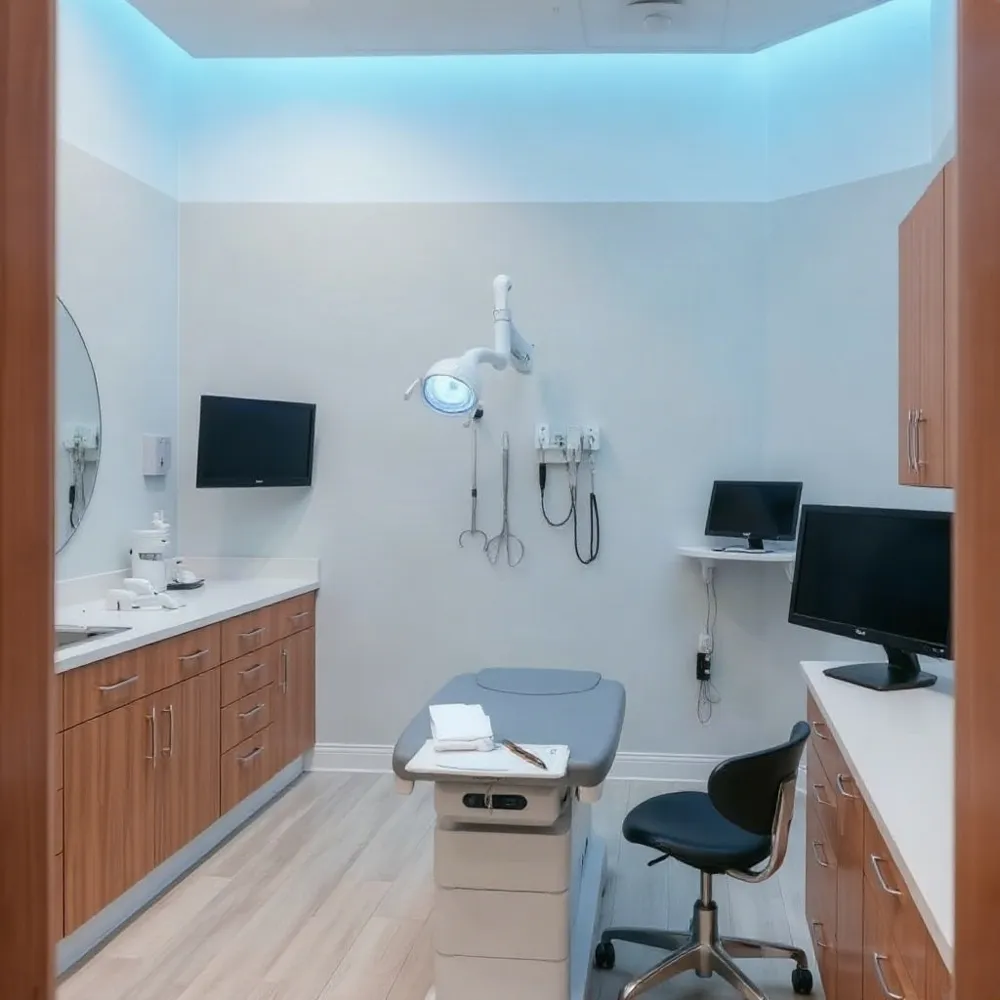 Preparation is the foundation of a successful surgical outcome. What you do in the days and weeks before your procedure can directly influence your comfort, recovery speed, and overall results. A thoughtful approach reduces stress and helps you avoid common setbacks.
Initial Consultation and Medical Evaluation
Your journey begins with a thorough consultation. During this visit, your surgeon reviews your medical history, performs a physical exam, and may order imaging to confirm the diagnosis. This is the time to discuss all medications and supplements you take, as some can increase bleeding and may need to be paused before surgery. Your surgeon will also explain the procedure in detail and answer any questions about anesthesia options and expected outcomes.
This pre-operative appointment is also when you receive specific instructions tailored to your situation. Following these guidelines carefully is essential, whether that involves stopping certain blood thinners or adjusting your diabetes management plan. For a comprehensive overview of what to expect, resources like the Foot & Ankle Pre-Operative Packet can be a helpful reference alongside your surgeon's guidance.
Home Preparation and Practical Logistics
Once your surgery is scheduled, turn your attention to preparing your home. A smooth recovery requires a safe, accessible environment. This often means clearing walkways of clutter, creating a comfortable resting area on the main floor, and setting up a station with essentials like water, snacks, medications, and entertainment within arm's reach. You will likely need to use crutches, a knee scooter, or a walker for a period after surgery, so arrange to have these aids ready in advance.
Planning for help is equally important. You will not be able to drive immediately after surgery, and you may need assistance with daily tasks for the first several days. Arrange for a friend or family member to drive you home and stay with you during the initial recovery phase. Preparing meals in advance and freezing them can also make a significant difference in your comfort and independence during the first week.
The Day of Surgery
Following your surgeon's fasting instructions is critical on the day of your procedure. Typically, you will be asked to avoid food and drink for a certain number of hours before your scheduled surgery time. Wear loose, comfortable clothing and shoes that are easy to put on, such as slip-on sandals or slippers, as your foot will be bandaged or in a surgical shoe.
Your medical team will confirm the surgical site and answer any last-minute questions. They will also explain the anesthesia plan and what to expect in the recovery room. Knowing these logistics helps reduce anxiety and allows you to focus on your recovery. For more detailed guidance on preparing for the day itself, this step-by-step guide to preparing for foot surgery offers practical insights, though your surgeon's specific instructions always take precedence.
What to Bring and Wear
- Photo ID and insurance card
- Comfortable, loose-fitting pants or shorts that can fit over a bandage
- Slip-on shoes or a wide sandal that accommodates a surgical shoe
- A list of current medications and dosages
- A small bag with personal items like lip balm, glasses, and phone chargers
Leave jewelry and valuables at home. You may also want to bring a small pillow to cushion your foot on the ride home, as any bump can be uncomfortable.
Mental and Emotional Preparation
Surgery is as much a mental challenge as a physical one. Setting realistic expectations about pain and recovery is crucial for a positive experience. Understand that some discomfort is normal, and your surgical team will provide pain management strategies to help you through the initial days. Having a positive but realistic mindset, coupled with a solid support system, can significantly impact your recovery. You may find it helpful to review recovery expectations after minimally invasive surgery to get a sense of what the healing process looks like, and remember that your podiatrist and their team are your best resources for personalized advice.
Your advancedfootcareil.com team is dedicated to guiding you through every step, from the initial consultation to your final follow-up. We focus on minimally invasive techniques designed to reduce pain and speed up your recovery, and we will work with you to create a personalized plan that addresses your specific needs and goals. By preparing thoroughly, you are setting the stage for a smoother, more comfortable healing journey.
| Preparation Area | Key Actions | Benefit |
|---|---|---|
| Medical | Discuss meds, stop blood thinners, arrange rides | Reduces risk of complications |
| Home | Clear walkways, prepare resting area, gather aids | Enhances safety and comfort |
| Logistics | Plan meals, arrange help for first days | Reduces stress and supports rest |
| Personal | Prepare comfortable clothing and shoes | Eases mobility after surgery |
Healing Faster: Post-Op Care That Matters
When you schedule foot surgery, the weeks ahead can feel uncertain. Knowing what to expect at each stage, starting with your consultation and ending with full recovery, removes much of that anxiety. This guide walks you through the entire journey so you can prepare physically and mentally for a smoother outcome.
Before Surgery: Planning and Preparation
Preparation begins long before you enter the operating room. Your surgeon will review your medical history, perform a physical exam, and likely order X-rays or other imaging to plan the procedure. Following pre-operative instructions from your care team is essential, and this may include adjusting medications, arranging transportation, and preparing your home for limited mobility. For a structured checklist, refer to resources like those from the American College of Foot and Ankle Surgeons on how to prepare for foot or ankle surgery.
A practical step is to set up a recovery station on the main floor of your home. Gather pillows, ice packs, compression wraps, and any assistive devices you may need. Planning meals in advance and having someone available for the first few days reduces stress and allows you to focus on healing.
The Day of Surgery and Immediate Post-Op Care
On the day of your procedure, you will meet with your surgeon and anesthesiologist. Once the surgery is complete, you'll wake up in a recovery area where medical staff monitor your vital signs and manage initial pain. The initial healing phase typically involves strict rest and non-weight bearing for a specified period. Following your surgeon's weight-bearing restrictions and wound care instructions is the single most important factor in preventing complications and ensuring proper healing.
Elevating your foot above the level of your heart is critical during the first days to minimize swelling. Your surgeon may recommend icing in short intervals to reduce inflammation. You'll likely need a ride home, and you should arrange for intermittent help during the first 24 to 48 hours. For more detailed guidance on what to expect during this period, you can read about what to expect before your minimally invasive foot surgery.
Recovery Timeline: What to Expect Week by Week
Weeks 1-2. The immediate post-operative period focuses on controlling pain and swelling. You'll be non-weight-bearing, using crutches or a knee scooter. Keeping the wound clean and protected is critical to prevent infection.
Weeks 3-6. As early healing progresses, you may begin partial weight-bearing under your surgeon's direction. Swelling usually decreases, and you can start gentle, controlled range-of-motion exercises to prevent stiffness.
Weeks 6-12. Most patients transition to full weight-bearing in a walking boot or supportive shoe. Bone and soft tissue healing continues, so a gradual return to normal activity is recommended.
Your specific timeline will depend on the type of surgery you undergo. Minimally invasive procedures often allow faster recovery compared to traditional open surgery, but both require patience and adherence to your surgeon's instructions. For a more detailed breakdown of healing phases, see this guide on speeding up your foot surgery recovery.
Enhancing Your Recovery: Nutrition, Rest, and Rehabilitation
Your body needs the right fuel to heal. Focus on a balanced diet rich in protein, vitamin C, and zinc, which support tissue repair and reduce inflammation. Adequate sleep allows your body to produce growth hormone essential for healing. Smoking impairs blood flow to the extremities, so avoiding nicotine before and after surgery is strongly advised.
Weight-bearing. Strictly following your surgeon's weight-bearing instructions is non-negotiable. Too much pressure too soon can disrupt the surgical site and delay healing.
Mobility. Use mobility aids as recommended to prevent falls. Keeping your foot elevated reduces swelling, and performing approved exercises prevents joint stiffness.
Wound care. Keep the incision clean and dry. Monitor for signs of infection, such as increasing redness, warmth, or discharge, and report them immediately.
| Phase | Activities | Potential Risks |
|---|---|---|
| Weeks 1-2 | Rest, elevation, ice | Blood clots, infection |
| Weeks 3-6 | Partial weight-bearing, PT | Delayed bone healing |
| Weeks 6-12 | Full weight-bearing, return to low-impact | Scar tissue, stiffness |
When to Seek Immediate Medical Attention
While some discomfort is normal, certain symptoms require urgent attention. Severe pain unrelieved by medication, significant numbness or tingling, pale or cool toes, fever, or heavy bleeding are red flags. Call your surgeon right away if you experience any of these. Early intervention can prevent serious complications.
You can expect follow-up appointments starting within one to three weeks after surgery, where your surgeon will check healing and possibly remove sutures. Every recovery journey is unique, and your podiatrist is your best resource for personalized advice. For more tips on managing your recovery journey, consider reading about what I wish I knew before foot surgery.
Understanding the full spectrum of foot surgery, from preparation to rehabilitation, equips you with the confidence to face your procedure with a clear mind. By actively participating in your care and staying in close communication with your surgical team, you're already laying the foundation for a successful recovery.
Recovery Milestones: Week by Week
 Foot and ankle procedures have evolved significantly over the past decade, and minimally invasive techniques now allow many patients to avoid the large incisions and lengthy downtime traditionally associated with surgery. Rather than a single universal approach, surgeons choose from several methods based on the specific condition, the patient's anatomy, and the desired outcome. Understanding the differences between these options helps you make an informed decision before you commit to a treatment plan.
The Main Surgical Approaches
Traditional open surgery remains the gold standard for complex deformities or severe cases where the surgeon needs full visibility of the bones and joints. It involves a longer incision, often several centimeters, which allows direct access but typically results in more soft tissue trauma, increased post-operative pain, and a longer recovery period. Many patients today, however, qualify for minimally invasive foot surgery, which uses tiny incisions (often less than a centimeter) and specialized instruments, including small cameras and drills, to correct the underlying problem with less disruption to surrounding tissues.
A third option, arthroscopy, is a purely diagnostic and corrective tool that uses a small camera inserted through a keyhole incision. While arthroscopy is highly effective for joint problems like cartilage damage or loose bodies, it is not suitable for all bone realignment procedures. The choice between open, minimally invasive, and arthroscopic approaches is not one-size-fits-all; it depends on factors such as the location of the issue, the degree of deformity, and the surgeon's training and experience.
Weighing the Benefits and Trade-Offs
The primary advantage of minimally invasive surgery is the reduced recovery burden. Smaller incisions mean less post-operative pain, lower risk of infection, and less scarring. Patients often report faster return to daily activities, and in many cases, they can bear weight sooner than with traditional surgery. For instance, recovery after minimally invasive bunion surgery often involves a shorter period of strict non-weight-bearing compared to open procedures.
However, minimally invasive techniques require a high level of surgical skill and specialized equipment. Not every condition is amenable to this approach, and some surgeons still prefer open methods for complex revisions or cases with significant bone loss. The trade-off is that while open surgery offers broader indications, it typically demands a longer healing phase with a structured recovery timeline that includes several weeks of elevation and restricted activity.
Making the Right Choice for Your Feet
When considering your options, the most important factor is a thorough evaluation by a qualified foot and ankle surgeon. During your consultation, the surgeon will review imaging studies, assess your overall health, and discuss which approach offers the best balance of success and recovery for your specific case. At advancedfootcareil.com, our team specializes in advanced, minimally invasive techniques but also has the expertise to perform traditional open surgery when it is medically necessary.
Open Surgery. Longer incision, full visibility, suitable for complex deformities. Recovery is longer, often 6 to 12 weeks before full weight-bearing, and requires careful post-operative care.
Minimally Invasive. Tiny incisions, less pain, faster recovery. Most patients can walk sooner, and the recovery milestones are compressed compared to open methods.
Arthroscopy. Camera-assisted joint inspection and treatment. Best for cartilage or ligament issues, but not for major bone realignment. Recovery is quicker than open surgery but still requires a period of rest.
Ultimately, the best surgical approach is the one that safely addresses the problem while aligning with your lifestyle and recovery goals. A skilled surgeon will explain the risks and benefits of each method, answer your questions, and help you feel confident in the decision. Whether you are considering a minimally invasive bunionectomy or a more complex reconstruction, the path to recovery starts with an informed conversation about your options.
Your Rehab Plan and Follow-Up Care
 Your recovery after foot surgery follows a fairly predictable timeline, though your specific procedure and personal health will shape the details. Most people progress through three distinct phases: the immediate post-operative period (weeks 1 to 2), early healing (weeks 3 to 6), and long-term rehabilitation (weeks 7 to 12 and beyond). Understanding this structure helps you plan ahead and avoid the common mistakes that slow down healing. For a deeper look at the phases and how to manage each one, review this recovery timeline guide from our clinic.
Weeks 1 to 2: Rest, Elevation, and Wound Care
The first two weeks are all about protecting the surgical site. You will likely need to keep your foot elevated above heart level for most of the day to minimize swelling, and you may be non-weight-bearing, meaning you should not put weight on the operated foot. Your surgeon will provide specific instructions for changing dressings and keeping the incision clean. Pain is usually most noticeable during this time, but it should be manageable with prescribed medications and ice packs applied around the dressing. If you have questions about what to expect immediately after surgery, this pre-operative guide offers a helpful overview.
Weeks 3 to 6: Early Healing and Gentle Movement
As you move into weeks 3 to 6, your focus shifts from rest to gentle, controlled movement. Your surgeon may clear you to start bearing partial weight, often with the help of a walking boot or crutches. Swelling typically decreases significantly, and you may begin physical therapy to restore range of motion and strengthen the surrounding muscles. This is also the phase where many patients are tempted to overdo it, but pushing too hard can set back your progress. A structured approach, like the one outlined in this step-by-step recovery plan, will keep you on track.
Weeks 7 to 12: Rebuilding Strength and Function
By the two-month mark, most patients are walking in regular shoes and gradually returning to daily activities. Full recovery, however, takes time. Weeks 7 to 12 focus on rebuilding strength, improving balance, and resuming more demanding exercises like walking on uneven surfaces or light jogging, if your surgeon approves. Physical therapy remains a central part of this phase, helping you avoid compensation injuries in your knee, hip, or lower back. The rehabilitation plan we provide emphasizes consistent follow-up and gradual progression, because rushing this stage often leads to stiffness or long-term discomfort.
Key Milestones by Recovery Phase
| Phase | Typical Duration | Common Activities |
|---|---|---|
| Immediate post-op | Weeks 1 to 2 | Rest, elevation, ice, wound care, non-weight-bearing |
| Early healing | Weeks 3 to 6 | Partial weight bearing, gentle range-of-motion exercises, physical therapy |
| Long-term rehabilitation | Weeks 7 to 12+ | Full weight bearing, strengthening, balance work, gradual return to activity |
Remember that every procedure is unique. A minimally invasive bunion correction may have a different timeline than a more complex reconstruction. Your surgeon will tailor the plan to your specific needs, and regular follow-up appointments are essential to ensure you are progressing as expected. If you ever feel unsure about your recovery, don't hesitate to contact our team for guidance.
Partner With Your Surgeon for a Smooth Journey
Once your surgery is scheduled, the real work of preparation begins. This stage is about more than logistics — it’s about giving your body the best possible chance for a smooth recovery. Your surgeon will provide specific instructions, and following them closely can directly influence how quickly and comfortably you heal.
Start with communication. Confirm the details of your procedure, including the type of anesthesia and any medications you should stop or adjust beforehand. According to a guide from the American College of Foot and Ankle Surgeons, preparation often includes arranging for someone to drive you home and help with daily tasks during the early days of recovery. Planning these practical steps now reduces stress later.
Preparing Your Home for Recovery
Your environment can make a significant difference in how well you adhere to post-surgical restrictions. Create a recovery zone on the main floor of your home, with easy access to bathrooms, seating, and entertainment. Move rugs and cords out of walkways to prevent falls, and prepare meals in advance so you don’t have to cook while non-weight-bearing. A patient guide from the National Health Service emphasizes the importance of arranging these supports before you arrive for surgery.
Post-Surgery and the Path to Recovery
Recovery after foot and ankle surgery follows a predictable arc, even if every patient’s timeline differs. Initial healing often involves strict rest and non-weight-bearing for days to weeks, followed by a gradual return to activity. During this period, keeping the surgical site elevated above heart level helps reduce swelling, as outlined in this guide to preparing for foot and ankle surgery.
Following your surgeon’s specific instructions is the single most important factor in a successful outcome. If you have questions about pain management, wound care, or when to resume weight-bearing, don’t hesitate to ask. For a deeper look at what to expect after your operation, explore Advanced Foot Care’s recovery tips, which break down the three phases of healing and how to support each one.
| Phase | Timeframe | Focus |
|---|---|---|
| Immediate Post-Op | Week 1-2 | Rest, elevation, wound care |
| Early Healing | Weeks 3-6 | Gradual weight-bearing, PT |
| Long-Term Recovery | Months 2-3+ | Full activity, strengthening |