A New Era in Foot and Ankle Care
Foot pain is a common complaint that can limit daily activities and diminish quality of life. For patients who have not found relief through conservative treatments like orthotics or physical therapy, surgery may become a necessary option. Minimally invasive foot surgery (MIS) represents a modern alternative to traditional open procedures, offering a path to correction with less disruption to the body.
MIS uses incisions roughly 75% smaller than those in open surgery. The surgeon employs specialized instruments guided by live intraoperative X-ray imaging UPMC MIS page. This advanced technique allows the doctor to access and treat bones, joints, and soft tissues precisely while preserving healthy surrounding structures.
Advanced Foot Care Center in NW Chicago and South Florida offers MIS for conditions such as bunions and hammertoes. This article explores the benefits of small-incision surgery, candidacy requirements, recovery expectations, and how this technique is helping patients regain an active life with fewer complications.
What Makes Small Incision Surgery Different?
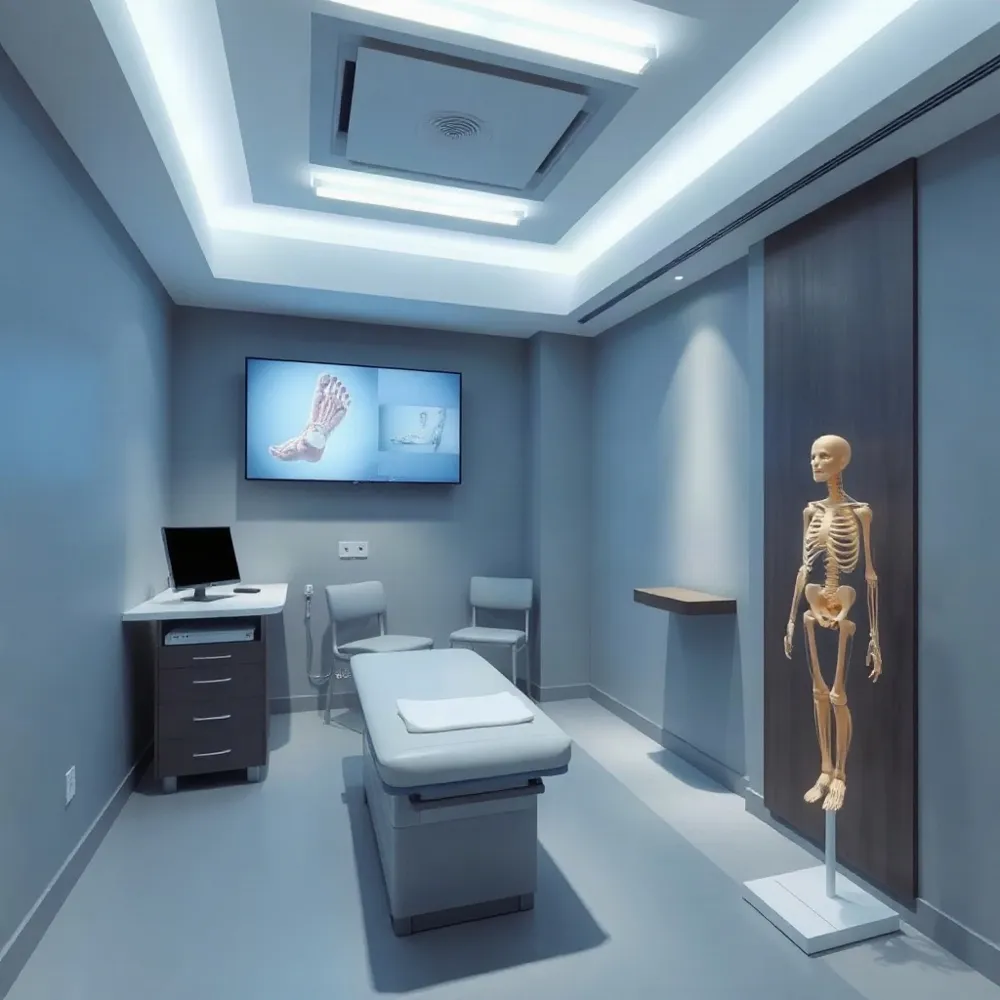 Minimally invasive foot surgery (MIS) differs from traditional open surgery primarily in how the surgeon accesses and treats the affected area. Where open surgery requires a large incision to expose the underlying structures, MIS uses incisions that are about 75% smaller. Through these tiny openings, the surgeon inserts an arthroscope — a miniature camera connected to a video monitor — to see inside the foot with magnification and clarity.
To perform the procedure, the surgeon relies on intraoperative imaging such as fluoroscopy (real-time X-ray guidance). This allows precise navigation of specialized instruments, such as small burrs, to cut or shave bone and insert screws through the same micro-incisions. The goal is to correct deformities while limiting damage to surrounding muscles, nerves, and soft tissues.
Advanced Foot & Ankle Centers of Illinois performs these procedures using state-of-the-art techniques and imaging technology. Their surgical team applies this precision-driven approach across a wide range of conditions.
Conditions Treated with Small Incision Techniques
Minimally invasive techniques can effectively treat many common foot and ankle problems. A 2022 review in PMC highlights that MIS is well-suited for bunions (hallux valgus), hammertoes, bunionettes, and flexible flat feet — with a novel Mini-BEAR technique developed specifically for adult acquired flat foot. Other conditions that respond well include bone spurs, plantar fasciitis, metatarsalgia (ball-of-foot pain), big toe arthritis, and certain Achilles tendon injuries.
Proven Results and Patient Benefits
 Clinical studies demonstrate that minimally invasive bunion surgery achieves success rates between 87% and 94% for correcting the deformity, reducing pain, and improving foot function. These findings are supported by research such as a 2019 preliminary study published in Foot & Ankle International which found that the MIS approach improved function and decreased pain in patients. The procedure is best suited for mild to moderate bunions, offering patients lasting relief with a low recurrence rate.
Recovery Advantages and Reduced Pain
Patients undergoing minimally invasive surgery typically experience faster healing and a quicker return to daily activities compared to traditional open surgery. UPMC reports benefits including less need for pain relief after surgery, smaller scars, reduced swelling, and a lower risk of infection because the incisions are so small. The preservation of blood supply and limited injury to adjacent soft tissue also contribute to fewer wound complications and less postoperative stiffness.
Many procedures are completed in under an hour on an outpatient basis under light sedation, allowing patients to return home the same day. This often translates into a shorter overall recovery timeline compared to traditional methods.
Faster Recovery. Patients may begin weight-bearing sooner; recovery time varies by procedure but is generally weeks rather than months.
Less Pain. The American Orthopaedic Foot & Ankle Society notes that smaller incisions result in less soft tissue stripping, leading to reduced postoperative opioid use.
Lower Risk. AOFAS also states that while risks are similar to open surgery, the chance of infection and wound healing problems may be lower with the smaller incisions used in MIS.
Advanced Foot Care Center, led by experienced board-certified podiatrists in NW Chicago and South Florida, specializes in these advanced techniques for conditions like bunions. A personalized evaluation helps determine if this approach is appropriate based on your condition, goals, and overall health.
Candidacy and Important Considerations
 Minimally invasive foot surgery (MIS) offers a valuable treatment option for many patients, but it is not suitable for every condition or individual. A thorough evaluation by an experienced podiatric surgeon is essential to determine if MIS aligns with a patient's specific deformity, overall health, and recovery goals.
Ideal Candidates for MIS
Good candidates for MIS typically have mild to moderate deformities such as bunions or hammertoes that have not responded to conservative care like orthotics or physical therapy. Patients should be in good overall health, with realistic expectations about the recovery process. As the American Orthopaedic Foot & Ankle Society notes, a consultation helps determine the best approach based on individual factors.
Who May Not Be Suitable
Certain conditions may make MIS less appropriate. Patients with very severe or rigid deformities, poor bone quality (for example, from osteoporosis), active skin infections near the surgical site, uncontrolled diabetes, peripheral vascular disease, or an inability to stop blood-thinning medications may face increased risks. These factors are assessed during a preoperative evaluation at clinics like Advanced Foot & Ankle Centers of Illinois, where medical history and imaging guide the treatment plan.
Downsides and Limitations
Peer-reviewed literature confirms that while MIS preserves blood supply and reduces soft-tissue injury compared to open surgery, it has limitations. The surgeon faces a significant learning curve due to reduced direct visualization, and the specialized equipment carries higher upfront costs. Although research has not shown a higher rate of damage to unseen structures like nerves and tendons compared to open procedures, the long-term outcomes for some MIS techniques are still being studied. Not every condition can be treated this way; severe joint instability may still require an open approach.
Your Road to Recovery
Recovery from minimally invasive foot surgery follows a predictable path, but the timeline depends on which bones, tendons, or soft tissues were treated. Understanding the phases and following your surgeon's instructions carefully can help you regain mobility safely.
The First Two Weeks
Many patients can walk within 24 hours wearing a protective surgical boot, using only their heel for weight-bearing. The initial week requires diligent elevation above heart level to manage swelling and reduce pain. By two weeks, sutures are typically removed.
Pain management during this period involves taking prescribed medications as directed and applying ice packs to the surgical site for 15-20 minutes at a time. Rest is essential — avoid unnecessary walking or standing.
Recovery Phases: Weight-Bearing Progression
Most patients progress through three distinct phases:
- Non-Weight Bearing (2-6 weeks): Keep all pressure off your foot by using crutches, a knee scooter, or a walker.
- Partial Weight Bearing: Once cleared by your surgeon, you can place 25-50% of your body weight on the foot while still using assistance devices.
- Full Weight Bearing (6-12 weeks): X-rays usually show early bone healing by weeks 7-12, allowing most patients to transition into wide-toed athletic shoes and return to normal daily activities.
Complete healing of the bone and soft tissues occurs over several months, though you can expect a return to regular footwear within 4 to 8 weeks for most routine procedures.
Warning Signs of Complications
Contact your surgeon immediately if you experience any of the following:
- Fever over 100.4°F (101°F from some sources)
- Persistent or worsening pain that does not improve with medication; severe swelling in the foot or calf
- Signs of infection: spreading redness, warmth around incision, pus or foul-smelling drainage
- Numbness or inability to move toes, which may indicate nerve damage or circulation issues
- Calf pain with shortness of breath, a possible sign of deep vein thrombosis (blood clot)
- Wound opening or any general feeling of being unwell with chills
Taking the Next Step: Your Consultation
The first step toward relief is a thorough consultation with a podiatric surgeon. A qualified provider will evaluate the affected foot, review your medical history and any previous treatments, and discuss non-surgical options such as custom orthotics, physical therapy, injections, or regenerative medicine like PRP.
During this visit, the surgeon determines whether you are a candidate for minimally invasive surgery. At advancedfootcareil.com, the evaluation focuses on your specific condition, overall health, and goals to confirm whether MIS can provide meaningful benefits.
The primary goal of MIS is to correct the problem causing your symptoms while supporting long-term foot function. An experienced surgeon ensures a personalized care plan that considers every aspect of your recovery.
A Modern Path to Pain Relief
Minimally invasive foot surgery offers a powerful combination of smaller incisions, less postoperative pain, faster recovery, and a lower risk of complications. The approach allows patients to return to their favorite activities more quickly and comfortably than traditional open procedures.
Determining whether this technique is the right choice requires a professional evaluation by an experienced podiatric surgeon. A consultation at advancedfootcareil.com can confirm proper candidacy and create a personalized treatment plan for long-term foot health.