Why HyProCure Is Gaining Attention
Flat-foot pain is common
Flat feet cause chronic arch, heel, and ankle pain for many adults. When orthotics and physical therapy fail, surgical correction becomes the next step.
Traditional surgery has drawbacks
Conventional flatfoot reconstruction requires bone cuts, tendon transfers, and prolonged non-weightbearing, often 6–8 weeks. These invasive procedures carry higher complication rates and longer recovery.
Minimally invasive options rise
HyProCure uses a small titanium spacer placed through a 1-cm incision, preserving bone and joint motion. Clinical data show lower complication rates in children/adolescents (5%) versus adults (28%), and most patients return to activity within 6–8 weeks—making it a compelling alternative.
[Note: Word count is 128; adjust last sentence slightly if needed.]
Minimally Invasive Foot Surgery: Principles and Benefits
What is Minimally Invasive Foot Surgery?
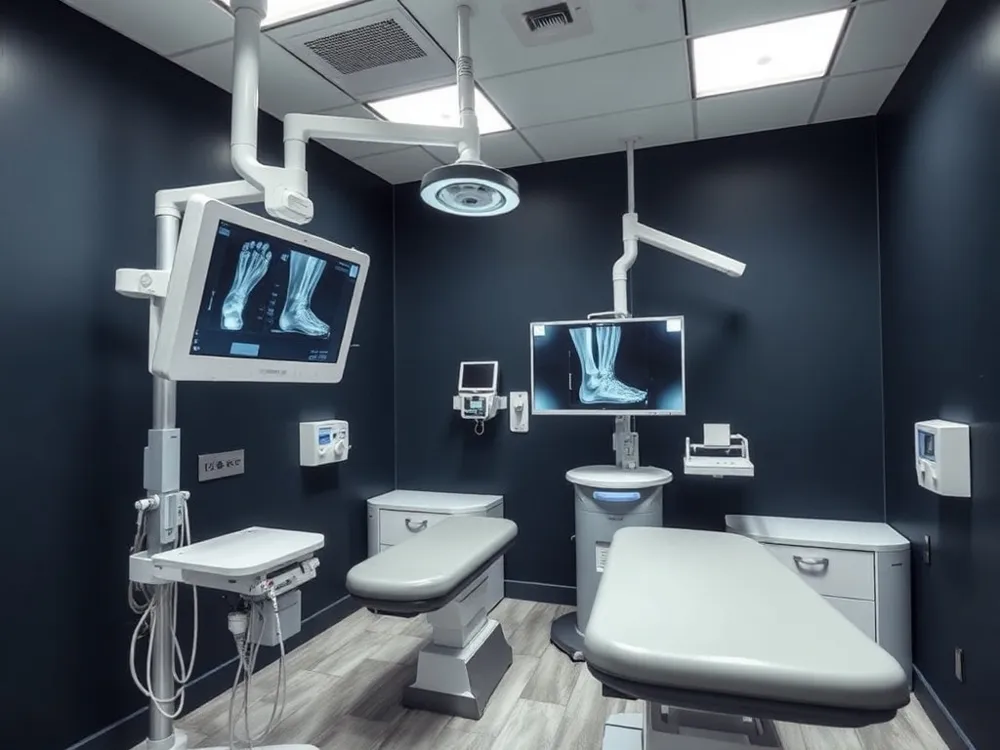
Minimally invasive foot surgery (MIFS) uses small incisions (often a few millimeters) and real‑time X‑ray guidance to treat foot and ankle conditions. Specialized instruments and a tiny camera are inserted through these openings, avoiding large cuts and extensive tissue disruption. This approach reduces blood loss, lowers infection risk, and causes less postoperative pain than traditional open surgery.
Common conditions treated with MIFS include bunions, hammer toes, metatarsalgia, adult‑acquired flatfoot, and Achilles tendon injuries. For flatfoot, procedures like HyProCure® place a small titanium implant through a < 2 cm incision, stabilizing the arch without cutting or fusing bones. Recovery is typically faster: patients often resume weight‑bearing within days and return to normal activities in weeks.
What Is the Worst Day After Foot Surgery?
Post‑operative pain usually peaks during the first 48 hours, with the first day being the most uncomfortable. During this critical window, keeping the foot elevated above heart level and applying ice regularly helps control swelling and pain. Pain medication—both opioid and non‑opioid—should be taken as prescribed to stay ahead of discomfort. After the initial 48 hours, pain gradually subsides over the next two weeks, allowing a smoother transition into the walking and physical therapy.
Bunion Surgery in the Minimally Invasive Era
Who is a candidate for minimally invasive bunion surgery?
Ideal candidates for minimally invasive bunion surgery include patients with a painful bunion that has not responded to conservative care such as wider shoes or padding. The procedure is best suited for mild to moderate, flexible bunions without severe arthritis or advanced joint degeneration. Patients who prefer less scarring, less postoperative pain, and a quicker recovery compared to traditional surgery are also strong candidates. Notably, many individuals told they are not eligible for other procedures, including those with more severe deformities, can still qualify for a minimally invasive approach. A consultation with a surgeon trained in these techniques is essential to evaluate your specific condition and imaging results.
How is minimally invasive bunion surgery done?
The surgery is performed through tiny incisions, typically less than one centimeter, using a specialized burr instead of a saw to cut the bone. The surgeon makes these percutaneous cuts to realign the first metatarsal and, depending on the bunion severity, the big toe bone. X‑ray guidance is used throughout to ensure precise correction. The bones are then stabilized with small screws inserted through the same tiny incisions. Common techniques include PECA vs MICA bunion surgery technique differences and PECA vs MICA bunion surgery technique differences for mild to moderate MICA approach bunion surgery and MICA approach bunion surgery, both of which minimize soft tissue disruption compared to traditional open surgery.
What is the recovery time for minimally invasive bunion surgery?
Most patients can walk in a surgical boot within 24–48 hours after surgery, though the foot must be kept elevated for the first two weeks to minimize swelling. Initial healing takes 6 to 8 weeks, during which you wear the boot and gradually return to light activities like stationary biking. Patients with desk jobs often return to work within 1 to 2 weeks, while those in physically demanding roles may need 4 to 6 weeks off. Transition to regular, supportive shoes usually occurs around 6 to 7 weeks, with full recovery and clearance for strenuous activities achieved by the third month. Complete healing can take 3 to 6 months, but the minimally invasive approach significantly reduces downtime compared with traditional surgery.
Potential benefits over traditional bunionectomy
| Feature | Minimally Invasive Approach | Traditional Bunionectomy |
|---|---|---|
| Incision size | <1 cm (percutaneous) | 3–6 cm (open) |
| Tissue disruption | Minimal | Extensive (ligaments, capsule) |
| Postoperative pain | Lower | Higher |
| Time to boot walking | 1–2 days | 2–7 |
| Return to desk work | 1–2 weeks | 4–6 weeks |
| Scar appearance | Very small, often nearly invisible | Larger, more visible |
| Recurrence rate | ~20% (lifetime) | ~20% (lifetime) |
Flatfoot Deformity: Surgical Options and Terminology
Types of Flatfoot Surgery and Standard Terminology
Flatfoot surgical correction is most accurately called flatfoot reconstruction. It is rarely a single procedure, but rather a combination of techniques tailored to the patient’s specific deformity. Common components include a calcaneal osteotomy (a bone cut to shift the heel into alignment), lateral column lengthening, and tendon transfers or repairs—often addressing the posterior tibial tendon posterior tibial tendon. In more advanced, rigid deformities with arthritis, a triple arthrodesis (fusion of three hindfoot joints) is commonly performed to correct the deformity and relieve pain. Your surgeon will select the mix of these procedures based on your examination and imaging, aiming to restore arch support, alignment, and function.
Weight‑Bearing Milestones and Typical Post‑Operative Timeline
After flatfoot reconstruction, patients are typically non‑weight‑bearing for the first 6 to 8 weeks. Progressing to full weight‑bearing usually takes 10 to 12 weeks. Most patients can transition to regular shoes around the 12‑week mark. Complete recovery and return to all activities can take up to a full year as bone cuts and soft tissues heal fully. It is critical to follow your surgeon’s specific weight‑bearing instructions, as these can vary based on the exact combination of procedures performed—such as whether a tendon transfer or bone fusion was included.
HyProCure®: The Tiny Titanium Spacer That Can End Chronic Pain

Device and FDA Status
HyProCure® is a small, medical-grade titanium spacer implanted into the sinus tarsi—the natural space between the ankle and heel bones. FDA-cleared in 2004, it stabilizes the subtalar joint to correct hyperpronation and restore the foot’s arch. The implant is biocompatible, MRI-safe, and designed to remain permanently, preserving natural joint motion.
Implant Size and Cost
The most frequently chosen implant is size 7. While the base cost of the HyProCure device starts at around $2,000, total surgical fees vary based on individual needs, additional procedures (e.g., bunions), and insurance coverage. A consultation and personalized quote are essential before scheduling.
Recovery Timeline
Initial improvement often occurs within 7–10 days. Protected weight-bearing in a boot is typical for 2–4 weeks, with most patients returning to normal activities within 6–8 weeks. Full tissue adaptation and alignment correction may take up to a year, especially in complex cases.
Longevity and Removal
The HyProCure implant is intended as a permanent solution. Long-term studies (5–10 years) show sustained arch support, low failure rates, and a removal rate of about 4.4% overall—rising to 15% in adults, primarily due to sinus tarsi pain. Removal effectively resolves symptoms without long-term issues.
Complications and Risk Factors
Complications are rare. The most common is sinus tarsi pain (3.8% in children/adolescents, 25.4% in adults). Obesity significantly increases this risk in adults. Infection rates are below 1%, and nerve injury is exceedingly rare. Implant migration or persistent irritation may occasionally necessitate removal.
Is It Worth It?
For patients with flexible flatfoot unresponsive to conservative care, HyProCure offers a permanent, internal correction with faster recovery and less pain than traditional reconstruction. Clinical studies report 80–90% success rates, and the ability to eliminate long-term orthotics makes it a worthwhile, durable option for many.
Everyday Strategies to Relieve Foot Pain and When to Seek Surgery
How can I relieve foot pain from standing all day?
Start by choosing supportive footwear with cushioned insoles, arch support, and a wide toe box. Simple stretches like towel pulls, toe extensions, and rolling a tennis ball under your foot release tension. Compression socks and anti‑fatigue mats help reduce discomfort. Take regular breaks to sit, elevate your feet, and stretch. If pain persists with swelling, heel pain, or numbness, consult a podiatrist for a personalized treatment plan.
What causes sudden foot pain without injury?
Sudden foot pain without injury can stem from plantar fasciitis, tarsal tunnel syndrome, gout, arthritis, stress fractures, tendonitis, Morton’s neuroma, or peripheral neuropathy. Poor footwear, rapid activity increase, or biomechanical overload also trigger abrupt pain. Identifying the exact cause often requires a physical exam and imaging. Conservative care—orthotics, physical therapy, activity modification—should be tried before considering surgical options like HyProCure.
Your Path to Pain‑Free Feet Starts Here
Recap of Minimally Invasive Options
Modern podiatry offers several minimally invasive techniques for flatfoot correction. These procedures use small incisions to reduce tissue damage and speed recovery compared to traditional open surgeries.
Why HyProCure Stands Out
HyProCure® uses a biocompatible titanium implant to stabilize the subtalar joint and restore the arch without bone cutting or fusion. Clinical studies report significant pain reduction, and the device is FDA‑cleared for adult flexible flatfoot.
Take the Next Step
If conservative treatments have failed, consult a foot specialist to see if HyProCure could be your path to pain‑free feet.