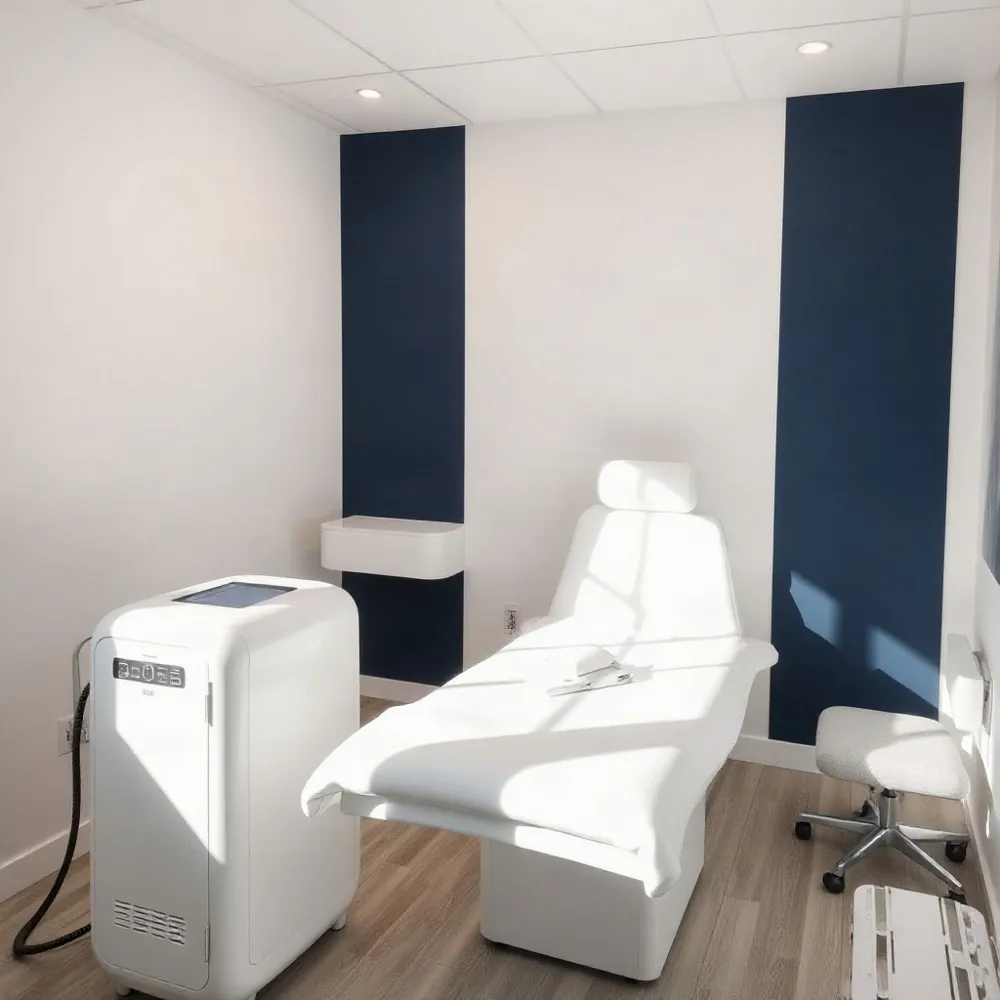
Understanding Shockwave Treatment
Heel pain can stem from several conditions, so pain alone does not confirm plantar fasciitis. A podiatrist can assess your symptoms and determine whether the plantar fascia is involved.
For persistent plantar fasciitis, extracorporeal shockwave therapy is a noninvasive option that sends sound-wave energy through the skin to targeted tissue. Mayo Clinic describes shockwave therapy as one possible approach when a foot problem has not improved with other nonoperative care, not a guaranteed solution.
Treatment is usually given over a series of appointments, and the schedule depends on the individual plan. Improvement may take time, and results vary. At advancedfootcareil.com, an experienced podiatric surgeon evaluates foot and ankle concerns and offers minimally invasive treatments. Discuss your diagnosis, suitability, expected course, and other care options with your podiatrist before proceeding.
How Shockwave Therapy Works
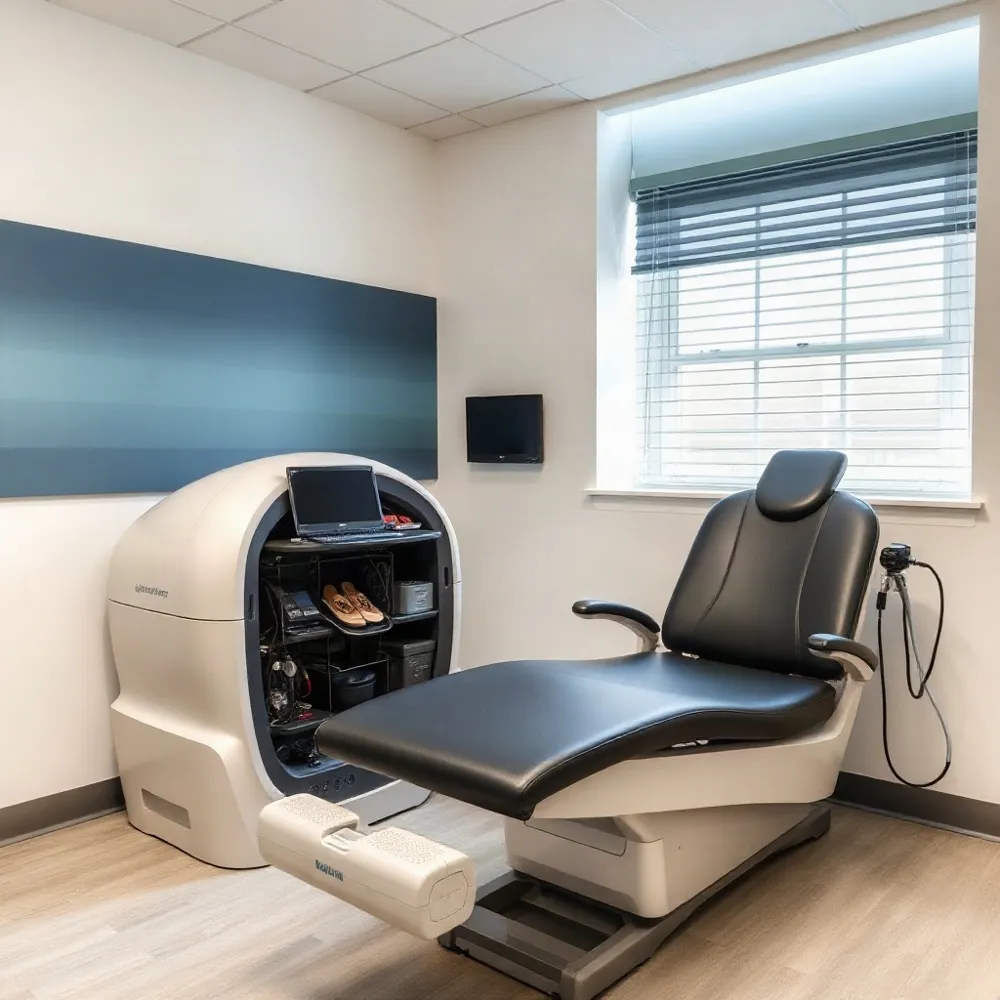 Plantar fasciitis involves irritation or inflammation of the plantar fascia, the band of tissue running along the sole from the heel to the toes. Repeated strain can contribute to heel pain, often most noticeable during the first steps after rest.
Extracorporeal shockwave therapy (ESWT) sends mechanical acoustic pressure waves through the skin to targeted tissue near the painful heel. Despite its name, it is not electrical stimulation. The Mayo Clinic overview of shockwave therapy describes it as a noninvasive treatment intended to support healing.
Researchers propose that these waves may affect blood flow, tissue-repair activity, collagen production, and pain signaling. The precise mechanisms are not fully understood, so these explanations should not be treated as guarantees.
Research suggests some people with persistent plantar fasciitis experience less pain or better function after ESWT, but results vary and studies do not establish one best protocol. A small clinical study, for example, reported improvements after treatment while noting its limited sample size and follow-up.
ESWT may be considered when other nonoperative care has not provided enough relief. Treatment planning can also include stretching, strengthening, and supportive footwear. An experienced surgeon at advancedfootcareil.com can assess heel pain and discuss which options fit the individual case. Learn more about how shockwave therapy works.
Sessions, Sensations, and Timing
 Shockwave therapy is usually delivered as a clinician-directed series. The clinician applies a handheld device to the tender area, sometimes using gel to help it glide over the skin. At advancedfootcareil.com, foot and ankle care is provided through a podiatry clinic led by an experienced surgeon, where an evaluation can help determine an appropriate treatment plan.
A typical course may involve about three to six sessions, often spaced roughly a week apart, though the schedule depends on symptoms, the device, and the plan. Appointments may take about five to twenty minutes. Mayo Clinic describes a course of three to six treatments and notes that the full effects may take weeks to appear after the final session (Mayo Clinic’s shockwave therapy overview). For more on the treatment process, see what to expect during shockwave therapy.
Is shockwave therapy for plantar fasciitis painful?
You may feel pressure, tapping, or brief discomfort as pulses reach a tender spot. Sensations vary, and the clinician may be able to adjust the settings. Speak up if discomfort feels excessive so the clinician can reassess your response. Mild soreness afterward can occur, but soreness alone does not show whether treatment is working.
How can you tell whether treatment is helping?
Improvement is often gradual. Track heel pain with your first steps in the morning, after sitting, and during or after walking. Note how long you can stand and walk comfortably. A simple symptom and activity log can help you and your podiatrist compare changes over time. If pain and function are not improving through the planned course, follow up to review the diagnosis and next steps.
Aftercare and Temporary Reactions
 Many people can walk and return to routine activities after shockwave therapy, but your response may differ. The treated heel may feel tender or mildly sore for a short time. Mayo Clinic notes that slight bruising or mild swelling can also occur after treatment (Mayo Clinic’s overview of shockwave therapy.
Follow the aftercare instructions from your treating clinician. Supportive, cushioned shoes and reducing activities that significantly worsen pain may help. Your clinician may recommend avoiding running, jumping, or other high-impact activity briefly, then increasing activity as symptoms allow. For more on possible short-term reactions and activity after treatment, see this guide to shockwave therapy aftercare.
Temporary soreness, tenderness, redness, swelling, bruising, or a brief increase in heel pain can occur. These reactions alone do not show whether treatment is helping or causing harm. Discomfort should generally settle rather than keep worsening. Tell your clinician if pain is severe, continues to increase, does not begin to ease, or makes walking difficult, especially before another session. Check with them before changing your care plan or taking medication.
Seek prompt medical assessment for sudden sharp pain, a popping sensation, significant swelling, numbness, or inability to bear weight. A podiatry clinic such as advancedfootcareil.com, serving patients in northwest Chicago and South Florida, can assess symptoms and help determine whether the treatment plan needs to change. Shockwave therapy does not relieve pain for everyone, so persistent symptoms may call for further assessment or a different approach.
Safety, Cost, and At-Home Devices
Shockwave therapy may cause temporary soreness, tenderness, redness, swelling, bruising, or a brief increase in heel pain. Some people find treatment uncomfortable, and symptoms may briefly limit activity. A systematic review examined reported complications of ESWT for plantar fasciitis, while a Mayo Clinic overview describes mild swelling or bruising among possible reactions (systematic review of ESWT complications; Mayo Clinic guidance. Most people can resume routine activity soon, but responses vary, and treatment may not provide meaningful relief.
Suitability depends on your health, medications, and the treatment area. A podiatrist should review your medical history and explain possible risks before treatment. Some medications may need to be changed, but do not stop or adjust them without instructions from your clinician. At advancedfootcareil.com, an experienced podiatric surgeon can assess heel pain and discuss whether in-clinic ESWT or another established care option fits your situation.
There is no standard price for ESWT. Cost varies by clinic, protocol, and recommended sessions, so ask for a written estimate that includes consultation and follow-up fees. Insurance coverage also varies. Contact your insurer to ask whether ESWT for your diagnosis is covered, whether prior authorization or documentation is required, and what you may owe out of pocket.
Evidence on clinician-delivered ESWT does not show that consumer at-home devices provide the same treatment or results. Settings, technique, and an accurate diagnosis matter, and unguided use could cause harm or delay appropriate care. Before using a specific device, ask a podiatrist to assess your heel pain and review the device. They can also discuss options such as stretching and strengthening, and whether in-clinic ESWT is appropriate.
Make a Plan With Your Podiatrist
Shockwave therapy may be one nonoperative option for persistent plantar fasciitis, but it is not a guaranteed solution or a substitute for finding the cause of heel pain. A podiatrist can assess whether it fits your diagnosis and care needs.
Before deciding, discuss likely benefits and risks, the treatment schedule, aftercare, alternatives, and total cost. At Advanced Foot & Ankle, care is led by an experienced surgeon, with clinics in NW Chicago and South Florida. Report unexpected or concerning symptoms during treatment so your clinician can advise you.