Introducing Shockwave Therapy for Foot and Ankle Pain
Extracorporeal shockwave therapy (ESWT) began in Germany in the late‑1960s as lithotripsy for kidney stones and was adapted in the 1990s for musculoskeletal use. Modern ESWT delivers low‑ to high‑energy acoustic pulses—radial for superficial tissue, focused for deeper structures—to stimulate neovascularization, fibroblast activity, and collagen synthesis, thereby accelerating healing of tendons, ligaments, and fascia. Podiatrists have embraced ESWT because it is non‑invasive, requires no anesthesia, and offers a cost‑effective alternative to surgery; clinical studies consistently show up to 50 % pain‑score reductions and 70‑90 % long‑term relief for chronic plantar fasciitis and related conditions. This article will first trace ESWT’s scientific evolution, then explain its mechanistic benefits for foot and ankle pathologies, and finally outline practical treatment protocols, patient‑selection criteria, and outcomes expectations for clinicians and patients alike.
How Shockwave Therapy Works – Physics and Biology
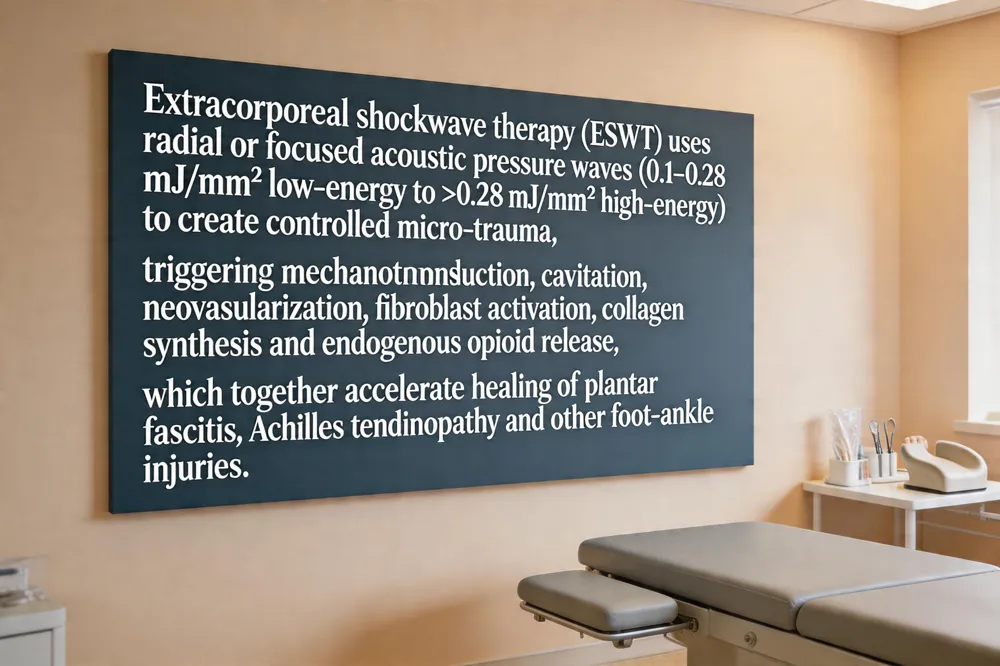 Extracorporeal shockwave therapy (ESWT) delivers acoustic pressure waves through a gel‑coupled probe to skin and tissue. Two device families are used: radial shockwave units generate a broad, superficial pressure field up to 4–5 cm depth, and focused devices, which concentrate energy into a narrow beam that can penetrate up to 12 cm. Energy levels are classified as low‑energy (<0.1 mJ/mm²), medium‑energy (0.1–0.28 mJ/mm²) and high‑energy (>0.28 mJ/mm²). Low‑energy waves are usually painless and used for chronic tendinopathies; higher energies create more pronounced micro‑trauma and may require local anesthesia. The primary biological mechanisms stem from mechanotransduction: rapid pressure changes cause cavitation bubbles that implode, producing controlled micro‑trauma. This triggers a cascade of healing responses—neovascularization (up‑regulation of VEGF, eNOS), increased fibroblast and tenocyte activity, and collagen synthesis. The micro‑trauma also modulates pain pathways by overstimulating nociceptive fibers and releasing endogenous opioids. Together, these effects improve micro‑circulation, break down calcific deposits, and promote formation of new connective tissue, accelerating recovery of plantar fasciitis, Achilles tendinopathy and other foot‑and‑ankle injuries.
Clinical Benefits and Evidence for Foot & Ankle Conditions
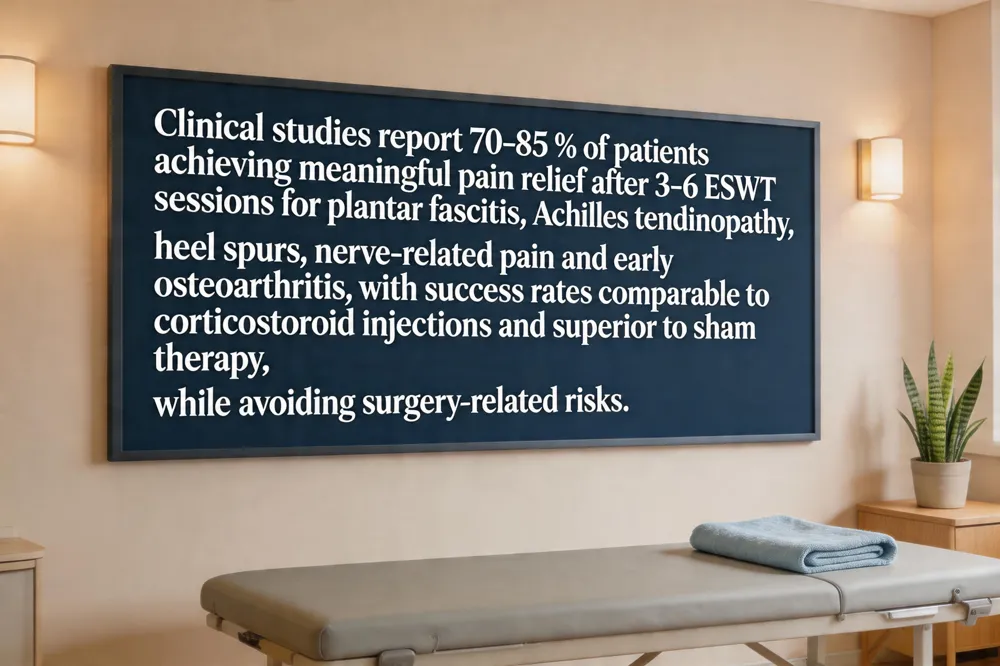 Extracorporeal shockwave therapy (ESWT) has become a cornerstone for chronic foot‑and‑ankle pain when conservative care fails.
Effectiveness for plantar fasciitis, Achilles tendinopathy, heel spurs – Low‑energy ESWT increases local microcirculation, stimulates fibroblast activity, and promotes neovascularization, leading to pain reductions of up to 50 % after 3‑5 sessions spaced 1‑2 weeks apart. Clinical series report 75‑80 % success rates for plantar fasciitis and comparable improvements for Achilles tendinopathy and calcific heel spurs.
Nerve‑related pain and arthritis – Focused shockwaves enhance nerve micro‑environment, reducing neuropathic discomfort, while meta‑analyses show modest but significant pain relief and functional gains in early‑stage osteoarthritis of the ankle and knee.
Success rates and meta‑analysis findings – Systematic reviews of randomized trials confirm ESWT’s superiority over sham and non‑inferiority to corticosteroid injections, with 70‑85 % of patients achieving clinically meaningful pain relief after 3‑6 sessions.
Comparison with surgery and injections – ESWT avoids anesthesia, incision‑related complications, and lengthy rehabilitation, offering a cost‑effective alternative to surgical decompression or repeated steroid shots. Side effects are mild (transient bruising, swelling) and serious events are rare when performed by qualified podiatrists.
Overall, ESWT provides a non‑invasive, evidence‑based option that can restore function and reduce reliance on medication for many chronic foot and ankle conditions.
Treatment Protocols, Patient Experience, and What to Expect
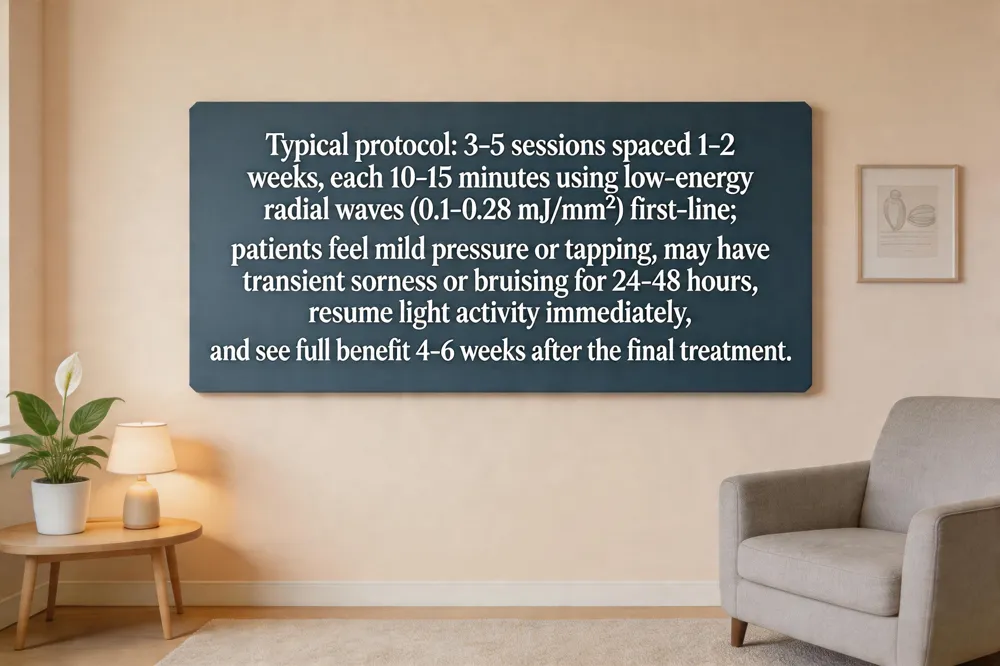 Typical ESWT sessions for plantar fasciitis last 10–15 minutes and are scheduled 1–2 weeks apart; most clinicians prescribe 3–5 weekly treatments. Low‑energy radial shockwaves (0.1–0.28 mJ/mm²) are the most common first‑line choice because they cover a broader superficial area and are well tolerated, while focused devices concentrate higher energy at deeper tissue for refractory cases. Patients usually describe the sensation as mild pressure or a brief tapping rather than severe pain; a topical anesthetic or lower energy can be used if needed. After treatment, a short‑term inflammatory response may cause temporary soreness, bruising, or a “numb‑out” that peaks within 24–48 hours and resolves in 2–3 days. Light activity can resume immediately, but high‑impact sports are limited for 48 hours and full weight‑bearing is encouraged after the first session. Full therapeutic benefit typically emerges 4–6 weeks after the final session, with some patients noticing improvement as early as 1–2 weeks. Combining ESWT with a structured physical‑therapy program enhances blood flow, collagen synthesis, and functional recovery, allowing most patients to return to normal activities within weeks while maintaining long‑term pain relief.
Safety, Contraindications, and Managing Risks
 Is shockwave therapy dangerous?
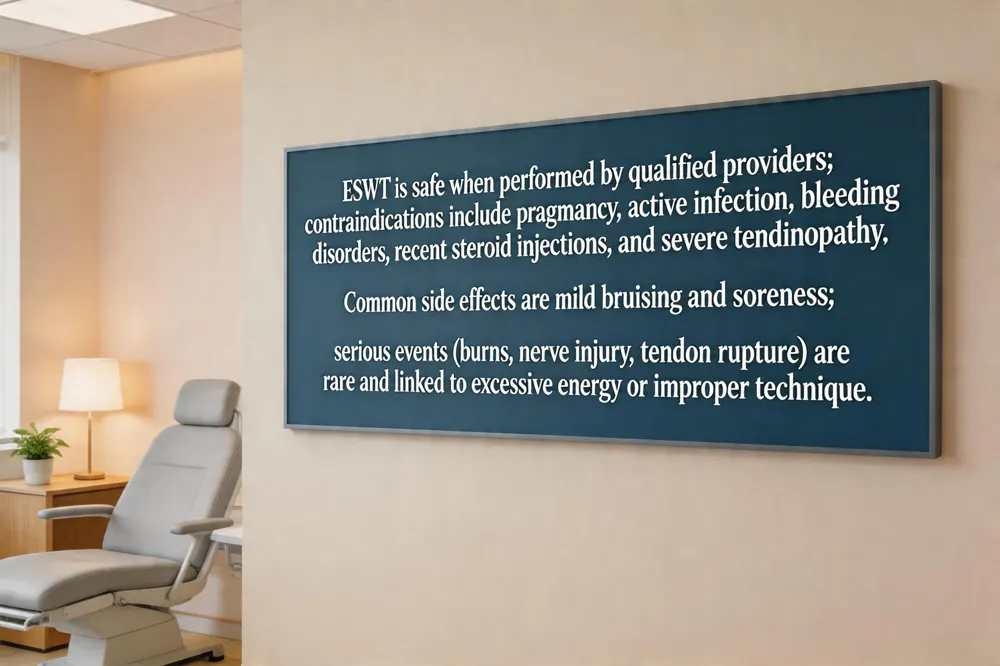
When administered by a qualified, experienced provider, shockwave therapy is considered safe and minimally invasive. Most patients experience only mild, temporary discomfort, redness, swelling, or bruising. Serious complications are rare and usually stem from improper technique, excessive energy, or untreated contraindications. Clinicians screen for pregnancy, active infection, bleeding disorders, recent corticosteroid injections, and severe tendinopathy before treatment, ensuring low risk.
Can shockwaves damage tendons?
Tendon injury can occur if the energy dose exceeds the therapeutic window. Excessive flux density may cause micro‑tears or structural damage. Evidence‑based protocols keep energy levels within safe limits (typically 0.10–0.30 mJ/mm²) and monitor patient response, allowing shockwaves to promote neovascularization and collagen remodeling without harming tissue.
Shockwave therapy side effects
Common side effects are mild bruising, swelling, erythema, and transient soreness that resolve within a few days. Rare events—skin burns, nerve irritation, or tendon rupture—are linked to high‑energy settings or contraindicated patients. Ice, rest, and OTC analgesics help manage mild reactions.
Why am I in pain after shockwave therapy?
Post‑treatment soreness reflects the controlled micro‑trauma that stimulates blood flow and tissue repair. The inflammatory response peaks within hours and fades over 48‑72 hours. Ice and activity modification can ease discomfort.
Does shockwave therapy break up muscle knots?
Yes. Focused acoustic energy disrupts hyper‑contracted fibers of myofascial trigger points, increasing local circulation and collagen turnover. Clinical data show radial shockwaves soften and release muscle knots, improving pain and range of motion after several sessions.
Accessing Shockwave Therapy at Advanced Foot Care
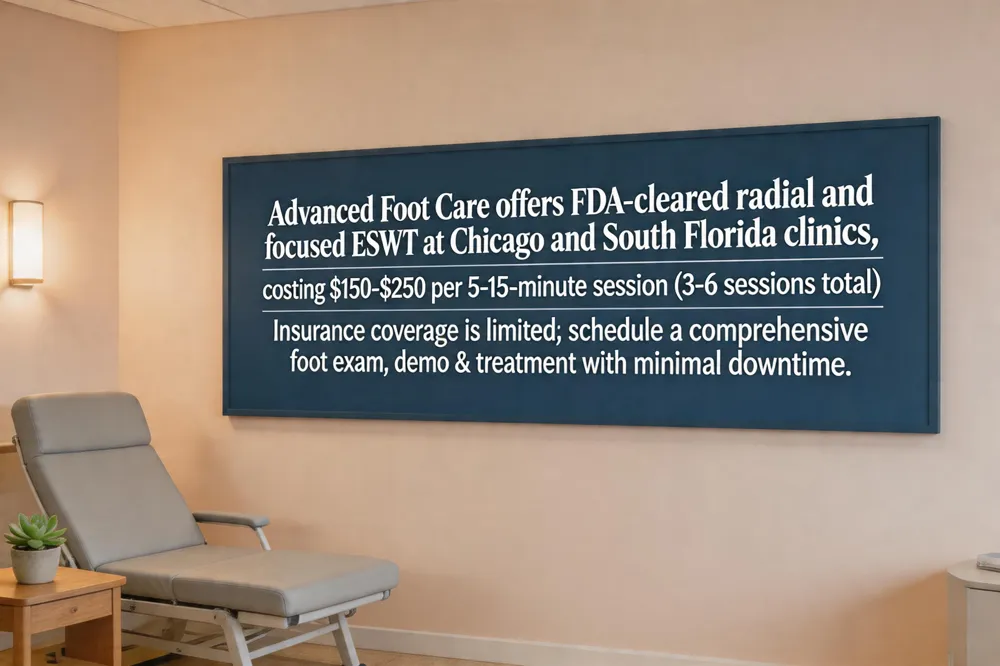 Advanced Foot Care offers FDA‑cleared extracorporeal shockwave therapy (ESWT) at two convenient locations: a modern office in Northwest Chicago and a coastal clinic in South Florida. Both sites are equipped with state‑of‑the‑art radial and focused shockwave devices that deliver precise acoustic energy to treat plantar fasciitis, Achilles tendinitis, heel spurs, Morton's neuroma, and other chronic foot‑and‑ankle conditions.
Cost and insurance – A single ESWT session typically ranges from $150 to $250, with most treatment plans requiring three to six sessions for optimal relief, bringing the total out‑of‑pocket cost to $450‑$1,250. Insurance coverage is limited; many plans consider the procedure experimental, so patients should verify benefits and explore financing options during the initial consultation.
Scheduling and first visit – To start, patients call or book online for a comprehensive foot exam. The first appointment includes a brief medical history, imaging if needed, and a demonstration of the shockwave device. Sessions last 5‑15 minutes, require no anesthesia, and patients can resume normal activities immediately afterward.
Frequently asked questions –
- Shockwave therapy near me: Our Chicago and Florida clinics provide the latest ESWT for foot and ankle pain, delivering quick, non‑invasive treatment tailored to each condition.
- Shockwave Therapy for foot pain near me: Alpine Foot & Ankle Clinic (part of Advanced Foot Care) offers EPAT‑style focused shockwave therapy typically 10‑minute sessions with minimal downtime.
- Where can I get shockwave therapy for plantar fasciitis?: Both Advanced Foot Care locations perform a series of three sessions spaced 4‑7 days apart, allowing same‑day return to activity.
- How much is shockwave therapy for feet?: Expect $150‑$250 per session; total cost depends on the number of sessions and any package discounts.
- At home shockwave therapy for plantar fasciitis: Home devices are not FDA‑cleared and lack calibrated dosing; professional ESWT under podiatrist supervision yields reliable, evidence‑based results.
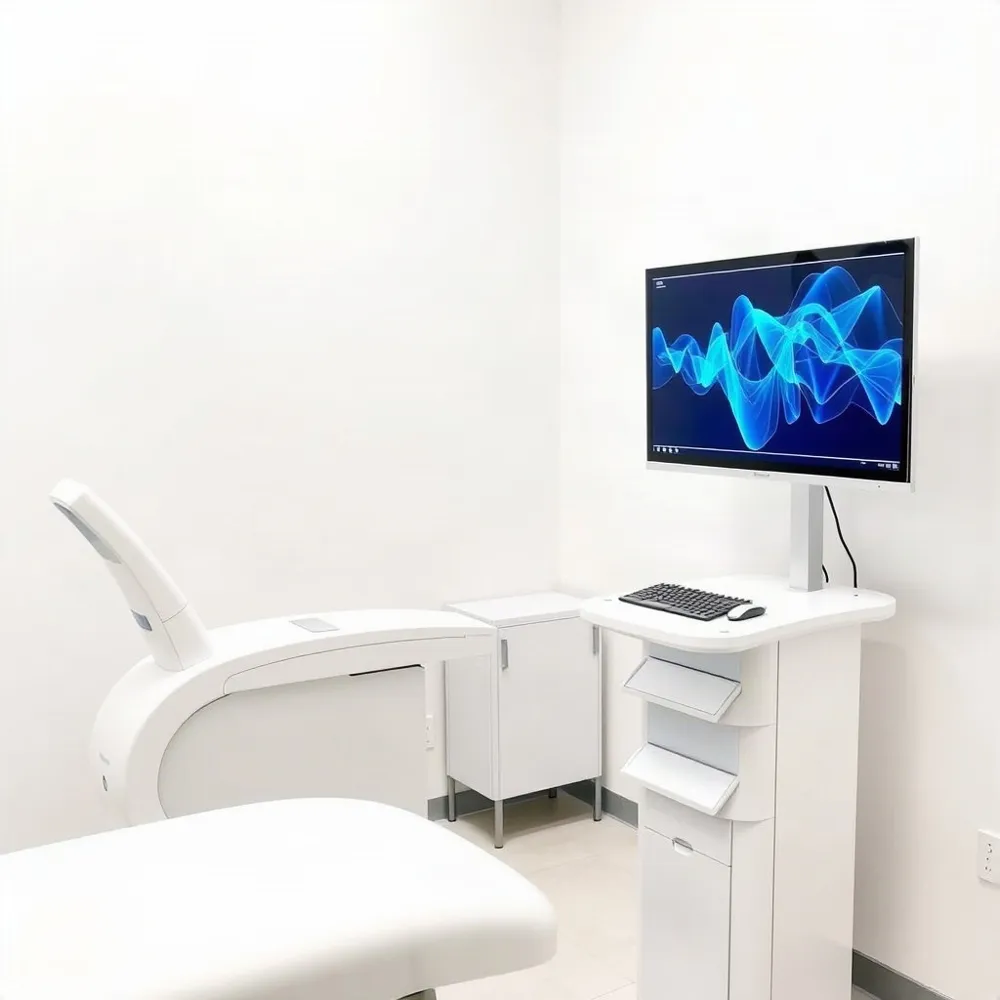
- Shockwave therapy machine: Our clinics use FDA‑cleared radial and focused generators with adjustable energy settings for precise, safe treatment.
- Radial wave therapy: This modality delivers broader, superficial pressure waves that boost blood flow, neovascularization, and collagen synthesis, effectively treating tendinopathies and chronic soft‑tissue pain.
Putting It All Together – Why Shockwave Therapy Is a Game‑Changer for Foot Health
Extracorporeal shockwave therapy (ESWT) delivers focused or radial acoustic pulses that trigger controlled micro‑trauma, boosting neovascularization, collagen synthesis, and growth‑factor release. This cascade improves blood flow, reduces inflammatory mediators such as substance P, and promotes tendon‑ligament regeneration, translating into pain reductions of 40‑50 % and functional gains within 10‑15 weeks for chronic plantar fasciitis, Achilles tendinopathy, and related ankle disorders. The treatment is non‑invasive, anesthesia‑free, and carries only mild, transient side effects—bruising, swelling, or a brief tingling sensation—while contraindications are limited to pregnancy, active infection, recent corticosteroid injections, and coagulation disorders. Patients in Chicago and Florida seeking a minimally invasive alternative to surgery are encouraged to schedule a consultation with a board‑certified podiatrist to assess eligibility and begin a tailored 3‑5‑session ESWT protocol. Ongoing research is refining optimal energy levels, session spacing, and combined rehab regimens, and expanding indications to neurological spasticity and bone‑union healing, positioning ESWT as a dynamic, evidence‑driven cornerstone of modern podiatric care.