Understanding the Necessity of Expert Ingrown Toenail Care
Onychocryptosis, commonly known as an ingrown toenail, is a frequent foot health condition that accounts for roughly one in five foot-related primary care appointments. While common, the condition often requires professional intervention rather than basic home remedies to avoid worsening inflammation or long-term complications.
At advancedfootcareil.com, we see many patients attempt 'bathroom surgery' to trim or lift the nail edge. This approach is strongly discouraged, as improper technique can easily damage the nail matrix or introduce infection. Specialized podiatric care provides a safer, clinical alternative, utilizing sterile instruments and targeted procedures to ensure long-term resolution. For patients with diabetes or circulation issues, professional evaluation is critical to avoid severe medical complications.
Expert treatment minimizes the risk of recurrence compared to non-surgical methods. Through minimally invasive treatments, podiatrists can resolve persistent pain and restore normal foot function quickly and effectively.
Identifying Root Causes and Risk Factors
 Onychocryptosis, or an ingrown toenail, is a common foot health condition that often stems from mechanical errors during routine grooming. Trimming nails too short or rounding the corners instead of cutting them straight across is a primary driver of the nail edge penetrating the lateral nail fold, as noted by the American Academy of Family Physicians. At advancedfootcareil.com, medical staff regularly caution that aggressive attempts to lift or round the edges at home can damage the nail matrix permanently.
- Footwear choice is another major factor, as tight-fitting shoes or high heels apply repetitive pressure to the toe, forcing the barb into the soft skin, as identified by the Mayo Clinic.
- Genetic predisposition plays a role for those born with naturally curved or excessively wide nail plates, which are harder to manage with standard grooming techniques.
- Trauma to the foot, whether from dropping heavy objects or participating in high-intensity sports, can alter natural nail growth patterns and introduce infection risk.
- Systemic health conditions, particularly diabetes or peripheral vascular disease, significantly increase complication risks, necessitating early professional evaluation to prevent more severe outcomes like bone infection.
Understanding these root causes helps prevent the cycle of recurrence. For individuals with chronic issues, modern clinics like advancedfootcareil.com offer advanced solutions like chemical matrixectomy, which successfully addresses the underlying nail-forming tissue that leads to recurring inflammation.
The Hazards of Bathroom Surgery and Salon Treatments
 The Hazards of Bathroom Surgery and Salon Treatments
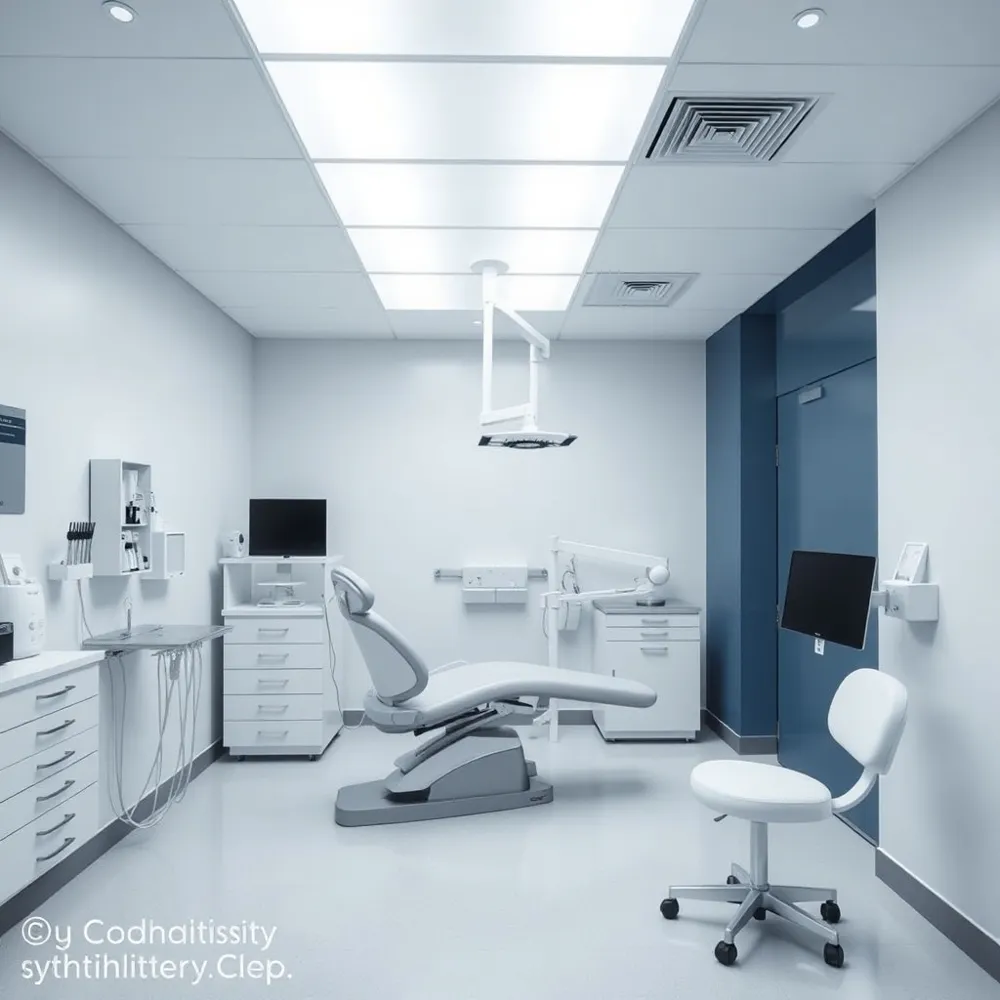
Attempting what is often called bathroom surgery is strongly discouraged by medical experts, as home attempts to cut, lift, or remove an embedded nail border frequently lead to incomplete results and significant trauma. Without access to sterile, medically-graded instruments and a controlled clinical environment, amateur procedures often introduce harmful bacteria into the soft tissue. This creates a high risk for secondary infections and can result in permanent damage to the delicate nail matrix.
While cosmetic nail salons may offer relief for superficial grooming, they are not equipped to manage pathology. Technicians in these environments lack the formal clinical training required to perform partial nail avulsions or identify anatomical complications. At advancedfootcareil.com, our team utilizes sanitized, specialized tools and precise techniques to ensure wounds are treated safely compared to the rudimentary blades often found in salon settings.
- Professional care is mandatory for those with diabetes or circulatory conditions which severely increase infection risks per Mayo Clinic data.
- Clinical environments eliminate cross-contamination risks common in public salons by utilizing sterilization protocols absent in retail settings.
- Attempting home intervention can mask underlying issues, such as bone involvement, that only a licensed podiatrist can accurately diagnose.
Patients struggling with recurring pain should move beyond temporary home remedies and seek evaluation. Early consultation prevents the advancement of onychocryptosis into a chronic deformity. By choosing clinical interventions over the inherent hazards of amateur care, patients gain access to permanent solutions like matrixectomy, which offers far greater success rates than the repetitive cycles caused by improper home cutting.
Comprehensive Clinical Treatment Options
 For mild or early-stage cases, podiatric care often begins with conservative, non-surgical interventions intended to relieve immediate pressure. A professional may gently lift the nail edge to insert cotton, dental floss, or a specialized gutter splint to guide the nail as it grows outward. Taping the lateral nail fold away from the nail plate is another technique used to provide relief from pain and inflammation.
When conservative management proves ineffective, or if the toe shows signs of infection and significant granulation tissue, a podiatrist may perform a partial nail avulsion. This procedure is typically carried out in a clinical setting using a local anesthetic to ensure a painless experience for the patient. At advancedfootcareil.com, our approach focuses on minimally invasive techniques that prioritize both patient comfort and a swift return to daily activities.
For patients suffering from chronic or recurring issues, a permanent solution is often necessary. A matrixectomy effectively eliminates the lateral nail-forming tissue that leads to recurring ingrowths. This is commonly achieved through chemical ablation using phenol or sodium hydroxide, which significantly lowers recurrence rates compared to simple nail removal. While some clinics rely on traditional surgical tools, modern alternatives such as CO2 laser ablation or targeted electrosurgery offer precise tissue destruction with excellent cosmetic outcomes.
Navigating Recovery, Costs, and Potential Complications
What should I expect regarding pain and recovery during and after permanent surgical removal of an ingrown toenail?
The procedure is performed under local anesthesia, ensuring you feel no pain during the surgery, only slight pressure. Once the anesthesia wears off after a few hours, mild-to-moderate throbbing is normal for the first 48 hours, which can be managed with elevation and over-the-counter pain relievers. Following the procedure, the wound typically takes 3 to 6 weeks to fully heal, during which you will follow a daily routine of gentle soaking and dressing changes. While you can return to desk work and light walking almost immediately, it is best to avoid intense activity and closed-toe footwear for the first week or two. By following these aftercare steps, you can expect a predictable recovery, with the permanent removal of the nail preventing future ingrown toenail recurrence. At advancedfootcareil.com, patients receive personalized postoperative care guidance to ensure these cycles remain comfortable and efficient.
What is the average cost of professional ingrown toenail surgery?
The average cost for professional ingrown toenail removal typically ranges from $200 to $500 when paying out-of-pocket without insurance. However, the total expense can vary significantly, ranging anywhere from $150 to $850 depending on the complexity of the procedure and the specific diagnostic requirements. Factors influencing this price include the severity of the condition, the extent of the infection, and whether a simple partial removal or a permanent nail matrix procedure is necessary. Additionally, costs are often impacted by the specific healthcare facility, the provider's professional fees, and initial consultation charges. Patients are encouraged to verify their coverage with their insurance provider, as many health plans cover medically necessary podiatric surgeries.
What are the potential complications if an ingrown toenail is left untreated for too long?
If an ingrown toenail is left untreated for too long, it can lead to localized infection, manifesting as increased pain, swelling, redness, and the presence of pus per Mayo Clinic data. The infection may progress to the surrounding soft tissue, causing cellulitis, or potentially spread to the underlying bone, resulting in a serious condition known as osteomyelitis. Patients may also experience the development of granulation tissue, which appears as red, raw skin that may bleed easily. For individuals with underlying health conditions such as diabetes, poor circulation, or nerve damage, these infections can be particularly dangerous and may lead to non-healing wounds or tissue necrosis. Consequently, seeking professional podiatric care at the first sign of an infection is essential to prevent these severe complications.
Prioritizing Foot Health and Preventive Maintenance
Achieving lasting relief from onychocryptosis often requires moving beyond temporary home remedies. Surgical permanency, achieved through a matrixectomy, offers a 95% success rate in eliminating recurring growth patterns per the American Academy of Family Physicians. By shifting from palliative care to professional, minimally invasive solutions, patients can effectively resolve chronic pain.
Long-term foot health relies heavily on consistent preventative maintenance, such as trimming nails straight across and selecting footwear with adequate room. These habits reduce the mechanical pressure that triggers nail edge embedment. If you experience persistent symptoms, advancedfootcareil.com provides expert podiatric evaluation to stop complications before they escalate.