A New Era of Convenience in Podiatry
Virtual visits provide an accessible alternative to traditional office appointments, particularly for follow-ups, consultations, and triaging foot issues. Advances in high-resolution smartphone cameras allow for accurate visual assessments of many conditions, making expert care available without leaving home.
Telemedicine in podiatry supports timely assessment and management of various foot and ankle conditions, validated by studies showing high patient satisfaction and clinical efficiency for non-urgent concerns.
How Telehealth Works for Your Feet
Telemedicine uses secure, HIPAA-compliant video platforms to connect you with a podiatrist for a live consultation. Before the visit, you can submit your medical history, medication list, allergies, and insurance information through an online portal. Many platforms also allow you to upload clear photos of the affected area, giving the doctor a closer look before the appointment begins.
During the virtual visit, the podiatrist will discuss your symptoms, review your history, and guide you through a visual self-examination of your feet and ankles. Modern smartphone cameras and proper lighting allow for detailed observation of visible issues like swelling, skin changes, and nail conditions. If a prescription is needed, it can be sent electronically to your pharmacy, and online payment options are typically available for convenience.
Insurance and Cost for Virtual Podiatry
Most insurance plans, including Medicare, cover telemedicine appointments at the same rate as in-person visits, meaning there is usually no extra cost for the convenience. For patients without insurance or those with specific plan requirements, a cash-pay option is available. At Advanced Foot Care IL, we help verify your coverage before the appointment and can answer questions about any required referrals or out-of-pocket costs.
Conditions a Virtual Visit Can Diagnose
 A virtual exam allows a podiatrist to visually inspect the foot and ankle using a high-definition camera. This approach is well-suited for identifying visible conditions such as ingrown toenails, skin rashes, infections, mild bunions, hammertoes, swelling, and early fungal infections. Research has shown that telemedicine can accurately assess these types of conditions with diagnostic quality comparable to an in-person exam, as noted in a peer-reviewed study.
After a procedure or injury, telehealth is an effective tool for post-surgical wound checks and monitoring healing progress. Podiatrists can review surgical incisions, track changes in swelling or discoloration, and adjust aftercare instructions without requiring a trip back to the office. This remote monitoring helps reduce the number of in-person follow-up visits while ensuring recovery stays on track.
Routine consultations are also practical over video. Issues like corns, calluses, general foot pain, and questions about shoe fit can be addressed through a detailed discussion of symptoms and visual cues. When a physical exam is not required, a telehealth visit saves you travel time and provides quick access to professional advice. You can visit advancedfootcareil.com to learn more about how these consultations work.
Beyond direct diagnosis, a virtual visit serves as an effective triage tool. By reviewing your symptoms and medical history, and examining the affected area on camera, a podiatrist can determine whether the issue can be managed at home or if an in-person procedure is necessary. This early screening helps patients avoid unnecessary office visits while getting the right level of care.
When an In-Person Visit Is Required
While telehealth offers broad benefits for many foot conditions, some situations demand the hands-on expertise and specialized equipment of an in-person visit. A virtual exam cannot replace the physical palpation a podiatrist uses to assess pain points, joint stiffness, or structural alignment.
Conditions That Require Hands-On Evaluation
Severe pain. Persistent, worsening pain that does not respond to home care may indicate a more serious underlying issue, such as a stress fracture, arthritis, or nerve compression. These conditions require a physical exam and often diagnostic imaging like X-rays or MRIs, which are only available in the clinic.
Open wounds or infections. Diabetic foot ulcers, infected ingrown toenails, and other open wounds need in-office care for proper cleaning, debridement, and treatment. These procedures cannot be performed remotely.
Suspected fractures. A suspected broken bone or joint injury requires an in-person evaluation with X-rays or other imaging to confirm the diagnosis and guide treatment.
Diabetic foot complications. Patients with diabetes-related foot issues, including neuropathy, poor circulation, or chronic ulcers, benefit from regular in-person monitoring to prevent serious complications.
Circulation problems. Numbness, tingling, or unexplained discoloration in the feet may signal vascular or nerve issues that a podiatrist can best assess in person.
Custom orthotic fittings are another service that requires an in-person visit. Accurate orthotics depend on gait analysis, pressure mapping, and precise physical measurements that cannot be replicated through a screen.
For cases that fall into these categories, an in-person exam provides the complete diagnostic picture. At advancedfootcareil.com, we guide patients through a hybrid model: a virtual triage can identify whether the condition needs immediate hands-on care or can be managed remotely. If an in-office visit is necessary, we schedule it efficiently so you receive the right level of care without delay. For more guidance on recognizing when remote care is sufficient, see our article on when a telehealth visit makes sense for foot care.
Preparing for a Successful Virtual Exam
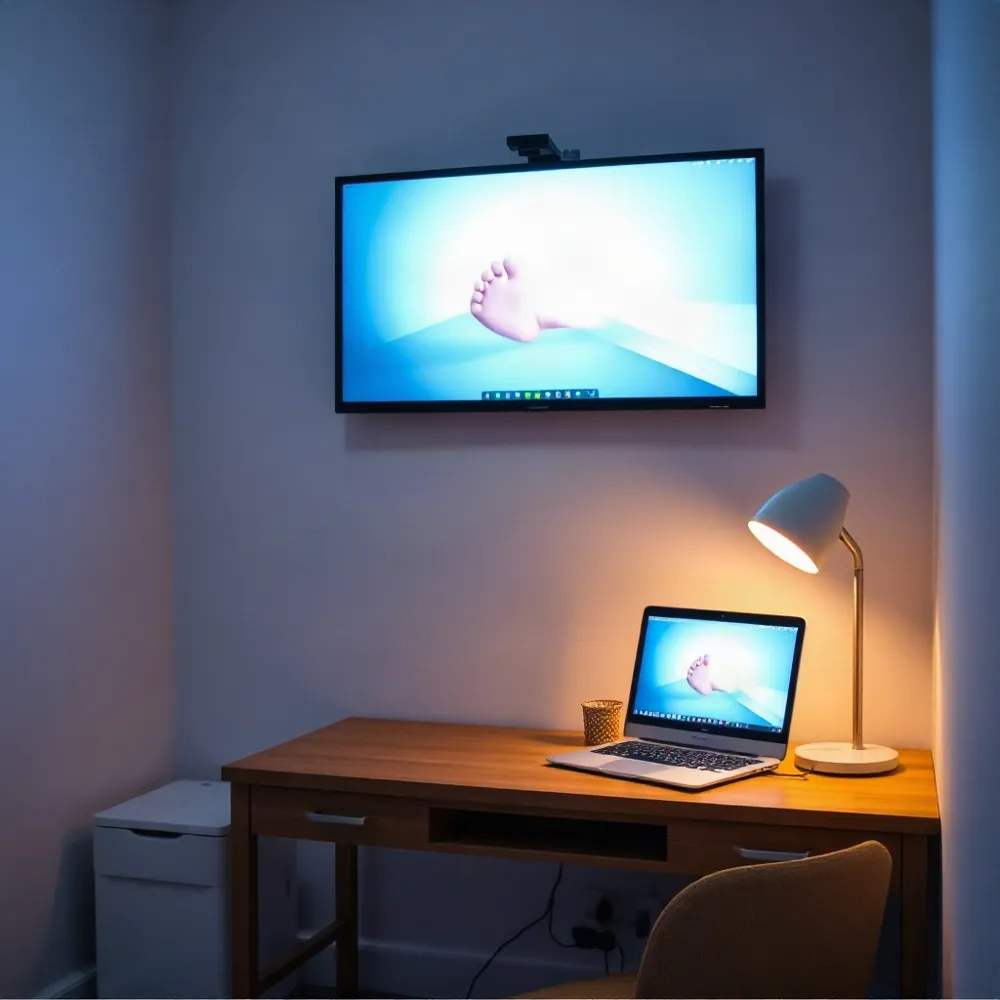 A successful virtual foot exam begins with proper lighting. Natural daylight from a window offers the most color-accurate view. If that is not available, a two-light setup using daylight bulbs (5000K–6500K) helps eliminate harsh shadows and reveals subtle details like swelling, redness, or skin texture.
Avoid positioning the foot directly under a single overhead light, which casts deep shadows around the toes and ankles — areas a podiatrist must inspect closely. Place the foot on a solid, neutral background, such as a white sheet or plain towel, so the camera focuses on the foot rather than a patterned surface.
Camera stability is critical. Use a tripod, a stack of books, or brace your elbows on a table to prevent blurry images. During the exam, your podiatrist may ask for several specific views: weight-bearing (standing to assess pronation or supination), non-weight-bearing (top-of-foot and bottom-of-foot detail), and comparative (both feet side by side for baseline comparison).
Before the appointment, test your internet connection using a free speed-check tool — a minimum of 2 Mbps upload speed is recommended for clear audio and video. Also prepare a list of your current medications and relevant medical history, and take clear, well-lit photos of the affected area to share during the call. These steps help your podiatrist provide an accurate assessment and guide appropriate next steps.
The Hybrid Model of Modern Foot Care
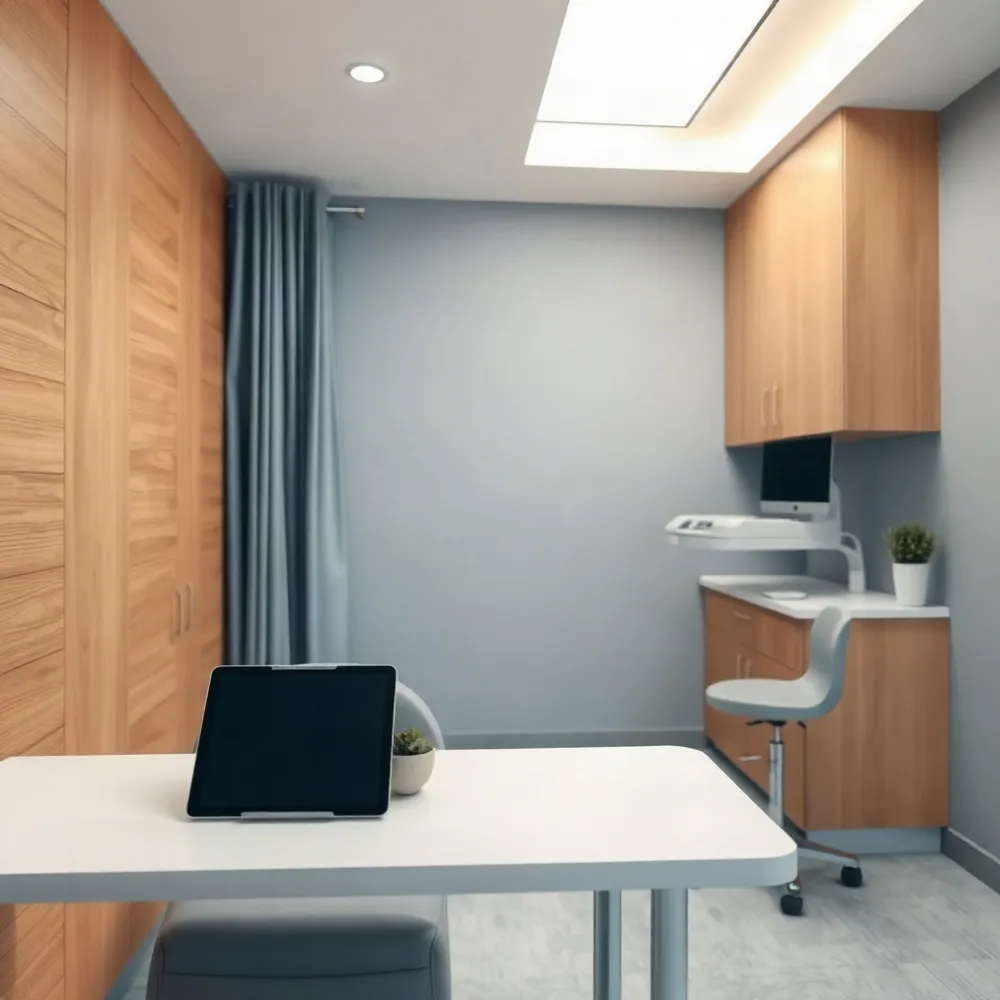 The most effective approach to podiatry today does not force patients to choose between convenience and thoroughness. A hybrid model blends the strengths of both, using virtual visits for tasks that benefit from remote access and in-person appointments for hands-on procedures and advanced diagnostics. This structure gives patients greater flexibility without sacrificing the quality of care.
Step 1: Virtual Consultation. Initial symptom discussion and visual assessment take place over a secure video platform. The podiatrist reviews the patient's history, observes the foot or ankle, and determines if the issue can be managed at home or if a physical exam is necessary.
Step 2: In-Person Visit. When a condition requires imaging (X-rays, ultrasound), a minor procedure, or physical palpation, the patient visits the clinic. This step ensures complex diagnoses and treatments are handled with the same thoroughness as a traditional appointment.
Step 3: Follow-Up and Monitoring. After a procedure or treatment plan is initiated, post-operative checks, wound monitoring, and recovery progress are often managed virtually. This reduces the number of trips back to the office while keeping the care team informed of healing status.
Randomized controlled trials have demonstrated that telemedicine is effective for the assessment, diagnosis, and management of various foot and ankle conditions, providing a feasible alternative to in-person visits source. A hybrid approach takes this a step further by reserving in-office time for the procedures and exams that truly require it, such as bunion surgery or custom orthotic fitting. For patients recovering from neuroma treatment or post-surgical care, routine follow-ups can be completed from home, saving time while ensuring appropriate recovery.
This model reduces unnecessary travel and wait times, increases clinical efficiency, and helps prevent conditions from worsening due to delayed care. For patients managing chronic issues like diabetic foot ulcers or plantar fasciitis, the flexibility to alternate between virtual check-ins and targeted in-person visits supports consistent, ongoing care without the burden of frequent office visits.
At advancedfootcareil.com, this hybrid structure is put into practice. Patients dealing with chronic foot and ankle problems such as plantar fasciitis, flat foot, or diabetic foot ulcers can start with a virtual consultation to describe symptoms and receive initial guidance. If hands-on evaluation or treatment is required, the clinic's two locations (NW Chicago and South Florida) provide advanced, minimally invasive options. Follow-up visits can then shift back to virtual monitoring, allowing the care team to track healing progress without requiring the patient to travel for every check-in.
Your Next Step Toward Healthier Feet
Telepodiatry is a safe, convenient, and effective option for many foot concerns, from routine check-ups to post-surgical follow-ups. It is not a replacement for in-person care but a powerful complement, especially for triage and monitoring.
Patients should not delay addressing foot pain or worrisome symptoms. A virtual consultation offers quick access to expert advice. Contact Advanced Foot Care IL to schedule a telehealth appointment and take the first step toward relief.