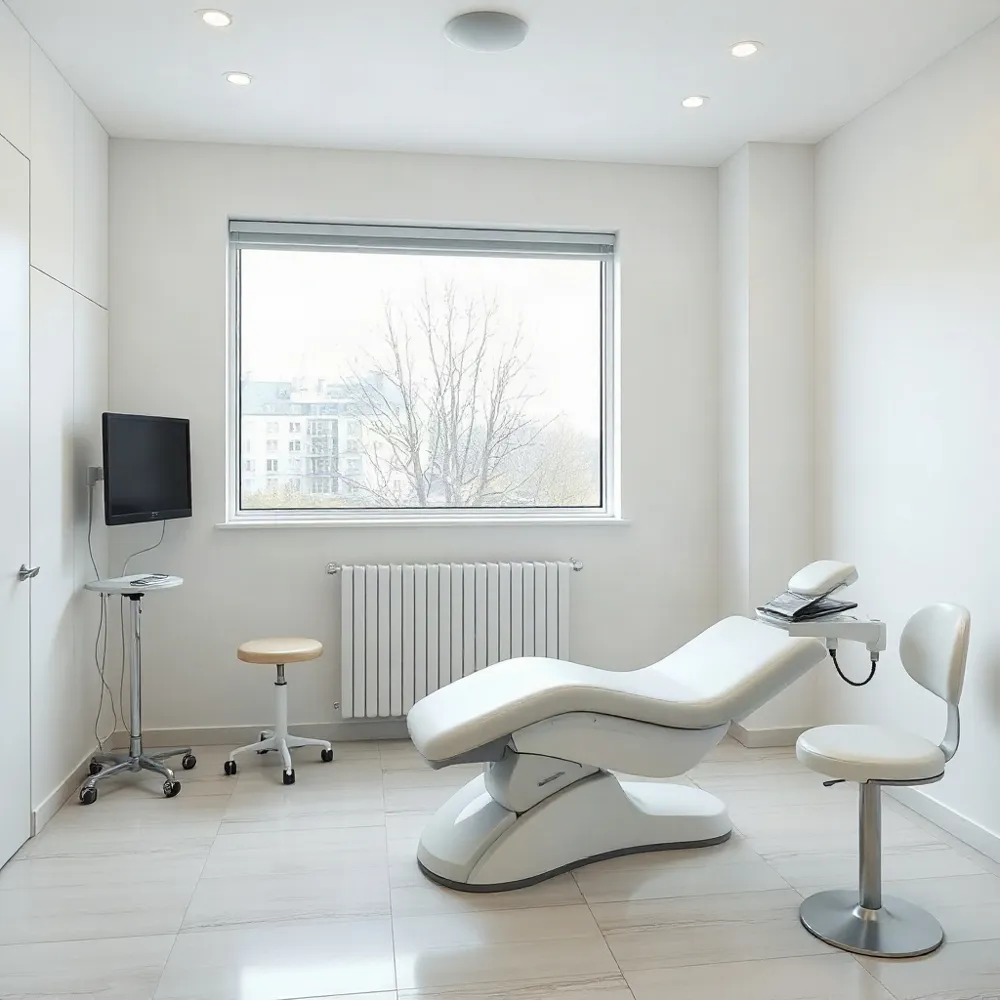
A New Standard in Podiatric Surgery
A Brief History
Minimally invasive foot surgery (MIS) has advanced from the 1960s, when blind osteotomies with high‑speed burrs often caused complications. Today, fourth‑generation techniques combine fluoroscopic guidance, rigid internal fixation, and three‑dimensional planning, enabling stable corrections through incisions as small as two millimeters.
Why the Shift Matters
Systematic reviews and real‑world clinic data confirm that MIS reduces tissue trauma, scarring, postoperative pain, and infection risk while allowing earlier weight‑bearing. Many patients walk the same day in a protective boot and transition to regular shoes within weeks, backed by meta‑analyses showing significantly lower wound complication rates.
A Philosophy, Not Just a Procedure
Leaders such as Dr. Amiethab Aiyer (Johns Hopkins) describe MIS as a “philosophy, not just a procedure”—a patient‑centered, anatomically respectful approach. The APMA 2025 round‑table, moderated by Dr. Kelsey Millonig, further emphasized that the method requires dedicated training and case‑by‑case evaluation to achieve optimal outcomes.
How Advanced Foot Care IL Embodies This
Across its NW Chicago and South‑Florida locations, Advanced Foot Care IL pairs high‑tech MIS—including the latest burrs, fluoroscopy, and fixation systems—with comprehensive pre‑operative education, regenerative therapies, and structured rehabilitation. This patient‑first model ensures the full promise of modern podiatric surgery: less pain, faster recovery, and lasting functional results.
What’s Cutting‑Edge in the MIS Toolbox?
What are the latest minimally invasive surgery (MIS) techniques used in podiatry?
Modern MIS platforms include percutaneous Chevron‑Akin (MICA) and fourth‑generation transverse distal metatarsal osteotomies for hallux valgus, which improve distal metatarsal articular angle correction and allow earlier weight‑bearing. Distal minimally invasive metatarsal osteotomies (DMMO) for lesser‑ray deformities limit shortening and dorsal displacement, preserving forefoot biomechanics and cosmetic results (Neunteufel et al., 2022).
Percutaneous Achilles and Mini‑Fusion Approaches
For insertional Achilles tendinopathy, MIS uses small incisions, meticulous burr work, and irrigation to prevent thermal injury, achieving complication rates roughly half those of open surgery. Mini‑fusion techniques for subtalar, tibiotalocalcaneal (TTC), and ankle arthrodeses employ windshield‑wiper burrs, arthroscopic scopes, and 3‑D navigation for precise joint preparation with fewer wound‑healing problems.
Robotic Assistance and Adjunct Technologies
Robotic‑assisted platforms and computer‑guided navigation improve screw placement accuracy, especially in complex reconstructions and high‑risk patients. Adjunct technologies such as intra‑operative fluoroscopy, low‑speed high‑torque burrs (<10 k rpm) with fluid irrigation, 3‑D‑printed patient‑specific guides, and emerging virtual‑reality planning tools further enhance precision and safety, enabling surgeons to achieve durable corrections while minimizing soft‑tissue disruption.
Can a Podiatrist Repair an Achilles Tendon?
Can a Podiatrist Repair an Achilles Tendon?
Yes, a foot and ankle surgical podiatrist is fully licensed and trained to repair an Achilles tendon, addressing both acute ruptures and chronic insertional tendinopathy. Using advanced minimally invasive techniques, our surgeons can achieve excellent outcomes through a small 2-5 mm incision, significantly reducing soft-tissue trauma compared to traditional open surgery.
What Does Minimally Invasive Achilles Repair Involve?
Minimally invasive Achilles repair uses a tiny, precise incision—about half the length of an open approach. Through this portal, the surgeon can debride the insertion with a percutaneous burr and perform a small-profile suture or screw fixation. This technique minimizes disruption to surrounding muscles and tendons, enabling immediate weight-bearing in a protective boot in many cases.
What Are the Clinical Advantages?
The benefits are substantial. Patients experience earlier weight-bearing, reduced wound-healing complications, and a faster return to daily activities. Evidence from the 2025 APMA panel confirmed that minimally invasive techniques can halve complication rates for insertional Achilles in younger, active patients with focal pathology. However, large calcaneal spurs or complex deformities may still require a traditional open exposure.
How Does Our Clinic Approach This Procedure?
Our clinic performs minimally invasive Achilles repair at both the NW Chicago and South Florida locations. We use regional nerve blocks and light sedation, followed by a structured rehabilitation protocol that includes early mobility, compression therapy, and optional low-level laser or PRP adjuncts to enhance healing. This personalized, holistic approach ensures a smooth recovery and optimal functional restoration. | Aspect | Open Surgery | Minimally Invasive Repair | | --- | --- | --- | | Incision Size | Several centimeters | 2–5 mm | | Weight-Bearing | Delayed (4–6 weeks) | Immediate in boot | | Wound Complication Rate | Higher (up to 10%) | Reduced by half | | Return to Activities | 4–6 months | 3–4 months | | Candidate Selection | Broad | Best for focal pathology |
Evidence‑Based Benefits and the Learning Curve
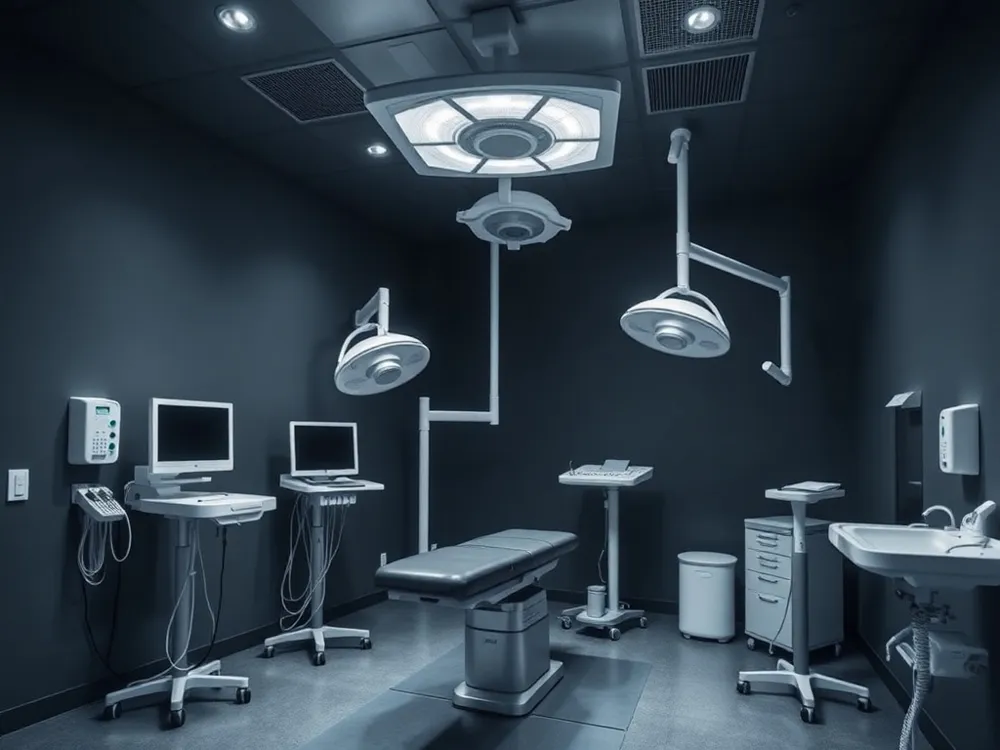
Statistical Advantages of MIS
Minimally invasive foot surgery (MIS) consistently lowers wound‑infection rates by up to 50 % compared with open approaches, reduces intra‑operative blood loss, and shortens operative times. In bunion MIS, patients require an average of only two pain pills postoperatively, reflecting significantly less pain.
Recovery Timelines
Many patients can bear weight immediately after forefoot MIS, transition to regular shoes within 4–6 weeks, and achieve full functional recovery in 6–12 weeks. For fracture‑related MIS, return to daily activities typically occurs within 6–8 weeks.
Learning Curve and Mentorship
Surgeons require 35–40 cases to reach proficiency in MIS hallux valgus correction (Baumann 2023; Lewis 2023, with operative and fluoroscopy times decreasing while complication rates remain low. The 2025 APMA panel emphasized structured training, cadaver labs, and ongoing mentorship—especially for complex fusions and calcaneal work—to safely adopt MIS techniques.
Long‑Term Outcome Gaps
Although short‑term data for MIS are robust, longitudinal studies are still needed to confirm durability of newer procedures such as percutaneous tarsometatarsal fusions. Ongoing comparative research will refine patient selection and technique standards.
Putting the Patient First: Evaluation, Selection, and Holistic Recovery
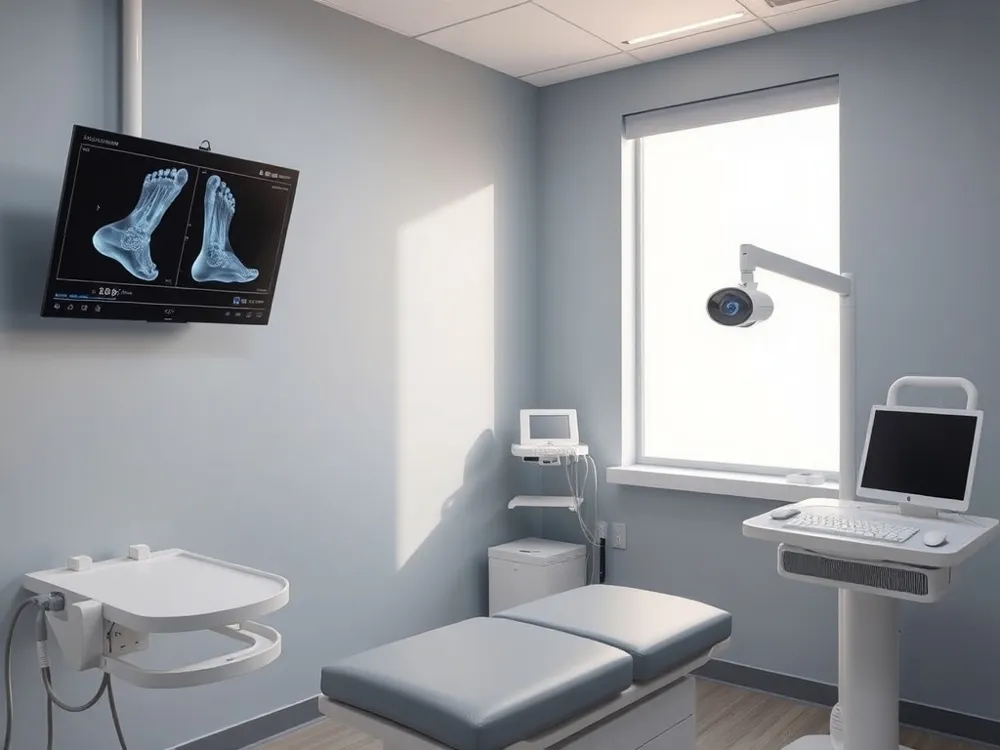
Comprehensive Pre‑operative Work‑up and Patient Selection
The evaluation begins with gait analysis, weight‑bearing X‑rays, and advanced imaging (CT/MRI) for complex deformities. Vascular assessment is critical for diabetic or elderly patients. Ideal candidates have mild‑to‑moderate deformities, failed conservative care, and a desire for faster recovery. Contraindications include severe osteoporosis, massive calcaneal spurs, or extensive joint instability.
Insurance, Cost, and Adjunctive Therapies
Many insurers now cover minimally invasive surgery (MIS) when medically necessary. Although upfront equipment costs are higher, total care costs often decrease due to fewer complications and quicker return to work. Post‑operative adjuncts—compression socks, low‑level laser therapy, PRP or amniotic injections, structured physical therapy, an anti‑inflammatory diet, and mental wellness support—optimize healing.
Real‑World Success Stories
Clinics such as North Texas Podiatry Associates, Hall Podiatry, and Stride Forward Podiatry illustrate how outpatient MIS achieves same‑day discharge, minimal scarring, and rapid functional gains. These examples demonstrate that individualized, holistic care can convert fear and prolonged disability into quick pain relief and restored activity.
The Future of Minimally Invasive Podiatry at Advanced Foot Care IL

Emerging Innovations – Robotics, AI, and 3D‑Printed Instruments
Next‑generation robotic arms and AI‑driven intra‑operative navigation are poised to make foot surgery even more precise. These systems, combined with fully 3‑D‑printed patient‑specific instruments, will allow surgeons at Advanced Foot Care IL to plan and execute corrections through incisions smaller than ever before—reducing recovery time while improving accuracy.
Research Pipeline – Comparative Trials and Long‑Term Registries
Ongoing comparative trials, such as those discussed at the 2025 APMA round‑table, are tracking hallux valgus recurrence rates and hardware‑removal needs after MIS. Longitudinal registries and biomechanical studies on percutaneous flat‑foot reconstructions will further refine patient selection and technique, ensuring that our practice remains at the forefront of evidence‑based care.
Commitment to Education – In‑House Fellowship and Tele‑Mentoring
Advanced Foot Care IL invests in a dedicated in‑house MIS fellowship, quarterly cadaver workshops, and tele‑mentoring partnerships with leaders such as Dr. Aiyer (Johns Hopkins) and Dr. Bernstein (Hudson Regional). These programs ensure our team masters the steep MIS learning curve and continuously adopts the latest methods.
Community Outreach – Free Consultations and Transparent Pricing
Following the direct‑pay model pioneered by Dr. Joel Foster, we offer free MIS consultation clinics, patient‑education webinars on recovery timelines, and transparent pricing. This approach empowers patients to make informed decisions without insurance constraints, speeding access to advanced care.
Bottom Line
MIS has evolved from a niche technique into the backbone of modern podiatric surgery, delivering superior cosmetic, functional, and economic outcomes for a wide range of foot and ankle pathologies.
Our Northwest Chicago and South Florida clinics combine the latest technology with expert training. This allows podiatrists to safely repair Achilles tendons, correct bunions, treat hammertoes, and perform complex fusions through incisions that are a fraction of the size of traditional surgery. Patients who choose this approach benefit from faster healing, less pain, and a quicker return to the activities they love—whether walking the dog, running a marathon, or simply slipping into sandals.