Introduction
Onychomycosis, a common fungal infection of the nail plate and bed, affects up to 10% of adults and can cause thickening, discoloration, and discomfort. Traditional treatments—topical creams and oral antifungals—often have limited nail or systemic side effects, prompting interest in laser therapy. Modern lasers, such as 1064‑nm Nd:YAG and fractional CO₂ devices, deliver photothermal energy that heats and destroys fungal cells while sparing surrounding tissue, offering a minimally invasive, painless option with sessions lasting 10‑30 minutes. At Advanced Footcare, we employ a protocol of two to four laser sessions spaced 4‑6 weeks apart, combined with topical antifungal creams to improve cure rates. Patients are advised on post‑procedure foot hygiene, nail trimming, and wearing breathable footwear to support healthy regrowth, which may take 3‑6 months for fingernails and 12‑18 months for toenails.
Cost, Insurance, and Treatment Timeline
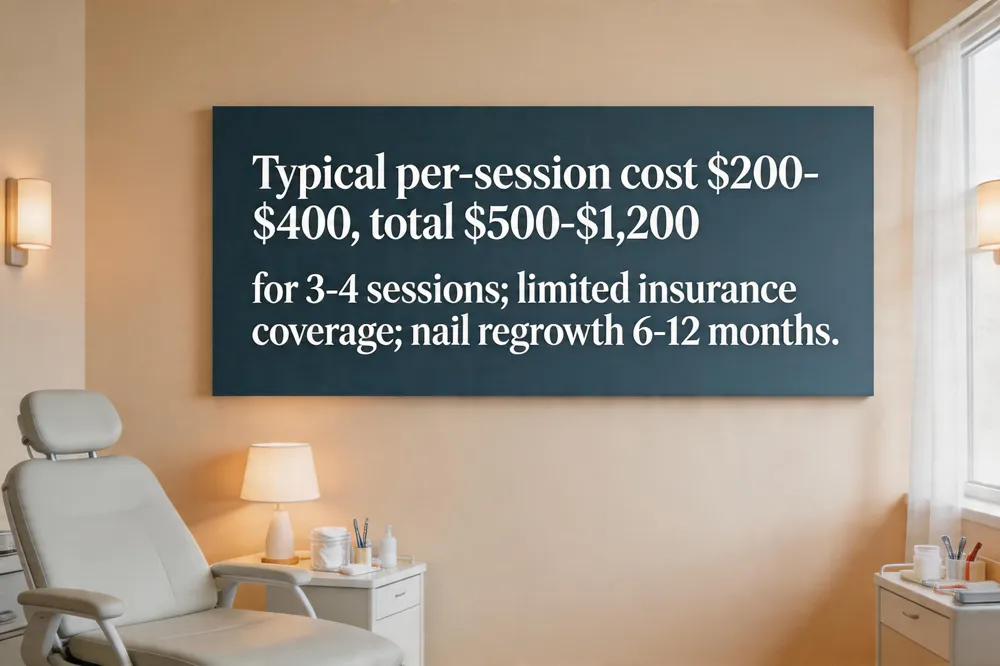 Laser therapy for onychomycosis typically costs $200‑$400 per session, with most patients needing 3‑4 treatments; a full course therefore ranges from $500 to $1,200, depending on infection severity, number of nails, laser type (e.g., 1064 nm Nd:YAG, PinPointe) and clinic location (higher in metropolitan areas such as Chicago or South Florida). Because the procedure is classified as a cosmetic adjunct, most insurance plans—including Medicare and major commercial carriers—do not cover it, though many practices offer financing or payment‑plan options and may provide a detailed cost estimate before treatment.
Patients usually experience the first visible improvement within 2‑3 months as healthy nail growth pushes out the infected portion. Complete regrowth of a toenail takes 6‑12 months (fingernails 3‑6 months) because nails grow only about 1‑2 mm per month. Adjunctive topical antifungals and diligent foot hygiene improve outcomes and help prevent recurrence during the growth phase.
In summary, expect a per‑session price of $200‑$400, a total investment of $500‑$1,200 for a typical 3‑4 session protocol, limited insurance coverage, and a nail‑regrowth timeline of 6‑12 months to achieve full cosmetic and clinical cure.
Choosing the Right Laser Technology
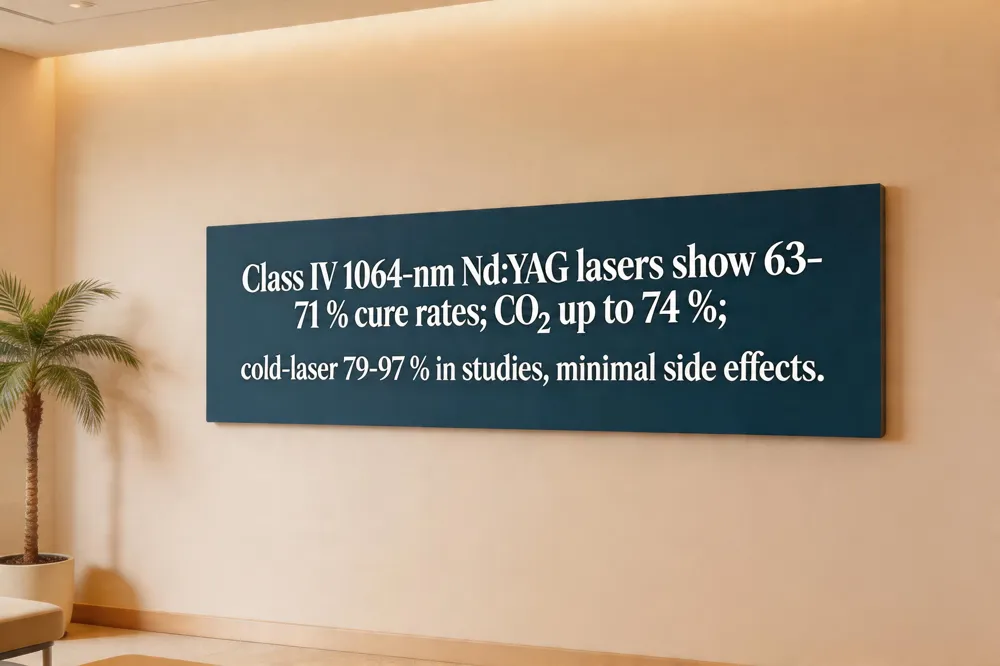 Laser therapy for onychomycosis relies on selective photothermolysis that destroys fungal cells while sparing surrounding tissue. Class IV high‑power lasers, most commonly the 1064‑nm Nd:YAG system, penetrate the nail plate and matrix, delivering heat that denatures fungal proteins. Clinical meta‑analyses report mycological cure rates of 63 %–71 % for Nd:YAG devices, with CO₂ lasers achieving up to 74 % and perforated CO₂ up to 95 % in some studies. FDA‑cleared systems such as Medlight, PinPointe™ FootLaser®, and the GenesisPlus Nd:YAG are cleared for the temporary increase of clear nail growth and are widely used in podiatry clinics. Newer low‑power (cold‑laser) devices combine gentle photochemical effects with vascular stimulation, offering a painless option for patients who cannot tolerate systemic medication. Across all platforms, adverse events are minimal—typically transient warmth, mild erythema, or brief discomfort—making laser therapy a safe alternative for individuals with liver disease, diabetes, or pregnancy.
Best laser treatment for toenail fungus – Class IV Nd:YAG lasers (e.g., FDA‑cleared Remy or PinPointe™) provide the highest cure rates (≈70 %) with a standard protocol of 3–4 sessions spaced 4–6 weeks apart.
Best laser treatment for nail fungus – Cold‑laser systems (e.g., Lunula Cold Laser) use low‑energy diode beams (405 nm & 640 nm) to weaken fungi and boost local circulation, reporting clearance rates of 79 %–97 % after 4 weekly sessions, with no heat‑related side effects.
Professional nail fungus laser treatment device – The Lunula Laser® is an FDA‑cleared, prescription‑only device that delivers painless, heat‑free therapy across all five toes in 12‑minute sessions, typically requiring 4–6 visits. It is offered by podiatry practices such as Advanced Foot Care in Northwest Chicago and South Florida.
Efficacy, Pros & Cons, and Home Devices
 Pros and cons of laser treatment for toenail fungus
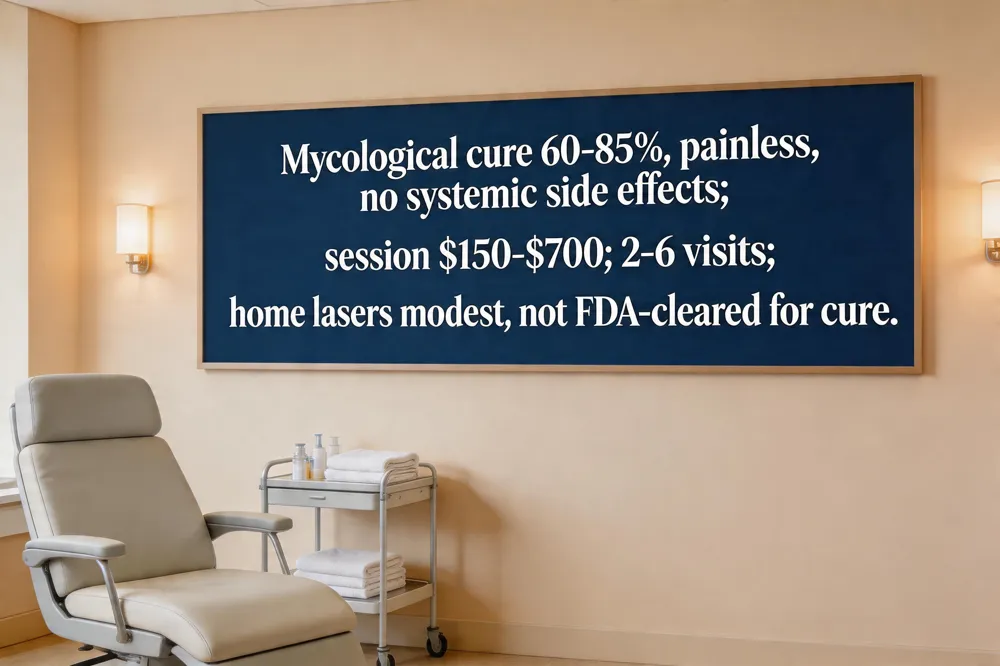
Laser therapy delivers focused light that heats and destroys fungal cells within the nail plate and bed, achieving mycological cure rates of roughly 60‑85 % in clinical series. It is minimally invasive, painless (a mild warming sensation), and completed in 15‑30 minutes with no downtime. Systemic side effects are absent, making it attractive for patients with liver disease, pregnancy, or drug interactions. However, each session costs $150‑$700, multiple visits (2‑6) are usually required, and cure rates vary widely (30‑70 %). Long‑term relapse rates can be high without diligent foot hygiene.
Is laser treatment for toenail fungus worth it?
For patients who cannot tolerate oral antifungals or prefer a drug‑free option, laser therapy can improve nail appearance and may be worth a trial. Yet, evidence shows inconsistent sustained cures; oral terbinafine still offers higher definitive cure rates despite potential hepatic risk. Decision‑making should weigh health status, budget, and willingness to attend several appointments.
Laser treatment for toenail fungus reviews
Patients often report clearer, smoother nails after 2‑4 sessions, especially when performed by experienced podiatrists. The procedure is praised for safety and convenience. Nevertheless, many reviews note recurrence if proper post‑care (dry feet, antifungal powders) is neglected, and outcomes depend on infection severity and laser type.
Do home nail fungus lasers work?
Consumer‑grade at‑home lasers are FDA‑cleared only for cosmetic improvement. They emit lower energy than professional Nd:YAG or CO₂ devices and rarely achieve complete, lasting eradication. Results are modest and variable; thick or advanced infections usually need clinician‑guided therapy.
Laser treatment for nail fungus at home
Laser treatment for on fungus (onychomycosis) uses focused light energy but cannot reliably cure onychomycosis. For thick, painful, multi‑nail, or diabetic cases, professional laser treatment combined with topical or oral antifungals remains the most effective strategy.
Procedure Details and After‑Care Expectations
 Session experience and sensation
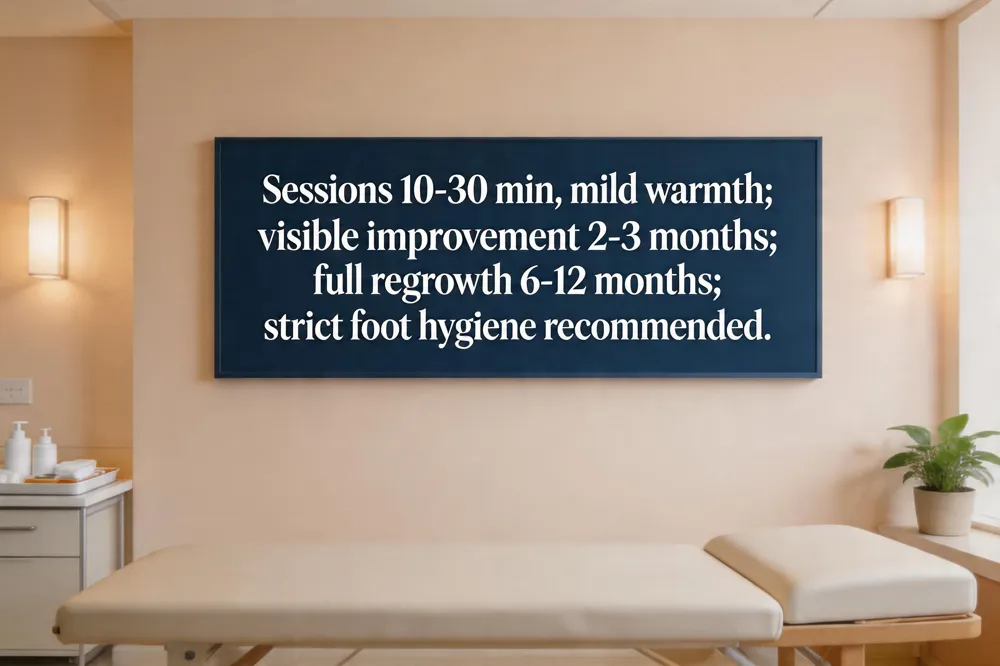
A typical laser session lasts 10–30 minutes per foot. Patients feel a mild warming or pin‑prick sensation; no anesthesia is required, and the procedure is painless for most.
Session experience and sensation
A typical laser session lasts 10–30 minutes per foot. Patients feel a mild warming or pin‑prick sensation; no anesthesia is required, and the procedure is painless for most.
Nail regrowth and appearance Laser energy destroys fungal cells while leaving the nail plate intact. The infected nail does not fall off; instead a healthy nail gradually grows from the cuticle. Visible improvement appears within 2–3 months, with full regrowth of a clear, pink‑white nail taking 6–12 months for toenails (3–6 months for fingernails).
Post‑treatment foot hygiene Keep feet clean and dry, wear breathable shoes, change socks daily, and avoid public showers or pools for a few weeks. Apply any prescribed topical antifungal cream as directed, trim nails regularly, and use antifungal foot powders to reduce recurrence.
Local clinic locations Advanced FootCare provides FDA‑cleared laser therapy at our Northwestern Chicago and South Florida offices. Both sites offer board‑certified podiatrists, quick outpatient sessions, and customized after‑care plans.
FAQ
- Do toenails fall off after laser for fungus? No. The nail stays attached; healthy growth replaces the infected portion over months.
- What do toenails look like after laser treatment? Initially unchanged thickness/color; gradually a smoother, normal‑colored nail emerges as it grows out.
- Toenail fungus laser treatment near me – Find us in Northwest Chicago or South Florida for a fast, minimally invasive solution.
- Laser treatment for nail fungus near me – Same locations; schedule a consultation to start your personalized plan.
Finding Expert Care and Professional Guidance
 Laser therapy for toenail fungus is offered at specialty podiatry clinics such as Advanced Footcare, which operates offices in Northwest Chicago and South Florida. Their board‑certified foot and ankle surgeon uses FDA‑cleared Nd:YAG or CO₂ lasers in quick, painless sessions (≈10‑30 minutes) and creates individualized treatment plans that often include 2‑4 sessions spaced 4‑6 weeks apart, with financing options for out‑of‑pocket costs.
The Mayo Clinic acknowledges laser treatment as a possible adjunct when conventional oral or topical antifungals are contraindicated, but notes limited high‑quality evidence of lasting cure; the clinic typically favors oral terbinafine or itraconazole as first‑line therapy.
Patient reviews are mixed: many report clearer nails and minimal discomfort, especially when combined with topical antifungals, yet recurrence rates of 30‑40 % are common without diligent foot hygiene.
Insurance rarely covers laser nail,fungus therapy, as most plans label it cosmetic or investigational. Patients should verify coverage, request CPT codes (e.g., 17999 or 96999), and discuss alternative reimbursable treatments with their podiatrist.
Conclusion
Laser therapy offers a minimally invasive alternative for onychomycosis, delivering concentrated light that selectively heats and destroys fungal cells while sparing surrounding tissue. Clinical data show mycological cure rates ranging from 30 % to 70 % (average ≈63 %) and clinical improvement in 30 %–55 % of patients, with CO₂ and long‑pulse 1064 nm Nd:YAG lasers achieving the most favorable outcomes. The procedure is generally painless, requires 2–4 sessions spaced 4–6 weeks apart, and costs $150–$700 per visit, often classified as cosmetic and uninsured. Patients should weigh the modest cure rates, need for multiple sessions, and potential recurrence against the safety advantage of avoiding systemic drug side effects. Before deciding, a thorough evaluation by a board‑certified podiatrist or dermatologist is essential: confirmation of fungal infection, assessment of nail thickness, comorbidities, and discussion of adjunctive topical or oral therapies to maximize success.