

Why Nail Fungus Matters
Onychomycosis, a chronic fungal nail infection, affects about 10% of the U.S. population, with higher rates in older adults and those with diabetes. Despite its prevalence, many patients rely on over‑the‑counter creams or home remedies that lack evidence of penetrating the nail plate to reach the infection. This misconception often delays effective, evidence‑based care, allowing the infection to worsen and spread.
Understanding Onychomycosis: Causes and Risk Factors
What causes nail fungus?
Onychomycosis, or nail fungus, is primarily caused by dermatophyte fungi, most commonly Trichophyton rubrum. Yeasts like Candida albicans and non-dermatophyte molds can also be responsible. These organisms thrive in warm, moist environments, making footwear a common exposure source.
Environmental and host factors
Several factors increase vulnerability. Advanced age, diabetes, poor circulation, and a weakened immune system are key host risks. Nail trauma, occlusive footwear, and excessive sweating create entry points and a favorable environment for the fungus to flourish.
Transmission and reinfection pathways
Fungal spores are resilient and survive on contaminated surfaces like locker-room floors, towels, and nail clippers. Reinfection is common; up to 30% of patients experience relapse within two years. Often, an untreated athlete's foot infection acts as a reservoir, causing the nail fungus to recur. Both conditions must be treated simultaneously to prevent this cycle.
Rapid‑Acting Options: Oral Antifungals vs. Topical Creams

What kills toenail fungus quickly?
Prescription oral antifungal medications are typically the fastest option for clearing a fungal nail infection. Terbinafine and itraconazole work systemically, reaching the nail bed through the bloodstream to stop fungal growth. While they do not work instantly, these medications often clear the infection over 6 to 12 weeks as the healthy nail grows out. Cure rates for oral terbinafine are high, with approximately 76% of patients fungus-free after one year, compared to 17% without treatment. Itraconazole is less effective, with about 43% clearance at one year, but still significantly outperforms no treatment.
How effective are prescription topical agents?
Prescription topical agents like ciclopirox, efinaconazole, and tavaborole are applied directly to the nail surface but face a major limitation: poor penetration through the thick, dense nail plate. This barrier results in modest efficacy. Ciclopirox nail lacquer, for instance, has a complete cure rate of less than 12%. Efinaconazole is two to three times more effective than ciclopirox but still achieves complete clearance in roughly 15–30% of cases. These agents are best suited for mild, superficial infections or as part of a combination therapy with laser or oral medication.
What about treatment duration and patient adherence?
Oral antifungals require a relatively short treatment course of 6–12 weeks, improving patient adherence. In contrast, topical creams and lacquers demand daily application for 48 to 52 weeks to see noticeable results. This prolonged regimen often leads to non-adherence and reduced effectiveness. Laser therapy, while not a focus here, offers a middle ground with fewer sessions required. Ultimately, the fastest and most effective option for moderate to severe onychomycosis remains oral medication, though topical agents have a role for mild infections or when oral drugs are contraindicated.
| Treatment | Mechanism | Typical Duration | Cure Rate |
|---|---|---|---|
| Oral Terbinafine | Systemic, reaches nail bed via blood | 6–12 weeks | ~76% at 1 year |
| Oral Itraconazole | Systemic | 6–12 weeks | ~43% at 1 year |
| Ciclopirox topical | Direct application, limited penetration | 48–52 weeks | <12% |
| Efinaconazole topical | Direct application, higher penetration | 48–52 weeks | ~15–30% |
Laser Therapy: Mechanism, Efficacy, and Timeline
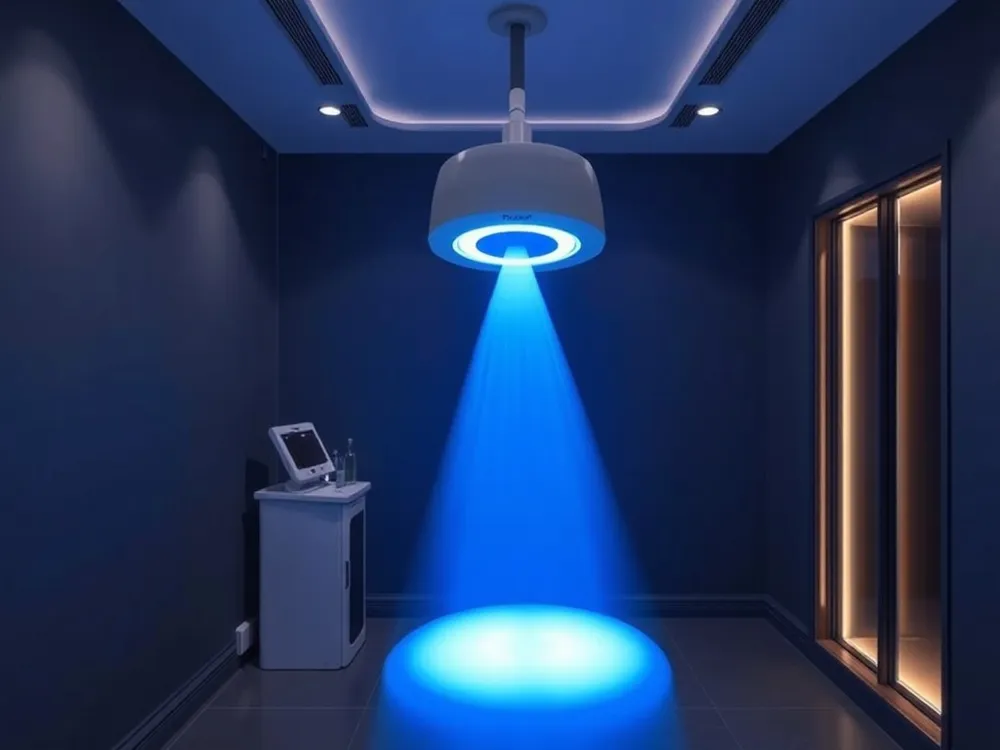 Laser therapy for onychomycosis relies on selective photothermolysis. In this process, specific wavelengths of light, commonly 1064-nm Nd:YAG or 810-nm diode lasers, are absorbed by fungal pigments. The light energy converts to heat, raising the temperature of the fungal cells to a destructive level (40º-60ºC) while sparing healthy surrounding tissue. This targeted heating disrupts the fungal cell wall and metabolism.
Clinical Efficacy and Cure Rates
Clinical studies report highly variable outcomes. Complete clearance rates after laser treatment typically range from 30% to 80%, depending on the device and protocol used. Many patients experience partial improvement, with up to 80% of treated nails showing some cosmetic or mycological benefit. A 2024 systematic review and meta-analysis found laser therapy comparable to oral terbinafine in achieving mycological cure, with fewer adverse events.
Standard Treatment Protocol
A typical laser protocol involves 3 to 4 sessions spaced 4 to 6 weeks apart. Each session lasts 15 to 30 minutes. The procedure is painless and requires no downtime, making it convenient for patients. Combination therapy, where laser is paired with a topical or oral antifungal, often yields higher success rates.
Timeline for Visible Results
Laser treatment kills the fungus immediately, but visible improvement depends on natural nail regrowth. Patients typically notice changes within 3 to 6 months. Complete results, with a fully clear nail, can take 9 to 12 months for toenails due to their slow growth rate. Recurrence remains common, with up to 30% of patients experiencing reinfection within two years.
Cost, Coverage, and Practical Considerations

What is the typical cost of laser treatment for toenail fungus?
Professional laser treatment for toenail fungus usually costs between $1,000 and $1,200 for a full course. A single session ranges from $200 to $400, with most patients needing 3 to 4 treatments for optimal results. This total expense is comparable to a year-long prescription of topical lacquers like Jublia but is higher than a standard course of generic oral terbinafine. The final cost varies based on clinic location, infection severity, and your insurance plan’s coverage.
Does insurance cover laser treatment for toenail fungus?
No, laser treatment for toenail fungus is generally considered a cosmetic procedure and is not covered by most insurance plans or Original Medicare. Medicare Part B only covers medically necessary podiatry services, such as treating diabetic foot conditions or injuries. While some Medicare Advantage plans may offer limited additional benefits, laser fungus therapy remains elective. It is essential to check with your specific provider and the podiatry office to confirm your out-of-pocket costs before scheduling.
Does Medicare pay for podiatrists for diabetics?
Yes. Medicare Part B covers podiatry services for diabetics with nerve damage (neuropathy) or medically necessary foot care. This includes one annual foot exam for diabetics with lower-leg neuropathy to prevent limb loss. However, routine care like nail trimming remains uncovered. Coverage specifics depend on your condition, so confirming with your podiatrist before treatment is important.
| Treatment Option | Average Cost | Typical Duration | Insurance Coverage |
|---|---|---|---|
| Laser Therapy (full course) | $1,000 - $1,200 | 3-4 sessions | Rarely covered (cosmetic) |
| Prescription Topical Lacquer (e.g., Jublia) | $750 - $1,000 | 48-52 weeks | Varies by plan |
| Oral Terbinafine (generic) | $100 - $300 | 12 weeks | Often covered with prescription |
Choosing the Right Approach: Professional Guidance and Prevention

Do home nail fungus lasers work?
At-home nail fungus lasers are not a reliable primary treatment. These devices are FDA-cleared only for temporary improvement in nail appearance, not for eradicating the infection. Clinical evidence for a complete and lasting cure is weak, and results are often inconsistent. Factors like nail thickness, infection severity, and a lack of standardized protocols contribute to high recurrence rates. Most podiatrists do not recommend home lasers, as their efficacy is limited compared to prescription antifungals or professional laser therapy. Consulting a podiatrist remains the best approach for consistent, evidence-based results.
Is laser treatment for toenail fungus worth it?
Laser treatment can be an option for mild cases or when oral antifungals are not suitable, but it does not guarantee a permanent cure. According to UCLA Health, while laser may initially improve the nail’s appearance, the infection often returns even after multiple treatments. The evidence is mixed, and sustained results are elusive, much like other treatments. Many patients see recurrence, so it’s important to weigh the cost and efficacy against alternatives. Consulting a podiatrist is recommended to determine the best approach based on your individual situation.
What are the drawbacks of laser therapy for foot conditions?
Common drawbacks of laser therapy include temporary swelling, redness, irritation, or possible hyperpigmentation. Some downtime may be required, and multiple sessions are typically necessary to achieve optimal results, increasing overall cost and time commitment. For nail fungus, recurrence remains a key limitation, as the laser may not eliminate all fungal spores. Individuals with darker skin tones face a higher risk of hyperpigmentation, making careful patient selection and expert technique essential.
Will my toenail fall off after laser treatment for fungus?
No, your toenail will not fall off as a result of laser treatment for fungus. The laser light passes through the nail and targets fungal pigment, heating and killing the organisms without harming living tissue. Patients can walk out immediately with no lasting pain. After treatment, the existing infected nail remains in place while new clear growth emerges from the nail bed—typically taking at least 3 months to show improvement. The old damaged nail is gradually pushed out over 6 to 12 months as the healthy nail replaces it.
Patient selection and combination therapy
Optimal patient selection is critical. Laser therapy is most effective for localized infections of the nail plate and matrix, while extensive subungual infection may still require systemic therapy. Combination therapy—using laser treatment together with topical or oral antifungals—has shown higher efficacy in some trials, achieving cure rates up to 70% compared to either modality alone. The laser can disrupt the nail plate, potentially improving drug delivery to the nail bed.
Preventive foot hygiene to limit recurrence
Recurrence of onychomycosis is common, with up to 30% of patients experiencing relapse within 2 years regardless of treatment modality. Preventive foot hygiene is essential to maintain results and includes keeping feet clean and dry, wearing breathable shoes, changing socks daily, using antifungal powder, and wearing flip-flops in public locker rooms or pool areas.
Where can I get professional laser treatment for nail fungus?
Professional laser treatment is widely available at specialized podiatry clinics and foot-care centers. Advanced Foot Care IL, with convenient locations in NW Chicago and South Florida, offers advanced, minimally invasive laser therapy using state-of-the-art technology. This treatment is safe, painless, and requires no downtime, with most patients experiencing visible improvement as the nail grows out. Unlike oral medications, laser therapy has no risk of liver toxicity or drug interactions. While insurance typically does not cover the procedure, many clinics offer affordable payment options.
Choosing a treatment path
The choice between topical, oral, and laser therapy should be individualized based on infection severity, patient health, and preference. A table summarizing these key differences is provided below for quick reference.
| Treatment Modality | Efficacy (Cure Rates) | Key Advantages | Key Drawbacks |
|---|---|---|---|
| Topical Antifungals | 5–40% | No systemic side effects, low cost, easy to apply | Poor nail penetration, requires daily application for months, low cure rates |
| Oral Antifungals | 50–80% | Highest cure rates, systemic action | Risk of liver toxicity, drug interactions, requires monitoring |
| Laser Therapy | 30–70% | Non-invasive, no systemic side effects, minimal downtime | Variable efficacy, multiple sessions needed, high cost, limited insurance coverage |
| Combination (Laser + Medication) | Up to 80% | Higher efficacy than either modality alone | Higher upfront cost, requires multiple treatment types |
Bottom Line: Laser vs. Creams
Efficacy and Safety Comparison
Laser therapy achieves higher cure rates than topical creams. Clinical studies report laser success ranging from 30% to 80%, while topical agents typically clear only 5% to 15% of infections. Laser treatment is also safe, with minimal side effects like mild warmth or temporary nail discoloration, whereas creams risk skin irritation and often fail due to poor nail penetration.
Individualized Treatment Planning
No single treatment fits all patients. Laser works well for those with contraindications to oral antifungals, such as liver disease or pregnancy. Topical agents may suffice for mild, superficial infections. A podiatrist should assess nail thickness, infection extent, and patient health before recommending a modality.
Sustaining Results
Both treatments require preventive foot hygiene to maintain clearance. Keeping nails trimmed, wearing breathable footwear, and using antifungal powders reduce reinfection rates. Even after successful laser therapy, recurrence can occur if moisture and risk factors are not controlled.
| Treatment | Typical Cure Rate | Safety Profile | Key Limitation |
|---|---|---|---|
| Laser | 30%–80% | Mild warmth, rare discoloration | Higher cost, multiple sessions |
| Topical Creams | 5%–40% | Skin irritation in some patients | Poor nail penetration, long use |
| Combination | Up to 80% | Depends on modalities combined | Requires professional coordination |
Bottom Line
Laser therapy offers a safe, effective alternative to topical creams, especially for moderate-to-severe infections or when oral medications are not an option. However, topical agents remain useful for mild cases. Individualized planning and consistent foot care are essential to achieve and sustain clear nails.