Rethinking Foot Surgery: More Than Just Smaller Scars
Rethinking Foot Surgery: More Than Just Smaller Scars
Traditional foot surgery has long been associated with apprehension. Patients commonly anticipate extended periods of immobilization, weeks on crutches, and intense postoperative discomfort. Conventional open procedures typically require incisions measuring several inches, which necessitates significant dissection of muscles, tendons, and ligaments to access the affected area. This extensive tissue trauma not only amplifies postoperative swelling and inflammation but also disrupts local blood circulation, ultimately prolonging the healing timeline. Many individuals delay seeking surgical intervention due to the belief that recovery will severely disrupt their daily routines and require prolonged dependence on assistive devices.
Minimally invasive foot surgery (MIS) has fundamentally altered this landscape. By utilizing incisions that are often just a few millimeters in length, surgeons can now access bones, joints, and soft tissues with minimal disruption to surrounding structures. The technique relies on highly specialized instruments and real-time imaging, such as fluoroscopy, to navigate the surgical site with precision. Instead of large cuts, surgeons make small portals that preserve the integrity of healthy tissues while allowing for accurate correction of deformities. This targeted approach conserves the local blood supply, which plays a crucial role in accelerating tissue regeneration and reducing overall surgical trauma.
While the reduction in visible scarring and the acceleration of tissue healing are frequently highlighted, the clinical advantages of MIS extend far beyond these cosmetic and timeline improvements. Many patients are surprised by how rapidly they can resume basic mobility and how significantly their postoperative pain levels drop. The following points detail the unexpected benefits that modern podiatric surgery offers.
Immediate Weight-Bearing and Ambulation
One of the most notable shifts in patient experience is the ability to walk shortly after the procedure. Traditional bunion or hammertoe corrections typically mandate several weeks of non-weight-bearing status, forcing patients to rely on wheelchairs, crutches, or scooters. In contrast, MIS protocols often permit patients to bear weight within the first 24 to 48 hours. Wearing a protective surgical boot, individuals begin walking immediately, which promotes healthy circulation, prevents muscle atrophy, and helps maintain proper joint alignment. This early mobilization drastically reduces the logistical burden of recovery.
Drastically Reduced Medication Dependence
Because the surgical trauma is minimized, the inflammatory response in the body is significantly lowered. Patients frequently report mild discomfort rather than severe pain, which translates into a much lower reliance on prescription analgesics. Traditional methods often require opioids to manage intense postoperative pain, carrying risks of drowsiness, constipation, and general discomfort. With MIS, over-the-counter pain relievers are frequently sufficient, allowing patients to maintain their cognitive clarity and manage household or work responsibilities without significant interruption.
Precision-Guided Treatment
The use of advanced imaging technology during MIS allows surgeons to pinpoint the exact source of pain, whether it involves nerve compression, bone spurs, or damaged cartilage. This precision ensures that only the affected tissue is addressed while healthy anatomy remains untouched. Such targeted intervention improves the likelihood of successful outcomes and minimizes the risk of inadvertent nerve injury or tendon adhesion. Patients often experience not only pain relief but also a restoration of natural foot mechanics, which enhances balance and stability when walking or standing.
Streamlined Outpatient Experience
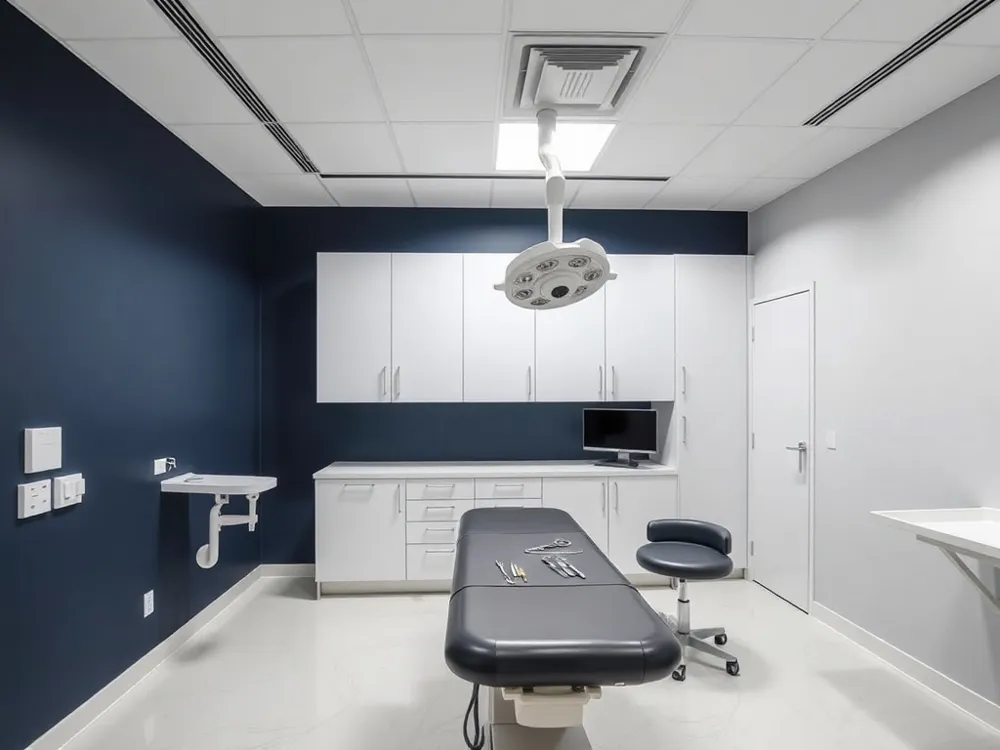
MIS procedures are predominantly performed in ambulatory surgery centers or specialized in-office suites on an outpatient basis. The surgeries typically last between 30 minutes and two hours and utilize local anesthesia or ankle-block techniques rather than general anesthesia. This approach eliminates the stresses and costs associated with overnight hospital stays. Patients can return home the same day, streamlining the recovery environment and reducing the risk of hospital-acquired infections. The controlled setting also allows for personalized postoperative care plans that align with each patient's specific lifestyle and occupational demands.
| Treatment Aspect | Traditional Open Surgery | Minimally Invasive Surgery (MIS) | Patient Impact |
|---|---|---|---|
| Incision Size | 2–3 inches | 3–5 millimeters | Reduced scarring and trauma |
| Weight-Bearing Status | Non-weight-bearing for weeks | Immediate weight-bearing in boot | Faster independence and mobility |
| Pain Management | High reliance on prescription opioids | Primarily over-the-counter medication | Improved daily functioning and fewer side effects |
| Operating Environment | Hospital or large surgery center | Ambulatory or in-office surgical suite | Lower costs and same-day discharge |
| Tissue Preservation | Extensive dissection of muscles and tendons | Targeted instrument access | Preserved blood flow and faster tissue healing |
| Anesthesia Type | General or heavy sedation | Local anesthesia with mild sedation | Reduced systemic risks and quicker wake-up |
The cosmetic outcomes of these procedures also surpass expectations. The minute incisions heal rapidly and often fade into barely visible marks. This subtle aesthetic result is particularly advantageous for individuals who wear open-toe footwear or who are sensitive to visible surgical marks. Patients frequently note that the visual appearance of their recovery supports their confidence and willingness to engage in social or recreational activities sooner than anticipated.
Furthermore, the preservation of surrounding anatomy during MIS protects long-term joint health. By avoiding extensive bone work and large internal dissections, the procedure minimizes the formation of excessive scar tissue and adhesions. This preservation helps maintain natural range of motion and reduces the likelihood of developing secondary stiffness or chronic joint pain. Patients often emerge from recovery with enhanced foot flexibility, allowing them to participate in light athletic pursuits or prolonged standing without the discomfort that characterized their pre-surgical state.
Recovery protocols for MIS are also notably simpler. The reduced tissue damage means that postoperative care largely involves basic elevation, icing, and consistent boot wear. Many patients find that following these straightforward instructions effectively manages swelling and accelerates healing. Physical therapy requirements are often less intensive, focusing on gentle range-of-motion exercises to prevent stiffness rather than extensive rehabilitative stretching. This simplicity makes the recovery period less burdensome and encourages better compliance with medical guidelines.
Ultimately, minimally invasive foot surgery redefines patient expectations by prioritizing functional recovery and comfort. The combination of tiny incisions, precise imaging, and early mobilization creates a surgical experience that is gentler on the body and less disruptive to daily life. These innovations ensure that individuals suffering from chronic foot pain, deformities, or structural issues have access to effective, long-lasting solutions that align with modern medical standards.
Key Facts: Minimally Invasive Foot Surgery Benefits
- Immediate walking and a faster return to daily life are key due to tiny incisions and minimal tissue trauma.
- Remarkably less pain is reported, often managed with over-the-counter medications instead of prescription narcotics.
- Minimal scarring and a far lower infection risk result from 3-5 mm incisions compared to traditional 2-3 inch cuts.
- Expanded candidacy allows older adults and those with diabetes or poor circulation to undergo surgery safely.
- Versatility in treating multiple conditions like hammertoes and plantar fasciitis with a single, rapid-recovery approach.
- Typical cost ranges from $3,000 to $8,000 nationally, varying by surgeon expertise and location.
- Quick return to work in 1-2 days for desk jobs vs. 4-6 weeks for standing jobs with minimally invasive techniques.
- Modified strength training allowed after 4-6 weeks for light lower body work, with full-impact delayed until 3 months.
- Significant pain relief and improved toe alignment with barely visible scars compared to open surgery.
- Reduced recovery time to 2-3 months for high-impact sports, versus 4-6 months for traditional open surgery.
1. Immediate Walking and Faster Return to Daily Life

What is one of the key benefits of minimally invasive surgery in general?
Patients often begin walking the same day of their minimally invasive foot surgery (MIS) while wearing a protective boot. This is a direct result of the tiny incisions and minimal tissue trauma, which stand in stark contrast to traditional open surgery that usually requires weeks of non-weight-bearing on crutches.
What can I expect during recovery from minimally invasive bunion surgery week by week?
Recovery milestones are significantly accelerated. Within the first weeks, you can start gentle toe range-of-motion exercises. By weeks three to six, you can transition to a supportive shoe and gradually increase walking and light exercise. Most patients return to desk work in just 1–2 weeks. You can typically resume wearing comfortable, normal footwear around the six-week mark.
How long does foot surgery typically take?
Procedures are often completed in under an hour, with patients returning home the same day. Full recovery, including a return to high-impact sports, usually occurs within 2–3 months, rather than the 4–6 months common after traditional open surgery. This quicker return to daily life minimizes disruption to work and personal schedules, making it a surprising advantage for many.
2. Remarkably Less Pain – Often Without Strong Medications
 How painful is recovery from foot surgery?
Minimally invasive foot surgery (MIS) is designed to cause less trauma, which directly results in significantly less postoperative pain. Because the incisions are only millimeters long, there is far less disruption to surrounding muscles, tendons, and ligaments compared with traditional open surgery. This approach lowers the body's inflammatory response and reduces the intensity of pain most patients experience.
How painful is recovery from foot surgery?
Minimally invasive foot surgery (MIS) is designed to cause less trauma, which directly results in significantly less postoperative pain. Because the incisions are only millimeters long, there is far less disruption to surrounding muscles, tendons, and ligaments compared with traditional open surgery. This approach lowers the body's inflammatory response and reduces the intensity of pain most patients experience.
Managing pain with fewer medications
Since the procedure is less traumatic, most patients can control their discomfort with simple over-the-counter pain relievers like ibuprofen or acetaminophen. Many avoid the need for prescription narcotics altogether. This is a major advantage because it reduces common side effects such as drowsiness, nausea, and constipation, making the recovery process more comfortable and easier to manage.
A rapid improvement in the first few days
Pain and swelling typically improve significantly within the first few days after surgery. Patients find that strong pain medication is rarely needed beyond the immediate postoperative period, and many stop all pain relievers by three to six weeks after the procedure. This rapid improvement is a surprising benefit, as many expect a long, painful recovery.
A smoother recovery experience
Lower pain levels help create a more positive surgical experience. Patients can move and bear weight sooner, which aids circulation and speeds healing. Less pain also means fewer complications and a reduced need for follow-up care. The combination of less tissue disruption, lower medication reliance, and faster improvement makes the entire recovery far less daunting than most people anticipate. | Benefit | MIS | Traditional Surgery | | --- | --- | --- | | Postoperative pain | Noticeably lower | Typically higher | | Pain management | Often OTC medication | Often prescription narcotics | | Pain duration | Improves within days; stops by 3-6 weeks | Can persist longer | | Risk of side effects | Lower (fewer narcotics) | Higher (drowsiness, constipation) |
3. Minimal Scarring and a Far Lower Infection Risk

What are the key differences between minimally invasive bunion surgery and traditional surgery?
Minimally invasive foot surgery (MIS) uses tiny incisionsTiny, barely‑visible incisions versus traditional open surgery, typically just 3–5 mm long, compared to the 2–3 inch cuts required for traditional open surgery. These small incisions heal into barely visible scars, offering a clear cosmetic advantage, especially for patients who wear open‑toed shoes or are concerned about their foot’s appearance.
Because the incisions are so small and disrupt far less tissue, the risk of a surgical site infection is significantly lowerLower infection risk with smaller incisions than with traditional open procedures. The limited entry points give bacteria fewer opportunities to enter the body, and the smaller wounds are much easier to keep clean and dry during recovery.
This reduced tissue trauma also leads to faster wound healing and a lower likelihood of complications like wound breakdown or nerve irritation. The combination of superior cosmetic outcomes and a lower infection risk is a surprising, yet powerful, benefit that makes MIS an attractive option for many patients.
| Feature | Traditional Bunion Surgery | Minimally Invasive Bunion Surgery |
|---|---|---|
| Incision Size | 2–3 inches | 3–5 mm (pencil tip) |
| Scarring | Large, noticeable scar | Tiny, barely visible scar |
| Infection Risk | Higher due to larger wound | Significantly lower |
| Tissue Trauma | Extensive dissection | Minimal, targeted |
| Wound Healing | Slower, higher complication risk | Faster, fewer complications |
4. You May Be a Candidate Even If You Weren’t Before
Who is a candidate for minimally invasive bunion surgery?
Traditionally, bunion surgery was often reserved for the most severe cases and younger, healthier patients. The lengthy recovery and higher risks associated with open procedures made it a less attractive option for many. Minimally invasive foot surgery (MIS) has changed this thinking entirely.
Ideal candidates for MIS are those with significant foot pain that limits daily activities and hasn't responded to conservative care. Unlike traditional surgery, MIS can often treat a wide range of bunion severities, from mild to severe deformities. The key advantage is its eligibility for a broader patient population, including those previously deemed unsuitable.
Why might bunion surgery not be recommended?
In the past, bunion surgery was often not recommended for patients with health conditions like diabetes, poor circulation, or for older adults. The higher risks of infection, poor wound healing, and a long, difficult recovery made the procedure too risky.
MIS offers a surprising solution. Because it uses tiny incisions and causes less tissue disruption, the risk profile is significantly lower. Patients with chronic conditions who were previously denied surgery can now find relief, as the lower risk of infection and faster recovery make the procedure safer and more manageable.
Can MIS address other foot problems?
Yes, one of the most surprising benefits of MIS is its versatility. The same advanced, low-impact techniques used for bunions can also effectively treat a range of other common foot problems, including hammertoes, chronic plantar fasciitis, heel spurs, and certain Achilles tendon issues. This means a single, rapid-recovery approach can correct multiple painful conditions.
This expanded eligibility is a significant advantage. It opens the door to effective, long-lasting pain relief for patients who may have previously thought surgery was not an option for their foot issues. Talk to your podiatrist to see if this innovative technique is right for you.
Additional Considerations
| Patient Profile | Traditional Surgery Concerns | MIS Advantage |
|---|---|---|
| Older Adults | Higher risk of complications, longer recovery | Lower risk profile, faster healing |
| Diabetes / Poor Circulation | Poor wound healing, high infection risk | Smaller incisions, preserved blood supply |
| Multiple Conditions | Different procedures for each problem | Single, versatile approach for many issues |
Addressing Common Concerns
What is the typical cost of minimally invasive bunion surgery?
The typical cost for minimally invasive bunion surgery generally ranges from $3,000 to $8,000 nationally. This price can vary significantly based on the surgeon's expertise, facility fees, and geographic location. For instance, in high-cost areas, the average for minimally invasive procedures falls within this range, while more complex open surgeries may cost more. Insurance coverage and out-of-pocket expenses also influence the final price, with many clinics offering financing options to help manage costs. An individualized consultation with a qualified surgeon is recommended for accurate pricing.
What is the typical bunion surgery recovery time off work?
Recovery time off work for bunion surgery varies based on your job type and the surgical technique used. With advanced minimally invasive procedures, desk workers can often return in 1–2 days, whereas traditional methods may require 1–2 weeks. Jobs requiring standing or walking typically need 4–6 weeks off, while heavy physical labor may demand 8–12 weeks for full healing. Modern early-walking approaches allow patients to bear weight immediately in a surgical boot, reducing overall downtime.
What are the expected before and after results of minimally invasive bunion surgery?
Before surgery, patients often experience pain, swelling, and difficulty with footwear. After the procedure, most achieve a straighter toe and reduced discomfort, with the ability to take full weight on the foot immediately. Patients can generally resume light exercise by eight weeks, though impact sports are usually delayed until four months. The result is a significant improvement in both the appearance and function of the foot, allowing a quicker return to daily activities.
Can I strength train after minimally invasive bunion surgery?
You can strength train after minimally invasive bunion surgery, but with important modifications during recovery. In the initial weeks, you must avoid any weight-bearing exercises that put pressure on the bottom of your foot, such as standing lifts or leg presses. Upper body strength training using seated or lying-down machines can often begin earlier. For lower body strength exercises that involve foot pressure, expect to wait at least 4 to 6 weeks for light activities, and up to 3 months for full-impact weight training. Always consult your surgeon before starting any strength routine.
| Concern | Key Takeaway | Additional Details |
|---|---|---|
| Cost | $3,000 - $8,000 nationally | Varies by surgeon, facility, and location. Insurance and financing often available. |
| Time Off Work | 1–2 days (desk) to 12 weeks (labor) | Depends on job type and surgical technique. |
| Results | Pain relief and improved alignment | Quicker return to activities with minimal scarring compared to open surgery. |
| Strength Training | Modified training allowed | 4–6 weeks for light lower body work; 3 months for full-impact. |
Is Minimally Invasive Foot Surgery Right for You?
Is Minimally Invasive Foot Surgery Right for You?
Tiny incisions provide mobility, less pain, low infection risk, and minimal scarring for patients failing conservative treatments. Specialized instruments ensure precise alignment with minimal tissue trauma. Early weight-bearing accelerates functional return to daily activities. Aesthetic outcomes are superior. Insurance coverage often supports these advanced procedures.
| Feature | Advantage | Timeline |
|---|---|---|
| Incision | Millimeter-sized | Immediate |
| Walking | Protective boot | Weeks |
| Healing | Reduced edema | Fast |