Welcome to Advanced Footcare’s Expert FAQ
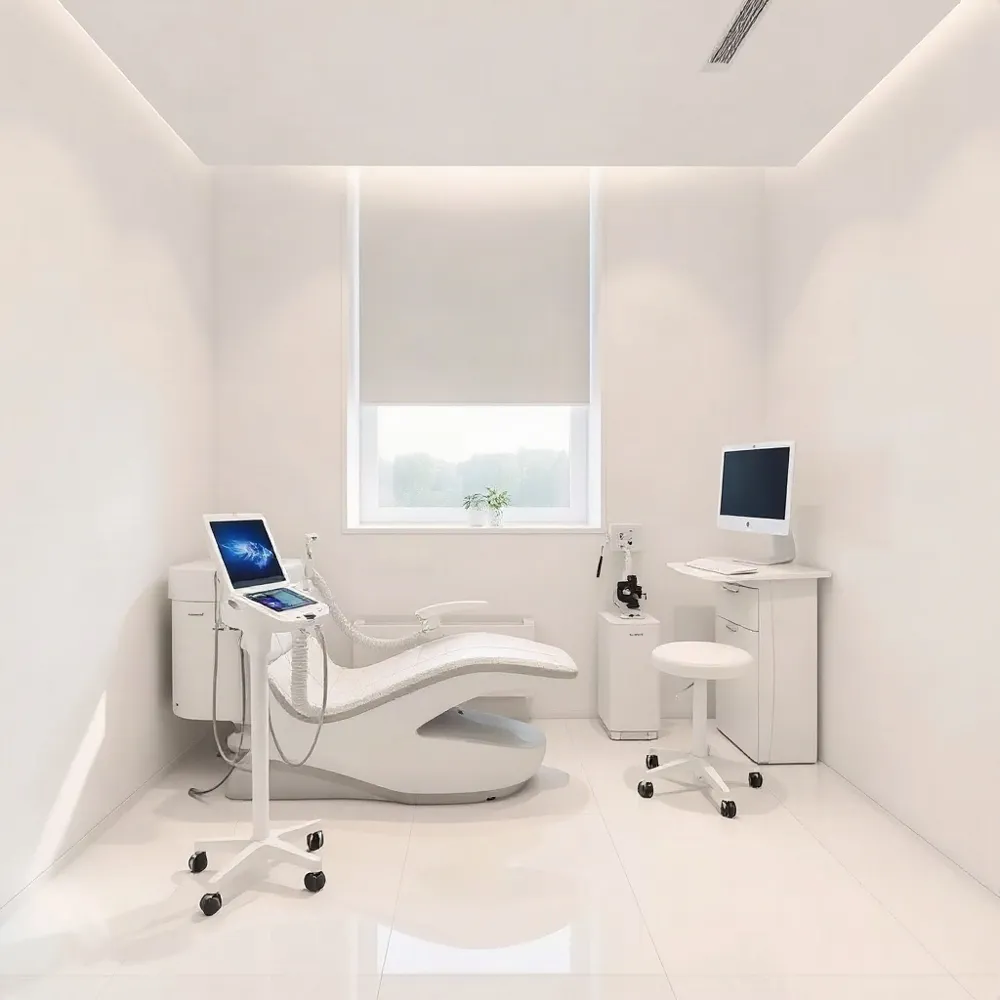
This FAQ exists to give patients clear, evidence‑based answers about foot and ankle health, helping them make informed decisions about treatment and prevention. Board‑certified podiatrists—physicians who have completed a four‑year DPM program, a three‑year residency, and rigorous certification exams—bring the highest level of expertise, ensuring accurate diagnoses, access to advanced minimally invasive technologies such as EPAT shockwave therapy, laser nail treatment, and digital imaging. In the following sections we address the purpose of this guide, why board certification matters for quality care, and we outline the key topics you’ll encounter: common conditions like plantar fasciitis, bunions, hammertoes, diabetic foot complications; innovative therapies and custom orthotics; appointment logistics; insurance, payment options; and tips for optimal foot health. This concise resource empowers you to partner with your podiatrist for better outcomes.
Common Foot Disorders and When to Seek Care
 Foot problems are among the most frequent reasons patients visit a podiatrist. The ten most common foot disorders include plantar fasciitis, Achilles tendinitis, bunions (hallux valgus), hammertoes, flat feet (pes planus), Morton's neuroma, athlete’s foot (tinea pedis), ingrown toenails, diabetic foot ulcers, and ankle sprains. These conditions represent the bulk of foot‑related complaints seen in clinics such as Forsyth Foot & Ankle Associates and Advanced Foot Care Center, where board‑certified podiatrists use advanced imaging, shockwave (EPAT) therapy, and custom orthotics to diagnose and treat patients.
Red‑flag symptoms that should never be ignored are persistent pain that does not improve with rest or OTC measures, sudden changes in skin or nail appearance (thickening, discoloration, peeling, or persistent calluses), and any sign of infection or ulceration—especially in diabetic patients. Numbness, tingling, bruisish or cold toes, difficulty walking, swelling, or shoes that suddenly feel tight may indicate underlying structural issues, tendonitis, nerve compression, or poor circulation. Prompt evaluation can prevent progression to chronic pain, deformity, or serious complications such as amputation.
Understanding Board Certification in Podiatry
 Board certification is a key marker of expertise for podiatrists. It shows that a clinician has completed a rigorous four‑year DPM program, a three‑year CPME‑approved residency, and passed the demanding examinations administered by the American Board of Podiatric Medicine (ABPM) or the American Board of Foot and Ankle Surgery (ABFAS).
Why board certification matters – Certified podiatrists continually meet high standards of knowledge and skill, which translates into better patient outcomes, especially for advanced, minimally invasive procedures such as EPAT shockwave therapy, laser nail treatment, and percutaneous bunion correction.
Key certifying bodies – ABPM awards certification in podiatric medicine; diplomates must renew every ten years through a Continuing Certification program. ABFAS certifies foot and ankle surgeons, requiring successful completion of written and clinical exams and ongoing case‑review recertification.
Verification and recertification – Patients can verify a podiatrist’s status on the ABPM website (Verifications button) or via ABFAS’s primary‑source portal, both of which provide up‑to‑date licensure and board status. Recertification involves periodic self‑assessment, CME, and fee payment (e.g., $550 annually for ABPM active diplomates).
Answers to common questions –
- Should a podiatrist be board certified? Yes; certification signals mastery of both conservative and surgical care and commitment to current best practices.
- Podiatry board certification verification? Use the ABPM or ABFAS online verification tools, which require a modest fee and return a printable report.
- Board certification ABPM? It confirms a podiatrist has met education, residency, and examination standards and participates in continuous certification.
- American Board podiatric surgery? ABFAS certifies foot and ankle surgeons, ensuring expertise in advanced surgical techniques.
- Podiatric Medical Board? State boards license podiatrists and enforce standards; they work with national boards to protect public safety.
DPM vs. MD: Scope of Practice and Training
 A Doctor of Podiatric Medicine (DPM) follows a distinct educational pathway from an MD. DPMs complete a four‑year podiatric medical school program, then a three‑year CPME‑approved residency focused exclusively on foot, ankle, and lower‑leg disorders, and must obtain board certification from the American Board of Podiatric Medicine (ABPM) or the American Board of Foot and Ankle Surgery (ABFAS). MDs attend a four‑year all‑medicine medical school, followed by a residency in a chosen specialty that may include general surgery, internal medicine, or orthopaedics, and they can become board‑certified in a wide range of systemic conditions. Clinically, DPMs concentrate on biomechanics, orthotics, wound care, and minimally invasive foot‑and‑ankle surgery—procedures such as percutaneous bunionectomy, EPAT shockwave therapy, and laser treatment for onychomycosis that many MDs do not perform. MDs are suited for systemic illnesses, complex multi‑system issues, and surgeries beyond the lower extremity. For persistent heel pain, bunions, diabetic foot ulcers, or ankle injuries, see a DPM; for non‑foot‑related medical concerns, consult an MD or DO.
Essential Foot‑Care Principles and Daily Routine
 Maintaining healthy feet starts with a daily inspection and hygiene routine. Use a mirror or a handheld foot‑care kit to examine the skin, nails and and soft tissue each morning; look for cuts, blisters, redness, swelling, or nail changes and treat any issue promptly. Wash feet in lukewarm, and mild soap, dry thoroughly—especially between the toes—and apply a moisturizer only to the heels and soles to avoid excess moisture in the web spaces.
Choose footwear and socks that support proper biomechanics. Shoes should fit comfortably with a wide toe box, firm heel, and good arch support; avoid tight elastic bands or high‑heeled shoes that compress the forefoot. Opt for moisture‑wicking, breathable socks and change them daily, especially after exercise or exposure to damp environments.
Promote circulation and activity by moving the ankles and toes regularly, elevating the feet when seated, and staying active within your provider’s guidelines. Even gentle calf‑stretching or towel‑curl exercises can boost blood flow and prevent stiffness.
Schedule regular professional examinations at least once a year for low‑risk patients and more frequently for those with diabetes, peripheral vascular disease, or a history of foot problems. During these visits, a podiatrist will review your medical history, perform a gait analysis, and may employ advanced imaging (digital X‑ray, ultrasound) to detect early changes.
What are the 5 principles of foot care?
- Inspect daily for abnormalities.
- Keep feet clean and moisturized (avoid toe webbing).
- Wear well‑fitting, supportive shoes and dry socks.
- Encourage circulation through movement and elevation.
- Obtain regular podiatric exams and manage overall health.
List of common foot problems
Structural (flat feet, high arches, hallux rigidus, hallux valgus), skin (athlete’s foot, warts, corns, calluses, blisters), inflammatory/arthritic (gout, rheumatoid arthritis, osteoarthritis, plantar fasciitis, heel spurs, vascular and diabetic (peripheral arterial disease, neuropathy, Charcot foot, ulcers), and other issues (ingrown toenails, Morton's neuroma, sprains, fractures, Haglund’s deformity).
Foot problems A to Z
From ankle instability (A) to calcaneal fractures and corns (C), drop foot (D), fifth‑metatarsal fractures, flat‑foot pain, ganglions, gout, Haglund deformities and hammer toe (F‑H), intoeing, Jones fractures, metatarsal stress fractures, plantar warts, fibromas, plate injuries (I‑P), short‑toe brachymetatarsia, and stress fractures (S). Each condition benefits from minimally invasive diagnostic and therapeutic options that reduce recovery time and improve outcomes.
Managing Foot Pain and Injuries
 Foot pain can be acute or chronic, and the approach to relief depends on the underlying cause. For pain on the bottom of the foot, start with rest, elevation, and intermittent ice (15‑20 minutes every few hours). Wear shoes with a low heel and cushioned sole, and consider soft insoles or custom orthotics to disperse pressure. Gentle calf‑plantar‑fascia stretches, NSAIDs such as ibuprofen, and supportive footwear often alleviate symptoms; if pain lasts more than two weeks or is accompanied by bruising or numbness, seek a podiatrist’s evaluation.
Sudden foot pain without a clear injury may signal nerve entrapment (tarsal tunnel syndrome), plantar‑fascia inflammation, stress fractures, tendonitis, arthritis, or gout. These conditions can produce sharp, burning, or aching sensations that worsen with weight‑bearing or at night. Early diagnostic work‑up—including physical exam, weight‑bearing X‑ray, or ultrasound—allows targeted treatment ranging from orthotics and physical therapy to minimally invasive procedures like EPAT shockwave therapy.
Common foot‑problem symptoms include localized pain, swelling, redness, warmth, numbness, tingling, stiffness, and limited motion. Visible changes such as calluses, corns, or bunions often reflect chronic pressure or misalignment. Recognizing these signs early and consulting a board‑certified podiatrist helps prevent chronic disability and restores function.
Patient Guidance, Professional Resources, and Practical FAQs
 Preparing for a podiatry appointment means bringing a photo ID, insurance card, medication list, recent labs or imaging, your most‑worn shoes and any orthotics. First‑visit assessments include a medical history review, physical exam, gait analysis and a personalized treatment plan.
Finding board‑certified surgeons: Use the American Board of Foot and Ankle Surgery (ABFAS) “Find a Surgeon” tool to verify Board‑Certified status, active licensure and hospital privileges. The tool lets you filter by specialty (e.g., reconstructive rearfoot/ankle) and location.
Career‑related questions: When shadowing a podiatrist, ask about their motivation, daily workflow, balance of surgical vs. office cases, patient‑safety protocols, advances in imaging and minimally invasive techniques, and work‑life balance. The College of Podiatry website offers CME modules, mentorship, a searchable member directory, and networking events for ongoing professional development.
Compensation and safety considerations: Average salary for foot‑and‑ankle surgeons is $232,941; top earners reach $428,000. A practical patient load is about 32 patients per day per doctor. Patients with neuropathy should avoid pedicures if there are cuts, infections, or open sores, as reduced sensation increases injury risk.
Take the First Step Toward Healthy Feet
Key take‑aways: modern podiatry blends board‑certified expertise with minimally invasive tools such as Extracorporeal Pulse Activated Technology (EPAT) shockwave therapy, digital X‑ray, and laser treatment for onychomycosis, providing rapid pain relief for plantar fasciitis, bunions, heel spurs, and diabetic foot wounds. Personalized assessments, same‑day appointments and 24/7 on‑call service keep wait times short and care timely. Early evaluation prevents complications from neuropathy, ulceration or deformities. If you experience persistent heel pain, swelling, nail changes, or any foot‑related concern, schedule a professional evaluation today. Call Advanced Footcare at (207) 401‑3856 or visit www.advancedfootcareil.com to book an appointment and start your pathway to healthier feet.