The Impact of Heel Pain on Daily Life
Overview of Heel Pain
Heel pain is a prevalent issue affecting millions, often disrupting daily routines and reducing quality of life. It manifests in stabbing or throbbing discomfort, primarily around the bottom or back of the heel. Common causes include overuse, improper footwear, and structural foot conditions like flat feet or high arches.
Plantar Fasciitis and Its Role
Plantar fasciitis, the most common cause of heel pain, accounts for up to 10% of Americans' heel pain cases each year. It arises from inflammation of the plantar fascia—a thick tissue band supporting the foot arch—that often flares up after physical activity or in the morning.
Purpose of This Article
This article aims to explore effective treatments, preventive strategies, and innovative solutions to alleviate heel pain. By addressing plantar fasciitis and other conditions, it provides actionable insights to restore mobility and enhance foot health, helping individuals reclaim an active, pain-free life.
Defining Plantar Fasciitis and Its Role in Heel Discomfort

What is Plantar Fasciitis and Why it is a Common Cause of Heel Pain?
Plantar Fasciitis is an inflammation of the plantar fascia, a thick band of tissue connecting the heel bone to the toes. This connective tissue supports the foot's arch and absorbs shock during movement. When the plantar fascia becomes strained or develops micro-tears, it triggers the stabbing heel pain typically felt with the first steps in the morning or after extended rest. Approximately 1 in 10 individuals will experience plantar fasciitis at some point in their lives, with peak prevalence in adults aged 40–60 years. Risk factors include repetitive stress from running, standing occupations, obesity, and structural imbalances like flat feet or high arches. The pain often improves with activity but can become chronic if left untreated, leading to gait changes that affect knee and hip mechanics. Managing plantar fasciitis and seeking treatment options are crucial to prevent progressive musculoskeletal complications from altered weight distribution. Early identification and intervention are essential to avoid chronic heel pain and its associated complications.
Effective Strategies for Alleviating Heel Pain at Home

Overview of Non-Invasive and Self-Help Remedies for Heel Pain
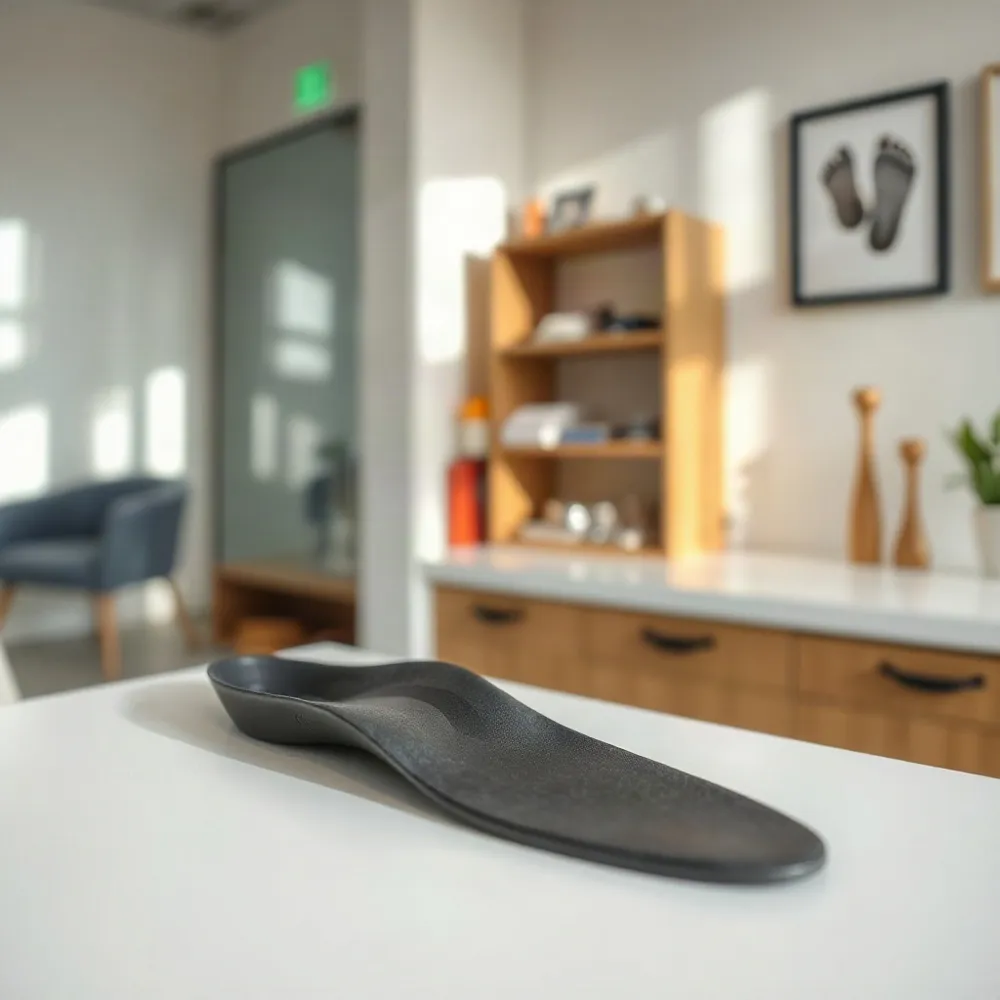
When managing heel pain from conditions like plantar fasciitis, several at-home strategies can help reduce discomfort and support recovery. Icing the affected area multiple times daily can alleviate inflammation and numb pain. Gentle stretching exercises, such as toe curls and calf stretches, help maintain flexibility and reduce tension in the plantar fascia. Wearing shoes with good arch support or customized orthotics can prevent additional strain on the heel.
Techniques to Prevent Worsening of Plantar Fasciitis Symptoms
To prevent worsening symptoms, avoid standing for long periods on hard surfaces, as this can place excess strain on the foot. Using supportive insoles or heel cups in your shoes provides necessary cushioning and relief. Massaging the foot with a foam roller or a frozen water bottle can also improve blood flow and ease stiffness. Maintaining a healthy weight reduces pressure on the plantar fascia, helping to minimize flare-ups and discomfort.
Home-Based Interventions That Support Recovery
Consistency in implementing these at-home interventions is crucial for long-term recovery. Incorporating daily stretching routines, using ice for targeted relief, and wearing appropriate footwear are essential habits. However, if pain persists despite these efforts, it may be necessary to consult a podiatrist for guidance on more advanced treatment options, including specialized physical therapy, custom orthotics, or minimally invasive procedures tailored to your specific condition. By combining self-care with professional advice, individuals can effectively manage heel pain and restore normal activity levels.
Potential Underlying Conditions Behind Heel Pain
Can Heel Pain Be a Sign of a More Serious Medical Condition?
Yes, heel pain can indicate more serious medical conditions beyond common causes like plantar fasciitis or Achilles tendinitis. These may include systemic conditions such as ankylosing spondylitis, rheumatoid arthritis, or psoriatic arthritis, as well as infections (e.g., osteomyelitis), tumors, nerve compression (e.g., tarsal tunnel syndrome), or inflammatory diseases like Paget’s disease of bone. Severe or persistent heel pain accompanied by symptoms like fever, numbness, or inability to bear weight requires immediate medical evaluation to rule out fractures, ruptures, or infectious processes.
At [Advanced Foot Care] in NW Chicago and South Florida, our podiatrists specialize in diagnosing and treating complex cases using minimally invasive techniques to address both common and severe underlying causes. If heel pain lingers despite home care or occurs acutely after an injury, consult our team for advanced diagnostic imaging and tailored treatment plans.
The Role of Nutrition in Foot Health and Heel Pain Management
What Are the Nutritional Deficiencies That Could Contribute to Heel Pain?
Nutritional deficiencies, such as calcium, vitamin D, and magnesium, can indirectly contribute to heel pain by compromising bone density, muscle function, and connective tissue health. Calcium and vitamin D are essential for maintaining strong bones, and deficiencies may weaken the heel bone (calcaneus), increasing susceptibility to stress fractures or exacerbating conditions like plantar fasciitis. Magnesium deficiency can lead to muscle stiffness and spasms in the calf or foot, altering gait mechanics and placing undue strain on the plantar fascia or Achilles tendon, common sources of heel pain. Additionally, vitamin B12 deficiencies, though less directly linked, may contribute to nerve-related discomfort or inflammation, potentially amplifying pain perception. While these deficiencies do not directly cause heel pain, they can worsen underlying structural or biomechanical issues, emphasizing the importance of addressing nutritional health as part of a comprehensive treatment plan.
Medical Intervention Options for Persistent Heel Pain

Overview of both conservative and advanced treatment modalities
For individuals suffering from chronic heel pain, treatment pathways span from traditional conservative methods to more advanced intervention techniques. Conservative treatments often include rest, ice therapy, over-the-counter NSAIDs, and physical therapy with targeted stretching and strengthening exercises. Orthotic devices—either custom or off-the shelf—also play a significant role in supporting the arch and redistributing pressure. For cases that do not respond to conservative care, more advanced treatments such as corticosteroid injections, extracorporeal shockwave therapy (ESWT), and platelet-rich plasma (PRP) injections become viable options. These treatments are designed to address persistent inflammation and tissue damage directly.
Situations warranting professional medical assistance
Persistent heel pain, particularly when it does not improve after several weeks of self-management, should be evaluated by a healthcare provider, especially a podiatrist who specializes in foot mechanics and conditions. If the pain severely limits daily activities, is accompanied by significant swelling or bruising, or if the patient observes visible deformities such as Haglunds Deformity (pump bump), timely professional consultation is essential. Conditions like plantar fasciitis and Achilles tendinitis can progress to chronic issues if left untreated, necessitating the expertise of specialists for tailored treatment plans.
Outcomes and success rates of various heel pain treatments
The success of heel pain treatments varies with the approach. [1] Conservative measures show success in approximately 90% of cases, especially when started promptly. [2] Corticosteroid injections may offer rapid pain relief, although they carry a risk of complications with overuse. ESWT has a reported success rate of up to 70%, especially for chronic plantar fasciitis. PRP injections show potential for long-term tissue healing and pain relief, with evidence supporting their efficacy over traditional steroidal interventions. In rare cases where conservative and advanced methods fail, surgical intervention such as plantar fascia release may be considered, with success rates varying but generally effective in severe, non-responsive cases.
Incorporating Exercise for Heel Pain Relief and Prevention
What Exercises Are Beneficial for Heel Pain and How Do They Help?
A structured exercise program is essential for alleviating and preventing heel pain, particularly for conditions like plantar fasciitis treatment. Calf stretches, whether performed standing or seated, target the Achilles tendon and calf muscles, reducing tension and strain on the plantar fascia. Regular practice improves flexibility, easing the morning stiffness and sharp pain associated with this condition. For instance, standing against a wall with one leg back and the heel grounded stretches the calf, which in turn supports the arch. Toe towel scrunches, another effective exercise, strengthen the intrinsic muscles of the foot by mimicking the action of gripping a towel with the toes. This helps maintain or rebuild arch support and prevents collapse that exacerbates heel pain.
Plantar fascia massage using a tennis ball or frozen water bottle allows for self-myofascial release at home. Rolling the arch under a firm object for a few minutes daily can reduce inflammation and encourage increased blood flow, accelerating healing. Heel raises, where one lifts the heels while seated or standing, strengthen the lower leg muscles and improve foot stability. Foot rolls using a foam or rubber ball further release taut muscles by massaging the soles, reducing localized discomfort. Lastly, big toe stretches help align the plantar fascia by gently pulling toes forward, thereby decreasing the tension across the heel. Collectively, these exercises promote proper foot mechanics, decrease inflammation, and correct biomechanical imbalances, offering sustainable relief from heel pain. Seeking guidance from a podiatry specialist ensures that the exercise plan is tailored to individual needs and avoids exacerbating symptoms.
Long-Term Strategies for Managing and Preventing Heel Pain
{'properties': {'heading': {'default': '', 'title': 'Heading', 'type': 'string'}, 'content': {'title': 'Content', 'type': 'string'}}, 'required': ['heading', 'content'], 'title': 'ArticleSection', 'type': 'object', 'additionalProperties': False}