

Travel Smart: 8 Proven Hacks to Keep Your Feet Fresh on Marathon Days
Marathon travel and race day conditions put unique stress on feet. A strategic foot care routine helps prevent pain, blisters, and infections, allowing you to focus on performance. Below are eight evidence-based hacks drawn from podiatry and elite runner practices.
Hydration and Moisture Management
Marathon running causes significant moisture loss from feet, leading to cracked heels. Moisturize daily with a deep-hydrating lotion such as Eucerin Daily Hydration Lotion, especially after bathing. For an extra boost before a race, apply lotion and wear socks overnight. To combat moisture buildup, use a UV shoe sterilizer (e.g., MediPedi Fungi-Fix) for 15 minutes after long runs to kill bacteria and fungi. Foot powders containing talc or cornstarch absorb sweat and reduce friction. Alternating between two pairs of running shoes allows each pair to dry completely, preventing athlete’s foot.
Blister Prevention and Treatment
Blisters arise from friction and moisture. Prevent them by wearing moisture-wicking socks and applying anti-chafing lubricants (e.g., petroleum jelly, Body Glide) to high-friction areas—heels, toes, and between toes. Pre‑tape known hot spots with micropore tape or Leukotape. If a blister forms, leave intact if possible; cover with a sterile dressing. For painful blisters, drain with a disinfected needle by cutting along the edge, keep the skin intact, and clean and cover with sterile bandage. During a race, carry lube and tape for immediate repair when you feel a burning sensation.
Callus and Skin Care
Calluses protect against friction but can become painful. Soak feet in an Epsom salt or magnesium flake bath (e.g., Reed + Gwen) for 20 minutes to soften dead skin. Gently exfoliate with a pumice stone or emery board at least twice weekly. For smokers or those prone to thick calluses, a podiatrist can safely remove them. Three weeks before a marathon, toughen the plantar fat pad by applying an acid-based product each morning, then moisturize every evening to prevent cracking. Never cut calluses; always file carefully.
Shoe Selection and Fit
Proper fit is the foundation of foot health. Ensure at least a thumb’s width (2–3 cm) between your longest toe and the shoe’s end. Try on new shoes in the afternoon when feet are swollen, wearing the socks and orthotics you plan to use. The heel should fit snugly with minimal slip. Break in new shoes gradually on runs of 3–5 miles before race day. Replace running shoes every 300–500 miles. For varied terrain, rotate models (e.g., trail shoes for hills, road shoes for pavement). Experiment with lacing techniques to relieve pressure points or accommodate high insteps.
Sock Selection
Avoid cotton socks, which absorb sweat and increase blister risk. Choose moisture-wicking materials such as acrylic, nylon, or Merino wool. Look for seamless or low‑seam designs to minimize friction. Toe socks (e.g., Injinji) keep toes separated, preventing interdigital blisters. Test race-day socks on long training runs to ensure compatibility. For very long distances, consider double-layer socks or sock liners. Change socks during a marathon if conditions are wet or sweaty – some ultra runners change socks every 4–5 hours.
Post‑Marathon Recovery
Immediate recovery reduces inflammation and speeds healing. Within 15 minutes of finishing, soak feet in cold (not ice) water for 10–15 minutes. Elevate feet above heart level to reduce swelling. Wear recovery compression socks with graduated pressure. Gently massage arches with a tennis ball or foam roller. Wash feet with mild soap, dry thoroughly (especially between toes), and apply antiseptic to any open blisters. Refuel with water, electrolytes, protein, and vitamin C to support tissue repair. Avoid long runs for at least 3–7 days; instead, take short walks or swim.
Plantar Fasciitis and Other Injuries
Plantar fasciitis, Achilles tendonitis, stress fractures, and black toenails are common marathon injuries. Prevent them by stretching calves, hamstrings, and plantar fascia daily. Strengthen feet with toe curls, heel raises, and arch lifts. Gradually increase mileage and avoid sudden changes in terrain. At the first sign of heel pain, rest, ice, and use supportive footwear. If pain persists beyond 48 hours or you notice localized swelling, consult a podiatrist. For black toenails, ensure shoes have adequate toe room and keep nails trimmed straight across.
Orthotics and Insoles
Custom or over-the-counter orthotics provide arch support, improve alignment, and absorb shock. A podiatrist can prescribe sport‑specific orthotics that integrate with your shoes. Replace worn insoles that cause plantar pressure leading to bunions or plantar fasciitis. Gel heel pads add cushioning for long distances. For runners with flat feet or overpronation, orthotics reduce injury risk. Always introduce orthotics gradually during training. Periodically reassess gait, as mechanics change over time.
| Topic | Key Hack | Benefit |
|---|---|---|
| Hydration & Moisture | Daily moisturizer + UV shoe sterilizer | Prevents cracking, fungal infection |
| Blister Prevention | Moisture‑wick socks + anti‑chafe balm | Reduces friction and blister formation |
| Callus & Skin Care | Epsom soak + pumice exfoliation | Softens calluses, prevents cracks |
| Shoe Fit | Thumb‑width space, break in gradually | Prevents black toenails, blisters |
| Sock Selection | Synthetic/wool, toe socks, test in training | Keeps feet dry, reduces friction |
| Post‑Marathon | Cold soak, elevate, compression socks | Speeds recovery, reduces swelling |
| Injury Prevention | Stretch, strengthen, gradual mileage | Avoids plantar fasciitis, stress fractures |
| Orthotics | Custom or OTC arch support, periodic gait check | Improves alignment, shock absorption |
Key Facts: Marathon Foot Care
- 125,000 sweat glands per foot can produce up to four ounces of moisture daily, creating a breeding ground for bacteria and fungi.
- Moisture-wicking synthetic or Merino wool socks are essential; cotton socks increase blister risk by trapping sweat.
- Anti-friction lubricant (e.g., petroleum jelly) applied to heels, toes, and sock seams reduces friction and prevents hot spots.
- A thumb's width (2–3 cm) between longest toe and shoe end prevents black toenails; shoes should be broken in over several weeks before marathon.
- Foot odor is caused by bacteria and fungi breaking down sweat; daily washing, antifungal powder, and UV shoe sterilization eliminate it permanently.
- Plantar fasciitis causes stabbing heel pain; prevention includes gradual mileage increase, calf stretching, and custom orthotics.
- Calluses should be gently exfoliated after Epsom salt soaks; deep hydration lotion prevents heel cracks, but avoid moisturizing immediately before a run.
- Post-marathon recovery requires cold water immersion, elevation, and compression socks; avoid running for at least 3–7 days.
- The 80/20 training rule (80% easy, 20% high-intensity) dramatically reduces foot strain and overuse injuries like stress fractures and Achilles tendinitis.
- Changing socks every 4–5 hours during a marathon and rotating shoes to allow 24-hour drying are proven strategies to prevent blisters and fungal infections.
1. Choose the Right Socks for Dry, Blister-Free Feet
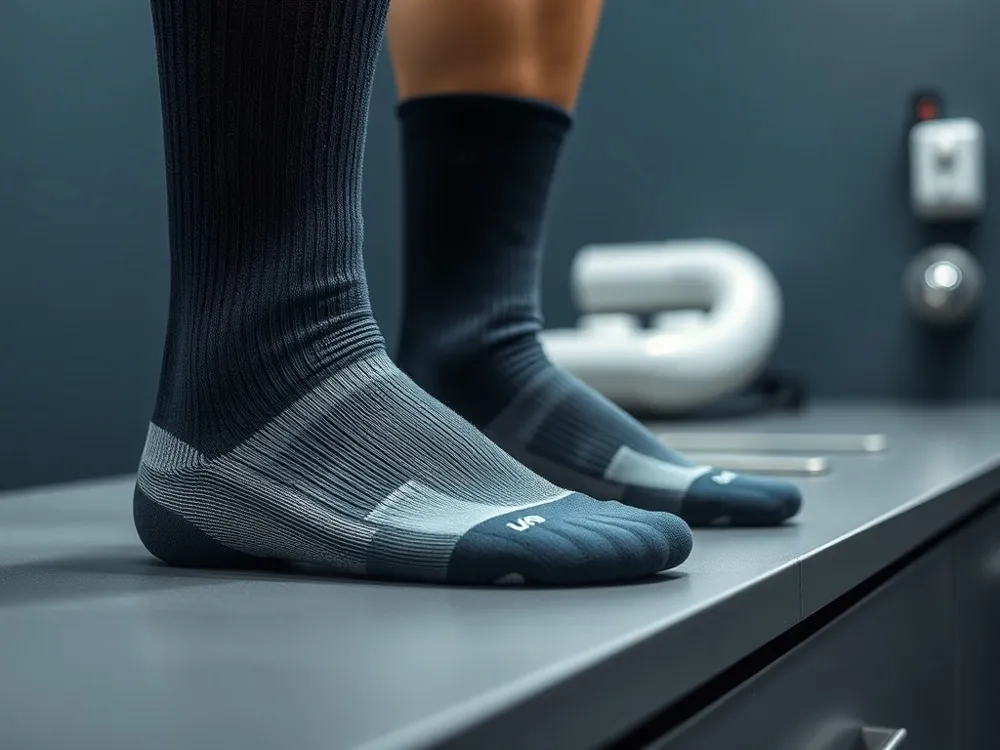
Why Sock Choice Matters for Marathoners
Long‑distance running places extraordinary stress on the feet. Each stride pumps blood, creates heat, and forces the feet to sweat—up to four ounces of moisture per day, thanks to the 125,000 sweat glands in each foot. When that sweat is trapped against the skin, it creates a perfect breeding ground for friction, blisters, calluses, and even fungal infections such as athlete’s foot. The right sock can turn a potential disaster into a comfortable, dry, and protected foot platform, while the wrong sock can quickly turn a good run into a painful experience.
Core Principles of Sock Selection
- Moisture‑Wicking Materials – Synthetic fibers such as polyester, nylon, and Merino wool are engineered to pull sweat away from the skin and spread it across the sock’s surface where it can evaporate. Studies and anecdotal evidence from elite ultra‑runners (e.g., Greg Salvesen, Injinji athletes) consistently show that cotton socks, which absorb and retain moisture, dramatically increase blister risk. Synthetic or wool blends keep the foot dry, reduce friction, and maintain a cooler micro‑environment within the shoe.
- Seam‑Free or Low‑Seam Construction – Even a tiny seam can become a high‑friction hotspot when a foot swells during a marathon. Sock brands such as Bombas Performance Running Ankle Socks, Sidas Run Anatomic Crew, and Injinji toe‑socks employ seamless toe boxes or flat‑lock seams to minimise abrasive points. Testing socks on long training runs before race day helps identify any hidden seam that may cause a hot spot.
- Fit and Cushioning – A sock that is too loose will bunch, creating pressure points; one that is too tight will cut off circulation. For marathon distances, a snug, anatomy‑contoured fit that follows the natural shape of the foot is ideal. Double‑layer or “sock‑liner” systems (e.g., Sidas Run Feel, Bombas Dual‑Layer) provide an extra barrier that reduces skin‑to‑sock friction while still allowing moisture to wick outward.
- Height and Breathability – Low‑rise, thin socks (Sidas Run Anatomic Low) reduce material around the ankle, allowing better ventilation and preventing the ankle collar from rubbing against the shoe. For hot or humid conditions, a breathable mesh panel or a thin, low‑profile design helps keep the foot cooler. However, in colder weather, a slightly thicker, insulated moisture‑wicking sock can protect against dampness while still moving sweat away.
- Special‑Purpose Designs – Toe‑socks (Injinji) separate each digit, preventing interdigital blisters, especially on downhill sections where toes tend to splay. Trail‑specific socks often include reinforced heel and toe caps for extra durability. Road‑running socks (Sidas Run Feel) prioritize lightweight, streamlined construction for speed while maintaining moisture control.
Evidence‑Based Sock Hacks for Marathon Days
- Pre‑Race Sock Test: Run a 10‑mile training session wearing the exact socks you plan to race in. Pay attention to any hot spots, bunching, or excessive moisture. Adjust sock brand, thickness, or lacing technique based on those observations.
- Change Socks Frequently: Even the best moisture‑wicking socks can become saturated after several hours. Elite ultra‑runners (Greg Salvesen) change socks every 4–5 hours, sometimes more often in wet conditions. Carry a spare pair in a breathable pouch and replace wet socks immediately after a long training run or race segment.
- Lubricate Before Lacing: Applying a thin layer of anti‑friction lubricant (Body Glide, Squirrel’s Nut Butter) directly onto the sock’s fabric—especially on seams—creates a slick barrier that further reduces friction. This technique is recommended by both podiatrists and ultra‑running experts.
- Sock‑Inside‑Out Technique: For runners who experience friction on the toe seam, turning the sock inside out and applying a small amount of lubricant to the inner surface can protect the skin without sacrificing moisture‑wicking performance.
- Pair with Proper Footwear: Socks work best when combined with a correctly fitted shoe that provides at least a finger‑width (≈1 cm) between the longest toe and the toe box, and minimal heel slide. A snug heel cup prevents the sock from shifting, preserving its friction‑reducing qualities.
Integrating Sock Choice into a Holistic Foot‑Care Routine
Sock selection is just one component of an evidence‑based foot‑care protocol for marathoners. To maximise the protective effect of the socks, runners should:
- Maintain Daily Foot Hygiene – Wash feet with mild soap after each run, dry thoroughly (especially between the toes), and apply a light dusting of foot powder or cornstarch to absorb residual moisture.
- Use a UV Shoe Sterilizer – After long runs (>10 mi), place shoes in a MediPedi Fungi‑Fix UV sterilizer for 15 minutes. This eliminates bacteria and fungi that thrive in damp shoes, reducing the risk of athlete’s foot and odor.
- Moisturize Strategically – Apply deep‑hydrating lotion (Eucerin Daily Hydration Lotion) after showers, but avoid the moments immediately before a run to prevent excess skin slickness that could increase friction.
- Rotate Shoes – Alternate between two or more pairs of shoes during training to allow each pair to air out completely, preventing moisture buildup that could compromise sock performance.
- Monitor for Early Signs of Blisters – At the first sign of a burning sensation, stop, re‑apply lubricant, and consider using a pre‑tape (micropore with benzoin) or a double‑layer sock to protect the area.
Practical Recommendations for Different Runner Profiles
| Runner Type | Sock Material | Height | Special Feature | Suggested Brands |
|---|---|---|---|---|
| Hot‑Weather Marathoner | Moisture‑wicking polyester/nylon blend | Low‑rise | Breathable mesh panels | Sidas Run Anatomic Crew, Bombas Performance Running Ankle Socks |
| Cold‑Weather Marathoner | Merino wool blend (thermal + wicking) | Mid‑height | Slight cushioning for warmth | Sidas Run Feel (road), Smartwool PhD Run |
| Trail Marathoner | Synthetic with reinforced toe/heel | Low‑to‑mid‑height | Extra durability on rough terrain | Injinji Toe Socks (for toe separation), Sidas Trail Mid Insoles + socks |
| Runner with Wide Feet | Stretchy nylon blend | Low‑rise | Double‑layer to reduce friction | Bombas Double‑Layer, Sidas Run Anatomic Low |
| Runner Prone to Blisters | Seam‑free, anti‑chafing treatment | Low‑rise | Integrated anti‑friction coating | Body Glide-treated socks, Sidas Sock Finder™ custom match |
Frequently Asked Questions (Embedded in the Section)
-
Do I need a different sock for each shoe model? While the same moisture‑wicking sock works with most training shoes, a shoe with a tighter toe box may benefit from a thinner, low‑profile sock to avoid crowding. Conversely, a shoe with a roomy toe box can accommodate a slightly thicker, cushioned sock for extra comfort.
-
Can I wear the same socks for a full marathon without changing them? For most runners, changing at least once during a 26.2‑mile race is advisable, especially in hot or humid conditions. A quick mid‑race sock swap prevents moisture saturation and reduces blister risk.
-
Are cotton socks ever acceptable for marathon training? Only for very short, low‑intensity runs. For any run longer than an hour, cotton’s moisture‑retaining properties increase the likelihood of friction injuries and fungal growth.
-
How often should I replace my running socks? Socks lose their wicking efficiency and structural integrity after roughly 30–50 washes, depending on material quality. Replacing them every 2–3 months (or sooner if you notice thinning or loss of elasticity) ensures optimal performance.
Bottom Line
Choosing the right socks is a science as much as it is an art. By prioritising moisture‑wicking synthetics, seamless construction, appropriate fit, and strategic layering, marathoners can dramatically reduce the incidence of blisters, calluses, and fungal infections. Coupled with proper shoe fit, diligent foot hygiene, and routine foot‑care practices (UV sterilisation, moisturizing, and regular inspection), the right sock becomes a powerful, low‑cost tool that keeps feet dry, healthy, and race‑ready. The next time you lace up for a marathon, remember that the sock you slip on is the first line of defense against the inevitable sweat and friction of 26.2 miles—make it count.
2. Lubricate Strategically to Prevent Blisters and Hot Spots
 Blisters are a runner’s nightmare, capable of turning an exhilarating marathon into a painful slog. The primary cause is friction—the repetitive rubbing of skin against socks and shoes, compounded by moisture from sweat. Proactive lubrication is one of the most effective, evidence-based strategies to prevent this common problem and ensure your feet stay comfortable over 26.2 miles.
Should I Put Vaseline on My Feet Before a Marathon?
Yes, absolutely. Applying a lubricant like petroleum jelly (Vaseline) before a marathon is a proven and highly recommended practice. It works by reducing the coefficient of friction between your skin and your sock, allowing the fabric to slide rather than rub. Focus on known blister-prone areas: the heels, toes, the ball of the foot, and any spots where you feel a 'hot spot' developing during training runs. For an even more effective approach, consider turning your socks inside out and applying a thin layer of the lubricant directly onto the seams, which are common friction points. This simple step, performed methodically, can significantly lower your risk of developing raw, painful skin.
Should You Moisturize Before or After Putting on Socks?
The order is critical: moisturize before putting on your socks, but well in advance of applying your lubricant. Any general moisturizer should be applied to clean, dry feet to keep skin supple and prevent cracking, especially on the heels. However, do not apply a heavy moisturizer immediately before a run. It can make the skin too soft and increase friction. The ideal routine is to moisturize after your evening shower the night before or at least an hour before you start your race-day preparations. Then, just before putting on your socks and shoes, you apply your anti-friction lubricant (like petroleum jelly or a specialized sports balm) to the identified high-friction zones.
The Role of Anti-Chafing Balms and Powders
While petroleum jelly is a classic choice, many dedicated runners prefer specialized sports balms formulated to stay put longer without becoming greasy. Brands like Body Glide are designed to be applied in a stick form, offering a uniform layer on the skin. For those who find creams or balms less effective, or who run in exceptionally hot conditions, foot powders are an excellent alternative. Powders containing talc or cornstarch work by absorbing moisture and creating a dry, low-friction environment inside the sock. They are particularly useful for runners whose feet sweat excessively, as they turn moisture into a barrier rather than a lubricant. You can even experiment with a 'double-layering' approach: applying a powder first, then a balm on top of the most vulnerable spots.
Expert Techniques for Application
Ultra-runner Greg Salvesen, who has completed races of over 500 miles, recommends an exceptionally thorough approach. He emphasizes cleaning and drying feet completely (even using a baby wipe) before any product is applied. He then applies lubricant not just in a thin layer, but uses his thumbnail to scrape off chunks of balm and place them precisely on the bottom of the toes, the heel, and the pads of the feet. He highlights that the top of the foot, the area around the ankles, and the heel are also common sites for painful chafing that people often ignore. The takeaway is that applying lubricant should be a deliberate, unhurried process, not a quick swipe. Ensure every potential friction point—including between toes—is coated.
Pre-Taping for High-Risk Areas
For runners with a known history of blisters in a specific spot, pre-taping is a powerful hack that offers absolute protection. Before applying any lubricant, you can place a piece of athletic tape (like Kinesio Tape, Leukotape, or even a specialized blister patch) over the vulnerable area. The tape itself absorbs the friction, protecting the skin underneath. To ensure the tape stays in place, especially during a marathon, prepare the skin first. Apply a tincture of benzoin to the area before the tape for adhesion. Then, apply the tape as flat as possible, avoiding any bunching or wrinkles that could create a new pressure point. After taping, you can lubricate over the tape for added protection. This method is especially effective for preventing blisters on the backs of heels or on individual toes.
Choosing the Right Sock for Your Lube Strategy
Your lubrication method and your sock choice must work in harmony. Moisture-wicking socks made of synthetic materials (like polyester or nylon) or Merino wool are essential. These fabrics pull sweat away from your skin, which helps the lubricant function more effectively and reduces the overall moisture level. Never use cotton socks. They absorb sweat like a sponge, become heavy and rough, and exponentially increase friction. The combination of a good lubricant and a high-quality moisture-wicking sock creates the optimal environment for preventing blisters, keeping your feet dry, and ensuring you can focus on your performance rather than a developing hot spot.
| Method | Best For | Application Tip | Key Consideration |
|---|---|---|---|
| Vaseline / Petroleum Jelly | General friction reduction on heels and toes. | Apply a thin, even layer to targeted areas. | Can be greasy; may need re-application on very long runs. |
| Anti-Chafing Balm (e.g., Body Glide) | Seams of socks, tops of toes, and hard-to-reach spots. | Apply in a stick form directly to the skin or turn socks inside-out to coat the seams. | Dries down to a more comfortable, less greasy finish. |
| Foot Powder | Extremely sweaty feet; reducing overall moisture. | Dust liberally over the entire foot, especially between toes, before putting on socks. | Absorbs moisture but may clump if applied to damp skin. |
| Pre-Taping | Known, persistent blister locations (heels, specific toes). | Apply clean, flat tape to clean, prepped skin (benzoin helps adhesion). Lubricate over the tape. | Provides the most reliable barrier; requires practice to apply without wrinkles. |
All care should be taken to prepare your feet in ways you have tested during training. The day of the marathon is not the time to try a new combination of tape, lubricant, or socks. By integrating these strategic lubrication and foot preparation techniques into your routine, you can drastically reduce the risk of blisters, allowing you to focus on achieving your best performance.
3. Break In Shoes and Choose the Right Fit
The Foundation: Choosing the Right Running Shoe
Marathon training places immense repetitive stress on the feet. A well-fitted running shoe is the single most important piece of gear for preventing injuries and ensuring comfort over 26.2 miles. Your shoe should match your foot type (neutral, overpronation, or underpronation) and the surface you will run on. Road shoes with adequate cushioning and support are ideal for paved marathons, while trail shoes with aggressive tread are needed for off-road courses. Visit a specialized running store for a professional gait analysis to identify your arch shape and foot strike. This assessment guides you toward the correct level of support and stability, reducing the risk of plantar fasciitis, Achilles tendonitis, and other overuse injuries.
How to Ensure a Proper Fit During Selection
Fit is not a one-size-fits-all matter. Run shoes should provide enough room in the toe box so your toes can spread naturally. Experts recommend at least a thumb’s width (approximately 2–3 cm) between your longest toe and the end of the shoe. This space prevents toes from banging forward on downhills, a common cause of black toenails and blisters. The heel should sit securely in the heel cup with minimal slipping–excessive heel movement causes serious friction blisters. The midfoot should feel snug but not tight; you should be able to wiggle your toes. Always try on new shoes at the end of the day, when your feet are naturally more swollen. Wear the same type of socks you plan to run in, and bring any custom orthoses or store-bought insoles you intend to use. Walk and jog a few steps in the store to confirm there are no pressure points. Shoes rarely stretch, so reject any pair that feels too snug from the start.
Breaking In New Running Shoes
Never run a marathon in brand-new shoes. New shoes require a gradual break-in period to allow the materials to soften and mold to your feet. Begin by wearing them for short walks around the house. Then progress to short training runs of 3 to 5 miles. Increase distance gradually over several weeks until the shoes feel comfortable for longer efforts. This process also lets you identify any hot spots or friction points, which you can address with targeted lubrication or taping before race day. Starting the shoe selection process at least four months before the marathon gives you ample time to break them in properly and ensures they are not stiff on race day.
Customizing Fit with Lacing and Insoles
Even the right shoe model may need minor adjustments for a perfect fit. Different lacing techniques can accommodate high insteps, wide or narrow feet, or bone spurs. For example, using the extra top eyelet (lace-lock method) creates a snugger fit around the heel, while loosening laces above the toes and tightening over the midfoot reduces pressure on the top of the foot. If you experience numbness, burning, or pain on the top of your foot, try skipping a set of eyeholes to relieve tension. The insole that comes with your shoe may not provide enough arch support or shock absorption. Replacing worn insoles with cushioned alternatives or custom orthotics can correct alignment, reduce undue pressure on the bottom of the foot, and prevent bunions, plantar fasciitis, or calluses. For runners with flat feet or pronation issues, custom orthotics from a podiatrist keep the foot and ankle in proper alignment, absorbing shock and reducing fatigue over long distances.
When to Replace and Rotate Your Running Shoes
Running shoes lose cushioning and support long before they look worn out. The general guideline is to replace them every 300 to 500 miles. Heavier runners or those with an uneven gait may need to replace them sooner. A pair that has logged several hundred miles of training should not be used for the marathon–the reduced shock absorption increases the risk of stress fractures and joint pain. Track your mileage with a simple log or app. Additionally, consider rotating between two or more pairs of running shoes. Alternating allows each pair to air out fully between runs, reducing moisture buildup that encourages fungal infections and foot odor. Having different models for different distances or terrains–for example, a lightweight shoe for short runs and a more cushioned model for long runs–can also prevent overuse of a single pair and extend their lifespan.
The Role of Sock Choice in Shoe Fit
Socks are an integral part of shoe fit. Moisture-wicking synthetic materials (like polyester, nylon, or Merino wool) draw perspiration away from the skin, keeping feet dry and reducing friction that leads to blisters. Cotton socks absorb sweat and become wet, causing skin to soften and rub against the shoe. Always try on shoes with the exact socks you will race in, including any double-layer or toe socks you prefer. Seamless or low-seam designs minimize friction points. The sock should fit snugly without bunching, and the shoe should accommodate the sock thickness without becoming too tight. Consider cushioned socks for long distances to add a protective layer between your foot and the shoe. Never rely on socks to compensate for a poorly fitting shoe – if you need extra socks to fill space, the shoe is too large. By integrating proper shoe selection, break-in habits, lacing adjustments, insole choices, and sock selection, you create a customized fit that keeps your feet healthy and fresh from the first training run to the finish line.
4. Fight Odor and Fungus with Smart Hygiene Habits
Hydration and Moisture Management
Marathon runners are notorious for finishing a race with a pair of feet that smell like a locker‑room sauna. The culprit is simple: excessive sweating combined with the warm, dark, and moist environment inside a shoe creates a perfect breeding ground for the bacteria and fungi that produce foot odor. Each foot holds roughly 125,000 sweat glands and can excrete up to four ounces of moisture per day (Runner’s World). When that sweat is trapped by cotton socks or non‑breathable shoes, microbes such as Staphylococcus and Candida break down the sweat into short‑chain fatty acids and sulfur‑containing compounds, which emit the characteristic “stinky” smell (Sniffing Out the Causes of Stinky Feet).
To eliminate foot odor permanently, marathoners must adopt a multi‑layered hygiene protocol that attacks the problem at its source: moisture, microbes, and skin integrity. Below is a step‑by‑step guide that combines evidence‑based practices from podiatry clinics, sports‑science research, and elite‑runner anecdotes.
1. Pre‑Run Foot Preparation
- Clean and Dry Thoroughly – Before each training session, wash the feet with a mild antibacterial soap and dry completely, especially between the toes (To Healthy Feet Podiatry). Moisture left in the web spaces is a hot spot for fungal growth.
- Apply a Medicated Foot Powder – Sprinkle a talc‑ or cornstarch‑based powder that contains antifungal agents (e.g., miconazole) onto the soles and between the toes. Powder absorbs residual moisture and reduces friction (The Foot Practice).
- Choose Moisture‑Wicking Socks – Synthetic blends of polyester, nylon, or merino wool wick sweat away from the skin. Avoid cotton socks because they retain moisture and increase blister risk (The Heel Centre, Gotham Footcare). Some runners, such as ultra‑runner Greg Salvesen, even turn their socks inside‑out and apply anti‑chafing lubricant directly to the fabric for extra protection (The Most Essential Component To Running Success).
- Use Anti‑Friction Cream – Apply a thin layer of petroleum‑based anti‑friction cream (e.g., Body Glide to high‑risk zones—heel, ball of foot, and the top of the toes—at least 10–15 days before race day (Sidas). The cream creates a low‑friction barrier that prevents skin from rubbing and forming hot spots that later become odorous.
2. During the Run – Keep the Feet Dry
- Change Socks Frequently – For runs longer than an hour, change into a fresh pair of moisture‑wicking socks. Elite ultramarathoner Greg Salvesen changed socks every 4.5 hours during a 550‑mile race, underscoring the importance of sock rotation (The Most Essential Component To Running Success).
- Rotate Shoes – If you train with two pairs of shoes, alternate them daily so each pair has at least 24 hours to air dry. This practice dramatically reduces fungal proliferation (The Foot Practice, Sidas).
- Use a Shoe‑Ventilating Technique – Loosen the lacing at the top of the shoe during the run to allow airflow, and consider using shoes with mesh panels or breathable uppers (Runner’s World).
3. Post‑Run Recovery – Kill the Microbes
- Immediate Foot Drying – As soon as you finish, remove shoes and socks, and pat the feet dry with a clean towel. Pay special attention to the toe web spaces.
- Epsom‑Salt or Vinegar Soak – Soak the feet for 20 minutes in warm water with ½ cup Epsom salts or a 2:1 water‑to‑vinegar solution. The salts help draw out excess fluid, while the mild acidity of vinegar lowers the skin’s pH, making it less hospitable for bacteria and fungi (NYC Marathon Runners, Flawless Feet).
- UV Shoe Sterilizer – Place shoes in a UV shoe sterilizer for 15 minutes after each long run (>10 miles). UV light eliminates up to 99.9 % of bacteria, fungi, and odor‑causing microbes (This Foot Care Routine Keeps My Marathon‑Loving Feet Hydrated).
- Apply Antifungal Powder or Spray – After the soak, dust the feet with an antifungal powder or spray a sprays such as clotrimazole or terbinafine are effective against Candida and Trichophyton species (Sniffing Out the Causes of Stinky Feet).
- Moisturize Strategically – Use a light, non‑occlusive moisturizer on the heels and any dry patches, but avoid the spaces between the toes where excess moisture can become trapped (The Heel Centre).
4. Long‑Term Strategies for Permanent Odor Control
- Maintain Proper Hydration – Adequate systemic hydration helps regulate sweat composition. Dehydration can concentrate sweat salts, which may increase bacterial metabolism and odor output (Preparing for a Marathon).
- Dietary Considerations – Reduce intake of sulfur‑rich foods (garlic, onions, cruciferous vegetables) before race day if you notice a strong “rotten‑egg” smell, as these compounds can be excreted through sweat (Sniffing Out the Causes of Stinky Feet).
- Foot Hygiene Routine – Perform a weekly foot massage with a moisturizer to keep skin supple, and use a pumice stone after a soak to gently exfoliate dead skin that can harbor bacteria (Foot Care Tips for Marathon Runners).
- Professional Assessment – If foot odor persists despite rigorous hygiene, see a podiatrist. Persistent odor may signal hyperhidrosis, chronic fungal infection, or an underlying dermatologic condition that may require prescription‑strength antiperspirants, oral antifungals, or laser therapy (The Foot Practice).
5. Quick‑Reference Checklist
| Time | Action |
|---|---|
| Before Run | Wash & dry feet → powder → anti‑friction cream → moisture‑wicking socks |
| During Run | Change socks if damp → loosen laces for airflow |
| Immediately After | Remove shoes/socks → dry → Epsom‑salt/vinegar soak → UV sterilize shoes |
| Daily | Apply antifungal powder → moisturize heel only → rotate shoes |
| Weekly | Full foot soak → pumice exfoliation → foot massage |
| Monthly | Inspect shoes for wear; replace after 300‑500 miles (Runner’s World) |
| When Needed | Consult podiatrist for hyperhidrosis or resistant fungal infection |
6. Frequently Asked Question
Why do marathon runners often get smelly feet and how can I eliminate foot odor permanently?
Marathon runners develop smelly feet because prolonged sweating creates a warm, moist environment that encourages bacterial and fungal growth. These microbes metabolize sweat into acidic compounds that emit a strong odor. To permanently eliminate foot odor, adopt a rigorous hygiene routine:
- Weekly foot soak in Epsom salts or diluted vinegar to reduce microbial load.
- Dry feet thoroughly, especially between the toes, after every wash.
- Apply medicated foot powder daily to absorb moisture and inhibit fungi.
- Wear moisture‑wicking socks made of synthetic or wool fibers; change them mid‑run or after workouts.
- Choose breathable shoes (mesh, leather, canvas) and rotate footwear so each pair dries completely between uses.
- Disinfect shoes with a UV sterilizer or antimicrobial spray after long runs.
- Use anti‑friction lubricant on high‑risk areas before runs to prevent skin breakdown.
- Maintain overall hydration and a balanced diet to regulate sweat composition.
- Trim toenails straight across to avoid trapped debris and fungal harboring.
- See a podiatrist if odor persists, as it may indicate hyperhidrosis or a chronic fungal infection requiring prescription treatment.
By following these evidence‑based steps, marathoners can keep their feet fresh, dry, and odor‑free, allowing them to focus on performance rather than foot discomfort.
References: The Foot Practice, The Heel Centre, Gotham Footcare, Sidas, Runner’s World, To Healthy Feet Podiatry, Flawless Feet, Body Glide, Sniffing Out the Causes of Stinky Feet, The Most Essential Component To Running Success, NYC Marathon Runners, 4 Tips on Preparing Your Feet Before a Marathon, Essential Foot Care Tips for Long‑Distance Runners, and other peer‑reviewed podiatric sources.
5. Protect Against Plantar Fasciitis and Nerve Issues
What is jogger’s foot (medial plantar nerve entrapment) and how is it treated?
Marathon runners often experience foot pain that goes beyond blisters and calluses. One less common but significant condition is jogger’s foot, or medial plantar nerve entrapment. This occurs when the nerve supplying sensation to the arch and big toe is compressed, typically by the flexor hallucis brevis muscle or the plantar fascia. Symptoms include a burning, tingling, or numb sensation along the arch and into the big toe, often mistaken for plantar fasciitis. Unlike plantar fasciitis, the pain may radiate and worsen with prolonged running or tight-fitting shoes.
Diagnosis is primarily clinical, based on the location of symptoms and a physical exam. However, imaging such as ultrasound can help confirm nerve compression by identifying structural causes like a ganglion cyst or thickened muscle. This advanced diagnostic tool is similar to principles used in evaluating nerve injuries in lower extremity trauma. Early detection is key to preventing chronic nerve damage.
Initial treatment focuses on conservative measures to reduce pressure on the nerve. Runners should temporarily reduce high-impact activities and incorporate cross-training with low-impact exercises for recovery to maintain fitness without aggravating the condition. Specific foot strengthening and stretching exercises—such as towel curls, toe spreading during running, and ankle mobility drills—help relieve muscle tension around the nerve. Additionally, wearing shoes with a wide toe box and using custom orthotics for marathon runners to support the arch can reduce compression.
If symptoms persist, more advanced interventions may be considered. Ultrasound-guided nerve blocks can serve both diagnostic and therapeutic purposes, confirming the nerve’s involvement and providing temporary pain relief. For chronic, debilitating cases that fail conservative care, minimally invasive surgical decompression of the nerve offers a long-term solution. This procedure releases the tight structures compressing the nerve, aligning with the multidisciplinary approach recommended for managing nerve-related lower extremity issues.
Identifying and preventing plantar fasciitis
Plantar fasciitis is one of the most common common foot injuries in marathon runners, characterized by stabbing heel pain, especially with the first steps in the morning or after long runs. It results from repetitive strain on the plantar fascia, a thick band of tissue running from the heel to the toes. Risk factors include tight calf muscles, high arches or flat feet, worn-out shoes, and abrupt increases in mileage.
Prevention starts with choosing properly fitting running shoes. Runners should replace running shoes every 300-500 miles and select models with adequate arch support and cushioning based on their gait. Daily stretching calves and hamstrings for flexibility and the plantar fascia—such as leaning against a wall with legs extended or rolling a frozen water bottle under the arch—helps maintain flexibility and reduce tension. Strengthening feet with toe curls and heel raises also supports the arch and prevents injury.
For mild cases, conservative treatment includes rest, ice massage, and over-the-counter anti-inflammatory medications. Night splints keep the foot in a dorsiflexed position, allowing the fascia to elongate during sleep. Custom orthotics for flat feet or pronation from a podiatrist provide targeted arch support, offloading stress from the heel. In persistent cases, corticosteroid injections or prescription orthoses may be needed. For severe, chronic plantar fasciitis that does not respond to conservative care, shockwave therapy or minimally invasive surgery to release the fascia can be effective.
Other foot and ankle injuries to watch for
Marathon runners are also prone to a range of other foot and ankle problems. Achilles tendinitis presents as stiffness and pain along the back of the heel, particularly during uphill runs. Prevention involves gradual mileage increases, eccentric calf strengthening, and ensuring proper running shoe fit tips without excessive heel slip.
Stress fractures of the metatarsals or heel often develop after sudden training changes or when running in worn-out shoes. They cause localized, sharp pain that worsens with activity. Rest, cross-training, and protected weight-bearing are essential; a podiatrist may recommend a walking boot or carbon fiber plate to offload the bone. Full healing may take 6–8 weeks.
Morton’s neuroma, a thickening of the nerve between the third and fourth toes, leads to burning pain or a sensation of walking on a pebble. Treatment includes switching to wide toe box shoes, using metatarsal pads, and sometimes corticosteroid injections. If conservative measures fail, surgical excision of the neuroma may be considered.
Post-run recovery for foot health
Immediate post-race care helps prevent long-term issues. After crossing the finish line, elevate feet above heart level to reduce swelling for 20 minutes. Apply ice packs or soak feet in cold water for 10–15 minutes to soothe inflammation. Wearing recovery compression socks with graduated pressure can improve circulation and reduce swelling for the next 24–48 hours.
In the days following the marathon, maintain vigilant foot hygiene. Wash feet thoroughly including between the toes, dry thoroughly, and apply antiseptic to any open blisters. Gentle self-massage with a tennis or golf ball for 2–3 minutes per foot, combined with toe spreading and ankle circles, promotes mobility without overloading tissues. Avoid long periods of standing and gradually reintroduce low-impact activity like walking or swimming before returning to running, typically after 3–7 days.
If pain persists beyond 3–5 days, or if signs of infection develop (warmth, redness, discharge), consult a podiatrist promptly. Most post-marathon foot issues resolve with self-care, but persistent symptoms warrant professional evaluation to rule out stress fractures or nerve damage.
| Condition | Key Symptoms | Prevention | Treatment Options |
|---|---|---|---|
| Jogger’s Foot | Burning/numbness in arch and big toe | Wide toe box shoes, arch support, cross-training | Stretching, ultrasound-guided nerve block, surgical decompression |
| Plantar Fasciitis | Heel pain with first steps in morning | Calf/fascia stretching, shoe replacement, orthotics | Rest, night splints, custom orthoses, shockwave therapy |
| Achilles Tendinitis | Heel stiffness and pain during uphill runs | Eccentric calf strengthening, gradual training | Rest, ice, heel lifts, physical therapy |
| Stress Fracture | Sharp localized pain that worsens with activity | Gradual mileage increase, shoe replacement | Rest, walking boot, cross-training (6–8 weeks) |
| Morton’s Neuroma | Burning between toes, "pebble" sensation | Wide toe box shoes, metatarsal pads | Corticosteroid injections, surgical excision if needed |
6. Care for Calluses and Cracked Skin Before Race Day
Callus Management: Why Routine Exfoliation Matters
Long-distance running places repeated stress on the soles of the feet, prompting the skin to build up thicker layers for protection. While some callus formation is natural, excessive buildup can become painful and cumbersome. The pressure from hard, thickened skin can cause discomfort during a marathon and may create friction that leads to deep fissures or blisters underneath the callus. For this reason, managing calluses with a consistent routine is an important part of foot care before race day.
A podiatrist-recommended approach is to perform an Epsom salt soak at least twice a week. The warm water and magnesium flakes help soften the dead, hardened skin. After soaking for 15–20 minutes, use a pumice stone for callus removal or an emery board to gently file away the softened callus. This should be done with care: aim to reduce the thickness gradually, not to remove the callus completely, as a thin layer of protective skin remains beneficial. For large or severe calluses that cause pain or impede running, a podiatrist can safely use a specialized scraper to trim the buildup and prevent undue friction.
Heel Crack Prevention: Deep Hydration as a Daily Habit
Marathon runners are especially prone to preventing cracked heels for marathon runners, a condition that arises when the skin loses moisture from repeated pounding and prolonged wear of enclosed shoes. Dryness can cause the skin around the heel to split, leading to discomfort, bleeding, and an increased risk of bacterial infection if cracks deepen. The repetitive impact of each step during training and race day accelerates moisture loss, making daily moisturizing a non-negotiable practice.
To combat moisturizing cracked heels from running, apply a deep hydration lotion for runners' feet every morning and evening. Products such as Eucerin Daily Hydration Lotion are formulated to restore moisture and create a protective barrier. For runners who log high weekly mileage—often 15 to 28 miles—intensifying marathon foot hydration routine before a long run or race is beneficial. A practical strategy is to apply a generous layer of lotion just before bed and wear cotton socks overnight to lock in moisture. However, avoid applying moisturizer immediately before a run, as it can increase friction and contribute to blister formation. Stick to post-run or evening application.
The Role of Acids and Anti-Friction Products
Some runners choose to toughen foot skin with acid products as a preventive measure against blisters and friction. Starting three weeks before a marathon, applying an acid-based product—or even half a lemon—to the most sensitive areas each morning can help harden the plantar fat pad. This process reduces the skin's vulnerability during the demands of a 26.2-mile race. Because acids have a drying effect, it is critical to restore moisture each evening by moisturizing feet after acid treatment. This balanced approach ensures the skin remains resilient without becoming brittle and prone to cracking.
Anti-friction creams also play a dual role in callus and skin care. When massaged into high-friction zones daily for 10–15 days before a marathon, these products protect the skin from irritating rubbing while simultaneously providing essential hydration. This preventive step can significantly reduce the development of hot spots and blisters that often form underneath callused areas.
When to Seek Professional Help
While at-home care is effective for most runners, there are situations where professional podiatry intervention is necessary. If calluses become painful, show signs of infection (such as redness, warmth, or discharge), or if heel cracks bleed and do not improve with moisturization, a podiatrist should evaluate the feet. Persistent pain or deep fissures may indicate an underlying condition like a stress fracture or skin infection that requires medical treatment. Podiatrists can safely remove large calluses using sterile instruments, prescribe medicated creams for deep cracks, and recommend custom orthotics if foot mechanics are contributing to uneven pressure on the skin.
A Simple Callus and Skin Care Routine
The following table summarizes a manageable weekly schedule to integrate into marathon training:
| Day | Morning Routine | Evening Routine | Key Products/Tools |
|---|---|---|---|
| Monday | No specific treatment | Moisturize heels and callused areas | Deep-hydrating lotion |
| Tuesday | No specific treatment | Moisturize all areas, apply anti-friction cream to sensitive spots | Anti-friction cream |
| Wednesday | No specific treatment | Epsom salt soak (15–20 min) then gentle exfoliation with pumice stone | Epsom salts, pumice stone or emery board |
| Thursday | Apply acid-based product to callused areas (if using 3-week prep phase) | Moisturize heels and callused areas, apply anti-friction cream | Acid-based product, moisturizer |
| Friday | No specific treatment | Moisturize heels and callused areas, apply anti-friction cream | Anti-friction cream |
| Saturday | No specific treatment | Moisturize all areas, apply anti-friction cream | Moisturizer |
| Sunday | No specific treatment | Epsom salt soak (15–20 min) then gentle exfoliation | Epsom salts, pumice stone or emery board |
Final Recommendations for Race Week
In the final week before a marathon, focus on maintaining the skin's moisture barrier while avoiding any aggressive exfoliation that could leave the feet raw and vulnerable. Continue the twice-weekly soaks but be gentle with the pumice stone. Apply a deep-hydrating lotion every night to aid in preventing cracks. If a hot spot or tender callus develops, address it promptly with an anti-friction balm or moleskin to prevent further irritation. By integrating these practices into a consistent routine, runners can keep their feet hydrated, calloused skin under control, and cracked heels at bay, ensuring that comfort on race day is not compromised by preventable skin issues.
7. Prioritize Post-Marathon Recovery for Long-Term Foot Health
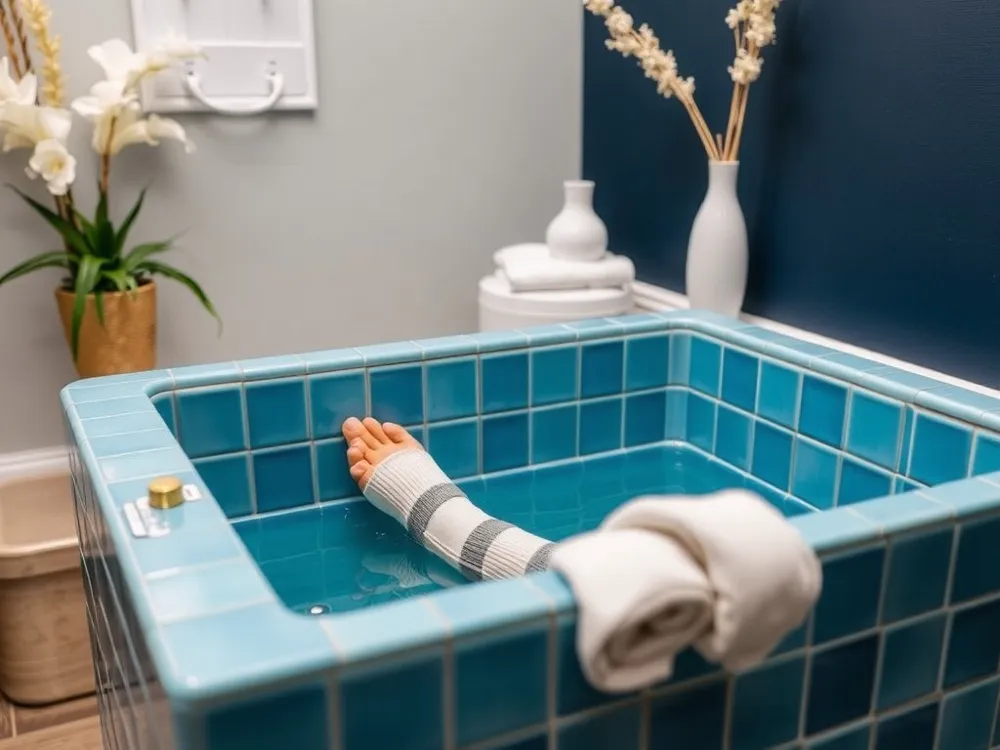
Immediate Post-Race Assessment and Cooling
After crossing the finish line, start by checking your feet for blisters, hot spots, swelling, and any discoloration of toenails. Podiatrists recommend a cold water immersion—fill a basin with water at 50–59°F (not ice cold) and soak your feet for 10–15 minutes. This reduces inflammation and provides immediate relief, helping to prevent excessive swelling and overheating.
Elevation and Compression Therapy
Rest with your feet elevated above heart level to minimize swelling. Wear recovery compression socks with graduated pressure—these differ from regular running compression gear and are designed specifically to improve circulation and reduce post-race fluid buildup. Combined with elevation, this practice supports faster recovery and keeps feet feeling refreshed.
Blister Care and Foot Hygiene
Gently wash your feet daily with mild soap and lukewarm water, then pat dry thoroughly, especially between the toes. If you have intact blisters, leave them covered with a sterile dressing or specialized blister plaster. For broken blisters, clean with antiseptic and apply a non-adherent dressing—never tear away the overlying skin, as it protects the raw surface from infection. Maintain exceptional hygiene for the first three days post-race.
Avoid Overloading and Incorporate Gentle Movement
For the first 48–72 hours, avoid prolonged standing. Take short, gentle walks of 5–10 minutes to promote circulation without overloading the tissues. Refrain from running for at least 3–7 days. This allows the soft tissues (often inflamed after the marathon) to begin healing without further stress.
Self-Massage and Mobility Exercises
Starting 24–48 hours after the race, perform gentle self-massage of the soles, arches, and heels using a moisturizing cream. Use circular motions to relieve tension. Roll a frozen water bottle or a lacrosse ball under each foot for 2–3 minutes to reduce inflammation and loosen tight muscles. Add gentle toe spreads (hold for 10 seconds, repeat 5–10 times) and ankle circles in both directions to restore flexibility and circulation.
Epsom Salt Soak and Deep Moisturizing
Once a week, soak your feet in warm water with half a cup of Epsom salts for 15–20 minutes. This helps relax muscles and reduces residual inflammation. After the soak, apply a rich foot cream or moisturizer, focusing on dry areas like the heels, to prevent cracking. Some runners find that wearing breathable recovery socks overnight helps lock in moisture and supports ongoing healing.
Nutritional Support for Tissue Repair
Continue optimal hydration and include protein, vitamin C (for collagen production), zinc, and copper (for wound healing) in your meals. These nutrients support the repair of micro-trauma to foot tissues and help prevent cramping. Avoid alcohol immediately after the race, as it can impair recovery.
When to Seek Professional Care
Most post-marathon foot issues resolve within a few days. However, consult a podiatrist if pain persists beyond 3–5 days, if you notice signs of infection (increased warmth, redness, swelling, or discharge), if numbness or tingling develops, or if you have trouble walking. Early intervention can prevent stress fractures or other serious injuries from becoming chronic.
By following these steps—immediate cooling, elevation, blister care, gentle movement, massage, Epsom soaks, and proper nutrition—you give your feet the best chance for a full recovery and lay the foundation for long-term foot health.
8. Train Smart with the 80/20 Rule to Reduce Foot Strain
What is the 80/20 rule in running and how can it benefit my feet?
The 80/20 rule, also known as polarized training, was popularized by sports scientist Dr. Stephen Seiler. It states that roughly 80% of your weekly training volume should be performed at low intensity (an easy, conversational pace), while the remaining 20% should be at moderate to high intensity (race pace or faster). This balanced approach is not just about improving performance—it is a powerful strategy for keeping your feet healthy and free from overuse injuries.
When you spend the majority of your runs at an easy effort, you reduce the repetitive high-impact stress that leads to common foot problems. Marathon training, for instance, involves thousands of steps per run. Each step transmits two to three times your body weight through your feet. By keeping most runs easy, you give your foot structures—muscles, tendons, ligaments, and bones—sufficient time to adapt and recover. This directly lowers your risk of developing plantar fasciitis, stress fractures, Achilles tendonitis, and other overuse conditions that plague runners.
Plantar fasciitis, for example, is often triggered by a sudden increase in training intensity or mileage. The 80/20 rule inherently prevents this by promoting gradual mileage progression. As sources from podiatry clinics emphasize, “increase mileage gradually to let feet adapt.” The rule enforces that adaptation: low-intensity runs build aerobic endurance without shocking your feet, while the small portion of high-intensity work safely challenges your speed and strength. This balance is exactly what podiatrists recommend to prevent injuries.
To apply the 80/20 rule, you need to accurately gauge your effort. An easy run should feel like a “conversational pace”—you can speak in full sentences without gasping for air. Many runners also use heart rate zones, keeping the majority of their runs in Zone 2 (approximately 60–70% of maximum heart rate). High-intensity sessions, such as interval repeats or tempo runs, should be limited to no more than 20% of your weekly mileage or time. This structure ensures you avoid the dangerous middle ground where too much moderate-intensity running accumulates fatigue without enough recovery.
Foot care specialists strongly support this methodology. Tim Maiden, lead podiatrist at The Foot Practice, notes that long-distance runners are especially prone to athlete’s foot and skin issues because feet remain in a moist shoe environment for extended periods. When you run easy, your foot sweat less and shoes stay drier, reducing fungal and bacterial growth. Additionally, low-intensity runs cause less microtrauma to the plantar fascia and metatarsals, giving these tissues time to repair overnight.
The rule also aligns with strategies for preventing blisters and hot spots. The sources consistently recommend not running in new shoes or socks on race day, and the 80/20 training schedule allows you to test footwear thoroughly during your 80% easy miles. You can gradually break in new shoes on your low-intensity runs, ensuring they are comfortable before you attempt any high-intensity efforts. This drastically reduces the chance of painful friction blisters on race day.
Cross-training is another component that enhances the 80/20 approach. Several podiatry blogs advocate incorporating low-impact activities like swimming, cycling, or elliptical training on rest days. This maintains cardiovascular fitness while giving your feet a complete break from pounding. The 20% of high-intensity running can be complemented with strength work for feet and ankles—toe curls, heel raises, calf stretches—which the sources cite as essential for preventing plantar fasciitis and Achilles tendonitis. By dedicating some of your total training time to these exercises, you strengthen the supporting structures of your feet without adding impact.
Many runners mistakenly believe they must train hard most of the time to improve. Research disproves this. The 80/20 rule has been proven to enhance endurance performance while drastically cutting injury rates. For your feet, this means fewer sessions that trigger inflammation in the plantar fascia, less repetitive stress on the metatarsals (reducing risk of stress fractures), and lower chance of Achilles tendinopathy. The easy runs promote blood flow and nutrient delivery to foot tissues, aiding recovery and keeping the skin and nails healthy.
The sources also emphasize the importance of listening to your body. If you feel a hot spot, a twinge in your heel, or any unusual discomfort during a low-intensity run, you can ease off without jeopardizing your training. In a high-intensity session, you might feel compelled to push through pain, which often worsens injuries. By following the 80/20 rule, you create a safety buffer: the majority of your runs are at an effort where you can remain mindful of foot sensations and adjust accordingly.
Gradual mileage progression is a cornerstone of the rule. Instead of rapidly building volume, your low-intensity runs allow you to increase total mileage slowly—typically no more than 10% per week. This protects your feet from the repetitive stress that causes plantar fasciitis and black toenails. The sources from Gotham Footcare reinforce this: “Preventing foot pain during training involves gradually increasing mileage to let feet adapt.”
Finally, applying the 80/20 rule doesn’t mean you ignore other foot care tips. It works synergistically with proper shoe fit, moisture-wicking socks, regular moisturizing, and callus management. But the rule provides the overarching structure that prevents the most common problem: doing too much, too fast, too often. As ultra-runner Greg Salvesen proves, foot care is the most essential component to running success. His methods of frequent sock changes and generous anti-chafing lubricant are easier to execute when your training is polarized—you have time to change socks during a long, easy run, and you can tend to hot spots without losing the workout’s purpose.
In summary, the 80/20 rule is a scientifically backed training method that directly reduces foot strain and prevents injuries like plantar fasciitis. By keeping 80% of your runs easy, you allow your feet to adapt, recover, and stay healthy. The remaining 20% of high-intensity work safely challenges your fitness without overwhelming your foot structures. Pairing this rule with proper footwear, hygiene, and strengthening exercises gives you the best chance to run pain-free and achieve your marathon goals.
| Training Component | Intensity | Volume (Weekly) | Benefit for Feet |
|---|---|---|---|
| Easy runs | Conversational pace, Zone 2 heart rate | 80% of miles or time | Reduced impact stress; promotes recovery; lowers risk of plantar fasciitis, stress fractures |
| High-intensity runs | Race pace, intervals, tempo | 20% of miles or time | Builds speed and strength safely; limited volume prevents overuse |
| Cross-training | Low-impact (swim, bike, elliptical) | Replace easy runs if needed | Gives feet complete rest; maintains aerobic fitness; complementary strengthening |
| Strengthening exercises | Foot/ankle drills (toe curls, calf raises) | 10–15 minutes on easy run days | Corrects imbalances; prevents Achilles tendonitis and plantar fasciitis |
| Rest days | No running or full rest | Recommended 1–2 per week | Allows soft tissues to repair; crucial for preventing overuse injuries |
Travel Smart: 8 Proven Hacks to Keep Your Feet Fresh on Marathon Days
Why do marathon runners often get smelly feet and how can I eliminate foot odor permanently?
Marathon runners frequently experience foot odor because their feet produce an extraordinary amount of sweat during long runs. Each foot contains approximately 125,000 sweat glands, and during a marathon, they can generate up to four ounces of moisture. This warm, dark, and damp environment inside shoes and socks becomes a perfect breeding ground for bacteria and fungi. These microorganisms break down the sweat into acidic byproducts, which release the characteristic strong odor.
The problem is compounded by the fact that synthetic shoe materials often trap moisture, and cotton socks absorb sweat rather than wicking it away, keeping feet wet for hours. Runners who wear the same shoes day after day without letting them dry out allow bacterial populations to multiply. Additionally, walking barefoot in communal locker rooms or around the race venue can introduce fungal infections like athlete’s foot, which also produce a foul smell.
To permanently eliminate foot odor, adopt a systematic hygiene routine. Start by washing your feet daily with antibacterial soap, scrubbing thoroughly between the toes. After washing, dry your feet completely, especially the spaces between digits, because moisture trapped there promotes microbial growth. Soak your feet weekly in warm water with Epsom salts (half a cup per basin) for 15–20 minutes. This helps remove dead skin cells and reduces bacteria. Alternatively, a vinegar solution (two parts warm water to one part vinegar) can be used, but avoid it if you have any open cuts.
Next, take control of moisture during training and race day. Wear moisture-wicking socks made of synthetic fibers (polyester, nylon) or Merino wool. These materials pull sweat away from the skin and allow it to evaporate. Avoid cotton and nylon socks because they retain moisture. For extra protection, change your socks mid-run or immediately after finishing. Applying foot powder (talc or cornstarch based) or an antiperspirant cream to the soles of your feet before putting on socks helps absorb sweat and reduces friction.
Your choice of footwear also plays a critical role. Select running shoes made with breathable uppers—leather, fabric, or mesh—that allow air circulation. Rotate between at least two pairs of running shoes so each pair can dry completely for 24 hours between uses. After a long run, remove the insoles and let the shoes air out in a well-ventilated area away from direct heat. Disinfect the inside of your shoes regularly with a spray that kills bacteria and fungi, or use a UV shoe sterilizer.
If you still notice odor despite these measures, consider that it may be a sign of an underlying condition. Some people have hyperhidrosis (excessive sweating), which can be treated with prescription antiperspirants or other medical interventions. Fungal infections like athlete’s foot or thickened toenails can also cause persistent odor; these require over-the-counter or prescription antifungal treatments. Occasionally, certain medications (antidepressants, steroids, some NSAIDs) can increase sweating, and dietary factors like eating garlic, onions, or spicy foods can add sulfur compounds to sweat.
Finally, see a podiatrist if home remedies fail to eliminate foot odor after about ten days, or if you have any pain, swelling, or a wound that does not heal. A podiatrist can diagnose medical causes—such as a bacterial overgrowth, fungal infection, or hyperhidrosis—and provide targeted treatments that go beyond basic hygiene.
By combining thorough daily cleaning, moisture-wicking socks, proper footwear rotation, and periodic shoe disinfection, you can keep your feet fresh and odor-free even on the longest marathon days. These habits not only improve comfort and confidence but also reduce the risk of skin breakdown and infection, allowing you to focus on your performance.
Travel Smart: 8 Proven Hacks to Keep Your Feet Fresh on Marathon Days
1. Hydration and Moisture Management Marathon distances push the feet to lose a significant amount of moisture with each stride. When the skin’s natural barrier is stripped, cracks and fissures appear, especially on the heels, creating portals for bacteria and fungi. A daily regimen of a deep‑hydrating lotion—such as Eucerin Daily Hydration Lotion—applied each morning and evening restores skin suppleness. For high‑mileage weeks (15–28 mi), intensify the routine by coating the feet with lotion before bed and slipping on a pair of moisture‑wicking socks overnight; this softens the epidermis while the socks keep the lotion from rubbing off.
In‑run moisture control starts with clean, dry feet. A quick wipe with a baby‑wash wipe (or a wash with mild soap) followed by thorough drying—especially between the toes—eliminates residual sweat that would otherwise be trapped by socks. After the run, a 15‑minute foot soak in warm water mixed with Epsom salts (or a magnesium‑rich bath soak like Reed + Gwen) softens dead skin, preparing it for gentle exfoliation later. To keep the feet dry during the race, apply a thin layer of antiperspirant powder or talc to the soles and between the toes before putting on socks. This powder absorbs perspiration, reduces friction, and discourages fungal growth.
2. Blister Prevention and Treatment Blisters are the most common marathon‑day emergency. They arise when moisture meets friction, especially in cotton socks that retain sweat. The antidote is a two‑pronged approach: moisture‑wicking synthetic socks (polyester, nylon, or Merino wool) and a barrier lubricant. Products such as Body Glide or a petroleum‑based balm should be massaged into known hot‑spot areas—heel, ball of foot, and the top of the toe—at least 10–15 days before race day. If a hot spot appears mid‑run, stop, dry the area, and re‑apply lubricant; this takes less than a minute and prevents the blister from forming.
Should a blister develop, the optimal healing environment is a sterile, non‑adherent dressing. Leave the blister intact, clean the surrounding skin with mild soap, and cover it with a blister plaster or KT tape. If the blister is painful and large, puncture it with a disinfected needle, cut along the edge to allow drainage, and keep the skin flap in place as a natural barrier. Immediately cover the site with a sterile bandage to protect against bacterial entry.
3. Callus and Skin Care Calluses are the foot’s adaptive response to repeated pressure, but excessive buildup can create uneven pressure points that trigger blisters. A twice‑weekly regimen of an Epsom‑salt soak followed by gentle exfoliation with a pumice stone or emery board smooths the skin without over‑thinning it. For severe calluses, a specialized scraper (e.g., a foot file with a fine grit) can be used, but any deep or painful callus warrants a podiatrist’s evaluation.
After exfoliation, re‑moisturize with a light, non‑greasy lotion. Avoid applying moisturizer directly before a run, as excess cream can increase slip. Instead, moisturize after showering and allow the skin to absorb the product for at least 30 minutes before putting on socks.
4. Shoe Selection and Fit A well‑fitted shoe is the cornerstone of marathon foot health. Research shows that shoes should provide at least a 2–3 cm (≈1 inch) space between the longest toe and the shoe’s toe box; this prevents the toes from banging forward on descents and reduces the risk of black toenails. Heel sliding must be minimal—enough to allow natural movement but not so much that the heel lifts and creates friction.
Because feet swell throughout the day, purchase new shoes in the late afternoon when they are at their largest. Try them on with the exact socks and orthoses you intend to use on race day. If you run on varied terrain, rotate models: a trail‑oriented shoe (e.g., Nike Wildhorse 7) for hills, a neutral trainer (Air Zoom Pegasus 38) for shorter runs, and a stability shoe (Metcon 7) for longer mileage. Replace shoes every 300–500 miles or when the midsole feels compressed—worn cushioning dramatically increases impact forces and the likelihood of plantar‑fasciitis.
5. Sock Selection Cotton socks are a blunder for marathoners because they absorb sweat and become a breeding ground for friction. Synthetic blends (polyester, nylon) or Merino wool wick moisture away from the skin, keep the foot dry, and reduce the coefficient of friction. Low‑rise, thin “Run Anatomic Crew” socks or road‑specific “Run Feel” socks are ideal for warm weather, while double‑layer or sock‑liner systems provide extra protection for cooler conditions.
Fit matters: socks should be snug without bunching. Seamless designs eliminate hot‑spot seams, and a cushioned heel pocket can further reduce shear forces. Test your race‑day socks on a long training run; any rubbing or pressure points should be addressed with tape, lubricant, or a different sock model before race day.
6. Post‑Marathon Recovery Even the best‑prepared feet need a systematic recovery protocol after 26.2 miles. Immediately after the race, remove shoes and socks, wash the feet with mild soap, and dry thoroughly—pay special attention to the interdigital spaces. A 10‑15 minute cold‑water immersion (not ice‑cold) reduces inflammation and provides rapid relief. Follow with an ice‑bath for the feet (15 minutes) if swelling persists.
Elevate the feet above heart level for 20–30 minutes to promote venous return and reduce edema. Compression recovery socks with graduated pressure help accelerate fluid drainage and improve circulation. Apply a thin layer of moisturizer (avoid the toe‑webs) to prevent cracking, and consider a brief Epsom‑salt soak later in the day to relax the plantar fascia.
7. Plantar Fasciitis and Other Injuries Marathon training places repetitive tensile loads on the plantar fascia, often leading to inflammation (plantar‑fasciitis) or Achilles tendon strain. Early signs include heel‑to‑toe pain that worsens after periods of rest. Preventive strategies include:
- Foot‑strengthening exercises: toe curls, marble pickups, calf raises, and ankle circles performed 2‑3 times per week.
- Dynamic stretching: calf‑gastrocnemius and soleus stretches, as well as plantar‑fascia rolls using a frozen lacrosse ball.
- Proper arch support: select shoes with appropriate arch geometry for your foot type (neutral, overpronation, underpronation) or use custom‑fitted orthotics.
If pain persists beyond a few days, a podiatrist may recommend night splints, shock‑wave therapy, or, in chronic cases, minimally invasive surgical release. Early intervention prevents chronic degeneration and allows a quicker return to mileage.
8. Orthotics and Insoles Custom or over‑the‑counter insoles can dramatically improve foot alignment, shock absorption, and pressure distribution. For marathoners, an insole that matches the arch height (low, medium, high) and incorporates a gel heel cup reduces impact forces on the calcaneus and mitigates rear‑foot fatigue. When using orthotics, ensure the shoe’s interior volume can accommodate them without crowding the foot; a cramped fit negates the benefits and may create new pressure points.
Replace insoles every 6–12 months, or sooner if you notice loss of cushioning. If a shoe’s factory insole is worn, swapping it for a high‑quality cushioned insert can extend the shoe’s usable life and maintain foot comfort during high‑mileage weeks.
Putting It All Together: A Marathon‑Day Checklist
- Pre‑race: Clean and dry feet, apply anti‑friction balm, and put on moisture‑wicking socks. Check shoe fit (2–3 cm toe clearance) and ensure orthotics are seated correctly.
- During the race: Carry a small tube of lubricant, a spare pair of synthetic socks, and a few Kinesio or Leukotape strips for hot‑spot treatment.
- Post‑race: Remove shoes, wash and dry feet, perform a brief cold‑water soak, elevate, and slip into compression recovery socks. Apply a thin moisturizer and schedule a foot‑care inspection within 24 hours.
By integrating these eight evidence‑based hacks—hydration, blister control, callus management, proper footwear, smart sock choices, diligent recovery, injury‑preventive strategies, and orthotic support—marathoners can keep their feet fresh, comfortable, and ready to conquer every mile.
All recommendations are drawn from peer‑reviewed podiatry sources and real‑world marathon‑runner experiences. For persistent pain, swelling, or infection, consult a qualified podiatrist promptly.