Introduction to Foot Surgery Recovery
Importance of Preparation for Recovery
Preparing for foot surgery involves organizing your home, stocking up on essentials, and arranging caregiver support to minimize stress and promote safety during recovery. Creating a comfortable recovery space and making necessary home modifications, such as installing grab bars and clearing clutter, are essential to prevent accidents and facilitate mobility.
Overview of Foot Surgery Types and Recovery Expectations
Foot surgeries vary from minimally invasive procedures like bunion correction to more complex operations involving bones and joints. Recovery timelines differ accordingly, ranging from 6 weeks for simple surgeries to several months for complex procedures. Minimally invasive surgeries often result in less pain and quicker return to activities, while extensive surgeries require longer periods of restricted movement and physical therapy.
Setting Realistic Goals for Recovery
Understanding the expected healing phases aids in managing recovery effectively. Initial rest, foot elevation, and use of assistive devices are critical early on. Gradual progression from non-weight bearing to full weight bearing follows your surgeon’s guidance. Patient patience and adherence to post-operative instructions, along with proper pain management and regular follow-up, contribute to successful outcomes and help achieve realistic functional goals.
Managing Pain and Promoting Comfort in the Early Days

What should patients expect regarding pain in the first days after foot surgery?
Post-operative pain typically peaks within the first 48 to 72 hours after foot surgery, with discomfort often most acute around the third day. During this period, the surgical site is usually bandaged and immobilized to protect the foot and reduce movement that may aggravate pain. Mild to moderate pain is common and often improves with proper rest and care. For more details, see pain management after foot surgery.
Effective pain management strategies
Managing pain effectively starts with using prescribed medications for pain on schedule, especially before the nerve block wears off to stay ahead of the pain. Both pain relievers and antibiotics play a role in reducing discomfort and preventing infection. Additionally, patients should use assistive devices like crutches or a walker to avoid putting weight on the foot prematurely. For comprehensive advice, refer to Pain Management After Foot & Ankle Surgery and Post-Op Foot Care Tips.
Role of elevation, ice, and medication
Elevating the foot above heart level for approximately 80% of the day during the initial days post-surgery helps reduce swelling and pain. Applying ice to reduce foot swelling—ideally over a damp cloth to protect the skin—for 15 to 30 minutes every hour can decrease inflammation and soothe pain. Combined with medication adherence, these measures support a more comfortable recovery. More on this can be found at Applying Ice and Elevating Foot After Surgery.
Numbness and nerve healing considerations
Numbness after foot surgery, tingling, or altered sensations are common after surgery, often due to regional nerve blocks or minor nerve trauma during the procedure. These symptoms usually resolve gradually as nerves heal. Patients should follow their surgeon's guidance on activity levels, avoiding excessive pressure or premature weight-bearing to protect fragile nerves. Consistent follow-up appointments allow monitoring of nerve recovery and early identification of complications. Persistent numbness, worsening pain, or signs of infection warrant prompt medical evaluation to ensure optimal nerve healing and overall recovery. For further information, see pain management after foot or ankle surgery.
Essential Dos and Don’ts for Successful Recovery
What activities and behaviors should be avoided after foot surgery?
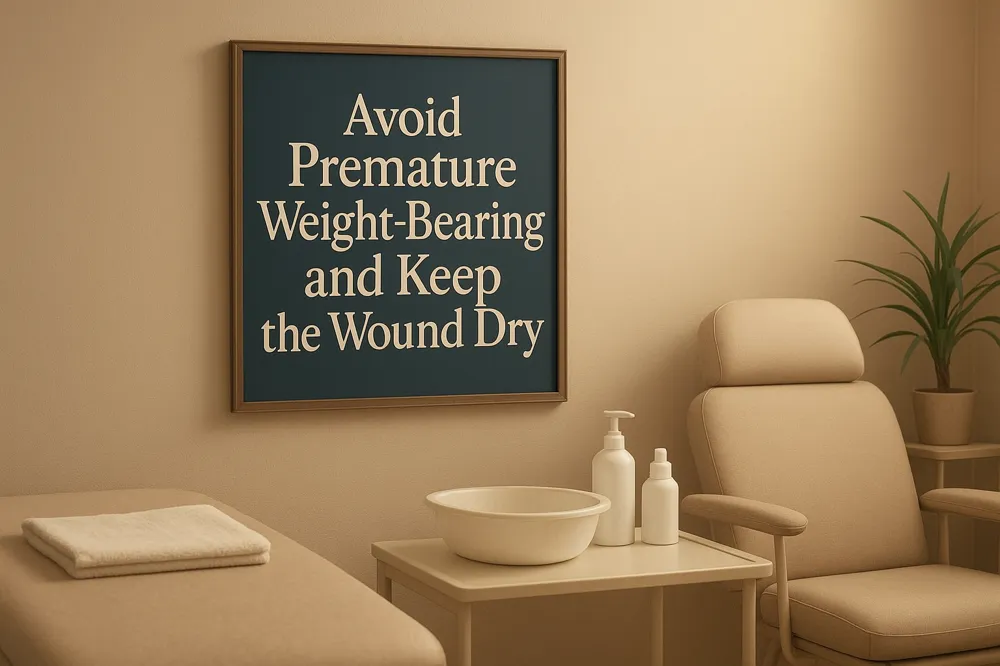
Strictly following weight-bearing restrictions post-surgery is crucial after foot surgery. Avoid putting weight on the operated foot too soon, as premature loading can disrupt bone healing and damage surgical repairs. Use assistive devices like crutches or walkers as directed until you receive clearance from your healthcare provider.
Post-operative hygiene is vital to prevent infection. Keep the surgical site clean and dry, change dressings according to instructions, and avoid soaking the foot. Using waterproof covers during showers can protect dressings. Monitor the wound closely for signs of infection such as redness, swelling, or unusual discharge, and report these immediately.
Smoking and alcohol consumption should be avoided during recovery. Smoking reduces blood flow, impairs tissue oxygenation, and delays healing. Alcohol consumption can interfere with medications and hinder the body's repair processes.
Adhere carefully to all prescribed activity limitations and medication schedules. Overexertion, such as excessive walking or early removal of protective footwear, can lead to complications. Medication compliance, including antibiotics and pain management drugs, supports healing and infection prevention.
Common behaviors to avoid include allowing the foot to hang down frequently, which increases swelling; neglecting follow-up appointments; and skipping physical therapy exercises. Patience and communication with your surgical team optimize your recovery outcome.
Creating a Safe and Supportive Recovery Environment

Home modification tips to prevent falls
Preparing your home environment is vital to prevent accidents during home safety modifications. Install grab bars in key areas like bathrooms, add sturdy handrails on stairs, and use non-slip mats in potentially slippery zones. Clear pathways of clutter and arrange frequently used items within easy reach to minimize unnecessary movement and reduce fall risks.
Organizing a recovery station at home
Set up a dedicated recovery area on a single level of your home that includes essentials such as medications, water, snacks, entertainment, and mobility aids like crutches or walkers. This station allows you to minimize movement and maintain comfort while promoting healing.
Importance of caregiver support and daily assistance
Caregivers play an essential role by assisting with wound care—keeping the surgical site clean and dry as per the surgeon’s instructions—and helping with mobility and daily chores. They also support pain management by ensuring timely medication and monitor for any complications such as unusual swelling, redness, or signs of infection, seeking medical help when necessary. See more on post-surgery caregiver support.
Transportation and mobility aid considerations
Arranging transportation assistance is important during recovery, as driving is often restricted. Caregivers or support persons can provide rides to follow-up appointments and help with errands. Using prescribed mobility aids accurately, such as crutches or walkers, prevents undue stress on the healing foot. Learn about using assistive devices after surgery.
Preventing complications through environmental preparation
A safe environment reduces the risk of falls and injury that can cause setbacks. Proper elevation of the foot and adherence to weight-bearing restrictions rely on having a comfortable space. Organizing the recovery area and modifying the home to be accessible support these practices and promote optimal healing. For details, refer to home modifications for foot and ankle surgery.
How can caregivers best support someone recovering from foot surgery?
Caregivers should ensure incision site care by keeping it clean and dry following specific surgical guidelines. Assisting with mobility using prescribed devices and encouraging safe movement helps circulation and prevents blood clots. Maintaining adequate nutrition and hydration enhances tissue repair, while diligent monitoring for complications—including infection signs and unusual pain—is crucial for timely intervention. Lastly, creating a safe home environment and reinforcing compliance with all post-op instructions greatly contribute to a smooth and effective recovery. Additional insights can be found in post-surgery preparation tips.
Understanding Recovery Timelines and Progressive Mobility
How long does recovery typically take after foot surgery?
Recovery from foot surgery varies by procedure but generally involves several phases of healing. For common surgeries like metatarsal or ankle arthroscopy, tenderness and swelling can persist for 3 to 4 months. Some minor procedures may heal faster, typically within 6 to 8 weeks, while complex surgeries may require up to a year to fully recover. Follow-up appointments during this period include wound care, cast or bandage removal, and monitoring for complications. Adhering to surgeon instructions and rehabilitation plans is essential to optimize healing.
How soon after foot surgery can a patient begin walking?
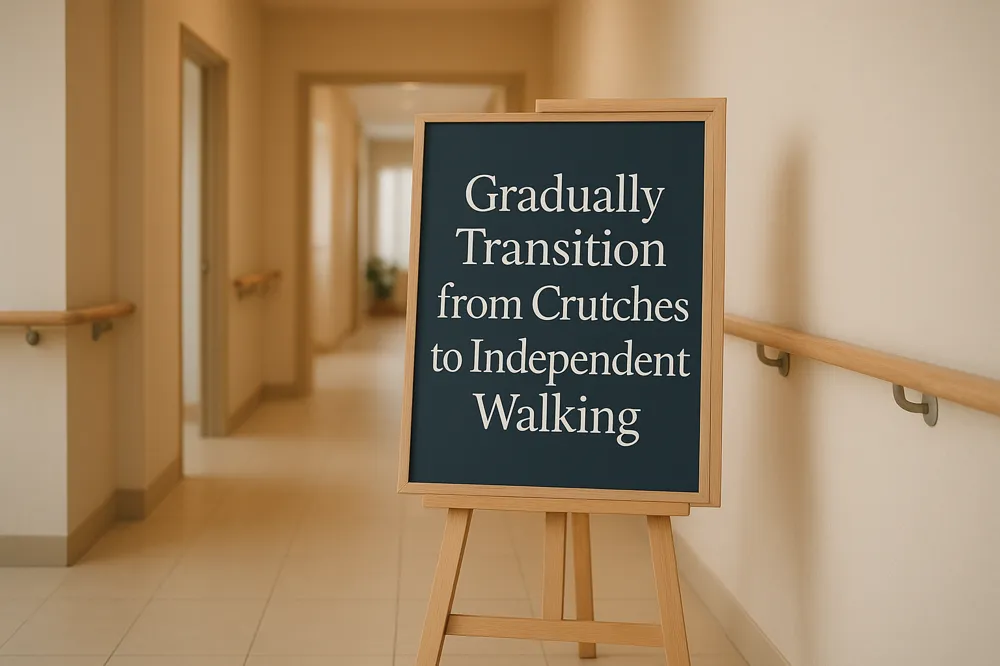
Immediately after surgery, patients are typically advised to avoid bearing weight on the affected foot. The non-weight-bearing phase usually lasts from a few days to several weeks depending on the surgery's complexity. Assistive devices such as crutches, knee scooters, or walkers help support mobility during this period. Gradual transition to partial and then full weight bearing is guided closely by the healthcare provider to prevent undue stress on the surgical site.
What are the phases of weight-bearing progression?
Post-surgery walking progresses through three general stages:
- Non-Weight Bearing (NWB): No pressure on the foot, using aids like crutches or knee scooters.
- Partial Weight Bearing (PWB): Gradual application of 25% to 50% body weight, commencing usually between 2 to 6 weeks post-surgery.
- Full Weight Bearing (FWB): Complete weight on the foot, generally starting 6 to 12 weeks after surgery once adequate healing is confirmed.
Transitioning is done cautiously, with patients monitoring pain or swelling and adjusting accordingly.
What walking aids support recovery and how do patients transition to independent mobility?
Walking aids include crutches, walkers, knee scooters, and specialized post-op shoes or boots to protect the foot. Initially, assistive devices offload weight and provide balance. Patients gradually reduce reliance on aids as strength and confidence improve, commencing with short, controlled steps and progressing to walking on various surfaces. Physical therapists guide exercises to improve gait, balance, and functional mobility during this transition.
When can patients safely resume driving and work activities?
Driving is typically deferred until patients have discontinued pain medications, especially narcotics, and regain sufficient control and strength, particularly if the right foot was operated upon. This often occurs several weeks after surgery but varies individually. Return to work depends on the job nature; desk-based roles may resume within a week, whereas occupations involving prolonged standing or walking may require a 3 to 6 weeks recovery or longer.
How does physical therapy benefit post-surgical recovery?
Physical therapy plays a critical role in restoring range of motion, strength, flexibility, and balance. Early mobilization of joints when approved reduces stiffness and enhances circulation. Therapists tailor programs including stretching, strengthening, gait retraining, and balance exercises to each patient's needs, promoting safe and efficient return to full function. Regular physical therapy also helps prevent complications and supports long-term foot health.
Leveraging Advanced Therapies and Nutrition for Faster Healing
What general steps can help speed up recovery after foot surgery?
Speeding up recovery after foot surgery involves a comprehensive approach combining rest, medication, and adherence to Post-Op Foot Care Tips. Adequate rest and strict compliance with prescribed medications reduce pain and infection risk. Use of assistive devices like crutches or walkers helps protect the surgical site by limiting movement.
Preparing the home environment by removing tripping hazards and arranging caregiver support ensures safety and convenience. Physical therapy as recommended promotes strength and mobility restoration. Attending all follow-up appointments allows healthcare providers to monitor healing progress, manage complications, and adjust treatments, such as introducing MLS laser therapy benefits or shockwave treatments, which can reduce pain, swelling, and accelerate healing.
What are effective tips for healing faster after surgery?
Creating a comfortable recovery space, stocked and ready before surgery, reduces stress and supports healing. Hydration and a balanced diet rich in protein, vitamins (A, C, D), zinc, and anti-inflammatory fats foster tissue repair. Keeping swelling in check through elevation and ice application enhances comfort and recovery rates.
Avoiding harmful habits such as smoking and excessive alcohol consumption is critical, as these impair blood flow and interrupt cellular repair mechanisms. Rest and quality sleep facilitate tissue regeneration and immune function crucial for recovery.
Furthermore, a multidisciplinary post-operative care approach—including advanced therapies like MLS laser therapy benefits, physical therapy, nutritional counseling, and psychological support—has been shown to optimize overall recovery outcomes by addressing diverse healing needs.
| Recovery Aspect | Recommendations | Benefits |
|---|---|---|
| Rest and Medication | Follow prescribed dosages, rest adequately | Pain control, reduced complications |
| Assistive Devices | Use crutches, walkers as directed | Protect surgical site, safe mobility |
| Home Preparation | Remove hazards, arrange caregiver help | Reduced fall risk, convenience |
| Nutrition & Hydration | High-protein diet, vitamins, 8+ glasses water | Tissue repair, energy for healing |
| Advanced Therapies | MLS laser therapy benefits, shockwave therapy | Reduced pain, inflammation; promotes faster recovery |
| Avoid Harmful Habits | No smoking or excessive alcohol | Prevents impaired healing and infection |
| Physical Therapy | Follow rehab protocols | Restore strength, mobility, and balance |
| Follow-up Care | Attend all appointments | Monitor healing, early complication detection |
Key Takeaways for a Smooth and Speedy Foot Surgery Recovery
Essential Recovery Practices
Proper preparation before surgery and a safe home environment can greatly ease recovery. Strict adherence to post-operative instructions—such as rest, elevation, medication, limited weight-bearing, and use of assistive devices—is vital for healing.
Importance of Professional Guidance
Follow your surgeon’s weight-bearing timeline and physical therapy recommendations closely. Regular follow-ups ensure progress is monitored and complications detected early.
Patience and Vigilance
Recovery times vary from weeks to months based on procedure complexity. Stay patient and watch for warning signs like persistent pain, swelling, redness, or fever. Promptly report any abnormal symptoms to your healthcare provider to prevent complications.
Effective healing requires a blend of careful self-care, professional support, and maintaining a realistic outlook throughout your recovery journey.