Why the Recovery Phase Matters
Why the Recovery Phase Matters
Recovery after foot or ankle surgery is a carefully staged process that can last from a few weeks to several months, depending on the procedure and the patient’s overall health. A straightforward bunionectomy often requires six to eight weeks of protected healing, while complex reconstructions or ankle fracture repairs may demand up to six months before swelling fully resolves and pain subsides. Some patients find that it takes a full year to feel completely normal. These timelines are not estimates—they reflect the biological reality of tissue repair: bone consolidation, tendon remodeling, and scar maturation all proceed at a pace that cannot be rushed.
The phase immediately after surgery is particularly critical. Most patients are instructed to remain non‑weight‑bearing for at least two weeks, and sometimes longer, using crutches, a knee scooter, or a wheelchair. During this period, the surgical site is vulnerable to disruption. Even the most advanced minimally‑invasive techniques—such as da Vinci‑assisted bunion correction or arthroscopic ankle debridement performed at our clinics in NW Chicago and South Florida—succeed only when the post‑operative plan is followed to the letter. A skillfully performed operation can be undone by a single day of premature weight‑bearing, neglected wound care, or skipped medication. Strict adherence to instructions for rest, elevation, pain management, and activity restrictions is as important as the procedure itself.
Why does the recovery phase matter so much? Because the decisions you make in the weeks after surgery directly influence the quality of healing. Elevating the foot above heart level for the first 48 to 72 hours dramatically reduces swelling and improves blood flow. Taking prescribed antibiotics and pain relievers on schedule prevents infection and keeps discomfort from interfering with gentle movement. Keeping the dressing clean and dry protects the incision from bacteria. Each of these actions is supported by decades of clinical evidence. Conversely, common pitfalls—such as putting weight on the foot too soon, removing the bandage prematurely, or resuming normal walking without clearance—can lead to infection, delayed union, blood clots, or even the need for additional surgery.
Equally important is the mental aspect of recovery. Boredom, frustration, and isolation are common when mobility is limited, and they can undermine motivation to follow the regimen. Preparing a recovery station with essentials within reach, stocking pre‑cooked meals, and arranging for a caregiver during the first few days all reduce stress and improve compliance. Expecting a gradual, non‑linear progression—with good days and bad—helps patients stay patient and focused. The goal is not simply to survive recovery but to optimize it.
The following guidance draws on the most reliable and up‑to‑date sources, including Sunshein Podiatry, Mount Nittany Health, UMass Memorial Health, the American Academy of Orthopaedic Surgeons, and dozens of other expert institutions. These resources have been synthesized into a practical road‑map that covers five essential areas: preparing your home and support network before surgery, managing pain and swelling effectively in the early weeks, protecting the surgical site through proper wound care and weight‑bearing restrictions, progressing through phased rehabilitation exercises, and recognizing warning signs that require prompt medical attention. Each section is designed to shorten swelling, limit complications, and get you back on your feet faster.
In the sections ahead, you will find a step‑by‑step plan that combines pre‑op preparations, immediate post‑op care, pain management strategies, wound care protocols, and a three‑phase exercise progression—from gentle range‑of‑motion movements in the first weeks to strengthening and balance training after clearance. Following this plan won’t eliminate every challenge, but it will give you the evidence‑based tools to recover safely and efficiently. The effort you invest in the recovery phase pays dividends in reduced downtime, fewer setbacks, and a quicker return to the activities you enjoy.
1. Prepare Your Home and Your ‘Recovery Kit’
 Before surgery, stock two weeks’ worth of paper products, pantry staples, and cleaning supplies. Fill your freezer with pre‑cooked meals so you won’t need to shop while you’re non‑weight‑bearing.
Create a “recovery station” on your main floor: water, medications, phone, and entertainment (books, puzzles, streaming device) all within arm’s reach. Keep sleeping, dressing, and bathing on one level; remove loose rugs and cords; add night‑lights; and relocate everyday items to counter height. Install grab bars in the bathroom, a tub chair, and non‑skid mats. Use a bedside elevation wedge or firm pillows to keep your foot above heart level.
Essential mobility aids include crutches, a walker, a knee‑scooter, or a seated scooter. Have a waterproof cast cover for showering and a post‑op shoe or surgical boot to protect the incision for 2–6 weeks. A body‑weight‑support backpack lets you carry essentials without straining the injured foot.
2. Immediate Do‑And‑Don’t List (First 48‑Hours)
The first 48 hours after foot or ankle surgery are the most challenging. The nerve block fades, pain peaks, and swelling is at its highest. Proper management during this window sets the stage for a smooth recovery.
What not to do after foot surgery?
- Do not smoke – nicotine constricts blood vessels and dramatically slows tissue repair.
- Never drive yourself home – arrange a designated driver and a caregiver who can stay the first night.
- Keep the cast, splint, or bandage completely dry – change dressings only when instructed; soaking the wound can introduce infection.
- Do not place any weight on the foot until your surgeon clears you – early weight-bearing can tear sutures or shift hardware.
- Do not ignore red‑flag symptoms – severe, unrelieved pain; fever > 100.4 °F; spreading redness, drainage, calf pain, or shortness of breath. Call your surgeon immediately if any occur.
What are the worst days after foot surgery?
The first 48 hours are the most painful. Use prescribed pain medication before the nerve block wears off, keep the foot elevated above heart level, and apply ice for 15–20 minutes every 2–3 hours (never directly on skin). Rest is therapeutic – lying flat with the leg propped on pillows prevents additional inflammation and allows the body’s natural repair cascade to proceed unimpeded.
3. Elevation, Ice & Pain Management – The Core Speed‑Up Tools
How to properly elevate your foot after surgery?
To control swelling and pain, position the foot 6–12 inches above heart level. Lie flat and place a pillow or foam wedge under the ankle—the knee should stay level with the hip. Avoid stools or recliners that let the foot drop, as this encourages fluid pooling and worsens swelling.
When can I stop elevating my foot after surgery?
Elevate continuously for the first 5 days while awake, and keep the leg raised at night for 2 weeks. After that, you can taper off, but many surgeons still recommend a pillow under the foot when sitting or sleeping if swelling persists. Typically, after two weeks, elevations become intermittent based on comfort. For more details, see Sunshein Podiatry's guide to foot and ankle surgery recovery and Managing swelling after foot/ankle surgery.
Are you supposed to sleep with your foot elevated after foot surgery?
Yes—place a couple of pillows under the leg while lying down so the foot stays slightly above heart level. This reduces swelling and pain during sleep.
How can I speed up recovery after foot surgery?
Start prescribed pain medication as soon as the nerve block wears off, taking it on a regular schedule. Combine this with cold packs for pain and swelling. After the first 5 days, brief heat can relax tightened tissues. Support healing with a diet rich in protein, vitamin C, zinc, and iron—and avoid smoking and excess alcohol. For additional tips, check tips to speed up healing after foot surgery and Boost recovery with protein‑rich foods.
4. Mobility Timeline & Exercise Blueprint
How long does it take to walk after foot surgery?
Recovery timelines vary significantly based on the specific procedure. For simple soft-tissue repairs, walking with crutches may begin within 2-3 weeks. More complex surgeries, such as ankle fusion or metatarsal fixation, typically require a non-weight-bearing period of 2 to 6 weeks, followed by another 4 to 6 weeks in a protective boot before transitioning to normal shoes. For minimally invasive bunion or plantar fasciitis surgeries, limited weight-bearing in a post-operative shoe can sometimes start within 3-5 days, with full walking without aids often returning around the 4-6 week mark.
What is the best exercise after foot surgery?
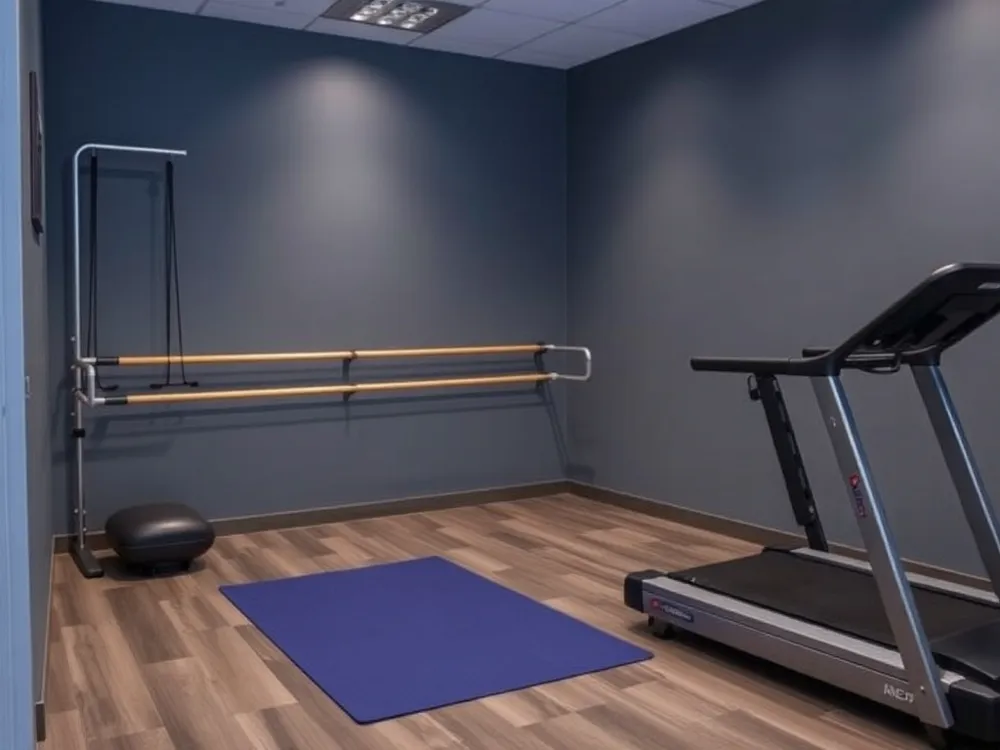
Once cleared by your surgeon, a phased exercise sequence yields the best results. Begin with gentle range-of-motion (ROM) exercises like toe wiggles, ankle circles, and tracing the alphabet with your foot. Next, progress to non-weight-bearing strengthening using towel scrunches, supported heel raises, and toe extensions with a light resistance band. Finally, incorporate balance exercises such as single-leg stance and heel-to-toe walking to restore stability.
What non-weight-bearing exercises can I do after foot surgery?
While protecting the surgical site, you can perform several effective non-weight-bearing moves. These include ankle pumps, alphabet tracing, seated calf stretches with a strap, arch doming, and using a golf ball or marble pickups to mobilize the plantar fascia. These movements help maintain circulation and flexibility.
What upper-body exercises are safe after foot surgery?
Maintaining overall fitness is important. Safe options include seated dumbbell curls, resistance-band rows, tabletop crunches, dead bugs, and modified push-ups performed on your knees or with hands elevated on a surface. These exercises keep strength up without placing any load on the healing foot.
What exercises should be avoided after ankle surgery?
You should avoid high-impact activities like running and jumping. Also, refrain from swimming until incisions are fully healed, and avoid any heavy weight-lifting, deep squats, or weight-bearing activities until your surgeon provides explicit clearance. Pushing too hard too early can disrupt healing.
Phased Mobility & Exercise Reference Table
| Recovery Phase | Typical Timeline | Key Activities | Primary Goals |
|---|---|---|---|
| Phase 1: Non-Weight-Bearing | 0–6 weeks | Ankle pumps, alphabet, seated stretches, towel scrunches | Protect surgical site, maintain ROM, reduce swelling |
| Phase 2: Partial Weight-Bearing | 4–6 weeks (varies) | Walking in a boot, gentle heel raises, stationary bike without resistance | Re-introduce safe loading, begin strengthening |
| Phase 3: Full Weight-Bearing | 6+ weeks | Walking in shoes, single-leg balance, heel-to-toe walk, PT-guided exercises | Restore gait, full strength, and stability |
Physical therapy is essential. A therapist will supervise your progression, teach proper gait retraining, and adjust the plan as you advance, ensuring a safe and effective return to your daily activities.
5. Watchful Waiting, Follow‑Ups & Bonus Healing Boosters
 Post-operative vigilance is crucial. Monitor for warning signs that require immediate medical attention: worsening pain not relieved by medication, fever exceeding 100.4°F, spreading redness, pus, or foul odor at the incision. Sudden calf pain, swelling, or shortness of breath may indicate a blood clot (DVT), while blue or white toes signal poor circulation.
What are the warning signs after foot surgery?
Immediate attention is needed for persistent pain, fever, spreading redness, pus, new numbness, calf swelling, or shortness of breath.
How long does it take for nerves to heal after foot surgery?
Minor numbness from anesthesia resolves in hours to days, but nerve regrowth averages 1 mm per day. Full sensation may return over 3–6 months, sometimes up to a year.
Why is my foot taking so long to heal?
Slow healing often stems from poor circulation, infection, uncontrolled diabetes (A1c > 7%), smoking, malnutrition, dehydration, or premature weight-bearing.
The role of regular follow‑up visits
Scheduled visits (often at 1 week, 2 weeks, then monthly) allow your surgeon to monitor swelling, incision health, and adjust your rehab plan. Early detection of complications like excess drainage or hardware irritation keeps your timeline on track.
Adjunctive therapies that can speed tissue repair
Low‑level (MLS) laser therapy reduces pain and swelling. Class IV laser or regenerative injections (PRP, amniotic fluid) promote blood flow and collagen synthesis. Medical taping supports the foot without restricting motion.
Mental engagement matters
Prolonged boredom raises cortisol, hindering healing. Keep a stash of movies, books, puzzles, or start a new hobby. Writing letters or journaling helps maintain a positive mindset.
Take Control of Your Healing
Your surgeon’s protocol is the foundation – follow it, schedule every follow‑up, and report any red‑flag symptom without delay.
Adhering strictly to written and verbal post‑operative instructions gives your body the best chance to heal correctly. Rest, medication timing, wound care, movement limits, and assistive‑device use are all non‑negotiable parts of the plan. Attend every scheduled follow‑up so your surgical team can monitor progress, spot complications early, and adjust the recovery plan as needed. Call your provider immediately if you notice fever, spreading redness, drainage, severe calf pain, shortness of breath, or pain that worsens instead of improves – these are red flags that require urgent attention.
Combine the basics with a structured exercise ladder and a home‑safety checklist to compress swelling, reduce pain, and regain strength faster.
Start with the proven fundamentals: elevate the foot above heart level for at least the first few days, apply ice for 15–20 minutes several times daily, stay hydrated, and eat a protein‑rich diet with plenty of fruits and vegetables. Once your surgeon clears you, begin gentle range‑of‑motion exercises like ankle pumps and alphabet tracing. Progress to light strengthening moves (towel scrunches, seated heel raises) and then to balance drills (single‑leg stance, heel‑to‑toe walk). Prepare your home in advance by removing trip hazards, installing grab bars and a shower chair, and keeping essentials within easy reach. This combination of medical fundamentals, phased exercise, and a safe environment tackles swelling, reduces pain, and supports steady strength gains.
When you’re ready, our Advanced Foot Care IL clinic can tailor a post‑op plan that includes MLS laser, regenerative injections, and a personalized PT program – the extra support that turns a good recovery into a great one.
Every recovery is different, and having a customized plan can make a significant difference. Our clinic offers advanced adjunctive therapies such as MLS laser therapy to lessen pain and swelling, and regenerative injections (PRP or amniotic) to stimulate natural tissue repair. We also design personalized physical therapy programs that fit your lifestyle and work demands. This extra support does not replace the basic protocol – it builds on it, helping you move more comfortably through each phase and return to your normal activities sooner. Contact us to discuss how we can tailor your recovery plan.