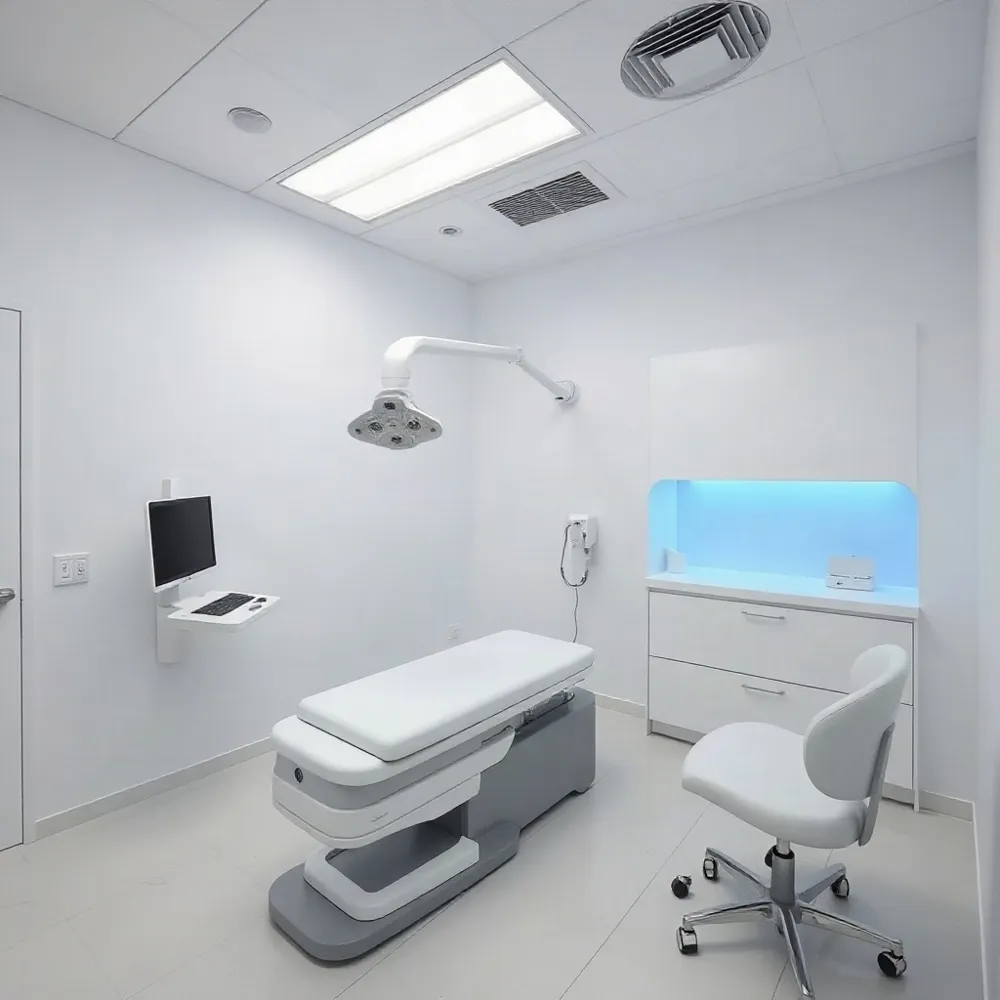
Innovative Non-Surgical Solutions for Chronic Heel Pain
Chronic heel pain, particularly when diagnosed as plantar fasciitis, represents a significant hurdle to daily mobility and quality of life. Many patients face prolonged periods of discomfort that interfere with walking, working, and exercise, often lingering even after initial attempts at rest, physical therapy, or medication. At advancedfootcareil.com, we specialize in addressing these persistent conditions through advanced, minimally invasive interventions designed to promote healing without the necessity of surgery.
A primary innovation in our care approach is Extracorporeal Shockwave Therapy (ESWT). This non-surgical procedure utilizes high-energy acoustic pressure waves to stimulate the body's natural healing pathways. By harnessing sound waves to trigger localized repair, this therapy aims to reduce inflammation, improve blood flow, and address damaged musculoskeletal tissues that have failed to respond to traditional conservative care. As noted by Extracorporeal Shockwave Therapy for Foot Pain, the treatment is often a reliable alternative for patients seeking relief from plantar fasciitis who hope to avoid invasive surgical measures.
While some medical facilities rely on standard conservative protocols that may take longer to yield results, we prioritize efficient, individualized care plans. Our practice focuses on high-quality outcomes by leveraging advanced diagnostic tools and proven procedural timelines. Clinical studies, such as the Effectiveness of shockwave therapy in the treatment of plantar fasciitis, show that patients can experience significant improvements in pain levels and functional capacity, reaching success rates as high as 75 to 80 percent for persistent cases. We remain committed to helping active patients navigate their recovery journeys through science-backed, non-invasive technology.
Understanding the Science Behind Acoustic Wave Healing
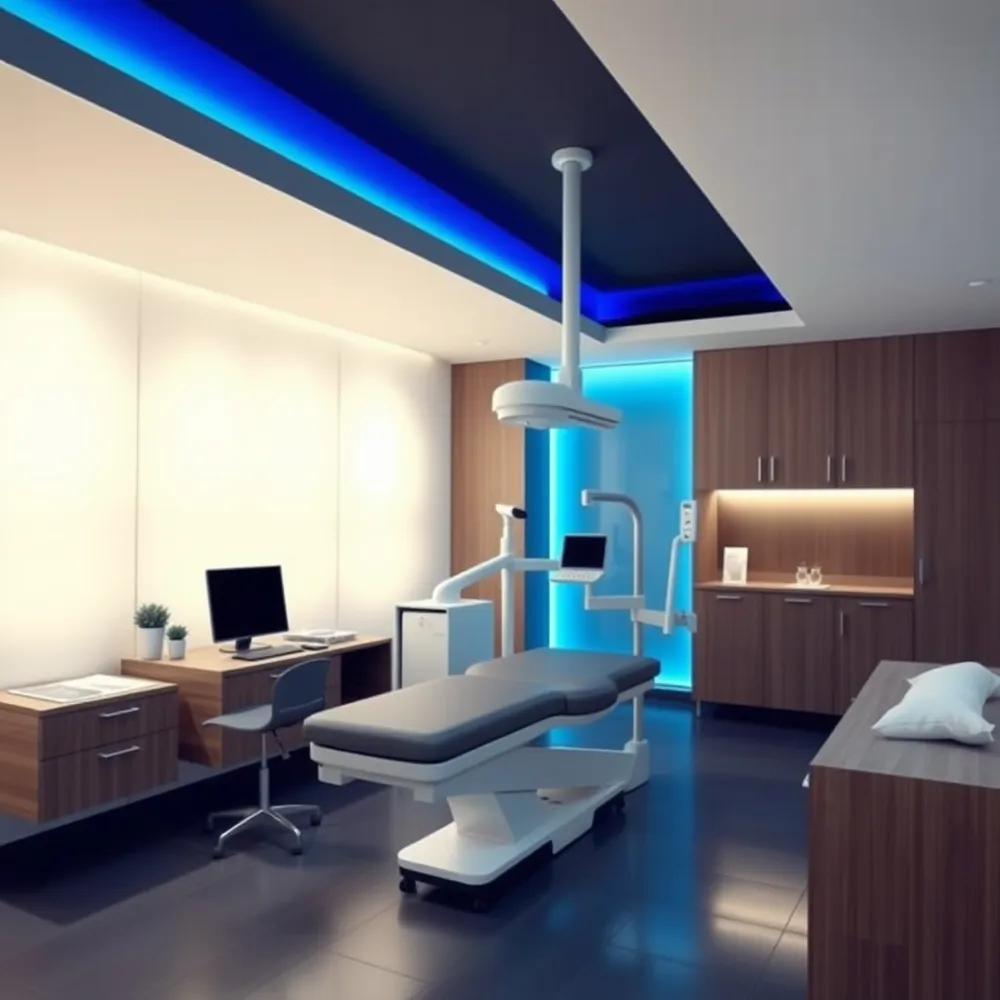 Shockwave therapy, often referred to as extracorporeal shockwave therapy, is a non-invasive procedure that uses acoustic pressure waves to facilitate healing in damaged tissues. By delivering high-energy sound pulses to a specific site, clinicians can stimulate the body's latent recovery processes, including the formation of new blood vessels, increased collagen production, and cellular regeneration. This targeted approach is particularly effective for chronic musculoskeletal conditions that have stagnated due to limited circulation or persistent inflammation.
Is shockwave therapy effective for treating chronic foot and heel pain?
Yes, shockwave therapy is a highly effective, non-invasive treatment for chronic foot and heel pain, particularly for patients who have not found relief through conventional methods like orthotics, physical therapy, or injections. By delivering acoustic pressure waves to the affected area, the therapy jumpstarts the body’s natural repair mechanisms, including the formation of new blood vessels and the stimulation of cellular regeneration. This innovative treatment helps break the cycle of chronic pain by boosting collagen production and aiding in the breakdown of painful calcifications associated with conditions like plantar fasciitis and Achilles tendonitis. Additionally, shockwave therapy disrupts pain receptors to provide symptom relief while simultaneously addressing the underlying tissue damage. As a proven, evidence-based intervention, it offers a reliable path toward recovery for those seeking to regain their mobility without the need for surgery.
The efficacy of the treatment often depends on the type of device utilized by your podiatrist. Focused shockwave therapy targets energy to a specific focal point several centimeters deep, which is ideal for addressing deep-seated tissue injuries. In contrast, radial shockwave devices distribute pressure waves more superficially using a pneumatic mechanism, making them well-suited for broader, surface-level muscle or fascia issues. At advancedfootcareil.com, we utilize these advanced modalities to tailor a treatment plan specifically to the severity and location of your condition.
| Feature | Focused Therapy | Radial Therapy |
|---|---|---|
| Target Depth | Deep tissue | Superficial |
| Delivery Method | Electromagnetic | Pneumatic |
| Primary Use | Chronic fasciitis | Muscle/tendon |
Clinical Protocols and Patient Treatment Schedules
 For patients considering extracorporeal shockwave therapy, understanding the structured nature of treatment is vital. At advancedfootcareil.com, we utilize clinically validated protocols that prioritize both safety and long-term resolution of chronic heel pain. Unlike transient fixes, this approach relies on a series of sessions to trigger biological repair, such as improved blood flow and collagen stimulation.
What is the typical protocol and expected number of sessions for shockwave therapy?
The typical protocol generally involves a series of three to five sessions, with each treatment spaced approximately one week apart to allow the body's natural healing response to develop. Each session typically requires five to ten minutes of active treatment time, though you should plan for a 20 to 30-minute appointment to account for assessment and preparation. This cumulative approach is necessary because the therapy functions by triggering biological processes, such as neovascularization and collagen synthesis, which take time to fully manifest. While some patients may notice early improvements during the treatment phase, most experience the most meaningful pain relief between four and twelve weeks after completing the final session, as corroborated by research showing sustained improvements following a single, high-energy session.
Precise delivery is the hallmark of modern podiatric care. At advancedfootcareil.com, your podiatrist will tailor the exact number of sessions and the energy intensity of the pulses based on the severity of your specific condition and how your tissue responds to the treatment. This level of customization distinguishes our medical approach from generalized or in-home devices that lack professional oversight.
Managing Expectations for Recovery and Symptom Relief
 Understanding that extracorporeal shockwave therapy functions as a catalyst for biological repair is essential for accurate clinical expectations. Unlike treatments that merely suppress symptoms, this procedure initiates a multi-week regenerative process within the plantar fascia to address deep-seated tissue damage.
How soon will I notice improvement after starting shockwave therapy?
Shockwave therapy is not an instant fix, as it works by triggering a biological healing response within the tissue rather than simply masking symptoms. While some patients report early improvements in pain levels and mobility within the first few weeks of treatment, the results are typically cumulative and gradual. Most patients begin to notice significant, lasting relief as their tissues regenerate over a 12-week window. Because the process stimulates long-term structural repair, clinical outcomes often continue to improve and peak several months after your final session. Progress is best measured by your increased tolerance to activity and reduced morning discomfort as your body builds a more durable recovery.
In practice, the success rate for many patients reaches 75 to 80 percent, but consistent adherence to post-procedure guidance is a requirement for these outcomes. Patients should view their return to activity as a progressive scale; while immediate weight-bearing is common, high-impact stressors should be limited until deeper tissue structural maturity is reached. At advancedfootcareil.com, clinicians emphasize that metrics like the Visual Analog Scale provide a standard benchmark for monitoring this gradual shift in pain perception and functional capacity throughout the recovery cycle.
Safety Profile and Considerations for Candidates
Extracorporeal Shockwave Therapy is widely recognized as a safe, non-invasive procedure when performed by a qualified medical professional. Unlike invasive surgical interventions, this outpatient treatment allows patients to avoid the complexities of general anesthesia and the risks of post-surgical infection.
Are there side effects or risks associated with shockwave therapy?
Most patients report only mild, transient side effects following a session. These can include localized discomfort, minor bruising, or temporary skin reddening at the treatment site, which typically resolve within days. At advancedfootcareil.com, clinicians emphasize that these minor reactions are a normal part of the body's healing response.
While the safety profile is strong, it is not suitable for every patient. Certain medical conditions act as contraindications, including pregnancy, the presence of bone tumors, or specific metabolic bone disorders. Furthermore, individuals with severe infections in the target area or those currently taking anti-coagulation medications should discuss these factors with their doctor, as these may impact the safety and efficacy of the treatment.
The foundation for a successful outcome is a comprehensive pre-treatment clinical evaluation. A thorough exam ensures that your heel pain is indeed related to conditions like chronic plantar fasciitis rather than injuries such as stress fractures or nerve entrapment. By confirming the specific source of your discomfort first, the specialists at advancedfootcareil.com tailor the energy levels of the acoustic waves to ensure both your safety and the best possible recovery results.
Post-Procedure Activity and Patient Compliance
One primary advantage of extracorporeal shockwave therapy is its non-invasive nature, which allows for immediate weight-bearing capability post-treatment. Unlike traditional surgeries that necessitate prolonged immobilization or crutches, patients treated at advancedfootcareil.com can typically walk out of the office following their appointment. This immediate mobility helps integrate recovery into daily routines without the disruption of significant downtime.
While mobility is preserved, essential activity modifications are recommended for the first 48 hours to optimize clinical outcomes. Patients should avoid high-impact activities, such as running or jumping, as the procedure initiates controlled microtrauma designed to stimulate natural tissue repair. During this phase, advancedfootcareil.com advises patients to prioritize rest and monitor the site for temporary symptoms such as mild swelling, bruising, or tingling. Adhering to these activity restrictions ensures that the body's healing response remains focused on regenerating healthy tissue.
Following podiatric guidance on medications and exercise is critical to success. For instance, while it may be tempting to reach for over-the-counter anti-inflammatories to manage soreness, many providers suggest avoiding these for at least 48 hours. Medications like aspirin or ibuprofen act to suppress inflammation, which can unintentionally interfere with the inflammatory process that shockwave therapy purposefully triggers to initiate healing. At advancedfootcareil.com, we recommend confirming every aspect of your post-procedure protocol with your podiatrist to ensure treatment efficacy. A disciplined approach to these guidelines significantly improves the chances of achieving the sustained reduction in heel pain that many patients seek.
Professional Diagnosis versus In-Home Devices
Accurate diagnosis serves as the foundation for any successful recovery plan. At advancedfootcareil.com, specialists utilize advanced diagnostic tools like ultrasonography to identify specific issues like plantar fascia thickening or hypoechogenic regions that standard exams might miss. Relying on an official clinical evaluation ensures that the source of pain—whether it involves bone spurs, ligament strain, or nerve complications—is precisely identified before intervention begins.
Are home-based shockwave therapy devices effective for treating plantar fasciitis?
Home-based shockwave therapy devices generally lack the clinical-grade power and penetration depth required to effectively treat complex musculoskeletal conditions like plantar fasciitis. While professional devices at clinics like advancedfootcareil.com utilize either focused or radial technology—each designed to reach specific tissue depths and stimulate cellular healing—at-home alternatives often provide insufficient energy output to reach the damaged fascia. Furthermore, professional extracorporeal shockwave therapy requires precise anatomical targeting by a licensed podiatrist to avoid injury and ensure the pressure wave is applied to the exact site of pathology. Attempting to manage chronic heel pain with consumer-grade equipment lacks the necessary medical oversight, diagnostic imaging, and adjusted protocols essential for a successful recovery. For safe and lasting relief from plantar fasciitis, patients should seek professional treatment from an experienced surgeon rather than relying on unproven devices.
Navigating Insurance Coverage and Financial Planning
The cost and insurance coverage for extracorporeal shockwave therapy are primarily influenced by your specific insurance provider, the individual policy details, and whether the treatment is deemed medically necessary for your diagnosis. While some plans may offer coverage for recognized orthopedic or musculoskeletal conditions such as plantar fasciitis or specific tendinopathies, many insurance companies classify the procedure as experimental for other clinical purposes.
Factors affecting out-of-pocket costs typically include the number of sessions required and the complexity of the specific condition being addressed. Because eligibility is rarely uniform across different plans, we highly recommend contacting your insurance provider directly to verify your benefits. Alternatively, you may speak with our billing office at advancedfootcareil.com, and we will be happy to assist you in navigating your coverage options for this treatment. Patients should clarify these details before starting therapy to manage expectations regarding potential financial obligations and covered services.
The Comprehensive Path to Lasting Heel Pain Recovery
Achieving long-term relief from chronic heel pain often requires more than a single intervention. While extracorporeal shockwave therapy effectively stimulates tissue repair, clinical results at advancedfootcareil.com consistently show that superior outcomes occur when patients pair this technology with dedicated physical therapy and custom orthotics.
Addressing the underlying biomechanics of your walk is essential to prevent the return of inflammation. A thorough assessment of your foot posture or gait abnormalities allows for a more personalized treatment plan than standardized, off-the-shelf solutions can provide. At advancedfootcareil.com, the focus is on a comprehensive evaluation to ensure that your recovery remains durable rather than temporary.
If you are struggling with persistent discomfort, we invite you to schedule a consultation to determine if advanced therapies are the correct next step for your anatomy. Professional guidance helps you navigate the transition from initial clinical treatment to sustainable, pain-free daily activity.