

Getting Ready for Recovery
Before stepping into the post‑operative phase, turn your home into a zone. Clear hallways, remove rugs and cords, and arrange furniture so that crutches, a walker or knee scooter can glide without obstacles. In the kitchen, stock protein‑rich items—Greek yogurt, beans, lean meats, eggs—and prepare or freeze meals for at least two weeks, ensuring nutrition without daily cooking. Assemble a medical kit with sterile bandages, reusable ice packs, compression wraps, prescribed antibiotics or pain tablets, and a waterproof dressing cover. Designate a recovery corner on the floor: a chair, lamp, phone, water, and a tray for snacks within reach, allowing the foot to stay elevated and the patient to rest comfortably. Keep loose, slip‑on clothing and shoes nearby, and a small wardrobe within easy reach to avoid bending. Finally, schedule a friend, family member or neighbor to help with grocery trips, cleaning, and prescription pick‑up for a week or two.
Home Preparation and Essential Supplies
 Home safety: clear rugs, cords and clutter; add grab bars, non‑slip mats and night‑lights in bathroom and hallway. Recovery station: an area with a chair, pillows for leg elevation, phone, remote and reading material within reach. Meal planning: stock meals and freeze portions for two weeks; keep fluids and a grocery list. Medical supplies: keep pain pills, antibiotics, ice packs, cast covers, bandages, compression wraps and slip‑on shoes ready. Support network: arrange a caregiver or neighbor for meals, dressing and transport during the first week.
When can I stop elevating my foot after surgery? Keep it above heart level for 5–7 days, then up to two weeks; later 30 min every two hours as needed.
How to properly elevate your foot after surgery? Lie on your back, rest the foot on pillows higher than your heart for the first 24–36 hours, then intermittently.
Warning signs: increasing pain, fever >100.4 °F, redness, drainage, new numbness, calf pain or shortness of breath—contact surgeon.
Screw recovery follows standard timelines: two weeks of elevation and non‑weight‑bearing, then gradual activity, physical therapy, and full healing may take 3–12 months.
Managing Pain, Swelling, and Mobility
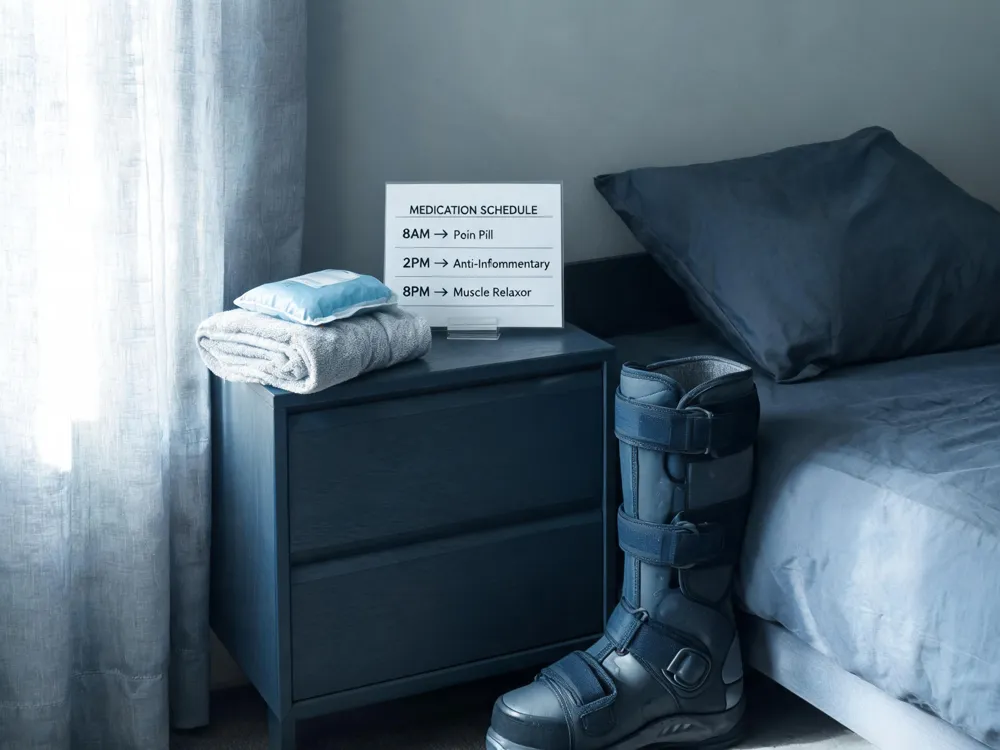 Effective recovery after foot or ankle surgery hinges on a few core steps. 1) Elevation and ice (RICE) – Keep the foot above heart level on pillows and apply a thin‑wrapped ice pack for 20 minutes, 3-5 times daily during the first 48-72 hours to curb swelling and pain. 2) Medications – Follow the surgeon’s schedule: non‑opioid agents such as ibuprofen or acetaminophen (alternating for continuous relief) and any prescribed opiates for breakthrough pain. 3) Assistive devices – Use the prescribed boot, crutches, walker, or knee scooter as directed; never bear weight until cleared. 4) Warning signs – Watch for fever > 100.4 °F, worsening pain, increasing redness, drainage, calf pain or swelling (possible DVT), or new numbness. Contact your podiatrist immediately if any appear. 5) Do‑not‑do list – Do not weight‑bear, drive, get the dressing wet, remove the boot or bandage, exceed acetaminophen limits, or use heat devices on the surgical site. 6) Quick answers – Pain relief comes from elevation, ice, scheduled meds, and gentle prescribed TENS or approved exercises. A boot stabilizes the foot for 1-6 weeks; keep it dry, check skin, and follow weight‑bearing orders. Post‑op care also includes rest, nutrition, and hydration to support healing.
Physical Therapy and Activity Progression
 Begin with early range‑of‑motion exercises such as ankle pumps, toe curls and gentle ankle circles to keep the joint mobile and promote circulation while the foot remains elevated. Most surgeons allow a transition from a post‑op boot to a protective shoe after 2–4 weeks, guiding patients from non‑weight‑bearing to partial weight‑bearing on the heel, then to full weight‑bearing as pain and swelling permit. Low‑impact cardio—swimming, stationary cycling or seated upper‑body workouts—can be introduced once the surgeon clears weight‑bearing, helping maintain overall fitness without stressing the healing foot. Nerve recovery after foot surgery is gradual; initial numbness often fades within days to weeks, while true nerve regeneration proceeds at roughly 1 mm per day, with noticeable sensation improvements over 3–6 months and complete recovery up to a year. Specific procedures, such as metatarsal fusion or fixation with ankle plates and screws, follow similar timelines: swelling declines over the first 6 weeks, partial weight‑bearing begins around week 6, and most patients resume normal activities, 3–4 months.
How long does it take for nerves to heal after foot surgery? Nerve healing is slow—initial tingling resolves in days to weeks, but full sensory recovery may take 3–12 months, depending on surgery extent and health factors.
Metatarsal foot surgery recovery time? Expect 6 weeks of limited weight‑bearing, gradual boot transition, and return to full activity by 3–4 months for typical fractures or fusions.
How long after foot surgery can I walk? Walking in a protective shoe may start within days for minimally invasive cases; more complex surgeries often require 2–6 weeks of non‑weight‑bearing before gradual progression.
What is the fastest way to recover from foot surgery? Prioritize strict rest, follow surgeon orders, keep the incision clean and dry, use ice and elevation, take prescribed meds, and begin therapist‑guided rehab as soon as cleared.
How to speed up healing after foot surgery? Follow all post‑op instructions, stay off the foot as advised, maintain a protein‑rich diet, stay hydrated, use ice/heat appropriately, and engage in early, guided physical therapy to restore strength and circulation.
Professional Support and Specialist Resources
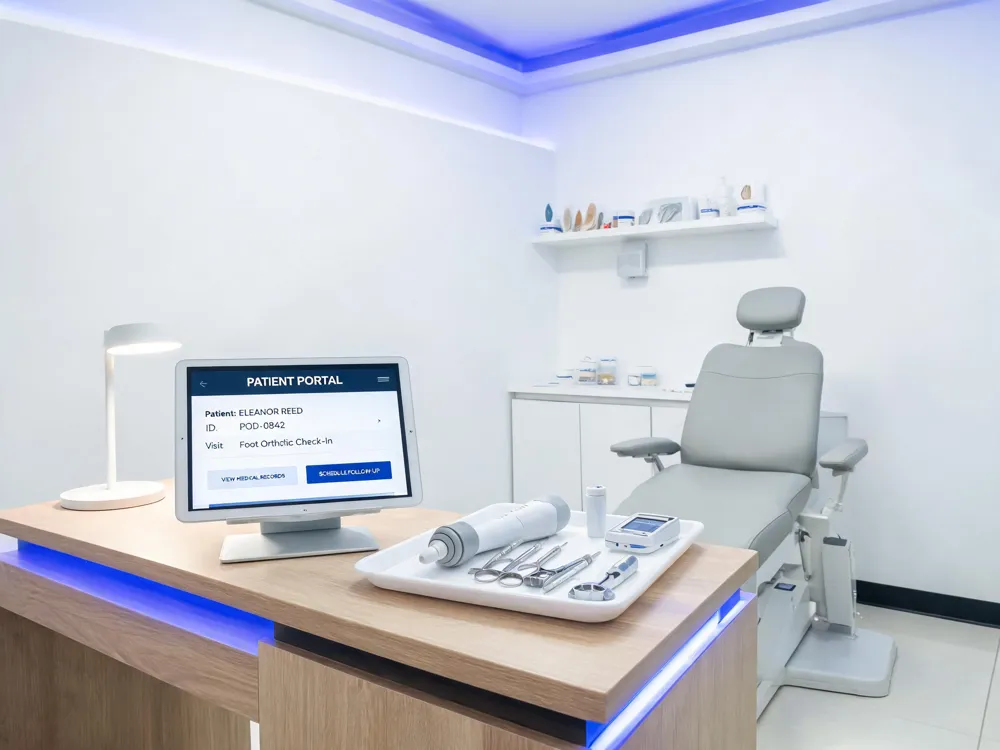 Finding the right podiatrist can make a decisive difference in recovery after foot or ankle surgery. In Charlotte, NC, Foot & Ankle Associates is widely recognized as a top practice, earning a 2025 Charlotte's Best Podiatry Practices award. Their board‑certified team, led by Dr. Adam Shapiro, offers comprehensive care from bunion correction to diabetic foot management, emphasizing minimally invasive techniques and rapid healing. For those seeking an alternative, Ryan Foot and Ankle treats patients at several Charlotte locations with personalized treatment plans and a focus on education.
Advanced foot and ankle care is also available in Mooresville, NC through the Advanced Foot & Ankle Center, part of Piedmont HealthCare. The clinic provides a full spectrum of surgical and non‑surgical options, though prospective patients should verify current patient experiences and contact the office directly.
A podiatrist plays a critical role for individuals with type‑2 diabetes by conducting routine foot exams, offering custom orthotics, and delivering wound‑care expertise to prevent ulcers and amputations.
Digital patient portals, such as the one used by Foot & Ankle Associates, streamline appointment scheduling, secure messaging, and access to medical records, enhancing communication and convenience for every patient.
Mental Well‑Being and Lifestyle Tips
 Coping with boredom and mental engagement: Use recovery days to read, stream shows, do puzzles, or learn a new hobby; staying mentally active reduces frustration and promotes a positive outlook.
Nutrition, hydration, and sleep for healing: Prioritize protein‑rich meals, vitamin C, zinc, and plenty of fruits, vegetables, and water; aim for 7‑8 hours of sleep each night to support tissue repair and immune function.
Smoking cessation and alcohol avoidance: Stop smoking before surgery and avoid alcohol post‑op, as both impair blood flow, collagen synthesis, and increase infection risk.
Setting realistic expectations and support networks: Recovery can range from 6 weeks to 6 months; arrange a first‑floor bedroom, stock essential supplies, and enlist friends or family for errands and caregiving.
What I wish I knew before foot surgery – Recovery times vary widely; preparing a clutter‑free, single‑level home, having a support system, and understanding weight‑bearing restrictions help reduce stress and fall risk.
What are the worst days after foot surgery? – The first 48 hours are toughest, with peak pain, swelling, and immobilization. Elevate the foot, apply ice, and take prescribed pain meds to manage discomfort.
How to speed up healing after foot surgery? – Follow surgeon orders, keep the wound clean and dry, rest, stay elevated, hydrate, eat nutrient‑dense foods, and begin therapist‑guided physical therapy when cleared.
Final Takeaways
Begin day one with the seven proven recovery hacks: clear pathways for crutches or a scooter, stock a two‑week supply of easy‑to‑heat nutritious meals, gather bandages, ice packs and waterproof cast covers, set up a well‑lit rest station with a supportive chair, install bathroom grab bars and non‑slip mats, arrange loose‑fitting slip‑on shoes within arm’s reach, and enlist a trusted caregiver for daily errands. Follow the surgeon’s written instructions exactly—take pain medication before the anesthetic wears off, keep the incision clean and dry, elevate the foot above heart level, and use the prescribed boot or shoe. Lean on professional guidance from your podiatrist and physical therapist, and draw on family, friends, or community volunteers for transportation and household help. Finally, prioritize a protein‑rich diet with plenty of vitamin C and zinc, stay well‑hydrated, aim for 7‑8 hours of sleep each night, and engage in low‑stress activities (reading, puzzles, gentle hobbies) to support mental well‑being and accelerate healing.