Understanding Foot Fatigue: Causes and Sensations
Definition and Symptoms of Foot Fatigue
Foot fatigue refers to the sensation of tiredness, aching, or heaviness in the feet. Individuals often experience discomfort, soreness, and a general feeling of weakness or stiffness after prolonged use. Symptoms can include swelling, muscle tightness, and difficulty standing or walking.
Common Causes Including Prolonged Standing and Walking
Extended periods of standing or walking are primary contributors to foot fatigue. Occupations requiring long hours on feet, such as nursing or retail, often lead to muscle strain and discomfort. Improper footwear lacking adequate support or cushioning further exacerbates this condition. Additionally, activities involving repetitive foot motion without sufficient rest can accumulate stress in the foot muscles.
Effects of Reduced Blood Circulation and Muscle Strain
Prolonged standing and continuous use can impair circulation in the lower legs and feet, causing blood and fluid pooling. This slows nutrient and oxygen delivery to muscles, resulting in swelling, stiffness, and pain. Muscle fatigue from sustained contraction reduces blood flow and joint mobility. These physiological effects not only produce discomfort but can contribute to chronic conditions like plantar fasciitis and tendonitis.
Maintaining foot health through appropriate footwear, scheduled breaks, and targeted exercises helps to alleviate and prevent foot fatigue symptoms.
Prevention and Relief Strategies for Foot Fatigue During Long Shifts
How can I prevent and relieve foot pain and fatigue during long shifts or prolonged standing?
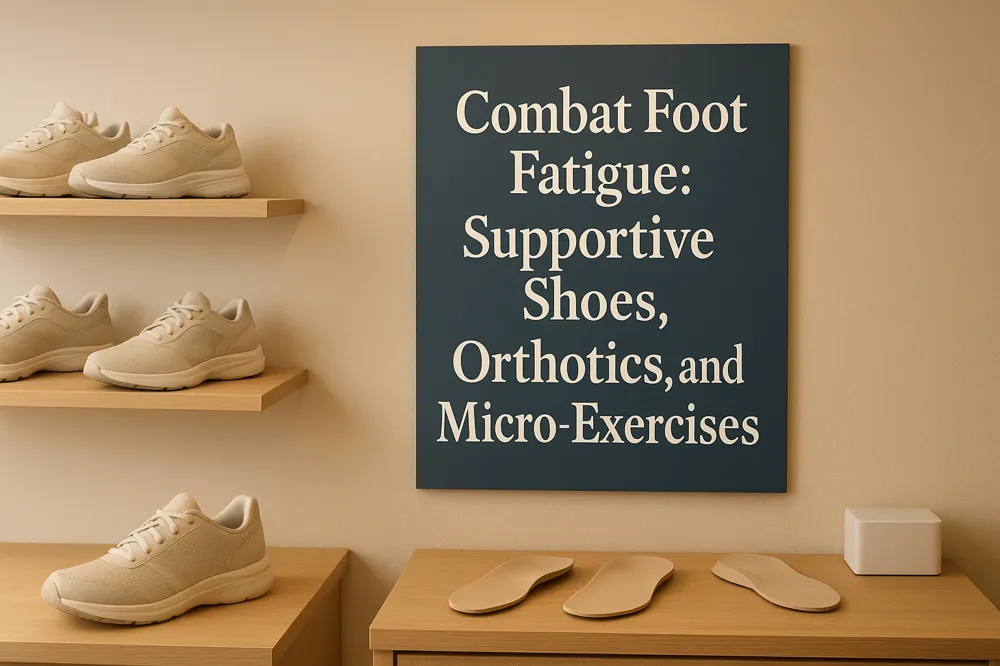
Foot fatigue is a common challenge for individuals who stand for extended periods, such as nurses, retail workers, and assembly line operators. Effective prevention and relief begin with selecting the Supportive Shoes for Foot Health. Shoes should provide ample arch support, have cushioned footbeds, a stable heel counter, and a roomy toe box. Properly fitting shoes reduce pressure points, improve comfort, and minimize fatigue.
Orthotic Insoles Benefits], especially custom-made ones, play a vital role in maintaining foot alignment and reducing stress on the arches and heels. These inserts also enhance shock absorption, which helps prevent conditions like plantar fasciitis and heel spurs that are commonly aggravated by prolonged standing.
Incorporating Micro-Break Exercises during shifts can significantly improve foot health. Simple exercises such as calf raises, ankle rolls, and toe curls stimulate blood flow and reduce muscle stiffness. Performing these movements every 30-60 minutes promotes circulation and prevents the pooling of blood and fluids in the legs and feet.
Compression socks for swollen feet offer another effective solution by applying graduated pressure to the lower legs. This improves venous return, reduces swelling, and alleviates foot and leg fatigue. They are particularly beneficial for workers who spend long hours standing or walking.
Elevating the feet after work assists in draining excess fluid, which decreases swelling and promotes comfort. Additionally, applying ice packs or soaking feet in cold water can reduce inflammation and soothe soreness resulting from prolonged standing.
Persistent or worsening foot pain, numbness, discoloration, or swelling should prompt When to see a doctor for foot pain. Professional evaluation ensures early diagnosis and appropriate treatment, preventing more serious foot conditions.
| Strategy | Description | Benefits |
|---|---|---|
| Footwear Selection | Supportive shoes with arch support | Reduces pressure, improves comfort |
| Orthotic Insoles | Custom or over-the-counter inserts | Corrects alignment, absorbs shock |
| Micro-Breaks & Exercises | Calf raises, ankle rolls, toe curls | Enhances circulation, reduces stiffness |
| Compression Socks | Graduated compression hosiery | Decreases swelling, improves blood flow |
| Elevation & Ice Therapy | Raising feet, ice packs or cold soaks | Reduces swelling, soothes inflammation |
| Professional Care | Podiatrist consultation | Early diagnosis, tailored treatment |
Maintaining Foot Comfort and Health While Traveling

Choosing supportive and well-fitting travel shoes
Selecting the right footwear is essential for minimizing foot pain on long trips. Choose shoes that are supportive travel shoes with good arch support and cushioned soles. Avoid new or unworn shoes, as they may cause blisters and discomfort. Consider packing multiple pairs—including walking shoes, supportive sandals, and sturdy sneakers—to match different activities and Preventing foot pain during travel.
Packing a foot care kit with blister pads and moisturizing creams
A well-stocked Foot care kit for travelers is invaluable for travel. Include blister pads to protect hot spots, using moisturizing creams for feet to keep skin hydrated, and antiseptic ointments for minor injuries. These supplies help Blister prevention and treatment, dryness, and infections during your trip.
Using moisture-wicking socks to prevent foot issues
Wear socks made from breathable, moisture-wicking socks for travel materials to reduce friction and keep feet dry. This helps prevent skin issues common in travelers, such as corns, calluses, athlete's foot, and fungal infections.
Taking regular breaks to stretch and move
Frequent rest breaks to stretch your feet and calves promote circulation and reduce fatigue. Simple exercises like ankle circles, calf raises, and toe movements can Reduce Foot Swelling, soothe tired muscles, and prevent swelling.
Elevating feet and wearing compression socks during flights
Long flights often lead to leg and foot swelling due to prolonged immobility. Elevate feet to reduce swelling, and wear graduated compression socks for swollen feet, to improve blood flow and decrease swelling, reducing fatigue and the risk of deep vein thrombosis and blood clots in legs.
Specific care for conditions like bunions and plantar fasciitis during travel
Individuals with conditions such as bunions or plantar fasciitis should bring specialized items like orthopedic insoles for flat feet, toe spacers, and cushioned shoes. Use padding or bunion pads to relieve pressure, and avoid prolonged standing or walking without breaks.
Managing and preventing foot pain when traveling for long periods
To manage and prevent foot pain during travel, wear comfortable shoes that fit well, take regular breaks to stretch and move, Elevate feet to reduce swelling, use compression socks during long flights, and stay well hydrated to maintain good circulation.
Effective Home Remedies to Soothe and Relieve Foot Pain and Swelling
What are effective home remedies to relieve foot pain and swelling?
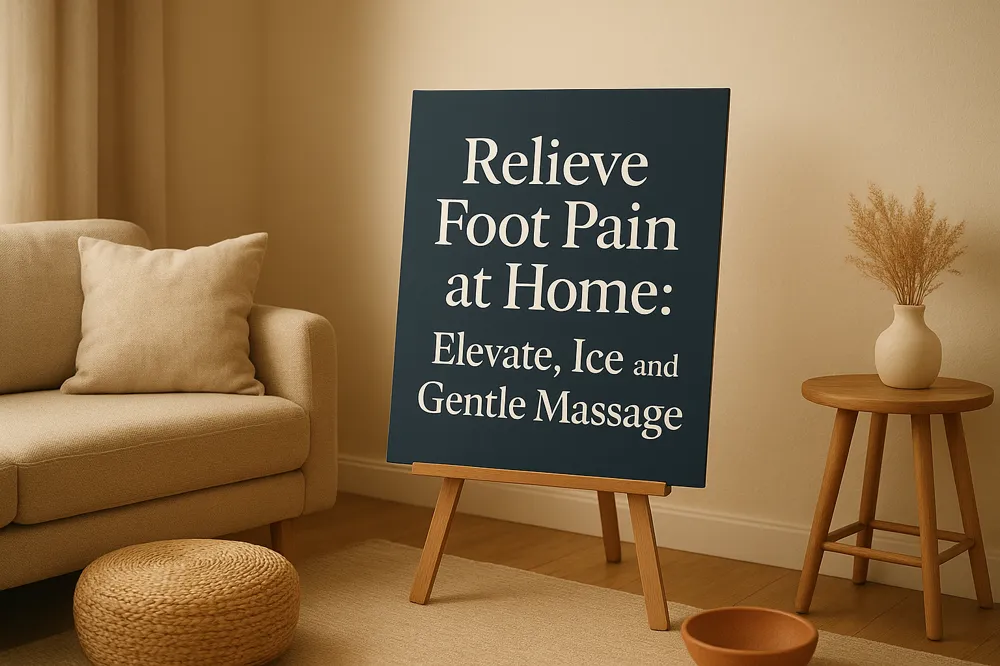
Elevating your feet above heart level for 15-20 minutes enhances circulation and helps reduce swelling caused by prolonged standing or activity. This simple measure allows blood and fluid to drain from the lower extremities, easing discomfort. For more information on Elevate feet to reduce swelling and Elevating Feet for Relief techniques.
Soaking feet in warm water enriched with Epsom salts relaxes muscles, reduces inflammation, and soothes soreness. This method is especially beneficial after a long day on your feet but should be avoided if infections or open wounds are present. Learn about Epsom salt foot soaks and Using warm foot bath with Epsom salts.
Applying cold compresses or ice packs for 10-15 minutes provides relief by numbing pain and reducing inflammation during acute flare-ups or after injury. Alternating with warm treatments can be effective depending on the nature of the foot pain. See advice on Cold and hot therapy for foot pain and Ice therapy for foot swelling.
Massaging the feet promotes blood flow, alleviates muscle tightness, and encourages healing. Using creams or oils while massaging can enhance relaxation and skin health. Discover more about effective Foot massage techniques and Foot Massage Benefits.
Regular stretching exercises targeted at calves, toes, and arches improve flexibility and circulation. Movements like calf raises, toe curls, and ankle rolls can prevent stiffness and fatigue. See guides on Stretching exercises for foot pain and Stretching and Strengthening Exercises.
Wearing orthotic insoles and supportive footwear at home helps maintain proper foot alignment, distributes pressure evenly, and cushions impact. This is vital for preventing and managing foot pain associated with conditions such as plantar fasciitis or flat feet. Consult resources on Proper footwear for foot pain relief and Custom molded orthotics.
Staying well-hydrated supports circulation and tissue health. Additionally, over-the-counter pain medications like ibuprofen or acetaminophen can be used judiciously to ease pain and reduce inflammation.
By incorporating these accessible remedies into daily routines, individuals can effectively manage foot pain and swelling, promoting comfort and mobility without immediate need for clinical intervention. For comprehensive strategies on Foot pain treatment tips and When to see a podiatrist for foot pain.
Specialized Treatments for Common Foot Conditions Linked to Fatigue
Overview of plantar fasciitis and heel pain
Plantar fasciitis is a prevalent cause of heel pain characterized by inflammation of the plantar fascia, a tissue band supporting the foot arch. This condition often results from foot mechanics issues like flat feet or overpronation, leading to prevent foot fatigue and discomfort.
Use of orthotic inserts and night splints
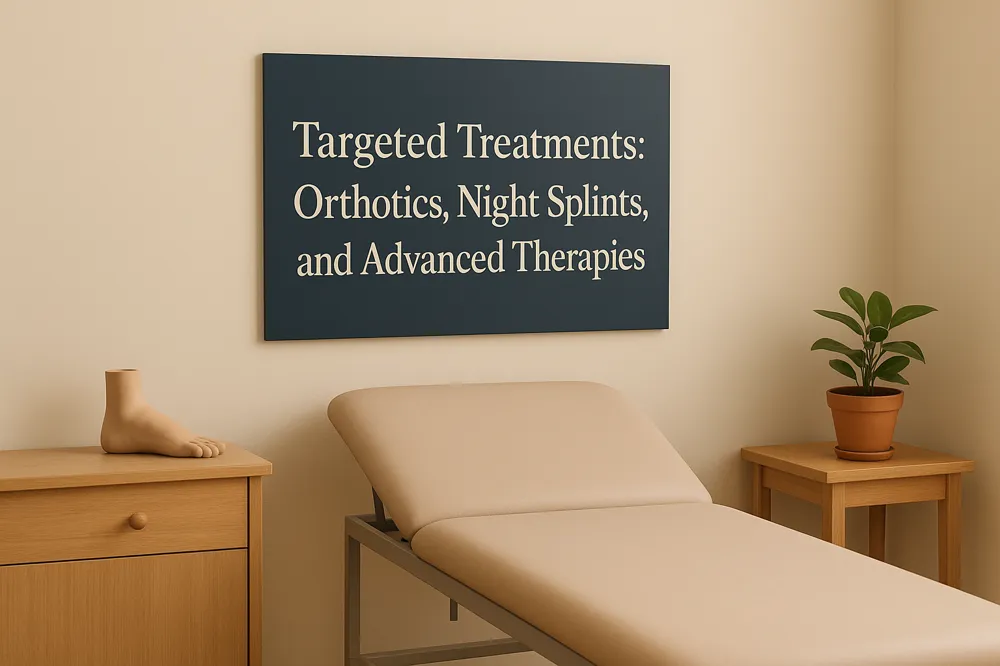
Orthotic inserts, especially custom molded orthotics, are critical in realigning the foot and relieving pressure points, thereby reducing fatigue. Night splints aid by stretching the Achilles tendon and plantar fascia overnight, diminishing morning pain and promoting healing.
Advanced therapies such as shockwave therapy and platelet-rich plasma (PRP) injections
Extracorporeal Shockwave Therapy (ESWT) offers a non-invasive solution to stimulate tissue repair and reduce pain in plantar fasciitis and Achilles tendinitis. Platelet-Rich Plasma (PRP) injections utilize the patient’s own concentrated blood platelets to accelerate healing in chronic foot and ankle injuries, serving as an alternative or supplement to surgery.
Role of podiatric evaluation and minimally invasive surgery when needed
Early regular foot evaluation by a podiatrist helps diagnose and manage foot conditions before they worsen. When conservative treatments fail, minimally invasive surgery may be considered for definitive correction, utilizing the latest techniques to reduce recovery time and improve outcomes.
Importance of addressing muscle tightness and foot mechanics
Stretching exercises for foot health targeting the calf muscles and Achilles tendon are essential to ease tightness that contributes to heel pain. Maintaining proper foot biomechanics through shoes with proper shock absorption helps prevent recurrent fatigue and pain.
Management strategies for bunions, Morton’s neuroma, and Achilles tendinitis
Bunions require comfortable shoes that fit well and bunion pads to alleviate pressure. Morton’s neuroma is managed with padded insoles and footwear adjustments to relieve nerve compression. Achilles tendinitis benefits from rest, supportive shoes, physical therapy, orthotics, and advanced treatments like ESWT.
What therapies and treatments are recommended for plantar fasciitis?
Effective management includes rest, targeted stretching, supportive footwear with good arch support, orthotics, and night splints. Advanced treatments such as corticosteroid injections, Extracorporeal Shockwave Therapy (ESWT), and PRP therapy are options when initial methods do not suffice. Surgery is rare and typically a last resort.
This comprehensive approach combining conventional care, advanced therapies, and expert podiatric evaluation ensures effective relief and prevention of foot fatigue related to these common conditions.
Ergonomic and Environmental Considerations to Reduce Foot Fatigue at Work and While Traveling
What strategies can help reduce or prevent foot fatigue and swelling from standing all day?
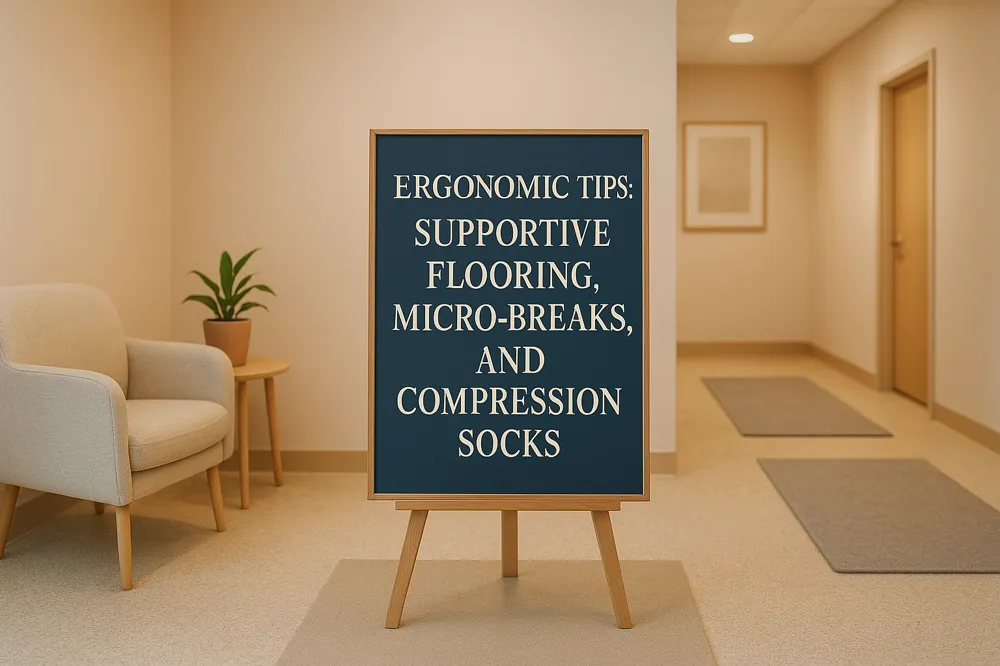
Foot fatigue and swelling from prolonged standing are common issues that can be alleviated through a range of ergonomic and environmental strategies. Wearing Supportive Footwear Tips is essential; look for footwear with good arch support, cushioned footbeds, a stable heel counter, and a wide toe box to accommodate natural foot shape and prevent pressure points. Orthotic Inserts Benefits further enhance foot alignment and reduce strain.
Using anti-fatigue mats or supportive flooring at workstations can markedly decrease muscle fatigue by providing a cushioned surface that absorbs shock and encourages subtle movements. When standing for long periods, it is beneficial to take frequent micro-breaks to move around and perform stretches such as calf raises and ankle circles, which stimulate blood flow and reduce muscle tightness.
Compression Socks Uses are effective at improving circulation, preventing blood pooling, and reducing swelling in the legs and feet. These are especially advisable for individuals who stand or sit for extended periods. After work, Elevating Legs Benefits for 10 to 15 minutes helps to drain excess fluid and further lessen swelling.
Maintaining proper hydration and monitoring salt intake are additional important factors; adequate fluid intake supports circulation and helps control fluid retention that causes swelling.
Together, these strategies create a comprehensive approach to Prevent Foot Fatigue and swelling by focusing on footwear, workstation setup, dynamic movement, and lifestyle habits.
Key Takeaways for Managing Foot Fatigue in Daily Life and Travel
Prevent and Relieve Foot Fatigue
Effective management of foot fatigue includes wearing comfortable, supportive footwear with proper shock absorption and using custom orthotics when necessary. Regular foot and ankle exercises, such as toe scrunches and ankle pumps, enhance mobility and reduce discomfort.
Importance of Footwear and Professional Care
Choosing shoes that fit well and provide cushioning helps prevent foot strain during extended standing or travel. Compression socks can improve circulation and reduce swelling. Consulting a podiatrist ensures early detection and treatment of foot conditions, maintaining long-term foot health.
Consistent Foot Care Routine
Incorporating daily foot stretches, massages, and elevation techniques promotes circulation and muscle relaxation. Hydrating the skin and addressing minor issues promptly prevent progression to painful conditions. Adopting these habits supports optimal foot comfort and resilience during daily activities and travel.