Introduction: The Prevalence and Impact of Chronic Foot Pain
Understanding Chronic Foot Pain in the United States
Chronic foot pain affects a significant portion of the American adult population, with estimates indicating that about 20% of individuals over age 50 experience some form of persistent foot discomfort. This condition not only impairs mobility but also increases the risk of falls and limits participation in daily and recreational activities.
Common causes of chronic foot pain include plantar fasciitis, metatarsalgia, bunions, Achilles tendonitis, arthritis, nerve-related issues such as neuropathy, and structural deformities like flat feet or high arches. These conditions often result from factors such as injury, overuse, obesity, aging, and improper footwear.
Effective management of chronic foot pain is crucial to maintaining quality of life. Addressing pain through appropriate footwear, physical therapy, weight management, and advanced medical interventions helps preserve mobility and independence, underscoring the importance of early diagnosis and tailored treatment plans.
Conservative Management: Foundations of Chronic Foot Pain Relief

Role of Supportive Footwear and Orthotics
Proper footwear is fundamental in managing chronic foot pain. Shoes featuring a wide toe-box benefits, low heels, and ample cushioning help alleviate pressure and reduce discomfort. Custom or over-the-counter Prescription orthotics benefits further support foot structure by correcting abnormalities and redistributing pressure, especially beneficial for conditions like Plantar fasciitis pain and metatarsalgia.
Physical Therapy and Targeted Exercises
Physical therapy for foot strength plays a pivotal role, focusing on strengthening muscles, improving flexibility, and enhancing foot function. Targeted exercises such as calf stretches and plantar fascia stretches relieve muscle tightness, while Self-massage techniques help reduce localized tension and fascia adhesions.
Weight Management and Lifestyle Modifications
Maintaining a healthy body weight reduces excess stress on the feet and ankles, significantly improving symptoms of chronic conditions. Incorporating low-impact activities like swimming, cycling, or yoga can maintain mobility without additional foot strain. Lifestyle modifications for foot health, including adopting Proper footwear for foot pain and avoiding prolonged standing, prevent exacerbation of pain.
Use of R.I.C.E. and Over-the-Counter Pain Medications
The R.I.C.E. method for foot inflammation—Rest, Ice, Compression, and Elevation—is effective in managing inflammation and acute pain episodes. Over-the-counter NSAIDs for foot pain provide temporary relief during flare-ups but should be used judiciously under medical guidance. Combined, these conservative strategies form the cornerstone of Managing chronic foot and ankle pain, often reducing the need for invasive procedures.
Advanced Non-Surgical Treatments: Leveraging New Technologies

Shockwave Therapy and Its Mechanisms
Shockwave therapy, or Extracorporeal Shock Wave Therapy (ESWT) mechanisms, is a cutting-edge, non-invasive treatment for chronic foot pain conditions such as plantar fasciitis and Achilles tendinitis. It uses high-energy acoustic waves to stimulate the body's natural healing processes by promoting blood vessel formation, enhancing cellular regeneration, and breaking down pain signals. Treatment sessions typically take 15 to 20 minutes, delivering fast-acting relief with minimal side effects and allowing patients to resume normal activities immediately.
Platelet-Rich Plasma (PRP) Injections
PRP therapy involves concentrating platelets from the patient's own blood and injecting them into injured foot tissues. This method accelerates healing by releasing growth factors that aid tissue repair, making it particularly effective for tendon injuries, plantar fasciitis, and arthritis. PRP is minimally invasive, reduces the need for surgery, and has an approximate 85% success rate in symptom improvement. Learn more about Platelet-Rich Plasma (PRP) therapy for foot injuries.
MLS Laser Therapy and Other Regenerative Modalities
Multifrequency Laser Systems ([MLS] Laser Therapy) applies synchronized light wavelengths to alleviate inflammation, enhance circulation, and stimulate cellular repair. It boasts an efficacy rate as high as 90% for conditions like arthritis, tendinitis, and neuropathy. Other emerging regenerative treatments include low-level laser therapy and novel injectables such as botulinum toxin and stem cell injections, which help reduce inflammation, promote tissue regeneration, and improve function without surgical intervention. Learn more about these advanced podiatry treatments here.
Injection Therapies Including Corticosteroids, Prolotherapy, and Novel Agents
In addition to PRP, several injection therapies are employed to target specific causes of chronic foot pain. Corticosteroid injections reduce inflammation effectively in osteoarthritis and gout. Prolotherapy promotes tissue repair and provides short-term relief for plantar fasciitis. Novel agents like hyaluronic acid prolong symptom relief, while alcohol and capsaicin injections offer temporary benefit for Morton’s neuroma. These injections can serve as cost-effective alternatives or adjuncts to surgery, with careful professional evaluation essential for optimal outcomes. For more details on Injection therapies for foot pain, visit this resource.
Minimally Invasive Surgical Techniques: A Shift Toward Faster Recovery
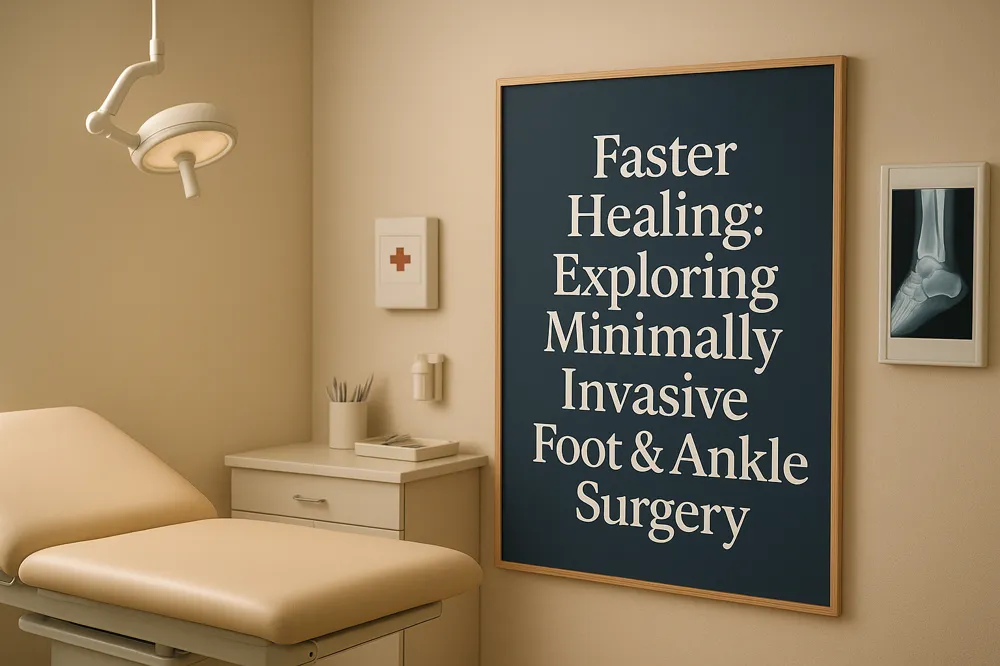
What are minimally invasive surgeries (MIS) in foot and ankle care?
Minimally Invasive Surgery (MIS) for foot and ankle conditions utilizes very small incisions, typically less than 1 cm, combined with specialized instruments and advanced imaging techniques. This approach minimizes tissue disruption and reduces soft tissue damage compared to traditional open surgeries. For more information, see Minimally invasive foot and ankle surgery and Minimally Invasive Surgery of the Foot.
What are the advantages of MIS?
MIS offers several benefits including faster healing, smaller and less visible scars, reduced postoperative pain and swelling, and a quicker return to daily activities. The less invasive nature also lowers risks of infection and complications related to wound healing. Learn more about MIS advantages and Benefits of Minimally Invasive Surgery.
Which foot and ankle conditions are commonly treated with MIS?
Commonly treated conditions include bunions, hammertoes, big toe arthritis, metatarsalgia, flatfoot and high arch deformities, plantar fasciitis, bone spurs, ligament injuries, and Achilles tendon problems. More details can be found at Conditions treated with MIS and Foot and ankle surgical procedures.
What are some examples of MIS procedures?
- Endoscopic Plantar Fasciotomy (EPF): A small-incision outpatient procedure to treat plantar fasciitis allowing patients to often weight-bear immediately after surgery.
- Tenotomy: A minimally invasive tendon release procedure to correct deformities like hammertoes, often performed in-office with minimal recovery time.
- Arthroscopy: Involves small incisions using a camera and instruments to repair joint cartilage or remove bone spurs.
For more procedure specifics, see Minimally Invasive Foot and Ankle Surgery and Small Incision Foot Surgery.
How do outcomes from MIS compare with traditional open surgeries?
Studies indicate MIS results in comparable or better functional outcomes with less postoperative pain and faster recovery. MIS patients typically experience reduced narcotic pain medication use and quicker return to footwear and daily routines. While some procedures might occasionally require further surgery, the overall infection and nerve injury risks are similar or lower when performed by experienced surgeons. See discussion on MIS risks vs traditional surgery and Quicker Recovery After MIS.
What is post-operative recovery like after MIS?
Recovery is generally quicker, with many patients allowed early weight-bearing depending on the procedure. Postoperative symptoms such as mild swelling, bruising, or temporary numbness can be managed with rest, elevation, and occasional over-the-counter pain relief. Comprehensive rehabilitation often includes physical therapy to restore function and mobility efficiently. For guidance, see Post-operative care for foot surgery and Physical therapy for foot surgery.
Emerging Interventional Approaches: Radiofrequency Ablation and Neuromodulation
What is Pulse Radiofrequency Ablation (PRFA) for Recalcitrant Plantar Fasciitis?
Pulse Radiofrequency Ablation (PRFA) for plantar fasciitis is a minimally invasive treatment increasingly used for chronic plantar fasciitis, especially when traditional conservative methods fail. PRFA applies low-temperature pulsed electrical fields to nerve tissue involved in transmitting pain signals. This interrupts pain transmission without causing significant damage to surrounding tissues.
How Does PRFA Work and What Are Its Advantages?
PRFA targets nerve fibers responsible for chronic heel pain, reducing sensations of discomfort. Unlike thermal radiofrequency ablation, it minimizes risks of neuritis or neuroma formation due to its neurodestructive yet tissue-sparing approach. Clinical studies indicate that PRFA provides quicker pain relief and improved functional outcomes within three months compared to open surgical techniques, with fewer complications and faster recovery times.
How Do Neuromodulation and Nerve Ablation Techniques Manage Chronic Foot Pain?
Neuromodulation broadly encompasses electrical stimulation methods, including nerve ablation, to modify pain pathways and reduce chronic pain perception. Techniques like radiofrequency ablation disrupt abnormal nerve signaling that contributes to persistent foot pain from conditions such as neuropathies or entrapment syndromes. These interventions are less invasive alternatives to surgery and can effectively manage pain refractory to conventional therapies.
What Is the Potential Role of These Techniques in Reducing Opioid Dependency?
Given the opioid crisis, minimizing long-term reliance on pain medications is critical. PRFA and neuromodulation provide targeted, durable pain relief without systemic side effects of opioids. They offer cost-effective, outpatient procedures that can decrease the necessity for opioid analgesics in managing chronic foot pain, promoting safer and more sustainable pain control.
These innovative interventional approaches represent promising advances in podiatric care, enabling personalized treatment plans that address complex pain mechanisms while enhancing patient quality of life.
Comprehensive Care and Preventive Strategies for Long-Term Foot Health
Why is early diagnosis and personalized treatment essential for chronic foot pain?
Early diagnosis plays a critical role in effectively managing chronic foot pain by identifying the precise cause, which could range from plantar fasciitis to nerve entrapment. A thorough evaluation using physical exams and advanced imaging such as X-rays and MRIs for foot diagnosis guides personalized treatment plans. Tailoring treatment to the patient’s lifestyle, condition severity, and daily activities helps optimize pain relief and functional recovery while preventing progression to more severe conditions.
How does occupational therapy contribute to managing foot pain?
Occupational therapy for foot pain (OT) offers valuable strategies for managing foot pain beyond medical treatments. OTs assess and recommend appropriate footwear assessment and custom orthotics in OT to support foot structure and reduce discomfort. They promote pain management techniques including ice application, gentle massage, and energy conservation. Additionally, OTs provide daily activity modifications, assistive devices, and home environment adjustments to maintain independence and reduce strain. Personalized stretching and strengthening exercises enhance foot stability and flexibility, crucial for injury prevention and long-term function.
What preventive measures help in sustaining foot health?
Preventive strategies involve multiple lifestyle modifications to reduce foot stress and pain recurrence. Proper footwear for foot pain with a wide toe-box and supportive arch cushioning is fundamental to alleviate pressure and correct biomechanical imbalances. Maintaining a healthy body weight substantially decreases joint and tendon strain, particularly relevant for conditions like plantar fasciitis and metatarsalgia management strategies. Integrating low-impact exercises, calf and plantar fascia stretching, and foot-strengthening routines bolster muscle resilience. Routinely replacing worn shoes and avoiding prolonged standing further protect foot health.
Why is patient education and interdisciplinary care important?
Educating patients on foot anatomy, pain causes, and self-care promotes proactive management and compliance with foot pain treatment plans. Interdisciplinary collaboration among podiatrists, physical therapists, occupational therapists, and orthotists ensures comprehensive care addressing structural, functional, and behavioral aspects. This integrated approach fosters sustained outcomes, reduces relapse risk, and supports patients in maintaining active lifestyles tailored to their goals. Continuous follow-up and adjustment of interventions enhance long-term foot health maintenance.
| Aspect | Description | Benefits |
|---|---|---|
| Early Diagnosis | Physical exam and imaging for precise diagnosis | Tailored treatments, early relief |
| Occupational Therapy | Footwear advice, pain management, activity mods | Independence, reduced strain |
| Preventive Measures | Proper shoes, weight control, stretching, exercise | Lower pain recurrence and injury |
| Patient Education & Interdisciplinary Care | Teaching & collaborative care with specialists | Improved adherence, sustained recovery |
Conclusion: Integrating Innovations into Chronic Foot Pain Management
New Approaches Enhancing Foot Pain Care
Recent advances in podiatry such as Shockwave Therapy, Platelet-Rich Plasma (PRP) injections, and minimally invasive surgeries provide effective, less painful options to treat chronic foot pain. These approaches promote natural healing, reduce recovery times, and minimize complications compared to traditional treatments.
The Importance of Specialized Care
For persistent or complex foot pain, consulting specialized foot and ankle surgeons or podiatrists ensures accurate diagnosis and tailored treatment plans. Advanced diagnostics including gait analysis and imaging guide these personalized approaches.
Restoring Function and Improving Life Quality
The evolving landscape of foot pain management focuses on not only relieving pain but also restoring mobility and daily function. By integrating innovative treatments with patient-centered care, individuals regain activity and improve their overall well-being.