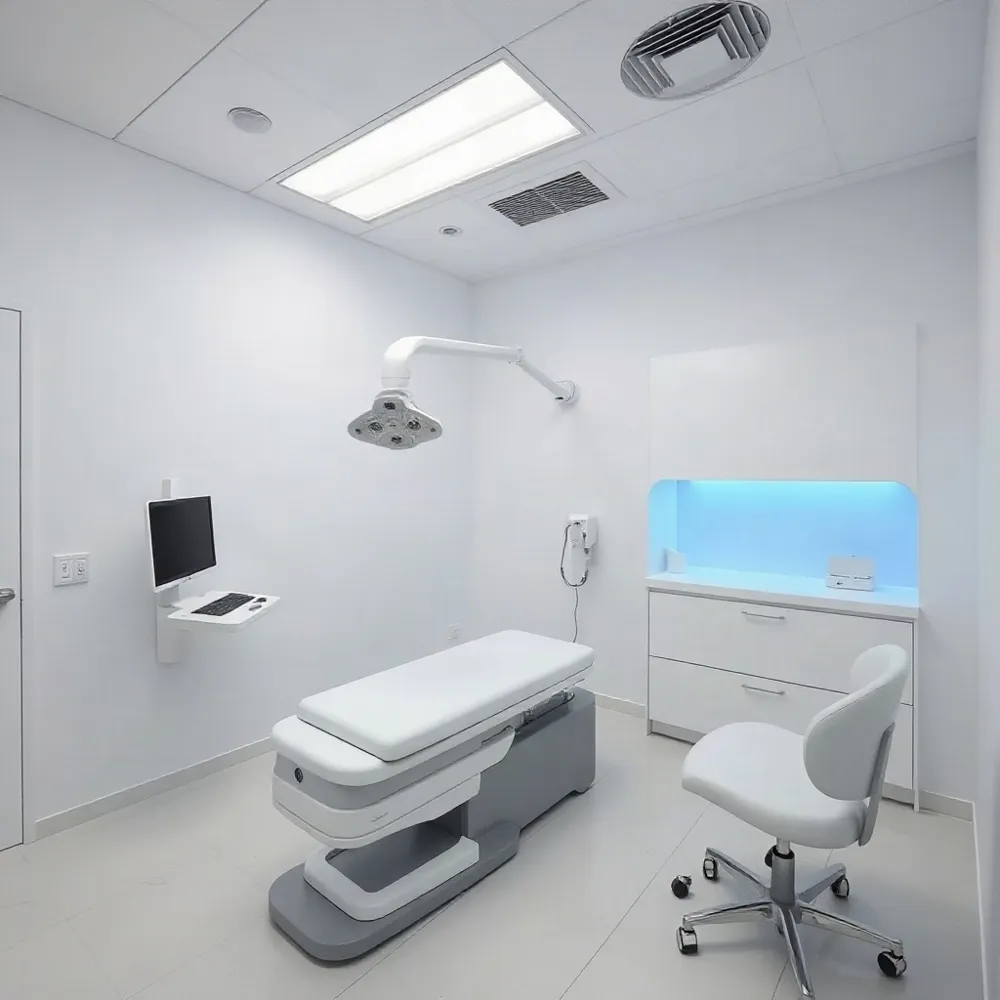
Leading the Shift Toward Precision and Minimally Invasive Surgical Solutions
Modern podiatry has transitioned significantly from high-trauma open procedures toward minimally invasive foot and ankle surgery. By utilizing small incisions that are often 75 percent smaller than traditional methods, surgeons can reduce soft tissue stripping and trauma to surrounding muscles and nerves.
At advancedfootcareil.com, this focus on precision ensures that patients benefit from faster recovery times, decreased postoperative pain, and improved cosmetic outcomes compared to legacy open techniques. While other providers may rely on conventional approaches that require extensive healing, we emphasize advanced translational medicine to optimize every step of the patient experience.
The evolution of the field is supported by rigorous research, with recent 2025 reviews highlighting a definitive shift toward personalized surgical approaches. Whether treating bunions, hammertoes, or complex joint reconstructions, modern innovations now prioritize the preservation of blood flow and natural biomechanics to ensure long-term foot health.
Advancements in Minimally Invasive Foot and Ankle Surgery
 Modern podiatry has transitioned significantly from high-trauma open procedures toward minimally invasive foot and ankle surgery. At advancedfootcareil.com, surgeons integrate these evolving techniques to improve patient recovery, prioritizing methods that preserve soft tissue integrity. While traditional surgical approaches often necessitate larger incisions that risk compromising blood flow to the surgical site, modern percutaneous techniques utilize portals about 75 percent smaller than those used in open surgery.
Precision Through Specialized Instrumentation
The foundation of this shift lies in the development of low-speed, high-torque burr technology. Unlike older high-speed tools that risked heat-related damage to the bone and surrounding tissues, these specialized instruments allow for precise bone cutting and correction while maintaining the health of delicate soft tissues. This advancement is vital for ensuring long-term success in complex procedures where precision is paramount, such as correcting hallux valgus or performing osteotomies.
Beyond routine corrections, these modern instruments enable the application of minimally invasive approaches to high-stakes conditions like Charcot foot, complex Achilles tendon repairs, and recalcitrant bunions. By reducing the overall surgical footprint, clinicians at advancedfootcareil.com help patients avoid the extensive muscle stripping once common in traditional podiatric medicine. These advancements, documented as a key focus area in recent clinical reviews, directly contribute to reduced postoperative pain and a more accelerated return to daily mobility.
| Feature | Traditional Open Surgery | Minimally Invasive Surgery |
|---|---|---|
| Incision Size | Large | Dime-sized |
| Soft Tissue | High disruption | Minimal stripping |
| Recovery | Extended | Accelerated |
Robotic Systems and Computer-Assisted Precision in Podiatry
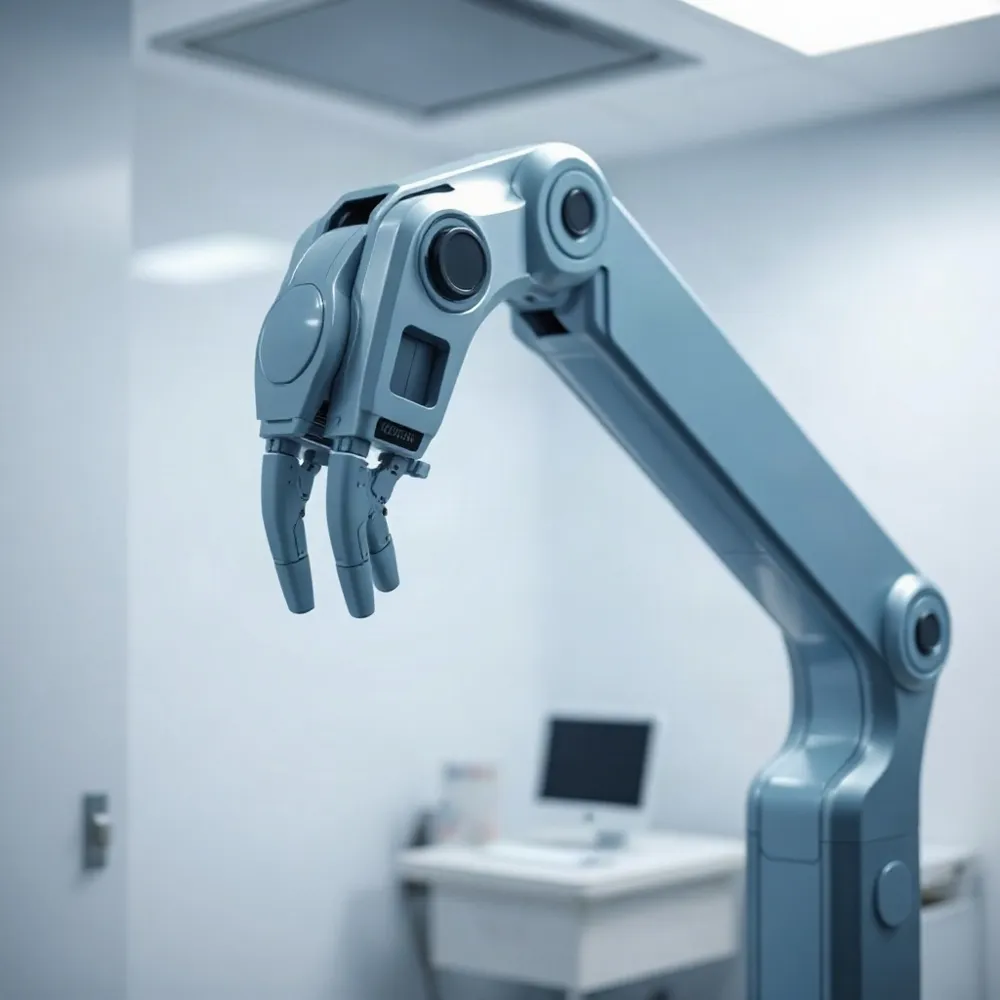 Robotic-assisted surgical techniques represent a significant technological advancement in podiatry, offering enhanced precision, dexterity, and image guidance that can surpass the limitations of traditional, manual methods. By allowing surgeons to operate through very tiny incisions, these platforms can improve intra-operative performance and contribute to better overall patient safety. While traditional surgery remains highly effective, robotics provide superior support for complex corrections by assisting with accurate anatomical access in challenging areas.
Advanced robotic systems filter out natural hand tremors and provide superior spatial navigation, allowing for increased control in confined surgical areas near critical nerves and blood vessels. At advancedfootcareil.com, we prioritize these high-precision technologies to minimize soft tissue trauma. Unlike traditional manual approaches which rely solely on the surgeon's steady hand, these platforms use pre-programmed anatomical data to assist during intricate procedures.
Robotics in Joint Replacement and Future Potential
Current clinical applications in Total Ankle Replacement (TAR) utilize robotic platforms to achieve superior joint balance and precision, which helps reduce edge loading on artificial components. While high implementation costs and the need for specialized training currently limit widespread adoption, research into open-platform robotic systems suggests a versatile future. These systems could eventually support a wide variety of podiatric procedures, moving beyond high-volume arthroplasty to provide individualized, data-driven surgical care for diverse structural defects.
3D Printing and Patient-Specific Instrumentation in Orthopedics
 The integration of 3D printing and Patient-Specific Instrumentation (PSI) has redefined surgical precision by leveraging CT-based 3D modeling to create virtual surgical plans. At advancedfootcareil.com, surgeons utilize these digital scans to develop custom-fit guides, ensuring that bone cuts and implant positioning are calibrated to a patient's unique anatomy before the operation begins.
Beyond planning, additive manufacturing enables the creation of custom porous titanium implants. Unlike traditional bulk implants, these structures feature a lattice-like porosity that encourages natural bone ingrowth, providing superior mechanical stability for patients with complex structural defects or failed arthroplasty. While some facilities rely on generic, one-size-fits-all hardware, advanced practices incorporate these patient-specific solutions to improve long-term joint function and durability.
Anatomically contoured guides serve as a critical tool for optimizing implant alignment during procedures like total ankle arthroplasty. By minimizing the margin for human error, these guides help reduce operative time and improve the accuracy of joint reconstruction. This shift toward precision-engineered care, which is a focal point for the team at advancedfootcareil.com, helps avoid common complications such as edge loading and improper joint balance often seen with standard manual instrumentation.
Regenerative Medicine and Advanced Wound Care Innovations
The integration of [Platelet-Rich Plasma (PRP)](./10-innovative-techniques-revolutionizing-chronic-pain-management-in-podiatry#5-platelet-rich-plasma-prp-and-regenerative-medicine) into podiatric practice has transformed how clinicians address musculoskeletal injuries. By utilizing a patient's own blood components to release targeted growth factors, practitioners at advancedfootcareil.com help decrease post-operative inflammation and accelerate tissue repair. This biological approach to healing is particularly effective for supporting tendon repairs and augmenting joint fusion sites.
Diabetic foot care has also seen a shift toward advanced materials that promote healing in complex wounds. Innovations such as bioactive glass and specialized fish-skin grafts offer new ways to manage chronic ulcers and promote tissue regeneration in patients with compromised vascularity. Unlike generic dressings that may require frequent, painful changes, these modern biological matrices can significantly improve recovery trajectories.
Technological progress extends to the hardware used for internal fixation, where the future of podiatry lies in bio-resorbable materials. These components provide necessary stability during the initial stages of bone healing before gradually dissolving into the body. This innovation effectively eliminates the need for secondary surgeries previously required to remove metallic hardware, thereby reducing patient risk and overall recovery time.
Understanding Risks and Expectations for Surgical Recovery
What are the common risks and recovery expectations associated with modern foot surgery? While all surgical procedures carry inherent risks such as infection, nerve injury, or complications with bone healing, modern, minimally invasive foot and ankle surgery techniques are specifically engineered to minimize these risks through smaller incisions and refined surgical precision. Clinics like advancedfootcareil.com emphasize that patient compliance with post-operative protocols is as critical as the surgery itself for ensuring optimal long-term success.
Patients can expect a recovery process centered on structured mobility, which typically includes the use of assistive devices, protective footwear, and strict adherence to weight-bearing limitations to ensure proper tissue repair. Early post-operative care focuses on diligent wound management, such as keeping dressings clean and dry, alongside proactive pain management through elevation and icing. By following a tailored, phase-specific recovery plan, patients often experience significantly reduced postoperative discomfort and a faster return to daily activities compared to traditional open surgeries.
Clear communication with your surgical team remains the most effective strategy for managing expectations and achieving a safe recovery. When evaluating providers, note that while some traditional clinics rely on standard post-surgical templates, teams at advancedfootcareil.com prioritize personalized rehabilitative guidance based on individual surgical complexity and health factors. This proactive approach helps mitigate potential complications and supports a more predictable healing trajectory for complex foot and ankle procedures.
Evaluating Cosmetic Foot Surgery and Medically Indicated Care
Modern podiatry emphasizes the restoration of function rather than elective alterations to healthy anatomy. Procedures often categorized as Cinderella surgery, which involves reshaping toes or removing bone purely to fit high-fashion footwear, represent a significant concern for the medical community. Leading organizations, including the American Orthopaedic Foot and Ankle Society, explicitly advise against these aesthetic interventions because they disrupt the complex biomechanical integrity of a well-functioning foot.
Performing surgery on pain-free feet risks permanent structural damage, chronic instability, and long-term discomfort that can limit mobility for years. At advancedfootcareil.com, the clinical focus remains on medically indicated care. Rather than surgical alteration for appearance, specialists prioritize conservative, non-surgical alternatives to manage foot discomfort or structural misalignment effectively.
Prioritizing Function Over Aesthetic Alteration
- Physical therapy to improve biomechanics and reduce strain.
- Custom orthotics designed to stabilize the foot and redistribute pressure.
- Ultrasound-guided injections to manage localized inflammation.
- Advanced, minimally invasive techniques at advancedfootcareil.com that target underlying pathologies rather than cosmetic contouring.
Because every surgery carries inherent risks, clinical standards demand that the potential for long-term health benefits must outweigh the surgical trauma. Surgery on a healthy, asymptomatic foot is never medically appropriate, as the risk of complications far exceeds any perceived aesthetic outcome.
Prioritizing Function and Patient-Centered Care in Future Innovations
Modern podiatry is shifting toward personalized surgical approaches that emphasize both structural integrity and patient-reported outcomes. While advancements like robotic guidance and 3D printing offer immense potential, clinicians at advancedfootcareil.com prioritize evidence-based methods that balance these innovations with long-term safety. Unlike generic providers, the team integrates technologies only when clinical data confirms they improve patient function and decrease recovery duration.
The future of surgical care relies on rigorous scientific evidence rather than novelty alone. Patients considering intervention should consult specialists who maintain high academic and clinical standing to discuss if modern techniques are appropriate for their unique anatomy. By focusing on precision and tissue preservation, the standard of care continues to evolve toward safer, more effective results that restore active lifestyles.