

Understanding Ingrown Toenails
An ingrown toenail (onychocryptosis) occurs when the side or corner of the nail penetrates the peri‑ungual skin, most often the big toe. The nail matrix, located at the nail bed, drives nail growth; when the nail edge is forced into the surrounding tissue, inflammation, pain, and possible infection develop.
Primary causes include trimming the nail too short or rounding the corners, which creates a sharp edge that embeds in the skin, and wearing tight, narrow shoes that compress the toe box. Genetic nail curvature, thick nails, toe deformities (hammertoe, bunion), trauma, and excessive moisture also increase risk. People with diabetes, peripheral neuropathy, or compromised immune systems are especially vulnerable because reduced sensation and poor circulation delay healing and mask infection.
Professional care matters because at‑home attempts—using non‑sterile clippers, tweezers, needles, or dental floss—can damage the nail matrix, introduce bacteria, and deepen the infection. A podiatrist can perform a sterile partial nail avulsion under local anesthesia, optionally followed by chemical or surgical matrixectomy to prevent recurrence. Post‑procedure care includes proper wound cleaning, topical antibiotics if needed, and footwear that eliminates pressure. Seeking prompt podiatric treatment reduces complications such as cellulitis, abscess formation, or, in severe cases, osteomyelitis.
Common DIY Mistakes That Worsen the Problem
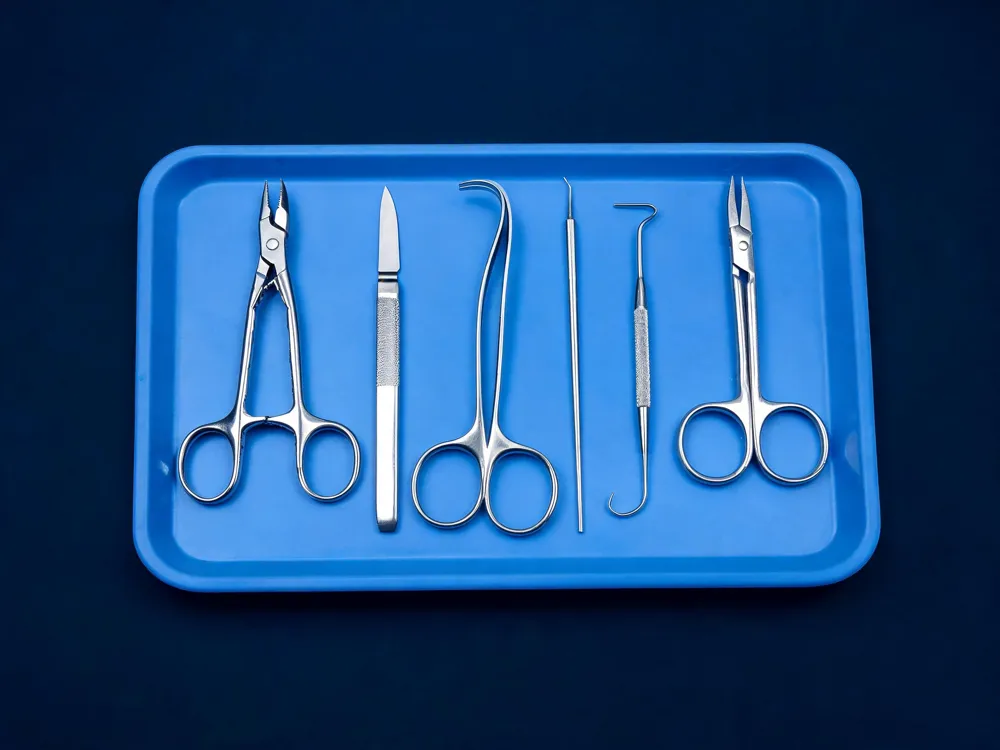 Many patients try to fix an ingrown toenail at home, but several common mistakes actually make the condition worse. Using non‑sterile tools—such as kitchen knives, tweezers, or regular nail clippers—introduces bacteria into the inflamed tissue and can damage the nail matrix, leading to abnormal regrowth. Cutting the nail too short or rounding the edges creates a sharp spike that forces the nail into the surrounding skin, while digging out the ingrown portion with sharp objects creates open wounds that serve as a nidus for infection. Even well‑intentioned attempts to lift the nail with cotton or dental floss can backfire if the material is placed too deep, left in too long, or not changed daily, trapping moisture and fostering bacterial growth.
How to remove an ingrown toenail yourself? Soak the toe in warm, soapy water or Epsom salt for 15‑20 minutes three times daily, then gently lift the edge with clean floss and slide a small piece of sterile cotton underneath. Apply an antiseptic ointment, bandage lightly, and wear roomy shoes. Do NOT cut the nail yourself; seek podiatric care if pain, pus, or fever develop, especially with diabetes or poor circulation.
What makes an ingrown toenail worse? Tight or narrow shoes, repeated trauma, and improper trimming all increase pressure on the nail edge, driving it deeper into the skin and promoting infection.
Ingrown toenail at base of nail – When the nail corner grows into the skin near the nail root, it causes throbbing pain, redness, and possible drainage. This often requires a partial nail avulsion and, if recurrent, a matrixectomy performed by a podiatrist to prevent regrowth.
When Home Care Isn’t Enough: Infection Signs & Diabetes Risks
 An ingrown toenail that becomes infected shows clear warning signs: increasing redness, swelling, throbbing pain, pus or cloudy drainage, and sometimes fever or chills. These systemic symptoms indicate that bacteria have entered the soft tissue and may be spreading beyond the toe. For patients with diabetes, peripheral neuropathy, or poor circulation, the stakes are much higher. Elevated blood glucose impairs immune response and slows wound healing, while nerve damage can mask pain, allowing an infection to grow unnoticed. Compromised blood flow also hinders delivery of antibiotics to the site, increasing the risk of cellulitis, abscess formation, osteomyelitis, or even gangrene. Because of these factors, any sign of infection in a diabetic foot warrants urgent podiatric evaluation. Professional treatment typically involves sterile partial nail avulsion under local anesthesia, careful wound cleaning, and appropriate oral or topical antibiotics. In recurrent cases, a matrixectomy may be performed to prevent the offending nail edge from regrowing. Patients must never attempt to cut or dig out the nail themselves, as non‑sterile tools can introduce additional pathogens and damage the nail matrix. Prompt, expert care is essential to avoid severe complications and, in rare instances, life‑threatening sepsis.
Professional Solutions: Permanent Fixes & Surgical Options
 Ingrown toenails can be stubborn, and while home care may ease mild discomfort, lasting relief usually requires a podiatrist’s intervention.
Partial nail avulsion with chemical matrix ablation – This in‑office procedure removes the offending nail segment and applies a phenol‑based chemical to the nail matrix, preventing that edge from regrowing. The technique drops recurrence rates from roughly 65 % to under 10 %, offering a true permanent fix.
Matrixectomy and laser treatments – For chronic cases, a surgical matrixectomy (complete removal of the matrix) or minimally invasive laser ablation can be performed. Both methods destroy the tissue that produces the problematic nail edge, eliminating future ingrowth without the need for repeated surgeries.
Recovery expectations and after‑care – The toe is numbed with local anesthetic; most patients resume normal activities the next day, though vigorous exercise should be avoided for two weeks. Keeping the wound clean and dry, applying prescribed topical antibiotics, and wearing roomy footwear are essential. Pain is usually managed with over‑the‑counter analgesics.
How to fix an ingrown toenail permanently – The most reliable solution is partial nail avulsion with chemical ablation, performed by a podiatrist.
Ingrown toenail surgery – Conducted under local anesthesia, the procedure takes about ten minutes, removes the ingrown portion, and may include phenol or electrocautery ablation for lasting results.
Ingrown toenail removal – Ranges from gentle cotton lifting to wedge excision and laser ablation for severe cases, always followed by tailored after‑care.
Podiatrist ingrown toenail – A podiatrist diagnoses, lifts, or removes the nail as needed, addresses underlying causes such as improper trimming or ill‑fitting shoes, and provides preventive guidance, especially crucial for patients with diabetes or poor circulation.
Footwear & Prevention: Choosing Shoes That Help, Not Harm

Best shoes for ingrown toenails women's
The best shoes for women with ingrown toenails prioritize a wide, rounded toe box that allows toes to lie flat and move freely without compression. Look for styles labeled as wide (2E or wider) to prevent crowding. Avoid pointed or narrow toe shapes that can worsen ingrowth. Soft, flexible materials and a proper overall fit—neither too tight nor too loose—are essential for reducing irritation. For immediate relief, open-toed sandals or slip-on shoes are excellent options as they eliminate contact with the affected nail. Prioritizing these features helps minimize pain and supports healing.
New Balance shoes for ingrown toenails
New Balance shoes are an excellent choice for individuals prone to ingrown toenails because they offer a generous toe box and come in a wide range of widths, which reduces pressure on the toes. Podiatrists frequently recommend New Balance for their supportive construction and minimal internal seams, helping to prevent friction and irritation. Specific models like the 608 V5, 1122, 992, and 811 are noted for their stability and cushioning.
Prevent ingrown toenail
To prevent ingrown toenails, always cut your toenails straight across rather than rounding the corners, as tapering encourages the nail to grow into the skin. Use a proper toenail clipper and avoid cutting nails too short. Wear shoes that provide ample room for your toes and choose socks that allow free movement. Regularly clean under your nails to remove debris that can contribute to irritation. For individuals with diabetes or circulation issues, extra vigilance is essential.
| Feature | Why It Helps | Example or Detail |
|---|---|---|
| Wide toe box | Reduces pressure on nail edges | Look for 2E width or wider |
| Flexible materials | Minimizes friction against the nail | Leather, mesh, or knit uppers |
| Open-toed design | Eliminates contact with affected nail | Sandals or slip-on shoes |
| Proper fit | Prevents nail from being compressed | Avoid shoes that are too tight or too loose |
Safe At‑Home Symptom Management: Pain Relief, Soaks, and Medications
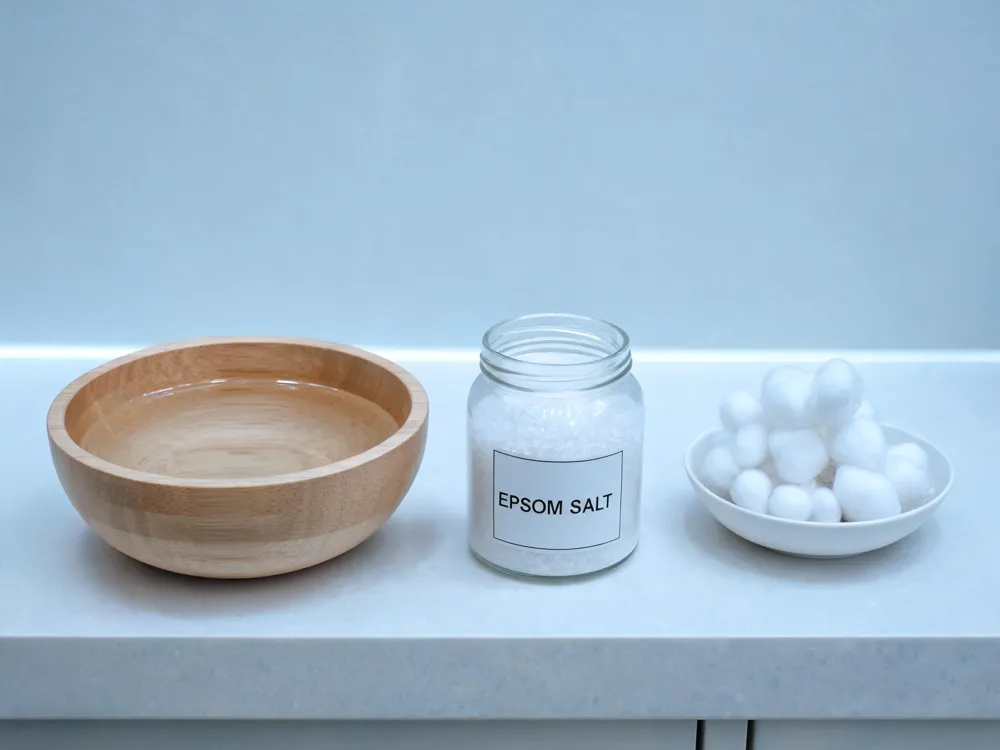 Ingrown toenails can be eased at home, but only while the infection is absent and the nail is not severely embedded.
Warm water and Epsom‑salt soaks – Soak the affected toe 15‑20 minutes, three to four times daily in comfortably warm water with a tablespoon of Epsom salt or mild soap. This softens the skin, reduces swelling, and makes gentle lifting of the nail edge easier.
Cotton, floss, and antibiotic ointments – After each soak, dry the toe and slide a small piece of sterile cotton or waxed dental floss under the ingrown edge to keep it lifted away from the skin. Apply an over‑the‑counter antibiotic cream such as bacitracin, neomycin, or mupirocin and cover with a clean bandage.
Quick relief tips – For immediate comfort, keep the toe elevated, wear open‑toed shoes, and use OTC pain relievers (ibuprofen or acetaminophen). Remember, home measures manage symptoms; they do not cure the underlying nail problem.
Take the Right Steps Toward Healing
When an ingrown toenail first appears, the temptation to "fix it yourself" is strong, but home remedies often worsen the problem. Using non‑sterile clippers, tweezers, needles, or even a V‑shaped cut can damage the nail matrix, create deeper skin injuries, and introduce bacteria. Watch for infection signs—persistent throbbing pain, spreading redness, warmth, pus or cloudy drainage, foul odor, or fever—and stop any DIY attempts immediately.
Prompt podiatric evaluation is essential, especially for people with diabetes, peripheral neuropathy, or compromised immunity. A podiatrist can perform a sterile partial nail avulsion under local anesthesia, often followed by a matrixectomy (chemical or surgical) to prevent the same edge from regrowing. This professional approach reduces recurrence rates dramatically compared with repeated home trimming.
Prevention is the final pillar of care. Trim nails straight across, leaving a small white tip, and avoid rounding the corners. Choose shoes with a wide toe box and breathable materials; avoid tight, narrow, or high‑heeled footwear that compresses the toe. Keep feet clean and dry, soak daily in warm Epsom‑salt water, and gently lift the nail edge with cotton or dental floss only after soaking. Consistent foot hygiene and proper footwear, combined with timely podiatric treatment when needed, keep ingrown toenails from becoming a chronic, painful issue.