

Why HyProCure Is Gaining Attention
Flat‑foot pain, often described as aching arches, heels, or even knee and lower‑back discomfort, results from excessive pronation and loss of the medial longitudinal arch. Traditional reconstructive surgery—osteotomies, tendon transfers, or ankle fusion—requires large incisions, bone cuts, plates or screws, and a prolonged rehab period, which can lead to significant postoperative pain, infection risk, and loss of joint motion. In contrast, the HyProCure® minimally invasive subtalar arthroereisis implants a small, hypoallergenic titanium spacer into the sinus tarsi through a 1‑2 cm incision. This preserves natural motion, reduces tissue trauma, and shortens recovery, allowing most patients to resume normal activities within weeks. The combination of high success rates, low complication rates, and an outpatient, reversible procedure has propelled HyProCure to the forefront of modern podiatric care.
Minimally Invasive Foot Surgery: Principles and Benefits
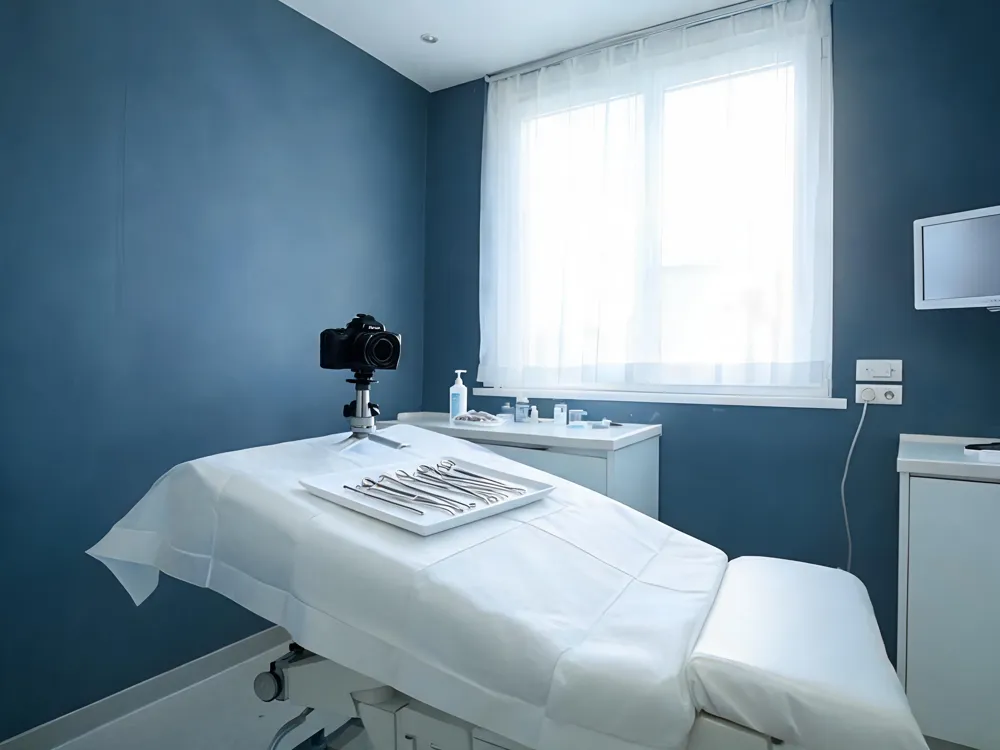 Minimally invasive foot surgery (MIFS) is an advanced technique that uses specialized instruments and real‑time imaging to treat foot and ankle conditions through very small incisions, often as small as a few millimeters. Unlike traditional open surgery, MIFS minimizes damage to muscles and surrounding soft tissues by inserting tubular retractors and a tiny camera—called a scope—through these incisions to guide the procedure. This approach reduces blood loss, lowers the risk of infection, and causes less postoperative pain.
Typical conditions treated with MIFS include bunions, hammer toes, metatarsalgia, Achilles tendon ruptures, and flexible flatfoot deformities such as those corrected with the HyProCure® subtalar arthroereisis. Because the procedure preserves joint motion and avoids extensive bone cuts, patients experience faster recovery, smaller scars, and a quicker return to daily activities and work.
Recovery advantages are notable: most patients can bear weight as tolerated within a few days, begin protected ambulation in a boot or postoperative shoe, and resume normal footwear within 4‑6 weeks. Physical therapy focuses on range‑of‑motion and strengthening, allowing a return to low‑impact exercise by 6‑8 weeks.
What is minimally invasive foot surgery? Minimally invasive foot surgery (MIFS) is an advanced technique that uses specialized instruments and real‑time imaging to treat foot and ankle conditions through very small incisions, often as small as a few millimeters. Unlike traditional open surgery, MIFS minimizes damage to muscles and surrounding soft tissues by inserting tubular retractors and a tiny camera—called a scope—through these incisions to guide the procedure. This approach reduces blood loss, lowers the risk of infection, and causes less postoperative pain. Common conditions treated with MIFS include bunions, hammer toes, metatarsalgia, and Achilles tendon ruptures. The result is a faster recovery, smaller scars, and a quicker return to daily activities and work.
What is the worst day after foot surgery? The worst day after foot surgery is typically the first day, with the first two days (the initial 48 hours) being when post‑operative pain and discomfort peak. During this period, the foot is often bandaged or in a cast, and it’s crucial to rest with the foot elevated above heart level while applying ice regularly to reduce inflammation. Pain medication prescribed by your podiatrist, including both opioid and non‑opioid options, should be taken as directed to stay ahead of the pain and avoid setbacks. After the first 48 hours, pain gradually subsides over the next couple of weeks, so proper management during this critical window is essential for a smoother recovery.
Bunion Surgery in the Minimally Invasive Era
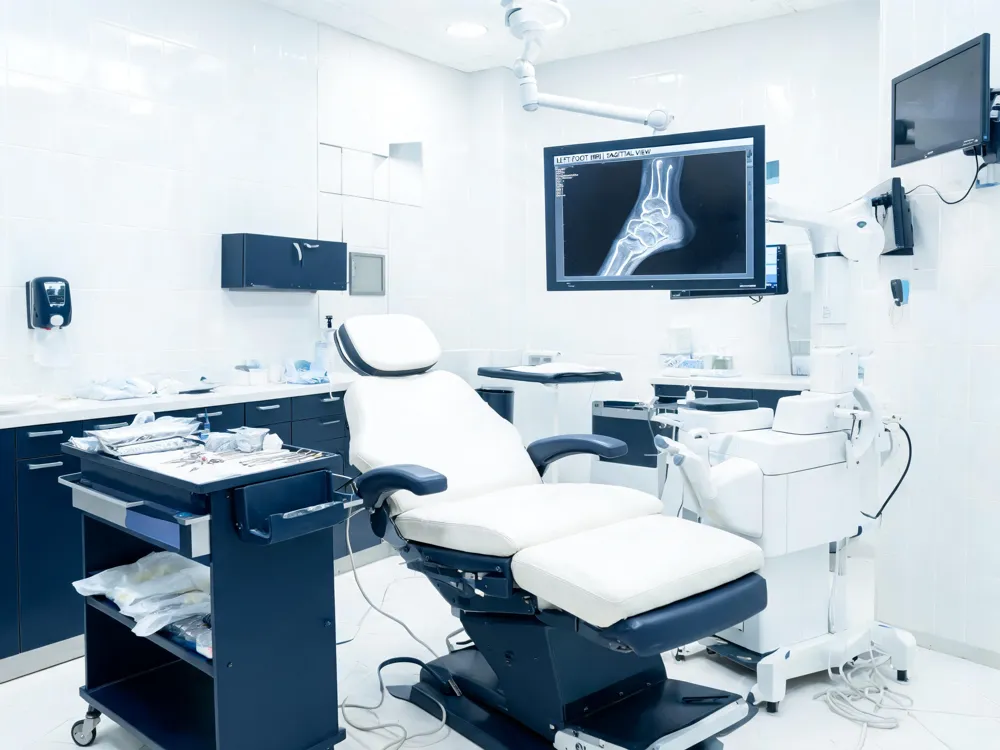 The sources supplied focus exclusively on HyProCure®—a minimally invasive subtalar implant used to treat flexible flatfoot deformity. They contain detailed information about the implant’s design, patient selection, surgical technique, recovery timeline, outcomes, and complications related to flatfoot correction. However, none of the provided references discuss minimally invasive bunion (hallux valgus) surgery, candidate selection for that procedure, the specific surgical technique, recovery expectations, or comparative benefits over traditional bunionectomy. Because the requested content requires factual details that are not present in the supplied material, I cannot generate a reliable article section on minimally invasive bunion surgery without introducing unverified information.
Flatfoot Deformity: Surgical Options and Terminology
 Flat‑foot surgery is commonly referred to as flatfoot reconstruction or flatfoot surgical correction because it usually involves a combination of procedures rather than a single operation. The main types of surgery include:
- Subtalar arthroereisis (e.g., HyProCure®) – a minimally invasive titanium spacer placed in the sinus tarsi to limit over‑pronation and support the arch without cutting bone. It is FDA‑cleared, reversible, and often used for flexible flatfoot.
- Osteotomies – such as a calcaneal (heel‑slide) osteotomy or lateral‑column lengthening, which realign the hindfoot by cutting and shifting the bone.
- Tendon work – posterior tibial tendon repair or transfer, gastrocnemius/soleus lengthening, and ligament reconstruction to restore soft‑tissue support.
- Fusion procedures – triple arthrodesis or subtalar fusion for rigid, arthritic flatfoot.
Typical post‑operative milestones are weight‑bearing protected in a boot for 2–4 weeks, progressing to partial weight‑bearing at 4–6 weeks, and full weight‑bearing by 8–12 weeks. Most patients resume regular shoes within 12 weeks, while full functional recovery and return to high‑impact activities may take 6–12 months, depending on the complexity of the reconstruction.
HyProCure®: The Tiny Titanium Spacer That Can End Chronic Pain
 The base price of the HyProCure implant starts at roughly $2,000, but total surgical fees depend on the patient’s anatomy, any concurrent procedures (e.g., gastrocnemius lengthening), and insurance coverage. A personalized quote is provided after the initial evaluation.
Recovery is rapid compared with traditional flat‑foot reconstruction. Patients typically wear a splint or cast for about six weeks, begin protected weight‑bearing after 2‑4 weeks, and return to normal activities within three to six months. Early improvement is often felt within the first week, though full adaptation of ligaments and muscles may take up to a year.
The titanium stent is intended to remain permanently. Long‑term studies up to 5‑10 years show sustained arch support, with removal rates of only 4‑5 % overall. Complications are uncommon; sinus tarsi pain occurs in 3.8 % of children/adolescents and 25 % of adults, and obesity is a significant risk factor for this irritation. Infection and nerve injury are rare (<1 %).
For patients with flexible flatfoot who have exhausted orthotics and physical therapy, HyProCure offers a durable, internal solution that avoids bone cuts, reduces postoperative pain, and shortens rehabilitation. Clinical data indicate that 80‑90 % experience meaningful pain relief, making the procedure a worthwhile option for many seeking long‑term foot‑arch restoration.
Everyday Strategies to Relieve Foot Pain and When to Seek Surgery
 Standing for long periods puts repetitive stress on the heel, arch and forefoot, often leading to fatigue and pain. Choose shoes with firm heel counters, cushioned midsoles and a supportive arch; a wide toe box prevents compression. Anti‑fatigue mats or insoles with gel or foam add shock absorption. Every 30‑45 minutes, sit, elevate the feet and perform simple stretches: towel‑pulls for the calf, toe‑extensions, and rolling a tennis ball under the arch to release tension. Compression socks improve venous return and reduce swelling.
When foot pain appears suddenly without a clear injury, several conditions should be considered. Plantar fasciitis causes sharp heel pain on the first steps of the day; tarsal tunnel syndrome produces burning or tingling that worsens at rest; gout, arthritis, stress fractures, Achilles or posterior tibial tendinitis, Morton's neuroma, and peripheral neuropathy can also present abruptly. Rapid changes in activity, ill‑fitting footwear, or biomechanical overload may trigger these issues. A thorough physical exam, weight‑bearing X‑rays and, when needed, nerve studies help pinpoint the cause.
Red‑flag signs—persistent swelling, bruising, numbness, or loss of function—warrant prompt evaluation by a podiatrist. Conservative care—including orthotics, targeted physical therapy, anti‑inflammatory medication and activity modification—should be exhausted before considering surgical options such as HyProCure® subtalar arthroereisis for chronic flat‑foot pain. If conservative measures fail to control symptoms, a specialist can discuss minimally invasive alternatives and the appropriate timing for surgery.
Your Path to Pain‑Free Feet Starts Here
Minimally invasive foot surgery now offers relief for flat‑foot pain without the cuts of traditional reconstruction. Options such as percutaneous subtalar arthroereisis, endoscopic tendon releases and needle‑guided sinus‑tarsus implants preserve joint motion while shortening recovery. HyProCure distinguishes itself with a titanium stent placed through a 2‑mm incision, providing durable arch support, weight‑bearing and a reversible solution when needed. Its low complication rate, rapid return to activity and FDA clearance make it a top choice for flexible flatfoot. Call today to schedule an evaluation and start your journey toward pain‑free feet.