

Introduction
Flatfoot, or flexible pes planus, is a three‑dimensional deformity where the medial arch collapses, causing overpronation and often leading to heel, ankle, knee or back pain. Traditional management begins with shoe modifications, custom orthotics, physical therapy and NSAIDs, but many patients remain symptomatic. In recent years, minimally invasive procedures such as the HyProCure sinus‑tarsi stent have emerged, offering direct talar stabilization, quicker recovery, and the potential to correct the root cause without extensive bone cutting. These advances are reshaping foot‑ankle care today.
Understanding HyProCure: Procedure, Implant, and What to Expect
 HyProCure foot surgery is a minimally invasive solution for flexible flatfoot and tarsal tunnel syndrome. Through a 1‑2 cm lateral incision, a small titanium stent is percutaneously placed into the sinus tarsi, stabilizing the talus over the calcaneus and correcting overpronation. The procedure, typically 20 minutes, is performed under local anesthesia with IV sedation, allowing immediate weight‑bearing and outpatient discharge.
The HyProCure implant is a medical‑grade titanium tube that self‑seats within the sinus tarsi, preserving joint motion while providing permanent arch support. Its threaded barrel encourages scar‑tissue integration, and the device can be removed if complications arise.
Before surgery, patients usually report chronic heel and arch pain, collapsed arches, and limited activity such as dancing or horseback riding. Post‑operative outcomes are striking: most children develop a natural arch within weeks, experience resolution of tingling and shooting pain, and return to normal shoes and activities within two to four weeks. Adults show similar pain relief, though recovery may be slightly longer.
Complications are rare but include sinus tarsi pain, implant malposition, and occasional nerve irritation. Overall revision and removal rates are low (≈5 % in pediatrics, <16 % in adults), and the implant is designed for long‑term durability, often lasting years without revision.
Patient satisfaction is high, with many citing permanent pain relief and improved gait as worth the investment.
Clinical Evidence, Success Rates, and Patient Feedback

What is the Clinical Evidence for HyProCure's Success and Failure Rates?
Large-scale studies provide substantial support for HyProCure as an effective treatment for flexible flatfoot. One significant retrospective analysis of 732 patients (1,008 feet) treated between 2015 and 2023 at a major hospital demonstrated a high rate of successful correction, particularly in younger patients. In the children and adolescent group (≤18 years), the overall postoperative complication rate was just 5.05%, while it was 28.81% in adults.
The most common complication was sinus tarsi pain, occurring in 3.8% of pediatric feet versus 25.4% of adult feet. This contributed to implant removal, required in only 1.04% of pediatric cases compared to 15.25% of adult cases. Importantly, all removals relieved the pain without further issues. Higher BMI was significantly associated with increased sinus tarsi pain in adults but not in children. Other clinical reviews cite a longer-term success rate of around 80-90% and a lower failure rate, with revision or implant removal needed in approximately 5-10% of cases.
What Do HyProCure Reviews and Patient Feedback Reveal?
Patient feedback is generally positive, with many reporting significant pain reduction, improved mobility, and a quicker return to activities compared to traditional surgery. Testimonial videos from clinics highlight life-changing results, such as a young patient returning to dance and a former middle-schooler playing Division 1 lacrosse. Reddit discussions echo this, with many users noting pain relief and a smoother recovery, although some mention persistent postoperative swelling. The general consensus is that HyProCure offers a permanent yet reversible solution for hyperpronation, though individual outcomes vary.
What is the Legal Landscape Surrounding HyProCure?
Direct lawsuits against the HyProCure device for failure are rare. The most notable legal action involved a 2015 patent infringement lawsuit filed by the manufacturer against a competitor over technology, not product failure. Separately, a case in Canada involved a practitioner using unauthorized, counterfeit implants, leading to malpractice claims. This highlights the importance of verifying a surgeon uses the genuine device. Overall, there is no evidence of a broad, successful lawsuit targeting HyProCure's safety or efficacy.
| Aspect | Key Finding | Detail |
|---|---|---|
| Large-Scale Study | Low complication rate | 5.05% complication rate in pediatric patients; 28.81% in adults. |
| Implant Removal | Rare in children | 1.04% of pediatric feet vs. 15.25% of adult feet needed removal. |
| Patient Reviews | Generally positive | Reports of pain relief, improved function; some mention post-op swelling. |
| Complication | Sinus tarsi pain most common | Occurred in 3.8% of children vs. 25.4% of adults; often resolves with removal. |
| Legal Issues | Rare, technology-focused | 2015 patent lawsuit; cases involving counterfeit implants, not device failure. |
Clinic Locations, Specialists, and Community Impact
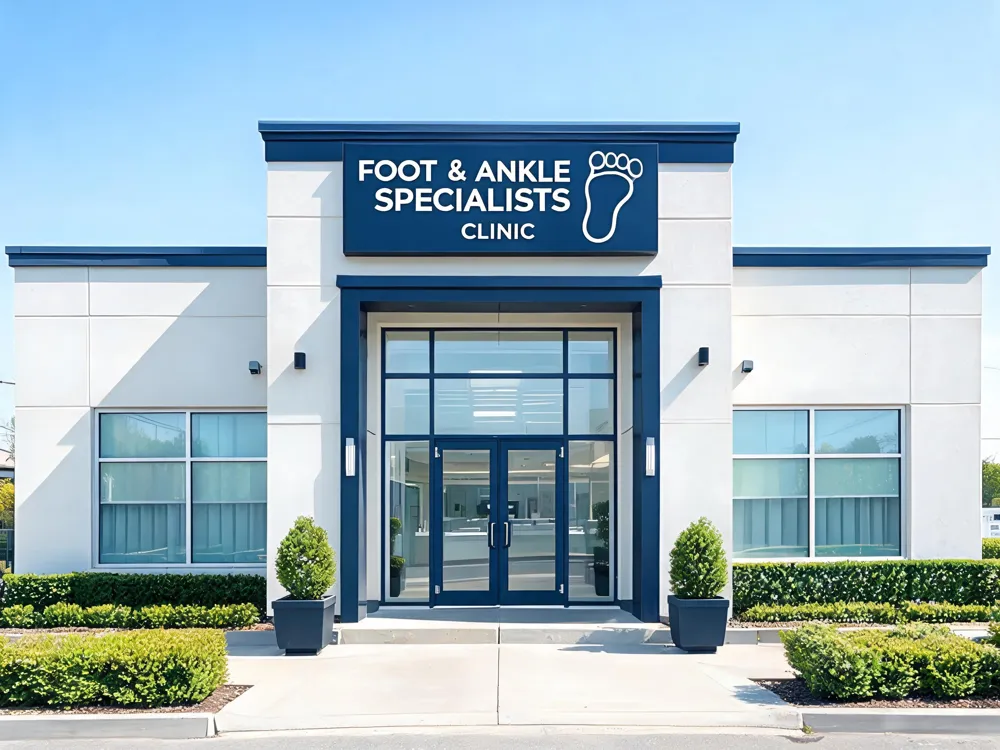 Advanced Foot and Ankle McKinney
-
Located at 5531 W Virginia Pkwy, Ste 100, TX, staffed by Dr. Christopher Witt, Dr. Melissa Sgro, and Dr. Garrett Nelson. Offers comprehensive podiatric care, same‑day appointments, and minimally invasive procedures.
-
Advanced Foot and Ankle Prosper
-
Office at 301 N Preston Rd Ste A, TX. Physicians include Dr. Sgro, Dr. Silvers, Dr. Witt, and Dr. Nelson. Provides bunion surgery, heel pain management, diabetic foot care, and fast‑track pain relief.
-
Florida clinic led by an experienced surgeon; focuses on minimally invasive surgery for bunions, heel pain, sports injuries, and wound care, leveraging cutting‑edge technology.
-
Locations in Carrollton and Plano, TX, directed by Dr. S. Rick Miller and Dr. Kevin D. Myer. Emphasizes conservative treatment first, then offers HyProCure and other advanced foot‑ankle surgeries.
-
Is it ever too late to fix flat feet?
-
No. Flat feet can be treated at any age with orthotics, exercises, or surgical options like HyProCure, preventing long‑term joint problems and improving function.
Cost, Insurance, and Financial Planning for HyProCure
 HyProCure surgery typically costs $2,500‑$4,500 per foot for the implant, surgeon fee, and anesthesia. In‑office procedures often run about $3,800 per foot, while outpatient facility fees add up to $6,295 per foot (including implant, facility, and anesthesia). Self‑pay patients can expect a total of $7,600‑$12,000 for both feet, depending on location and any additional procedures. Insurance rarely covers HyProCure, so patients should verify coverage and consider a health‑savings account or payment plan offered by the practice. For comparison, traditional overpronation surgeries such as tendon transfers or osteotomies range from $4,000‑$12,000 per foot, making the minimally invasive HyProCure a more affordable option when conservative care fails. Implants for flat feet, like the titanium HyProCure stent, are FDA‑cleared and represent the primary surgical solution for persistent talotarsal displacement.
Minimally Invasive Foot Surgery: Techniques, Options, and Recovery
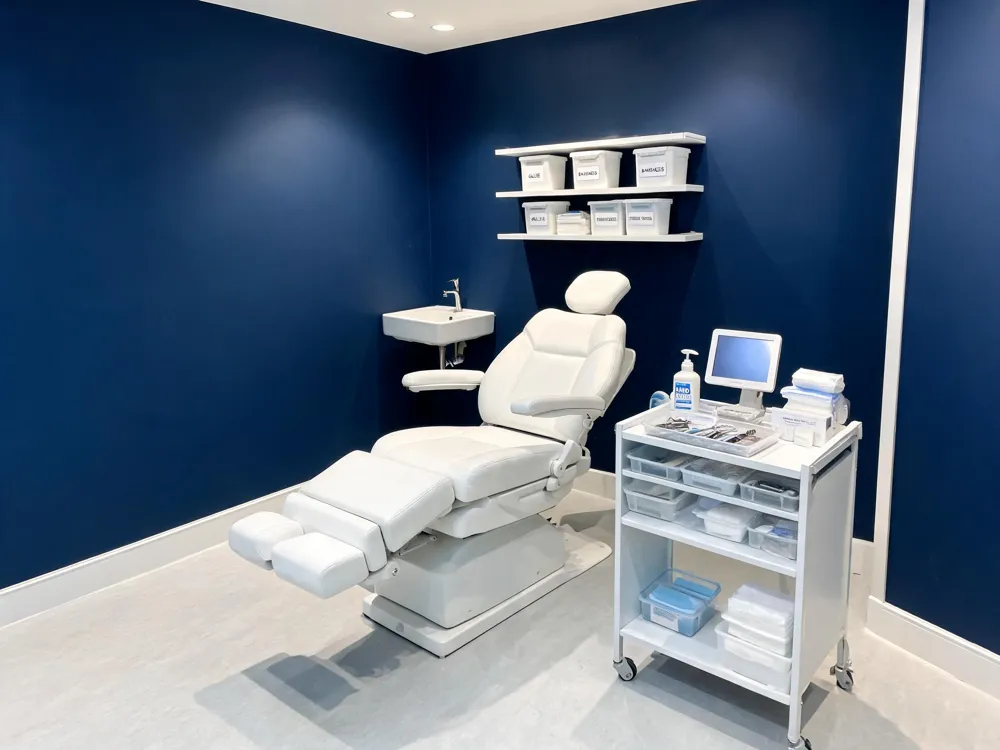
Minimally invasive surgery
Minimally invasive surgery is an advanced surgical approach that uses small incisions, often called "keyhole" ports, rather than large cuts, to access and treat the body. Surgeons operate through these tiny openings with specialized instruments and a camera, which projects a magnified view onto a monitor for guidance. This technique causes less tissue trauma, resulting in reduced pain, fewer complications, and a faster recovery compared to traditional open surgery.
Minimally invasive bunion surgery near me
When searching for minimally invasive bunion surgery near you, prioritize board‑certified podiatrists or orthopedic surgeons who specialize in keyhole (MIS) techniques. These procedures use tiny incisions, allow you to walk the same day without crutches, and often result in minimal scarring and a faster return to daily activities.
Minimally invasive bunion surgery recovery
Most patients can walk in a surgical boot within 24–48 hours and bear weight as tolerated, with the first 1–2 weeks focused on rest and elevation to control swelling. You can typically return to a desk job in 1–2 weeks, gradually increasing light activities like walking or stationary biking during weeks 3–6.
Minimally invasive bunionette surgery
Minimally invasive bunionette surgery, also known as tailor’s bunion correction, uses a tiny incision less than 1 cm near the fifth metatarsal head. Through this small opening, the surgeon cuts and repositions the bone to reduce the painful prominence without the need for screws or plates.
Minimally invasive bunion surgery MICA
MICA (Minimally Invasive Chevron Akin) is a modern keyhole technique for correcting bunions using tiny percutaneous incisions. Invented in 2008 by surgeons David Redfern and Joel Vernois, this approach minimizes soft‑tissue damage and typically results in less post‑operative pain and a faster return to normal activities compared to traditional open surgery.
Does minimally invasive bunion surgery work?
Yes, minimally invasive bunion surgery is highly effective. Clinical studies show it achieves comparable correction to traditional open surgery while significantly reducing pain and speeding up recovery.
What is minimally invasive foot surgery?
Minimally invasive foot surgery (MIFS) is an advanced surgical technique that uses small incisions, specialized instruments, and real‑time imaging to treat foot and ankle conditions while minimizing damage to surrounding muscles and soft tissues.
How is minimally invasive bunion surgery done?
It is performed through tiny incisions, typically less than one centimeter, using a specialized burr rather than a saw to cut the bone. The surgeon realigns the first metatarsal and often the big toe bone (Akin osteotomy) through these percutaneous openings, repositioning them to correct the deformity.
Is it better to have foot surgery by a podiatrist or an orthopedic surgeon?
Both are qualified; podiatrists specialize exclusively in foot and ankle issues, while orthopedic surgeons treat the entire musculoskeletal system. Choose the surgeon with the most experience in the specific procedure.
Patient Guidance, Common Concerns, and Everyday Questions
 Post‑operative expectations after minimally invasive foot surgery—such as HyProCure—include a brief period of swelling and discomfort that peaks within the first 48 hours. Most patients walk in a boot or supportive shoe within two weeks and resume normal activities by six to eight weeks, with a natural arch often evident within weeks, as seen in McKenzie’s case.
Common podiatric issues range from heel pain (most often plantar fasciitis) to flexible flatfoot, tarsal tunnel syndrome, and overpronation. Early intervention with orthotics may help, but structural misalignment often requires procedures like HyProCure, which stabilizes the talus with a titanium sinus‑tarsi stent, offering quicker recovery than open osteotomies.
FAQs:
- Worst day after foot surgery? The first post‑op day, when pain and swelling peak, is typically the hardest.
- Most common problem treated by podiatrists? Heel pain, especially plantar fasciitis.
- Heel implants for height? Rare and not standard; external lifts are safer.
- HyProCure surgery near me? Search for board‑certified providers—e.g., Dr. Mikkel Jarman in NW Chicago/South Florida.
- What is HyProCure foot surgery? A percutaneous titanium stent placed in the sinus tarsi to correct flatfoot and overpronation.
Conclusion
HyProCure delivers a permanent, minimally invasive solution for flexible flatfoot, stabilizing the talus with a titanium sinus‑tarsi stent, reducing pain, restoring arch height, and allowing rapid return to activity—especially in pediatric patients where complications and removal rates are low. Ongoing advances in imaging, implant design, and percutaneous techniques point to an expanding role for minimally invasive foot care across all ages, offering quicker recoveries and fewer hardware‑related issues. Patients experiencing persistent flat‑foot pain should consult a board‑certified podiatric surgeon to determine if HyProCure or a comparable minimally invasive option is appropriate for their needs.