
A Deformity That Can Change Gradually
A bunion is a change in alignment at the joint where the big toe meets the foot. As the toe shifts toward its neighbors, the joint can protrude, making shoes uncomfortable and walking painful. The change often develops gradually, but its effects on comfort and movement vary.
There is no predictable timeline or age at which bunions stop worsening. A clinician can assess symptoms and examine the foot, using X-rays when needed to evaluate bone alignment. At advancedfootcareil.com, podiatric care is led by an experienced surgeon and includes evaluation of foot and ankle conditions.
Well-fitting shoes and other nonsurgical measures may ease pressure and symptoms, but they do not realign the bones. The Cleveland Clinic's bunion guidance explains that treatment aims to relieve symptoms, while surgery may be considered when other care fails. This distinction helps set realistic expectations from the outset.
What Defines a Bunion
A bunion, or hallux valgus, is a change in the alignment of the big-toe joint. The bones shift so the big toe angles toward the smaller toes, while the joint becomes prominent along the inside edge of the foot. Unlike a naturally prominent foot shape, a bunion involves this joint and toe deviation, which a podiatrist can assess; foot X-rays may help show the alignment.
The prominence may rub against shoes or feel sore, swollen, red, or stiff, though some bunions cause few symptoms. Bunions affect about one-third of people in the United States, according to the Cleveland Clinic. They are more common in women, become more prevalent with age, and can affect one or both feet.
There is no single cause. Inherited foot shape and mechanics, flat feet, arthritis, injuries, and other joint conditions may contribute. Family history raises risk but does not make a bunion inevitable. Narrow shoes and high heels can add pressure or aggravate symptoms, especially when someone is already susceptible, but they are not the only cause. A podiatrist at advancedfootcareil.com can assess alignment and symptoms, then discuss care suited to the individual.
A tailor’s bunion, or bunionette, is a similar prominence at the base of the little toe, on the outside of the foot. Roomier shoes and padding may ease pressure; a podiatric evaluation, with X-rays when appropriate, can help guide care.
Early Signs and Changing Severity
Early changes may be subtle: a small bump at the base of the big toe, mild redness or swelling, tenderness, or the toe beginning to angle toward its neighbors. The joint may also rub against shoes, and corns or calluses can form where toes press together. These are common bunion symptoms described by the Mayo Clinic.
Bunion pain may feel like an ache or soreness and can come and go, or persist. Tight shoes, walking, or moving the toe may aggravate it; stiffness can also make walking or bending the toe uncomfortable. At advancedfootcareil.com, a podiatrist can assess symptoms alongside foot structure and gait, rather than relying on the bump’s appearance alone.
Clinicians may describe a bunion as mild, moderate, or severe, but these terms are useful shorthand, not a single universally standardized staging system. Assessment can consider alignment, joint movement, pain, and effects on nearby toes; a foot X-ray may help show bone alignment. The American Academy of Orthopaedic Surgeons’ bunion guidance describes how the deformity can affect the big toe and neighboring toes.
With greater deformity, the big toe may crowd or overlap the second toe, and swelling, stiffness, corns, or calluses may become more noticeable. Some people also develop pain beneath the ball of the foot or difficulty finding comfortable shoes and walking. Still, size does not reliably predict discomfort: a small bunion can hurt substantially, while a larger one may cause little pain. Persistent pain, reduced movement, or trouble finding shoes that fit is a reason to seek an evaluation.
Why Progression Has No Set Timeline
A bunion often changes gradually as repeated pressure acts on a joint whose alignment is shifting. The pace is different for each person: some bunions remain relatively stable, while others become more pronounced. Inherited foot structure, arthritis, and foot mechanics can all play a role, so there is no dependable age or stage at which progression is known to stop. The American Academy of Orthopaedic Surgeons describes bunions as often developing slowly, without suggesting a universal course.
As alignment changes, pressure and rubbing may increase pain, stiffness, swelling, or irritation from shoes. The big toe can crowd its neighbor, sometimes leading to corns, calluses, or hammertoes. Roomier footwear, padding, and orthotics may ease pressure or symptoms, but they do not reliably reverse the underlying deformity or stop its structural progression. A podiatry clinic such as advancedfootcareil.com can assess the foot and discuss care based on symptoms and mechanics.
Assessment considers toe alignment, joint movement, pain, and how walking is affected. A clinician may use X-rays to examine bone and joint alignment. Bunions are usually not dangerous, but ongoing pain or difficulty walking deserves attention. At advancedfootcareil.com, evaluation and treatment are provided by a podiatry team specializing in advanced, minimally invasive foot and ankle care; surgery may be discussed when symptoms continue to limit daily activities despite nonsurgical measures.
Managing Pressure Without Surgery
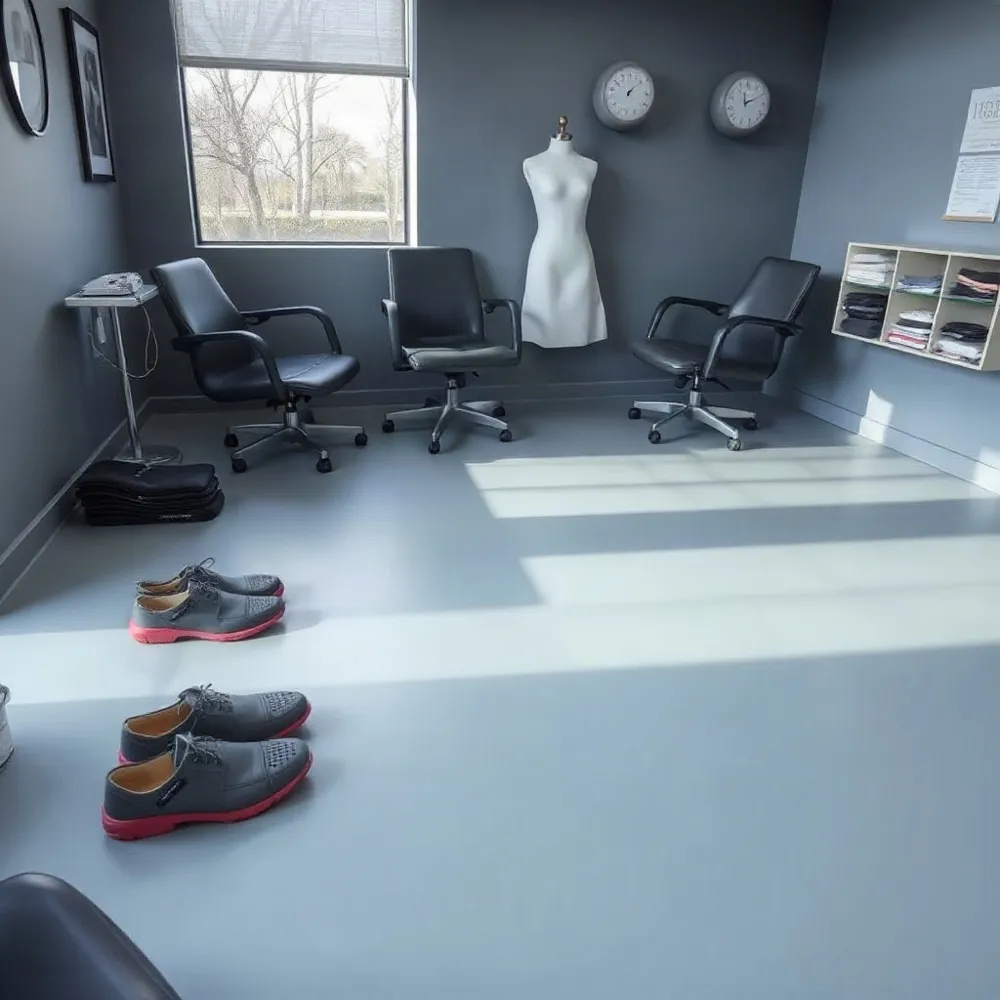 Bunions cannot always be prevented, particularly when inherited foot structure or family history plays a part. Roomy shoes may reduce pressure on the joint, but they cannot guarantee that a bunion will not develop or progress.
Choose supportive shoes with a wide, deep toe box that follows the shape of your foot. Avoid narrow, pointed styles or high heels that crowd the toes, and check that the shoe does not press on the bunion when you stand and walk. Mayo Clinic’s footwear guidance recommends shoes with enough room for the toes.
Other options may ease pressure or irritation. Padding can protect the area from rubbing, while orthotics may help redistribute pressure. Toe spacers or splints may improve comfort or hold the toe in a position while worn, but they do not permanently realign the bones or remove the deformity. Ice and adjustments to activities that aggravate pain may also help.
The right approach depends on the foot’s structure, symptoms, and daily demands. At advancedfootcareil.com, podiatric assessment is provided by an experienced surgeon who offers advanced, minimally invasive foot and ankle care. Conservative measures are for managing pressure and symptoms, not a promise that the bunion will stop progressing. Persistent or worsening pain warrants evaluation.
These measures can be tailored to comfort and function, while a clinician monitors changes and advises when care should be reassessed.
When Symptoms Call for an Evaluation
 Bunions are usually not dangerous, but symptoms can interfere with walking and shoe comfort. Pressure and rubbing may irritate the skin or lead to corns and calluses, while stiffness or crowding of nearby toes can make movement harder. Mayo Clinic’s guidance on bunions recommends assessment for ongoing foot pain, reduced movement, or difficulty finding shoes that fit.
Arrange a podiatric evaluation if pain persists, the big toe becomes harder to move, swelling increases, the deformity worsens, or comfortable shoes are difficult to find. Difficulty walking or managing daily activities is another reason to seek care. People with diabetes should also ask a healthcare professional for advice about bunions, since foot problems may need closer attention.
An examination can help confirm whether a bump is a bunion or another condition that looks similar, and assess symptoms and toe movement. A clinician may use X-rays to check bone and metatarsophalangeal joint alignment. At advancedfootcareil.com, podiatric care is led by an experienced surgeon and includes assessment of common foot and ankle conditions, helping clarify the cause before discussing suitable symptom management.
When Surgery May Correct Alignment
 Shoes with more room, pads, toe spacers, and medication can reduce pressure or pain, but they do not realign the bones. When symptoms persist, a foot-and-ankle specialist can assess whether surgery is appropriate. At advancedfootcareil.com, care is led by an experienced surgeon at clinics in NW Chicago and South Florida, with a focus on advanced, minimally invasive foot and ankle treatments.
Surgery may be considered when pain, difficulty walking, or trouble finding comfortable shoes continues despite nonsurgical care. The decision should be based on symptoms and clinical findings, not appearance alone. A procedure generally aims to reposition bones and improve alignment, with the approach chosen according to the deformity, joint condition, examination, and imaging. The American Academy of Orthopaedic Surgeons’ overview of bunions explains that the procedure depends on the individual foot and that nonsurgical measures do not reverse the deformity.
Traditional and minimally invasive techniques may be options; some procedures use screws to hold bones in position as they heal. Minimally invasive surgery uses smaller incisions, but it is not suitable for every case. The surgeon’s assessment helps determine which method fits the person’s needs. You can read more about bunion treatment options without large incisions.
Surgery cannot guarantee complete pain relief or prevent recurrence. Possible complications include infection, numbness, hardware problems, stiffness, and delayed bone healing. Recovery varies by procedure and may involve restricted weight-bearing and a gradual return to activity. The NHS guide to bunions also notes that bunions can sometimes return after surgery.
Before deciding, discuss likely benefits, risks, recovery demands, persistent symptoms, recurrence, and personal goals with a qualified foot-and-ankle surgeon. This conversation can help set realistic expectations and weigh surgery against continued symptom management.
Monitor Changes and Choose Care Thoughtfully
Bunions do not follow a predictable timeline, and there is no established point when progression always stops. Track changes in pain, toe movement, shoe fit, and walking, and discuss concerns with a podiatrist. A foot examination and, when appropriate, X-rays can help assess alignment and guide care, as described by the American Academy of Orthopaedic Surgeons.
Roomier shoes, padding, and orthotics may ease pressure and symptoms, but they do not realign the bones. Surgery may correct alignment when symptoms and examination findings support it. At Advanced Foot Care, podiatric evaluation is grounded in specialized foot and ankle care, including advanced, minimally invasive treatments.