Introduction
Flat feet, medically known as pes planus, describe a condition in which the medial longitudinal arch of the foot is low or absent, causing the entire sole to contact the ground when standing. While the arch normally develops during early childhood, many individuals retain a reduced arch into adulthood. Epidemiologic data from the United States indicate that roughly 8 % of adults have flat feet, and up to 40 % of the population exhibits some degree of arch flattening. Even when painless, the altered biomechanics can lead to overpronation, gait changes, and increased stress on the knees, hips, and lower back. For those who develop symptoms—heel or arch pain, swelling, fatigue, or difficulty standing for prolonged periods—daily activities such as walking, working, or exercising may become uncomfortable and limit quality of life. Modern podiatry emphasizes assessment, custom orthotics, targeted physical‑therapy programs, and invasive surgical options to preserve function and prevent long‑term complications.
Anatomy, Causes, and Risk Factors
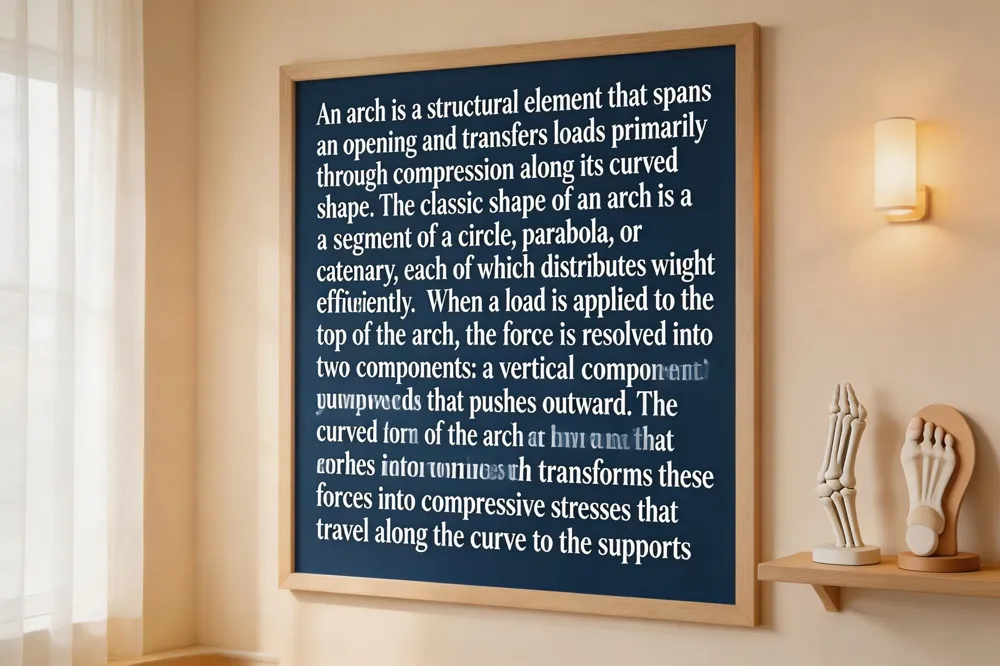 Flat feet (pes planus) arise when the medial longitudinal arch loses its structural support. The primary structural culprit is an imbalance in the tendons, ligaments, and fascia that uphold the arch—most notably weakness or dysfunction of the posterior tibial tendon, excessive tension in the calf (triceps surae) muscles, or laxity of the spring ligament and plantar fascia. When these structures fail, the arch collapses and the entire sole contacts the ground.
Genetically, Flat feet (pes planus) can be inherited; families often pass on a tendency for low arches or hypermobile ligaments. In infants and toddlers the arches are naturally absent, and they typically develop between ages 2 and 6. Persistent flat feet in children may reflect ligamentous laxity, a tight Achilles tendon, or neuro‑muscular conditions such as cerebral palsy. Most flexible flat feet in children resolve as the arch matures.
Acquired factors include obesity, which adds excess load on the arch‑supporting tissues, and posterior tibial tendon dysfunction—the most common adult cause, where the tendon becomes stretched, inflamed, or torn. Additional contributors are foot or ankle injuries, systemic diseases like rheumatoid arthritis or diabetes, and age‑related degeneration. Recognizing these contributors guides targeted interventions, from orthotic support and strengthening exercises to surgical reconstruction when conservative measures fail.
Symptoms Across Ages
 Flat feet can present differently across the lifespan. In adults, the most common complaint is heel or arch pain that worsens after prolonged standing or activity, often accompanied by swelling, fatigue, and a sensation of flatness that impairs balance. Overpronation may lead to shin splints, knee, hip, or lower‑back discomfort, and uneven shoe wear is a visual clue. In children, the lack of an arch is usually painless, but some experience foot, ankle, or lower‑leg pain that escalates with play, swelling around the ankle, tight calf muscles, or difficulty keeping up with sports. Persistent pain or swelling warrants evaluation by a pediatric foot specialist for possible orthotics or therapy. Differentiating a collapsed arch from flexible flat foot is essential: a collapsed arch is an acquired, progressive loss of a previously normal arch—often due to posterior tibial tendon dysfunction, injury, obesity, aging, or arthritis—causing pain, ankle swelling, and difficulty standing on tiptoes. Flexible flat foot, by contrast, may be congenital or developmental, often painless, and the arch reappears when non‑weight‑bearing. Both conditions are diagnosed through physical exam, gait analysis, and imaging, but treatment varies; flat feet often need supportive footwear or orthotics, while a collapsed arch may require intensive rehabilitation, custom orthotics, and possibly minimally invasive surgical reconstruction.
Everyday Management and Footwear
 Choosing the right shoes is the cornerstone of flat‑foot management. Look for footwear with firm heel counters, solid arch support, and a spacious toe box. Stability or motion‑control trainers—such as the Brooks Adrenaline GTS 24 or HOKA Arahi 8—provide a stiff midfoot platform and a supportive heel to keep the foot from collapsing inward. A removable insole lets you insert custom orthotics or replace the factory foot with a contoured arch‑support insert for added comfort. Wide‑fit options are essential if your feet are also broad, while lightweight models help reduce fatigue during long walks.
Arch support for flat feet is most effective with a supportive insole that maintains a neutral arch and limits overpronation. Custom orthotics prescribed by a podiatrist offer the ideal fit, but high‑quality over‑the‑counter options such as PowerStep Pinnacle Low Arch or Superfeet All‑Purpose Low Arch also deliver firm, low‑profile support that can be trimmed to your shoe size. Choose shoes with a built‑in arch cushion or a removable insole slot, and look for features like a firm stabilizer cap, a supportive heel cup, and a thin, dense foam that redistributes pressure across the foot.
Flat‑feet exercises reinforce the arch and improve gait. A good routine includes heel raises, arch lifts, towel curls, and calf stretches to strengthen intrinsic foot muscles. Adding toe‑spreading or marble‑picking drills improves toe flexibility and stability. Stretch the Achilles tendon with a wall‑push stretch to reduce tension that can exacerbate overpronation. Perform these movements 3–4 times a week, and combine them with proper footwear or custom orthotics for best results.
When Symptoms Worsen and When to Seek Care
 Flat‑foot pain can flare up when the arch is overloaded. Prolonged standing or walking, weight gain, and high‑impact activities increase pressure on a collapsed arch, turning a mild ache into sharp heel or arch pain. Chronic conditions such as diabetes, hypertension, and connective‑tissue disorders weaken the ligaments and tendons that support the arch, accelerating pain. Injuries to the posterior tibial tendon—the key arch‑supporting structure—and repetitive overpronation also aggravate symptoms. Finally, unsupportive footwear or shoes lacking proper arch support misalign the foot and spread pain to the ankle, knee, hip, and lower back.
The main disadvantages of flat feet stem from loss of the foot’s natural shock‑absorbing spring. Over‑pronation forces the lower leg inward, stressing muscles, tendons, and joints of the knees, hips, and lumbar spine, which can lead to swelling around the inner ankle, difficulty standing on tiptoes, and chronic postural problems. Over time, uneven weight distribution may contribute to joint degeneration, arthritis, and persistent leg or back pain.
Adults can improve flat feet without surgery. Custom orthotics, supportive shoes, targeted stretching (calf, Achilles) and strengthening exercises (short‑foot drills, toe raises) often relieve pain and prevent secondary knee or back issues. When conservative care fails—especially in cases of tendon, ligament, or bone damage—minimally invasive reconstructive surgery can restore arch height and long‑term function. Early assessment by a podiatrist, including weight‑bearing X‑rays, ensures the most effective, personalized plan.
Walking alone may strengthen arch‑supporting muscles, particularly for flexible flat feet, but it is seldom sufficient for rigid or adult‑acquired flat feet. Combining walking with specific foot‑strengthening exercises and proper orthotics yields the best results. Patients who experience worsening pain, swelling, or functional limitation should seek professional evaluation promptly.
Treatment Options: Conservative to Surgical
 Flat feet treatment begins with a thorough clinical and imaging evaluation to identify the source of pain. Most patients are managed with non‑surgical strategies: custom‑made orthotics or over‑the‑counter arch supports, supportive shoes, and a targeted exercise program that stretches a tight Achilles tendon and strengthens the tibialis posterior and intrinsic foot muscles. Weight management, low‑impact activities, and occasional NSAIDs help reduce stress on the medial arch and control discomfort.
When conservative measures fail to relieve pain or a significant deformity develops, flat feet surgery is indicated. Surgical options, usually performed by an experienced podiatric surgeon, combine minimally invasive techniques such as tendon transfers (often the flexor digitorum longus), medializing calcaneal osteotomy, Achilles or gastrocnemius lengthening, and, when necessary, arthrodesis. These procedures aim to restore arch height, rebalance foot mechanics, and improve gait while preserving natural motion. Recovery involves protected weight‑bearing, physical therapy, and a gradual return to activity.
Pediatric considerations differ because many children outgrow flexible flatfoot. Treatment starts with supportive footwear and orthotics, plus calf‑stretching and intrinsic‑muscle strengthening. If pain persists or a rigid deformity is present, short‑term immobilization, serial casting, or, rarely, surgical correction may be required. Ongoing follow‑up with a pediatric foot‑and‑ankle specialist ensures timely adjustments and helps prevent long‑term complications.
Conclusion
Flat feet arise from a mix of genetics, tendon dysfunction—most often posterior tibial tendon injury—obesity, arthritis, and aging. Symptoms range from painless arch flattening to heel, ankle, shin, and lower‑back pain that worsens with prolonged standing or activity. Early professional evaluation is crucial because timely diagnosis (clinical exam, gait analysis, and weight‑bearing imaging) can prevent progression to deformity, arthritis, or chronic pain. Conservative care—custom orthotics, supportive footwear, targeted stretching/strengthening, weight management, and NSAIDs—relieves most cases. When symptoms persist, minimally invasive interventions such as endoscopic tendon repairs, arthroereisis implants, or percutaneous osteotomies offer effective arch restoration with reduced recovery time. The future of podiatry lies in personalized, technology‑driven treatment plans that combine advanced imaging, 3‑D printed orthotics, and less‑invasive surgical options to preserve function and improve quality of life.