The Importance of Daily Foot Care and Exercise
Significance of Foot Health for Overall Mobility and Balance
Your feet serve as the foundation of your body, absorbing significant pressure with each step and supporting your entire weight. Strong and flexible feet are crucial for maintaining proper balance and mobility. Weak or stiff foot muscles can lead to instability, altered gait, and increased risk of falls, especially among older adults. Proper foot function positively impacts the alignment and movement of the ankles, knees, hips, and spine.
Basic Foot Care Routine Essentials
A consistent daily foot care routine includes gentle stretching and strengthening exercises along with supportive footwear. Simple exercises like toe curls, toe spreading, towel scrunches, and foot rolling with a tennis ball help improve foot muscle strength and flexibility. Performing these exercises barefoot or in socks, ideally three times a week or daily, promotes circulation and prevents stiffness. Additionally, wearing shoes with wide toe boxes and flexible soles reduces strain and supports natural foot movement.
Link Between Strong, Flexible Feet and Reduced Injury Risk
Regular foot exercise enhances intrinsic foot muscle strength, which stabilizes the arches and toes, improving balance and reducing injury risk. Foot flexibility exercises help prevent common problems like plantar fasciitis, hammertoes, and tendonitis by alleviating tension and improving range of motion. Maintaining this combination of strength and flexibility supports lifelong foot health, decreases pain and stiffness, and promotes overall functional mobility essential for daily activities and athletic pursuits.
Establishing an Effective Daily Foot Care Routine

What daily routine should be followed for proper foot care?
Maintaining proper foot health starts with daily hygiene practices. It is essential to wash your feet every day with warm water and mild soap, paying close attention to the spaces between the toes to prevent fungal infections like athlete’s foot. After washing, thoroughly dry your feet, as moisture can promote skin infections.
Regular removal of hard skin and calluses should be done gently using appropriate tools or exfoliation methods to avoid injury. Moisturizing the feet daily helps keep the skin hydrated and healthy.
Proper nail care includes trimming toenails straight across to avoid ingrown nails, keeping them clean and neat. Wearing clean socks every day and rotating shoes allows your feet to breathe while preventing fungal infections and unpleasant odors.
Daily inspection of your feet for any abnormalities such as blisters, cuts, sores, swelling, or dryness is critical for early detection of foot problems. If you notice persistent issues or require personalized advice, consulting a qualified podiatrist will help tailor a care plan specific to your needs and prevent complications.
What is the best routine for basic foot care?
The best basic foot care routine involves a few key steps:
- Wash feet daily with warm water and gentle soap.
- Thoroughly dry feet, especially between toes.
- Keep toenails trimmed straight across.
- Avoid self-removal of corns or calluses to minimize infection risk.
- Wear well-fitting shoes and clean socks every day.
- Inspect feet regularly for any signs of injury or infection.
Individuals with underlying conditions such as diabetes need to be particularly diligent, conducting daily foot checks and seeking professional foot care regularly.
Additional precautions include maintaining hygiene of foot-care tools, avoiding walking barefoot in potentially contaminated environments, and choosing sterile, professional foot care services to reduce the risk of infection.
Role of Footwear and Sock Hygiene
Proper footwear supports foot function and prevents injuries. Shoes with supportive arches, wide toe boxes, and flexible soles allow natural foot movement and reduce strain. Clean socks reduce moisture buildup and microbial growth, further protecting skin health.
Consultation with Podiatrists for Personalized Care
Professional podiatrists offer personalized assessments and guidance, especially for those with chronic conditions or persistent foot pain. They can recommend suitable footwear, foot exercises for strength and flexibility, and treatments to maintain foot strength, flexibility, and overall health.
Adopting a comprehensive daily foot care routine combining hygiene, inspection, proper footwear, and expert care ensures healthy, pain-free feet throughout life. For effective foot exercises to further promote foot health, consider integrating foot strengthening exercises into your routine and consult resources on foot anatomy and function for a deeper understanding of your foot care needs.
Daily Foot Exercises to Build Strength and Enhance Mobility
How often should foot exercises be performed for optimal strength and mobility?
For optimal foot strength and mobility, it is recommended to perform foot exercises consistently three to five times weekly. This frequency helps maintain a balance between strengthening, flexibility, and joint mobility. Incorporating warm-up activities such as walking or stationary cycling before exercises prepares the muscles and reduces injury risk. Typically, a structured program should continue for 4 to 6 weeks following injury or surgery, with ongoing routine practice for lifelong health maintenance.
How can I strengthen my feet with a simple daily routine?
A simple daily routine to strengthen feet includes toe raises to engage the toe muscles, marble pickups to improve dexterity, towel scrunches to activate the arch muscles, and ankle circles to enhance joint flexibility. Walking on uneven surfaces like sand challenges the foot muscles further, promoting greater strength and balance. These exercises collectively activate intrinsic foot muscles critical for stability and functional mobility.
What are the best exercises for strengthening your feet?
Effective exercises that strengthen feet are toe splay to improve toe flexibility and control, towel scrunches targeting arch strength, and marble pickups that enhance fine motor skills of the toes. Additionally, stretching exercises such as the big toe stretch and calf stretch increase flexibility, help prevent injuries like plantar fasciitis, and relieve muscle tightness. Balance exercises including single-leg stands and yoga support stability and reduce fall risk, especially important with aging. Complementing exercises with proper footwear—offering ample toe space and flexible soles—further supports foot health and function.
What is the importance of warm-up and safe exercise practice?
Warming up with light activities like walking or cycling for 5 to 10 minutes increases blood flow and prepares muscles for exercise, minimizing strain. Exercises should be gentle and non-painful; overexertion can cause discomfort or injury. Monitoring pain levels during exercises ensures safe practice. If symptoms worsen or pain develops, it is advisable to stop and consult a healthcare professional.
How do foot exercises benefit muscle strength, flexibility, and injury prevention?
Regular foot exercises enhance muscle strength by activating intrinsic foot muscles, supporting the arch, and stabilizing joints. Improved flexibility reduces stiffness, contributing to pain relief and better range of motion in the feet and ankles. These benefits collectively lower the risk of common foot conditions such as plantar fasciitis, hammertoes, and Achilles tendinopathy. Furthermore, stronger, flexible feet improve balance and stability, thereby reducing injury risk, particularly among older adults.
What role does footwear play in complementing exercise routines?
Proper footwear is essential to complement foot exercise routines. Shoes with a wide toe box, minimal heel-to-toe drop, and flexible soles help maintain natural foot alignment and allow muscles to function optimally. Minimally supportive or natural shoes can encourage intrinsic muscle strengthening but should be adopted gradually based on individual foot health. Orthotics and well-fitted shoes also reduce undue strain during daily activities and exercise, promoting long-term foot health.
Foot Conditioning for Stability and Injury Prevention

What role do intrinsic foot muscles play in stability and balance?
Intrinsic foot muscles are fundamental for supporting the arch of the foot, stabilizing the toes, and maintaining overall balance during standing and movement. Strengthening these muscles helps enhance foot control, reduce fatigue, and improve postural stability, which is vital in preventing falls and injuries.
Which exercises target arch support and toe control?
Several effective exercises strengthen the arch and toe muscles:
- Short Foot Exercise: Engages muscles beneath the arch, promoting arch height and support.
- Big Toe Press: Improves toe strength and fine motor control.
- Toe Splay and Toe Curls: Increase flexibility and dexterity by spreading and curling toes.
- Marble Pickup and Towel Scrunch: Enhance toe gripping ability and intrinsic muscle strength.
- Heel Raises: Strengthen calf and ankle muscles vital for propulsion.
How do balance and proprioception exercises prevent falls?
Improving proprioception and balance training can significantly reduce fall risk, especially in older adults. Exercises such as:
- Single-Leg Stands: Strengthen the foot and ankle stabilizers.
- Balance on Slightly Unstable Surfaces: Challenges the muscles supporting the foot.
- Alphabet Writing with Toes: Enhances ankle mobility and neuromuscular coordination.
These activities promote better body awareness and dynamic stability. For more on foot balance exercises, see detailed guidance on improving foot proprioception and stability.
Why are functional training and barefoot activity important?
Functional training that mimics daily movement patterns enhances the practical strength and flexibility of the feet. Barefoot activities allow the intrinsic muscles to engage more fully by exposing feet to natural surfaces, thereby promoting better foot mechanics and balance. Transition to minimalist footwear with wider toe boxes and flexible soles can aid this process, but should be personalized based on foot type and history. Learn about functional foot exercises and barefoot benefits.
How can I strengthen my weaker foot effectively?
Focus on gradual, consistent strengthening techniques for the weaker foot:
- Begin with mobility exercises like ankle circles and toe raises.
- Progress to balance drills like single-leg balance and stair stepping.
- Incorporate resistance exercises using bands for targeted muscle activation.
- Perform functional tasks such as ball dribbling and striking with the weaker foot to improve coordination.
Consistency in these exercises is crucial to achieving symmetry and enhanced mobility.
Additional advice: How can I keep my feet strong and healthy?
Wearing properly fitting shoes with good support, practicing regular foot exercises, maintaining hygiene, and avoiding excessive barefoot walking on hard surfaces are essential. Consulting a podiatrist for personalized assessment and guidance can help maintain foot health and prevent complications.
How can walking help strengthen the feet?
Walking naturally engages and builds the muscles and tendons in the feet and ankles, preparing them to handle varied and uneven surfaces effectively, which is beneficial for overall foot strength.
| Aspect | Exercise/Technique | Purpose |
|---|---|---|
| Arch Support | Short Foot, Towel Scrunch | Stabilize and strengthen arch muscles |
| Toe Control | Toe Splay, Big Toe Press, Marble Pickup | Improve dexterity and toe strength |
| Balance and Proprioception | Single-Leg Balance, Alphabet Writing, balance and proprioception exercises | Enhance stability and neuromuscular control |
| Functional Training | Barefoot activity, Resistance band drills | Promote practical strength and movement |
| Weaker Foot Strengthening | Ankle Circles, Heel Raises, Ball Dribbling (see gradual strengthening exercises) | Build mobility, balance, and coordination |
Tailored Foot Exercises for Seniors and Specific Conditions
What are some effective foot exercises for seniors to maintain foot health?
Seniors can benefit greatly from foot exercises for balance and stability designed to enhance mobility and reduce the risk of falls. Gentle calf stretches, including heel cord stretches and towel stretches, help improve flexibility and lower injury risk. Strengthening exercises such as calf raises, marble pickups, and towel curls bolster foot and ankle stability. Balance exercises like single-leg stands improve proprioception and coordination. Ankle range of motion activities, such as ankle circles and writing the toe alphabet in the air, aid in joint mobility. Practicing these exercises regularly, 3 to 7 days per week, ideally with professional supervision, supports lifelong foot health. It is crucial to warm up beforehand and stretch adequately after exercising to prevent strain.
What is the best exercise routine for neuropathy affecting the feet?
Managing neuropathy through foot exercises for movement and strength requires a gentle, consistent approach to promote circulation, muscle strength, and balance. Recommended activities include toe curls, foot stretches, and ankle circles, which increase flexibility and reduce foot discomfort. Balance exercises like heel-to-toe walking and single-leg stands are valuable for enhancing stability and fall prevention. Importantly, starting with low intensity and gradually progressing under medical supervision ensures safety and effectiveness. Consulting a podiatrist or physical therapist enables the creation of personalized routines tailored to neuropathy severity and individual needs.
How can specific stretches and strengthening routines alleviate foot pain?
Regular stretching of the Achilles tendon and plantar fascia using wall push stretches and towel stretches can reduce pain and stiffness. Strengthening exercises involving toe spreading, marble pickups, and towel curls build muscle support around the foot arch and toes, alleviating discomfort caused by arthritis or plantar fasciitis. Rolling a tennis or golf ball under the foot provides myofascial massage for feet, further easing pain.
What balance and coordination exercises benefit elderly populations?
Stability-focused exercises such as single-leg stands, heel raises, and controlled toe splay improve balance and proprioception in older adults. These activities help reduce fall risk by strengthening intrinsic foot muscles and enhancing joint awareness. Incorporating gentle ankle rotations and the "foot alphabet exercise" promotes coordination and mobility essential for safe daily movement.
Why is consultation with healthcare professionals important for personalized exercise plans?
Tailored exercise plans address individual health status, pain thresholds, and mobility limitations, ensuring safety and efficacy. Professionals like podiatrists and physical therapists assess foot mechanics, joint function, and underlying conditions such as arthritis or neuropathy. Through personalized guidance, individuals can progress exercises gradually, avoid injury, and optimize foot health outcomes.
| Exercise Type | Examples | Benefits |
|---|---|---|
| Stretching | Heel cord stretch, towel stretch | Increases flexibility, reduces stiffness |
| Strengthening | Calf raises, marble pickups | Enhances muscle support and stability |
| Balance & Coordination | Single-leg stands, toe splay | Improves proprioception and reduces falls |
| Mobility | Ankle circles, alphabet exercises | Maintains joint range of motion |
| Pain Relief | Tennis ball roll | Relieves muscle tension and plantar fascia pain |
Maintaining Foot Health: Beyond Exercise—Footwear and Foot Care Tools
How do footwear choices impact foot health?
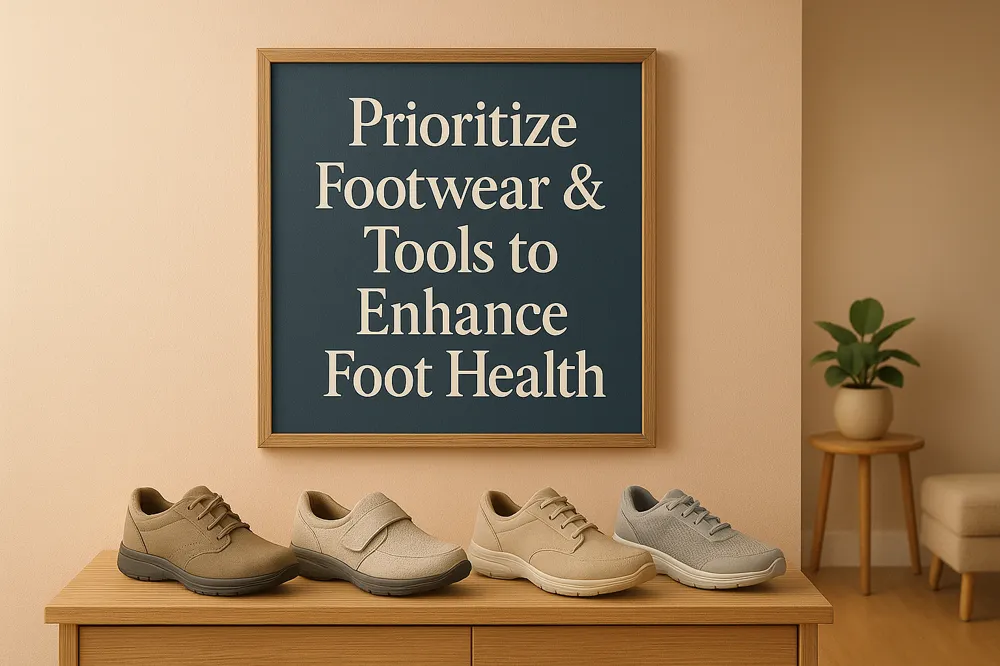
Proper footwear plays a critical role in maintaining foot strength and preventing injuries. Shoes featuring wider toe boxes allow toes to spread naturally, reducing compression and decreasing risks of deformities like bunions and hammertoes. Minimal heel-to-toe drop and flexible soles promote natural foot motion, encouraging engagement and strengthening of intrinsic foot muscles.
Benefits of minimalist and natural shoes with appropriate transition
Natural or minimalist shoes mimic barefoot walking, enhancing muscle activation and improving arch support. However, transitioning to these shoes requires gradual adaptation based on individual factors such as foot anatomy, prior injuries, and activity levels to prevent discomfort or injury.
Use of foot recovery techniques like textured balls and toe spacers
In addition to footwear, integrating daily foot recovery practices supports foot health. Stepping on textured balls can relieve tension, stimulate blood flow, and reduce fatigue. Nighttime use of toe spacers helps maintain toe alignment, reduce cramped toes, and enhance flexibility.
Routine foot inspections and early problem detection
Regular inspection of feet for redness, swelling, or deformities is vital. Early detection of issues facilitates prompt intervention, preventing complications, especially for individuals with diabetes, arthritis, or other risk factors.
Importance of warm-up, cool-down, and avoiding overexertion
Warming up before exercises with gentle walking or cycling increases blood flow, preparing the foot muscles and joints. Cooling down and gentle stretching post-activity aids recovery. Exercise intensity should remain comfortable to avoid pain or strain that can lead to injuries.
Proper footwear combined with diligent foot care and recovery practices forms an essential foundation to preserve foot function, enhance strength, and reduce injury risk in everyday life.
Commitment to Daily Foot Care for Lasting Foot Health
Consistent daily foot exercises provide numerous benefits, including improved foot strength, flexibility, and mobility, which help reduce pain and lower the risk of injuries such as plantar fasciitis and hammertoes.
Integrating foot care routines with appropriate footwear choices, such as shoes with wide toe boxes and flexible soles, supports natural foot function and prevents strain on muscles and joints.
Consulting healthcare professionals like podiatrists ensures personalized exercise plans and guidance tailored to individual foot conditions and needs.
Adhering to dedicated foot health practices enhances overall mobility, balance, and stability, contributing to a higher quality of life and injury prevention throughout all stages of life.