Why Custom Orthotics Matter
Foot biomechanics
The foot contains 26 bones, 33 joints, and over 100 muscles, ligaments, and tendons. Custom orthotics correct misalignments like overpronation and supination, improving gait and reducing strain on the entire kinetic chain.
Pain relief
By redistributing pressure and providing targeted arch support, custom orthotics alleviate heel pain, plantar fasciitis, and arthritis discomfort. Clinical studies report up to 89% pain reduction in plantar fasciitis patients.
Injury prevention
Orthotics absorb shock and stabilize the foot, cutting lower‑extremity injury risk by up to 30% in athletes. They also reduce ulcer risk in diabetic patients and prevent secondary knee, hip, and back problems.
Understanding How Orthotics Change Your Gait
Gait Mechanics
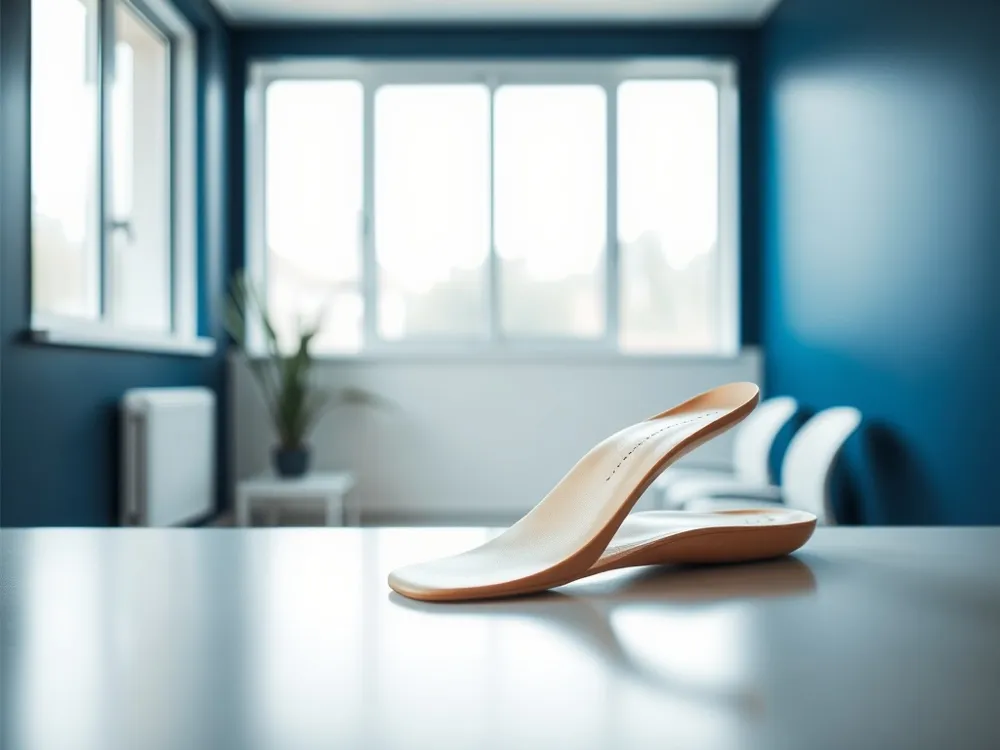
Custom orthotics change your gait by realigning the foot and ankle. They correct abnormal patterns like overpronation (excessive inward roll) and supination (outward roll), providing a stable base for more efficient movement. By repositioning the feet to align with the ankles, orthotics reduce strain on the legs, the legs, hips, and spine, improving overall posture and stride symmetry.
Biomechanical Correction
These devices provide targeted arch support and cushioning to correct alignment issues and redistribute pressure across the foot. This reduces abnormal loading on the plantar fascia, Achilles tendon, and joints of the lower limb. Research demonstrates orthotics can decrease plantar pressure peaks by up to 30% and normalize lower‑limb alignment, which helps prevent secondary injuries like shin splints and knee pain.
Study Findings
Clinical evidence supports that correcting gait abnormalities with orthotics can prevent secondary injuries and improve functional mobility. biomechanics. Three‑dimensional gait analysis shows patients using custom orthotics have measurable improvements in stride symmetry, joint movement, and walking efficiency. Studies report up to 89% pain reduction in plantar fasciitis due to increased mid‑foot contact area, and patients using gait‑analysis‑derived orthotics experience 40–60% reduction in chronic heel and foot pain compared to over‑the‑counter inserts.
Improving Gait: Benefits of Custom Orthotics
 Custom orthotics offer targeted support that enhances foot function and overall movement. By correcting biomechanical misalignments, they help restore natural walking patterns and reduce strain on the lower body.
Can orthotics improve gait?
Yes, custom orthotics can significantly improve your gait. They are designed to correct biomechanical abnormalities—such as overpronation or supination—and align your feet, ankles, and legs into a more efficient walking pattern. By providing tailored support and redistributing pressure, orthotics reduce abnormal motions that lead to calluses, corns, stress fractures, and joint pain. This is especially beneficial for individuals with high arches or flat feet, who are more prone to gait‑related issues. Ultimately, a better gait reduces strain on your lower body, lowering your risk of injuries and discomfort during daily activities.
Targeted arch support and condition‑specific relief
Proper arch support is fundamental to orthotic therapy. Custom devices provide precise medial or lateral support that stabilizes the foot’s three arches throughout the gait cycle. This can alleviate common conditions such as plantar fasciitis, Achilles tendinitis, and metatarsalgia by reducing pressure on inflamed tissues. Research shows that well‑fitted orthotics can reduce pain scores by up to 60% for chronic heel and foot pain. They also benefit diabetic patients by distributing plantar pressure evenly, lowering ulcer risk. With materials ranging from rigid carbon fiber to soft accommodative foams, orthotics address individual needs and help prevent progression of deformities like bunions and hammertoes.
Footwear Choices: What to Avoid

Shoes Podiatrists Advise Patients to Avoid
Podiatrists regularly warn against certain footwear that compromises foot health. High heels shift weight onto the forefoot, increasing pressure and instability. Overly flexible slip‑on shoes and flat soles lack the arch support and heel stability needed to maintain proper gait. Pointed‑toe boxes compress toes, contributing to bunions and hammertoes. Flip‑flops offer minimal support and can exacerbate overpronation. These styles may worsen existing conditions such as plantar fasciitis or metatarsalgia. For optimal foot health, choose shoes with a stable heel, adequate arch support, and a wide toe box – features that complement custom orthotic therapy and help prevent pain and injury.
Types of Custom Orthotics and Their Roles
Functional vs Accommodative Orthotics
Custom orthotics fall into two primary categories. Functional orthotics (semi-rigid) control abnormal foot motion and correct gait, often made from carbon fiber, graphite, or hard plastic—these are sometimes termed rigid orthotics. Accommodative orthotics (soft) provide cushioning and conform to the foot, ideal for diabetes, arthritis, or sensitive areas. Both types reposition the foot to relieve pain and improve alignment throughout the lower body.
Material Choices in Orthotics
Materials range from rigid polymers like polypropylene and carbon fiber for motion control to soft foams such as EVA and polyurethane for shock absorption. Heat-moldable composites allow precise customization. Selection depends on the patient's condition, activity level, and whether the goal is stability or comfort.
Integrating Orthotics into a Comprehensive Care Plan
Gait Analysis Guides Orthotic Design
A comprehensive gait analysis is the foundation of an effective orthotic prescription. Podiatrists use tools like pressure mapping, motion-capture cameras, and 3D digital scans to measure stride length, foot strike, and weight distribution. This assessment identifies biomechanical faults such as overpronation or supination, allowing the orthotic to be tailored precisely to the patient’s unique movement pattern.
Essential Follow‑Up Care
Prescription orthotics require a dedicated follow‑up schedule. Patients typically need an adjustment period of up to one month as their feet adapt to new biomechanics. Regular appointments allow the podiatrist to fine‑tune fit, adjust posting or heel lifts, and monitor wear. Devices may need replacement every one to three years or whenever a child grows two shoe sizes. Proper follow‑up maximizes therapeutic outcomes and prevents secondary injuries.
Orthotics for Special Populations: Children and Athletes
Custom orthotics play a vital role in pediatric care by stabilizing developing feet and correcting deformities before they worsen. For active children, devices are replaced as the foot grows. Athletes also benefit greatly: semi‑rigid orthotics enhance shock absorption, improve balance and proprioception, and reduce overuse injuries like shin splints and stress fractures. By supporting proper alignment during high‑impact activities, orthotics help athletes train longer and recover faster.
Putting It All Together
Long‑term benefits of custom orthotics
Custom orthotics provide lasting improvements in foot alignment and gait. Over time, this reduces abnormal stress on the knees, hips, and lower back, helping to prevent chronic conditions such as tendonitis and stress fractures. Many users also experience better balance and a lower risk of falls, particularly in older adults.
Preventive care with custom orthotics
Early intervention with custom orthotics can stop minor foot discomfort from progressing into more serious issues like arthritis or plantar fasciitis. Regular follow‑up appointments allow adjustments for changing needs, while pairing orthotics with proper footwear and periodic gait analysis maximizes their preventive value.