Why Footwear Matters for Every Athlete
A well‑fitting shoe improves biomechanics, reduces excess pressure, and lowers the odds of blisters, plantar fasciitis, and stress fractures. Sport‑specific designs—cushioned runners for forward motion, lateral‑stable courts for basketball or tennis, and rigid lifts for weight‑lifting—address the unique forces of each activity. When selecting a shoe, check for a thumb‑width gap at the toe box, a firm heel counter, adequate arch support, appropriate heel‑to‑toe drop, and a tread pattern suited to the playing surface. Replacing shoes after 300–500 mi preserves cushioning and injury protection.
Foundations of Footwear Selection
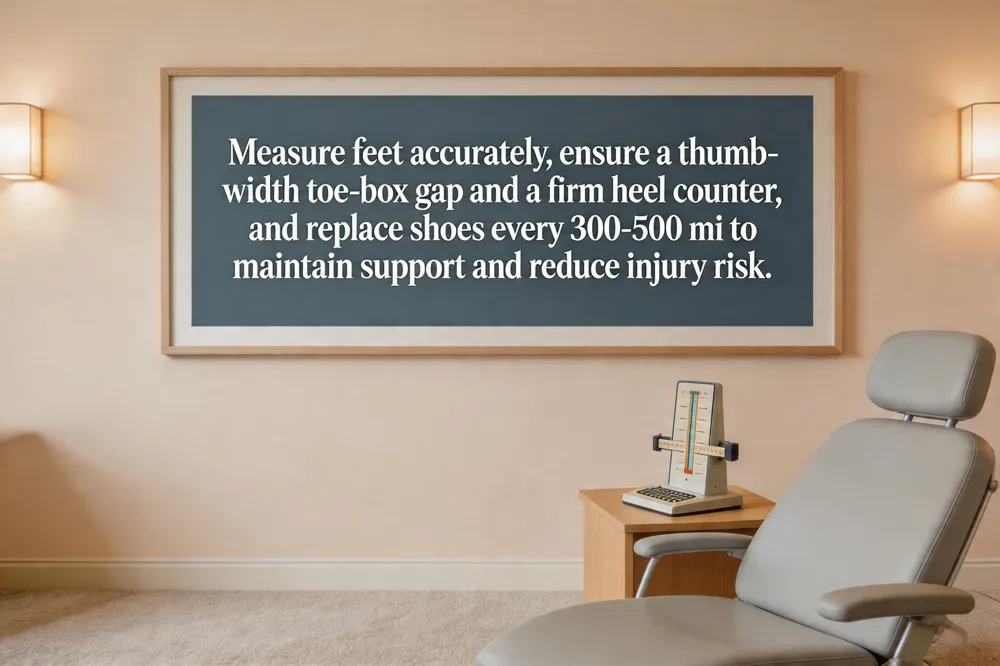 Athletes should have their feet measured and fitted at a specialty store where a Brannock device or scanner can capture length, width, and arch type. Proper fit includes a thumb‑width (≈½‑inch) gap between the longest toe and the toe box and a firm heel counter that grips the heel without slippage. Sport‑specific footwear—cushioned running shoes, lateral‑stability court shoes, and versatile cross‑trainers—addresses the unique biomechanical demands of each activity. Replace shoes after 300‑500 miles (or every 6‑12 months) because midsoles lose shock‑absorbing capacity, increasing stress‑fracture risk.
What are the 5 P’s in sports? Perspective, Process, Present, Positive, and Progress – a mindset framework that keeps athletes focused and resilient.
Best running shoes depend on arch type: low arches benefit from stability models like Brooks Adrenaline GTS or Asics Gel‑Kayano; neutral arches from cushioned options such as Saucony Ride 15 or Hoka Clifton 9; high arches from softer shoes like New Balance Fresh Foam Venture or Hoka Bondi 8.
Which fruit is good for foot pain? Vitamin C‑rich fruits—kiwi, strawberries, oranges, pineapple, and mango—reduce inflammation and support tissue repair, helping ease conditions like plantar fasciitis and tendinitis.
Common Foot Ailments on the Field
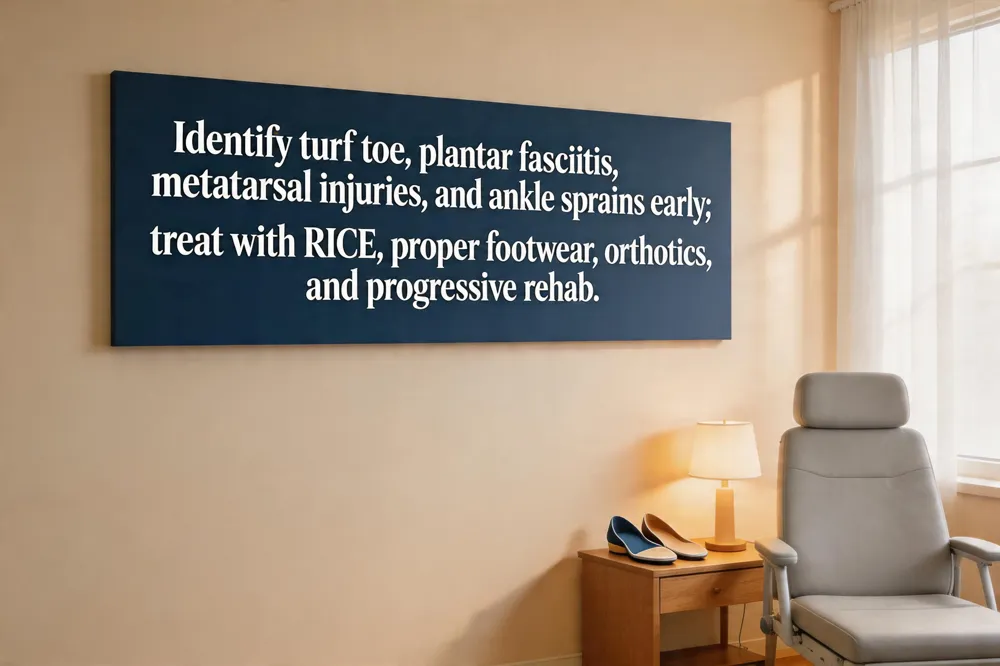 Athletes often experience turf toe, plantar fasciitis, forefoot injuries, and ankle sprains. Turf‑toe symptoms include sharp or throbbing pain at the base of the big toe, swelling, bruising, tenderness, and limited motion, especially when pushing off or cutting. Treatment starts with RICE, a stiff‑sole shoe or toe brace, NSAIDs, and progresses to physical therapy for range‑of‑motion and strength; severe cases may need orthotics or surgical repair. Plantar fasciitis is inflammation of the plantar fascia causing heel and arch pain worst on the first steps after rest; risk factors are overuse, calf tightness, obesity, and abnormal foot mechanics. Management involves rest, ice, NSAIDs, stretching, strengthening, night splints, custom orthotics, and, for chronic cases, shock‑wave therapy, PRP injections, or minimally invasive surgery. In football, top‑of‑foot injuries such as metatarsal fractures, Lisfranc sprains, and cuboid syndrome arise from rapid cuts, tackles, and direct blows; early tenderness, swelling, and limited weight‑bearing should prompt podiatric evaluation and may require immobilization or minimally invasive surgery. Ankle‑injury‑prevention exercises combine balance (single‑leg stance 30 s), resistance‑band work for dorsiflexion, plantar‑flexion, inversion, eversion (15 reps each), dynamic calf stretches, ankle circles, and functional foot‑flexor drills; performing this routine 3‑5 times weekly for 4‑6 weeks builds proprioception and muscular endurance, reducing sprain risk.
Injury Management and Recovery Strategies
 A Lisfranc injury is a disruption of the tarsometatarsal joint complex in the mid‑foot, often caused by a rotational force or axial load while the forefoot is plantar‑flexed, such as a twist‑and‑fall or a sports impact. It damages the Lisfranc ligament and may involve fractures or dislocation of the metatarsals and cuneiforms, leading to mid‑foot pain, swelling, bruising, and an inability to bear weight. Diagnosis requires a careful physical exam and special radiographic views that show widening between the first and second metatarsal bases, with MRI or CT used to detect subtle ligamentous tears or hidden fractures. Treatment ranges from non‑operative immobilization in a non‑weight‑bearing cast for low‑energy, minimally displaced injuries to surgical fixation—often minimally invasive open reduction and internal fixation or primary arthrodesis—for displaced or unstable injuries. Early, appropriate management is essential to restore arch stability, prevent chronic arthritis, and allow a return to normal activities.
Turf toe typically recovers in 2–4 weeks with supportive shoes and limited push‑off, while Plantar fasciitis may require 6–12 weeks of stretching, arch‑supporting orthotics, and gradual loading. Athletes should seek podiatric care promptly if pain persists beyond these timelines, if swelling, bruising, or numbness is present, or if weight‑bearing is painful, to avoid chronic complications and ensure a swift, safe return to sport.
Choosing the Right Shoes for Training and Performance
 Choosing the appropriate footwear is a cornerstone of injury‑free training.
Weight‑training vs. cardio shoe characteristics
Weight‑training shoes should have a flat, rigid sole, minimal cushioning, and a secure heel lock to provide a stable platform for squats, deadlifts, and Olympic lifts. Examples include the Adidas Dropset 4, Nike Metcon 10, and Born Primitive Savage 1 for wide or flat feet. Cardio shoes need moderate cushioning, a modest heel‑to‑toe drop (4‑8 mm), and good shock‑absorption to protect joints during runs or HIIT; options such as the Nike Pegasus 41, On Cloud X 4, or Under Armour TriBase Reign 6 fit this profile.
Shoes podiatrists advise against
Podiatrists consistently discourage footwear that lacks support or promotes excessive foot motion. Ten common offenders are: 1. Crocs, 2. Hey Dudes, 3. Ballet flats, 4. Converse sneakers, 5. Vans slip‑ons, 6. Flip‑flops, 7. Memory‑foam “cushy” sneakers, and 8. Slide sandals, 9. Soft‑sole running shoes for heavy lifting, and 10. Overly narrow toe‑box shoes that compress the forefoot.
Knee injury prevention through footwear
A well‑fitted shoe with a stable heel counter and appropriate arch support reduces abnormal tibial rotation and thereby eases knee stress. Athletes should replace shoes after 300‑500 miles or when midsoles feel compressed. Combine supportive shoes with a dynamic warm‑up, calf‑Achilles stretches, and regular strengthening of the quadriceps, hamstrings, glutes, and hip stabilizers to further safeguard the knee.
FAQ
- Best shoes for weight training and cardio: Use a rigid, flat shoe (e.g., Adidas Dropset 4) for heavy lifts and a moderately cushioned trainer (e.g., Nike Pegasus 41 for cardio. Ensure a thumb‑width toe‑box and proper heel grip.
- How to prevent knee injuries: Strengthen lower‑extremity muscles, maintain proper shoe support, avoid deep knee bends with heavy loads, and listen to pain signals.
- What shoes do podiatrists hate?: Crocs, Hey Dudes, Ballet flats, Converse, Vans slip‑ons, Flip‑flops, Memory‑foam sneakers, Slide sandals, Soft‑sole lifting shoes, and Narrow toe‑box shoes.
Performance, Biomechanics, and Foot Health
 Running shoes shape lower‑extremity biomechanics by controlling foot‑strike, pronation, and shock attenuation. A responsive midsole with appropriate durometer can promote a forefoot or midfoot strike, reducing rear‑foot inversion and lowering peak ankle joint reaction forces, while firm arch support stabilizes the subtalar joint. Cushioning degrades after 300‑500 mi of use, so worn shoes may no longer provide the intended protective effect. Modern technologies—such as carbon‑fiber plates and highly responsive EVA foam—improve running economy by roughly2‑44% translating into into33%% and faster muscle of broad Race, shoe Sportslematched shoe the Economic and foot. selecting and or shoe from a podiatrist improves performance and reduces injury risk. Properly fitted shoes with a secure heel counter and adequate arch support also protect the knee and ankle by limiting excessive pronation, reducing tibial loading, and preventing overuse injuries like plantar fasciitis, Achilles tendonitis, and stress fractures. Regular replacement every 300‑500 mi and sport‑specific footwear further preserve joint health and athletic performance.
Everyday Foot Care and Infection Prevention
 Athletes should treat foot hygiene as a daily habit. Wash feet with mild soap, rinse thoroughly, and dry completely—especially between the toes—to eliminate the moist environment that fuels athlete’s foot. Moisture‑wicking, breathable socks (synthetic blends or merino wool) help keep feet dry; change them at least once a day or after heavy sweating. If you have a fungal infection, keep socks clean, apply antifungal powder, and avoid going barefoot in locker rooms, showers, or on gym mats, as this spreads spores and creates a warm, damp surface for growth. In public wet areas wear flip‑flops or shower shoes instead of bare soles. For short periods without socks, choose dry cotton socks that allow airflow and avoid tight shoes that trap moisture. Nutrition also matters—adequate calcium, vitamin D, omega‑3s, and protein support bone density and skin integrity, reducing the risk of fissures and infections. Pair good hygiene, dry breathable socks, and a balanced diet to prevent athlete’s foot and maintain overall foot health.
Putting It All Together for Injury‑Free Play
Regular foot assessments by a podiatrist catch early signs of inflammation, nerve irritation, or biomechanical imbalance before they become painful. As training intensity, surface, or sport changes, athletes should reassess shoe type, cushioning level, and arch support, swapping to sport‑specific models and rotating pairs to allow midsoles to recover. Consulting a podiatric specialist ensures personalized orthotics, targeted strengthening programs, and timely interventions, keeping the foot–ankle complex resilient for injury‑free play and maintaining optimal performance throughout the season while protecting health.