Modern Breakthroughs in Podiatric Care
The field of podiatry is undergoing a shift from traditional open procedures toward minimally invasive surgery (MIS). By utilizing specialized instrumentation through tiny, millimeter-sized incisions, surgeons can address complex issues like bunions or chronic tendonitis while significantly preserving healthy surrounding tissue.
At advancedfootcareil.com, this focus on precision is complemented by advanced imaging technology. While conventional systems rely on 2D fluoroscopy, which often leaves limitations in visualizing joint surfaces, our clinic leverages sophisticated tools that mirror the high-precision requirements found in robotic orthopedic surgery. These systems provide surgeons with refined visualization and tactile control, which is critical for successful hardware placement and optimal joint alignment.
Technological integration, including 3D imaging and real-time guidance, allows for a more personalized treatment approach. By reducing trauma to soft tissues and nerves during the operative phase, patients often benefit from less postoperative pain and a swifter return to mobility compared to traditional, high-impact surgical interventions.
Defining Minimally Invasive Foot and Ankle Surgery
 What is minimally invasive surgery for the foot and ankle? Minimally invasive surgery (MIS) is an advanced surgical approach that treats foot and ankle conditions—such as bunions, hammertoes, and arthritis—through very small skin incisions. Minimally invasive foot and ankle surgery uses incisions typically just a few millimeters in length, shifting away from the larger openings required in traditional open procedures.
Rather than relying on wide surgical exposure, surgeons perform corrective procedures, including bone realignment and soft tissue repair, using specialized, miniaturized instruments. These techniques are performed under real-time X-ray guidance, known as fluoroscopy, to ensure precise placement of internal fixation, such as screws, despite the limited visual field. This real-time imaging acts as an essential navigator for the surgeon as they work inside delicate anatomical spaces.
Compared to traditional open surgery, MIS typically offers patients the benefits of reduced tissue trauma, as there is significantly less disturbance to the surrounding muscles, ligaments, and nerves per research. This reduced trauma often correlates with a lower risk of post-operative wound healing complications and a smaller risk of infection. At advancedfootcareil.com, this focus on tissue preservation is central to the practice’s methodology, helping patients achieve a generally faster recovery period compared to more invasive alternatives.
While this approach is highly effective for many patients, it requires significant specialized training for a surgeon to master the technical nuances required for success. Not every patient is a candidate for minimally invasive techniques, particularly when dealing with severe deformities or instances of significant joint instability. As noted by the National Institutes of Health, consulting with an experienced professional is the essential first step in determining the most appropriate and safest treatment path for your specific foot or ankle condition.
Clinical Benefits and Patient Outcomes of MIS
 The adoption of minimally invasive surgery (MIS) in podiatry marks a fundamental change in how surgeons approach structural corrections. By performing procedures through incisions that are often just a few millimeters in length, surgeons can significantly limit trauma to adjacent nerves, muscles, and ligaments. This focus on tissue preservation is a cornerstone of modern care, helping to reduce the systemic impact of orthopaedic intervention and fostering faster healing compared to traditional open techniques.
What are the primary benefits of minimally invasive podiatric techniques? These procedures minimize surgical trauma, which generally leads to faster recovery times, decreased postoperative pain, and a lower risk of surgical complications compared to traditional open procedures. By utilizing specialized, smaller instrumentation, these surgical approaches minimize damage to surrounding anatomical structures, ultimately resulting in less scarring and improved cosmetic outcomes. Patients frequently benefit from these advanced methods through an expedited return to daily activities and weight-bearing tasks. Furthermore, the precision offered by these techniques, often supported by modern diagnostic and technological advancements, enhances overall surgical accuracy and patient safety. Ultimately, these innovative treatments reflect a shift toward patient-centered care, emphasizing functional success while maintaining high standards of clinical efficacy.
At advancedfootcareil.com, we emphasize that the reduced incision size plays a major role in lowering the risk of post-surgical infection and wound dehiscence. Unlike traditional surgeries that may require extended periods of non-weight-bearing, many patients undergoing MIS can begin standing or walking in a protective boot almost immediately. This accelerated recovery often results in a significantly reduced reliance on narcotic medications for pain management, as the internal tissue disruption is kept to a minimum.
- Reduced overall post-operative pain and stiffness.
- Minimal scarring, which offers significant cosmetic advantages.
- Lower risk of surgical site complications or infection.
- Earlier weight-bearing and quicker transition back into regular footwear.
High-Precision Imaging and Emerging Surgical Technologies
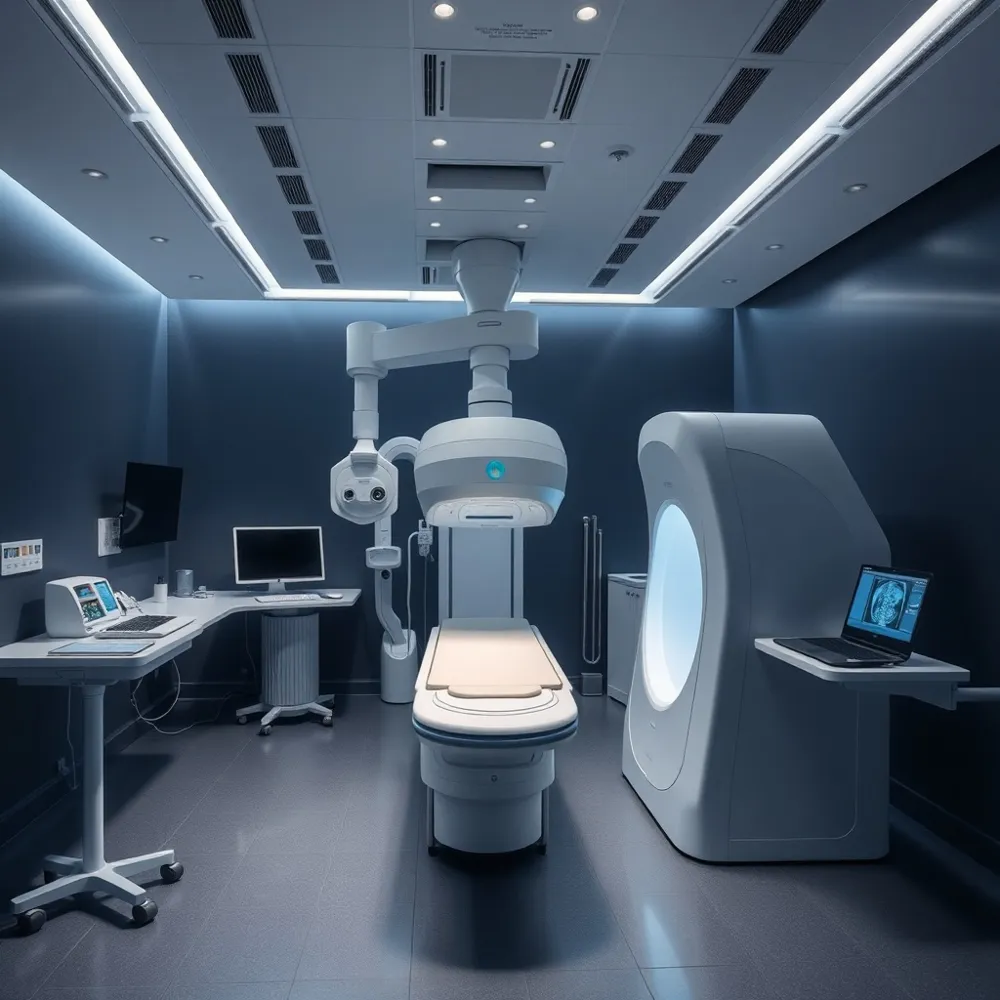 Modern podiatry is increasingly defined by the integration of minimally invasive surgical (MIS) techniques that utilize keyhole incisions to reduce tissue trauma, pain, and recovery times. Innovations such as the OEC Elite MiniView provide advanced fluoroscopy, offering surgeons high-resolution, real-time visualization of bone structures. This technology, combined with specialized instruments like precision retractors and burrs, allows for complex procedures to be performed through narrow conduits with significantly improved accuracy.
What technologies are currently driving innovation in podiatric surgery?
Advancements in Weight-Bearing CT scans allow surgeons to visualize foot and ankle morphology under natural body load, which considerably enhances diagnostic accuracy compared to traditional non-weight-bearing imaging. Furthermore, 3D printing is enabling the creation of patient-specific implants and custom surgical guides, facilitating a more personalized approach to deformity correction. These tools are augmented by AI-powered imaging software, which can perform automated 3D segmentation and analysis to assist in complex preoperative planning and virtual osteotomies.
How do newer surgical technologies like lasers and ultrasound compare to traditional methods?
Emerging interventions represent a significant evolution toward tissue-sparing care compared to traditional open surgery. While conventional methods often require extensive incisions that disrupt surrounding soft tissues, these advanced tools utilize smaller portals to minimize trauma. Procedures such as those discussed at advancedfootcareil.com highlight how superior visualization and high-precision instruments lead to better clinical outcomes and faster patient recovery. As these innovations become more integrated, they continue to decrease the necessity for, and reliance on, the more invasive surgical methods of the past.
Robotics and Patient Selection Considerations
What should patients understand about the limitations and requirements of robotic-assisted surgery?
Robotic-assisted surgery functions as an advanced tool that enhances a surgeon's existing abilities rather than acting as a replacement for human clinical judgment. Surgeons at advancedfootcareil.com maintain full oversight from a specialized console, ensuring that every movement is intentional and precise. Successful operation of these systems requires extensive specialized training to handle the high-definition 3D visualization and delicate instruments. Patients must understand that while robotics offer significant advantages, they are not universally applicable to every deformity. In rare cases, a surgeon may need to transition to traditional open methods if anatomical complexities require greater direct visibility, an important consideration for patient safety.
What defines a candidate for minimally invasive bunion surgery?
Candidates for minimally invasive surgery (MIS) bunion correction typically struggle with chronic pain, inflammation, or functional impairment caused by hallux valgus that has failed to resolve through conservative measures like orthotics or shoe modifications. Advancedfootcareil.com performs a detailed clinical evaluation using weight-bearing X-rays to assess the degree of bone misalignment and joint structural integrity. Unlike settings that may turn away complex deformities, specialized providers often find that even significant bunion cases can be corrected with refined, keyhole-based techniques. The goal is to realign the joint safely to minimize post-operative recovery time while providing superior cosmetic outcomes with minimal scarring.
Insurance and Financial Coverage for Advanced Care
Understanding how insurance plans handle modern podiatric technology is a critical step for patients exploring advanced treatment options. At advancedfootcareil.com, we focus on providing transparent guidance regarding the financial aspects of care, ensuring you can prioritize your recovery without unexpected burdens.
Is robotic-assisted surgical intervention covered by Medicare?
Medicare provides coverage for robotic-assisted surgical procedures, treating them the same as traditional surgeries provided they are deemed medically necessary. These procedures are covered under Part A for inpatient hospital stays and Part B for outpatient surgeries, provided the surgeon and facility are approved Medicare providers. While the surgery itself is covered, patients may still be responsible for standard coinsurance or copayments depending on their specific plan. It is necessary to confirm potential out-of-pocket expenses with your doctor and insurance provider beforehand, as costs can vary by facility. Additionally, Medicare Advantage plans are required to adhere to the same coverage requirements as Original Medicare regarding medically necessary care.
Determining coverage often hinges on the distinction between medically necessary correction and elective cosmetic procedures. Insurance generally covers surgeries intended to resolve functional impairments, such as chronic pain or mobility issues caused by deformities like bunions. Advancedfootcareil.com assists patients by verifying provider status and eligibility, helping to clarify how your unique plan aligns with the advanced techniques used in our practice.
Prioritizing Your Long-Term Foot Health
Modern podiatric care is increasingly defined by the integration of robotic-assisted surgery and high-resolution imaging, which work in tandem to improve patient-centered outcomes. These advancements reduce tissue trauma and enhance the structural accuracy of corrections, allowing for faster returns to daily activity compared to traditional open techniques, according to data on minimally invasive surgery success profiles.
Achieving the best possible result depends on personalized planning. Patients should consult with surgeons who utilize intraoperative 3D imaging to tailor procedures to their unique anatomy. As robotic-assisted navigation becomes more prevalent, the future of orthopedic innovation anticipates even greater precision and longevity for complex joint reconstruction.