Why Choosing the Right Orthotic Matters
Custom orthotics are individually molded to your foot’s exact anatomy, while over‑the‑counter inserts are mass‑produced and generic. Properly fitted orthotics realign biomechanics, reducing abnormal stresses that cause plantar fasciitis, shin splints, knee and back pain. A professional podiatrist’s evaluation ensures the right design, material and fit for optimal injury‑prevention.
Understanding Morton’s Neuroma and the Role of Orthotics
 Morton’s neuroma is a painful thickening of the plantar digital nerve between the third and fourth metatarsal heads. Repetitive compression and shear forces during walking or running irritate the nerve, producing burning, tingling, and a sharp “pin‑prick” sensation in the forefoot. The condition is most common in women and in people who wear tight, high‑heeled shoes that force the metatarsals together.
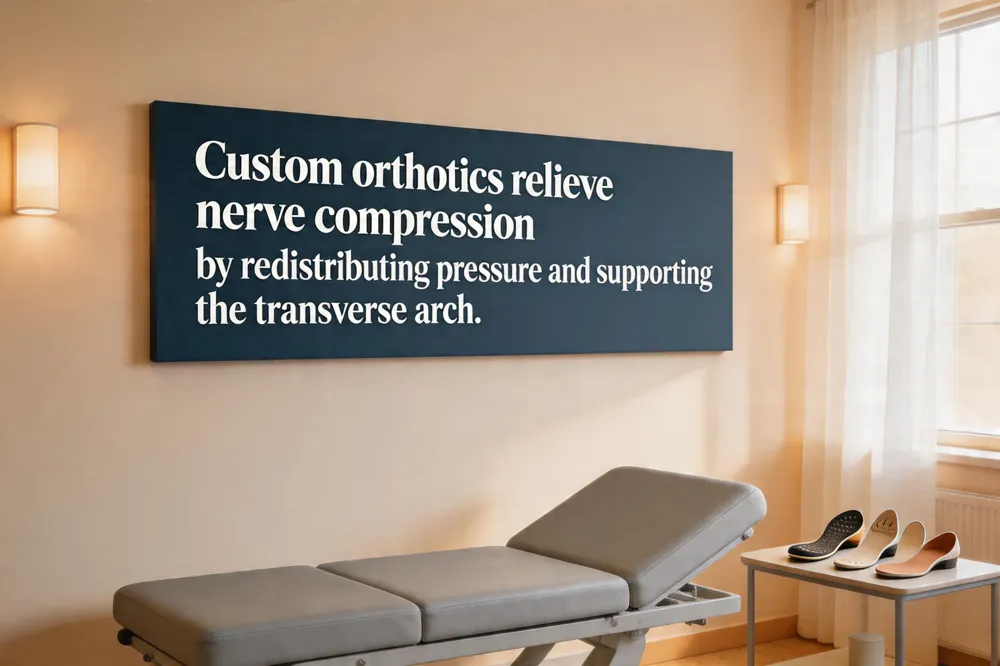
Custom orthotics address the underlying biomechanics by redistributing pressure away from the affected metatarsal zone. A full‑length or 3/4‑length insole with a metatarsal pad or forefoot cushioning lifts the transverse arch, creating space between the metatarsals and reducing nerve compression. Rigid or semi‑rigid shells control overpronation, while soft, cushioned layers off‑load high‑impact forces, both of which help prevent symptom flare‑ups.
Conservative management therefore begins with a properly fitted prescription orthotic, worn in the patient’s usual shoes and gradually broken in over two weeks. Additional measures include shoe‑wear modifications, activity reduction, and stretching of the calf and plantar fascia. Insoles provide significant relief but do not eliminate the thickened nerve tissue; persistent pain may require injections or surgery.
Why PowerStep Pinnacle Leads Podiatrists
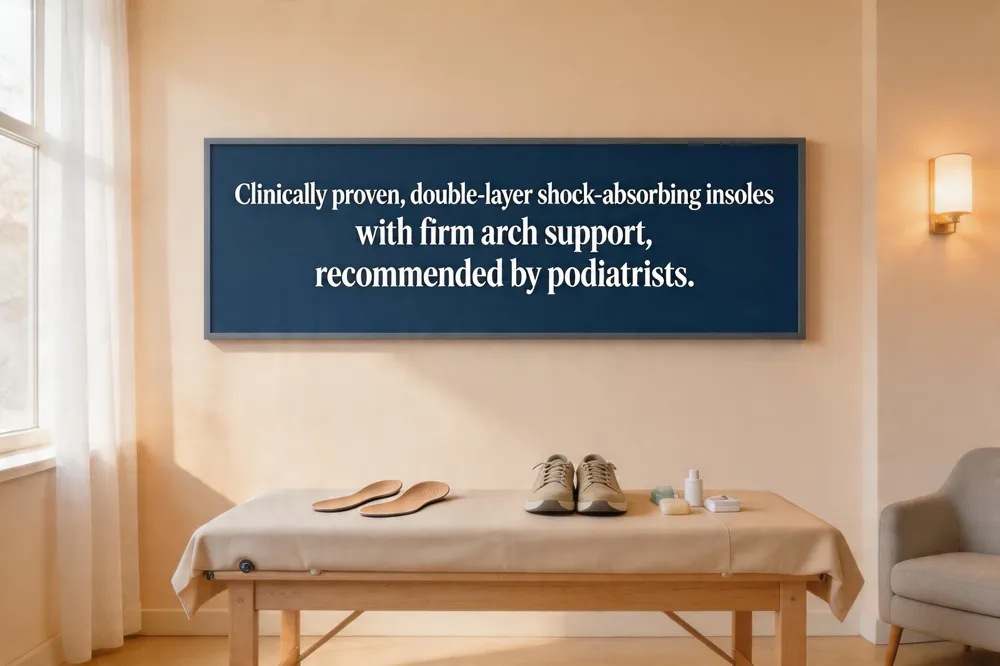 PowerStep Pinnacle Orthotic Insoles are widely regarded as the #1 podiatrist‑recommended insoles on the market. Developed by a foot‑surgeon podiatrist, Pinnacle combines a patented double‑layer shock‑absorption system with firm, anatomical arch support that realigns the rearfoot and eases heel, arch, and plantar‑fascia pain. The design features a deep heel cup, a rigid yet lightweight polypropylene shell, and an antimicrobial top cover that meets FSA/HSA eligibility criteria. Clinical evidence supports its effectiveness: a 2021 customer survey reported that 90% of users experienced reduced foot, knee, or back pain within two weeks, and peer‑reviewed studies have shown significant reductions in overpronation, heel bursitis, and general foot fatigue for both athletes and professionals. Because the insoles are prescription‑only, podiatrists trust PowerStep Pinnacle to provide consistent, medically validated relief across a broad spectrum of foot conditions, from plantar fasciitis to metatarsalgia, making it the top choice for clinicians seeking reliable, evidence‑based orthotic support.
Addressing Fallen Arches with the Right Orthotics
 Flat‑foot (fallen‑arch) biomechanics involve excessive pronation, causing the medial longitudinal arch to collapse and placing abnormal stress on the plantar fascia, knee, and lower back. Over‑the‑counter (OTC) inserts such as heel cups and arch‑support insoles can provide immediate, modest cushioning and help improve balance for mild cases, but they are limited to a few standard sizes and cannot be tailored to the unique pressure‑distribution pattern of each foot.
Custom orthotics, fabricated after a podiatrist’s gait analysis and 3‑D foot scan, offer precise arch‑support strategies: a rigid or semi‑rigid shell (often carbon‑fiber, plastic, or polypropylene) restores the arch height, while targeted cushioning and medial posting control overpronation. This individualized approach distributes weight evenly across the three functional arches—medial longitudinal, lateral longitudinal, and anterior transverse—reducing strain on the plantar fascia, Achilles tendon, and knee joint.
Are orthotics good for fallen arches? Yes—orthotics are generally an effective treatment for fallen arches. OTC inserts can relieve mild symptoms, but custom orthotic orthoses provide superior biomechanical correction and can be adjusted as the condition evolves. A qualified podiatrist will determine whether a prefabricated insert will suffice or if a custom orthotic is the optimal solution.
Choosing Footwear Compatible with Orthotics
 When selecting shoes for use with custom orthotics, the most important factor is whether the shoe provides an orthotic‑friendly platform. Skechers designs that include a firm heel counter, a supportive or semi‑rigid outsole, and ample depth in the footbed are ideal because they keep the orthotic stable and allow the foot to sit correctly. Models with excessive cushioning, very shallow interiors, or a flexible upper can cause the insert to shift, leading to discomfort or reduced therapeutic benefit.
Fit‑adjustment tips include trying the shoe with the orthotic in place before purchase, trimming a full‑length orthotic if the interior feels tight, or opting for a removable footbed version that can be swapped for the custom insert. Always ensure the shoe’s toe box accommodates the width of the orthotic and that there is a little room for toe movement. If you are unsure which Skechers model will best suit your foot condition, consult your podiatrist; a professional fitting while wearing your usual shoes will confirm proper integration and prevent issues such as heel‑slip or arch collapse.
Injury Prevention Through Proper Orthotic Use
 Custom orthotics work by reshaping how forces travel through the foot and up the kinetic chain. A well‑fitted device provides precise force distribution, transferring load from high‑pressure hotspots to broader, more tolerant areas of the foot. This redistribution reduces abnormal stress on the plantar fascia, metatarsals, and Achilles tendon, helping to prevent conditions such as plantar fasciitis, metatarsalgia, and shin splints.
Shock‑absorption is another key benefit. Materials such as carbon‑fiber shells, high‑density EVA foam, and proprietary shock‑absorbing fabrics (e.g., Foot Levelers’ MPAX technology) dampen impact forces during high‑impact activities like running or jumping. By lowering peak ground‑reaction forces, the orthotics protect bones, joints, and soft tissues from repetitive micro‑trauma that can lead to stress fractures and tendonitis.
Finally, stress‑injury reduction stems from improved biomechanical alignment. Rigid or semi‑rigid orthotics control overpronation or supination, stabilizing the ankle and pelvis, which in turn eases strain on the knees, hips, and lower back. While no device guarantees an injury‑free life, consistently wearing properly prescribed custom orthotics has been shown in clinical studies to markedly decrease the incidence of foot and lower‑leg injuries in athletes and active individuals.
Managing Overpronation and Biomechanics
 Overpronation occurs when the foot rolls inward excessively during gait, placing stress on the arch, knee, hip, and lower back. Proper arch support is the cornerstone of correction; rigid or semi‑rigid orthotics made from carbon‑fiber, polypropylene, or high‑density EVA create a firm medial posting that limits subtalar joint motion and redistributes load across the foot. While custom orthotics (or high‑quality OTC stabilizing insoles) can realign the foot and reduce the amount of pronation while worn, they do not permanently remodel anatomy. For lasting benefit, combine orthotics with a targeted strengthening program that activates the tibialis posterior, intrinsic foot muscles, and calf extensors. Exercises such as resisted foot inversion, short foot drills, and single‑leg balance work improve muscular control, allowing the foot to maintain a neutral position even when the orthotic is removed. When orthotics are paired with appropriate footwear and, if needed, minimally invasive podiatric procedures, patients experience reduced pain, better gait stability, and a lower risk of overuse injuries.
Balancing Benefits and Drawbacks of Orthotics
 Podium Shoe Recommendations
Podiatrists advise avoiding high heels, overly flexible shoes, slip‑on styles, pointed toe boxes, and flat soles. These designs can exacerbate biomechanical imbalances, increase pressure on specific foot regions, and limit the effectiveness of orthotics. Instead, choose shoes with a firm heel counter, moderate heel height, and a breathable, supportive upper that accommodates the orthotic without crowding the foot.
Podium Shoe Recommendations
Podiatrists advise avoiding high heels, overly flexible shoes, slip‑on styles, pointed toe boxes, and flat soles. These designs can exacerbate biomechanical imbalances, increase pressure on specific foot regions, and limit the effectiveness of orthotics. Instead, choose shoes with a firm heel counter, moderate heel height, and a breathable, supportive upper that accommodates the orthotic without crowding the foot.
Potential Negatives of Orthotic Use Orthotics can alter the biomechanics of the lower body. While they often provide rapid pain relief, they may shift the burden away from the foot’s natural support structures, potentially leading to muscle weakness over time. Improper fitting or over‑reliance without concurrent strengthening can cause new discomfort, altered gait patterns, or even exacerbate existing issues.
Maintenance and Monitoring Regular care—air‑drying, gentle cleaning with mild soap, and avoiding extreme heat—preserves material integrity. Patients should follow a gradual break‑in schedule (1–2 hours day 1, increasing by an hour daily) and monitor for signs of wear, cracks, flattening, or increased pain. Routine follow‑up with a podiatrist every 6–12 months ensures the orthotic remains aligned with changing biomechanics, activity levels, or weight fluctuations.
Key Questions
- What shoes do podiatrists say not to wear? Podiatrists advise avoiding high heels, overly flexible shoes, slip‑on shoes, pointed toe boxes, and flat soles. These styles can exacerbate biomechanical imbalances, increase pressure on certain foot regions, and limit the effectiveness of orthotics.
- What are the negatives of orthotics? Orthotics can alter the biomechanics of the lower body. While they may provide temporary pain relief, they can shift the burden away from the foot’s natural support structures, potentially leading to muscle weakness over time. Improper fitting or over‑reliance without concurrent strengthening may also cause new discomfort or gait changes.
Putting It All Together for Long‑Term Foot Health
A professional assessment—gait analysis, foot‑structure exam, and pressure mapping—pinpoints biomechanical problems. The clinician then chooses the proper custom orthotic (rigid, semi‑rigid, or soft) matched to the patient’s condition, activity level, and shoes. Ongoing care involves a gradual break‑in, regular follow‑up, proper cleaning, and periodic reassessment to sustain alignment and comfort.