Why Laser Therapy Is a Game‑Changer for Nail Fungus
Onychomycosis affects roughly 10 % of the U.S. population and up to 50 % of adults over age 70, making it one of the most common foot conditions. Conventional therapy—topical nail lacquers, creams, or oral antifungals such as terbinafine—often falls short. Topicals cannot penetrate the dense keratin of the nail plate, requiring months of daily application with modest cure rates (10‑45 %). Oral agents achieve higher mycological clearance but carry risks of liver toxicity, drug interactions, and need for laboratory monitoring, leading many patients to discontinue treatment.
Laser therapy overcomes these limitations through selective photothermolysis. Specific wavelengths (e.g., 1064 nm Nd:YAG, 810 nm diode, or low‑level blue‑red lasers) are absorbed by fungal pigments, heating the nail bed to 45‑55 °C. This temperature destroys fungal hyphae while sparing surrounding tissue, allowing the nail to regrow clear over 6‑12 months. The procedure is non‑invasive, painless, and requires no systemic medication, making it especially valuable for patients with liver disease, drug interactions, or those who prefer a drug‑free approach.
Understanding Onychomycosis and the Diabetes Connection
 Onychomycosis affects roughly 10 % of the U.S. population and up to 50 % of people over age 70; prevalence climbs even higher among individuals with type 2 diabetes, who experience peripheral neuropathy and reduced circulation. Fungal organisms invade the nail plate by exploiting the keratin-rich environment, using enzymes to breach the nail’s protective barrier and colonize the nail bed. As the infection spreads, the nail thickens, discolor , and may separate from the nail bed, creating a portal for secondary bacterial infection.
Early podiatric involvement is crucial for diabetics because podiatrists can detect subtle changes, perform nail debridement, and prescribe adjunctive therapies—such as laser treatment or topical antifungals—before the infection deepens. Regular visits also provide education on foot hygiene, proper footwear, and prompt treatment of minor injuries, reducing the risk of ulceration and amputation.
Should type 2 diabetics see a podiatrist? Yes, type 2 diabetics should establish regular care with a podiatrist. Diabetes often leads to peripheral neuropathy and compromised blood flow, increasing the risk of unnoticed injuries, infections, and ulcers that can progress to serious complications or even amputation. A podiatrist can assess vascular health, detect early signs of neuropathy, and provide preventive treatments such as custom‑fit footwear, nail care, and wound management. Routine professional exams—combined with daily self‑inspection of the feet—allow problems to be caught and treated promptly. Ongoing podiatric care is therefore essential to protect foot integrity and maintain overall mobility for people with type 2 diabetes.
Can diabetes make toenail fungus worse? Diabetes predisposes patients to onychomycosis with higher prevalence, severity, and increased risk of secondary infections and ulcers. Poor circulation and immune dysfunction in diabetic individuals create an environment in which dermatophytes and yeasts thrive, making infections harder to eradicate and more likely to recur.
The Five Cutting‑Edge Laser Technologies Changing the Nail‑Fungus Game
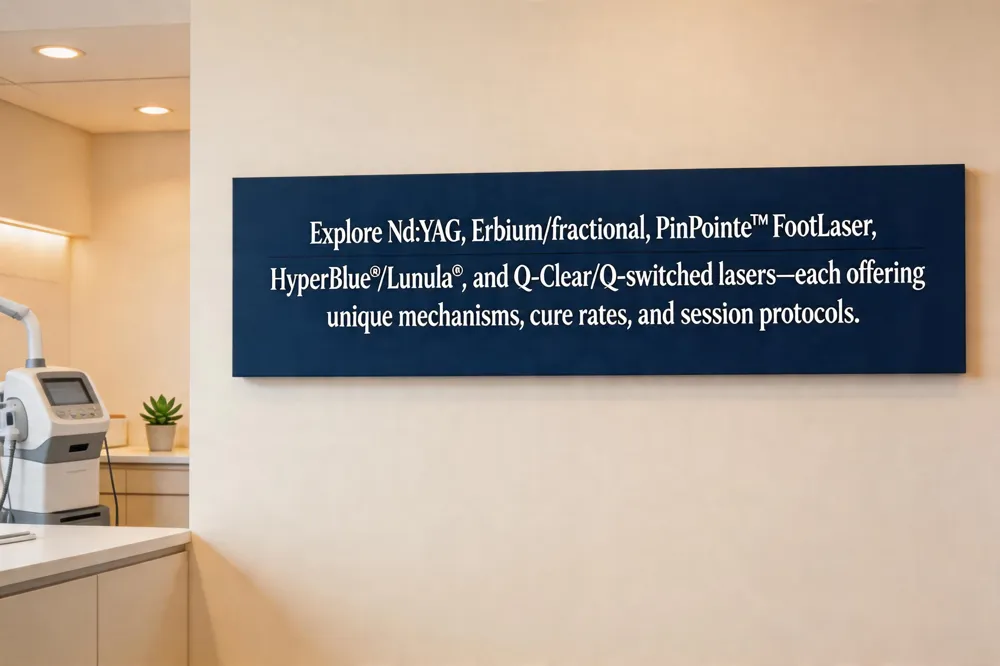 Modern podiatry now offers several FDA‑cleared laser platforms that target onychomycosis while sparing healthy tissue.
Nd:YAG (1064 nm) – The most widely used near‑infrared laser. Its 1064 nm wavelength penetrates the nail plate, heating the nail bed to 45‑55 °C and destroying fungal hyphae. Clinical studies report mycological cure rates of 60‑85 % after 3‑4 sessions spaced 4‑6 weeks apart. FDA clearance for nail‑fungus treatment makes it a reliable option for patients who cannot take oral antifungals.
Erbium and fractional lasers – These create micro‑channels in the nail plate, allowing deeper light penetration and improved antifungal drug delivery. They are especially useful for thick, dystrophic nails and have shown comparable clearance to Nd:YAG when combined with topical agents.
PinPointe™ FootLaser™ (low‑level cold laser) – A FDA‑cleared 1064 nm Nd:YAG system that delivers low‑energy pulses without heating the nail. It targets fungal cell membranes and biofilm, offering a painless 10‑15‑minute session with minimal erythema. Cure rates of 60‑80 % are reported after 2‑4 treatments.
HyperBlue® and Lunula® low‑level laser systems – HyperBlue® (near‑infrared) and Lunula® (405 nm/635 nm) employ photobiomodulation to disrupt fungal metabolism while stimulating nail growth. Clinical data show 70‑97 % clearance after 4‑6 weekly sessions, making them attractive for patients seeking a non‑thermal approach.
Q‑Clear and Q‑switched lasers – Q‑Clear uses a 1064 nm pulse to heat fungal cells selectively; Q‑switched Nd:YAG emits ultra‑short, high‑energy bursts that target fungal pigments. Studies report up to 95 % mycological eradication after 2‑3 sessions, though the technology is still emerging.
Pros and cons of laser treatment for toenail fungus – Laser therapy is non‑invasive, painless, and avoids systemic side effects such as liver toxicity, making it safe for patients with liver disease, diabetes, or multiple medications. It allows immediate return to daily activities and requires no anesthesia. However, multiple appointments (typically 2‑6) are needed, costs are higher than topical or oral regimens, and full cosmetic results are delayed until the nail grows out (9‑18 months). Success rates vary with infection severity, nail thickness, and patient adherence to post‑treatment foot hygiene. Overall, laser offers a valuable adjunct or alternative, especially when oral antifungals are contraindicated.
Clinical Realities: Success Rates, Costs, Safety, and Home Alternatives
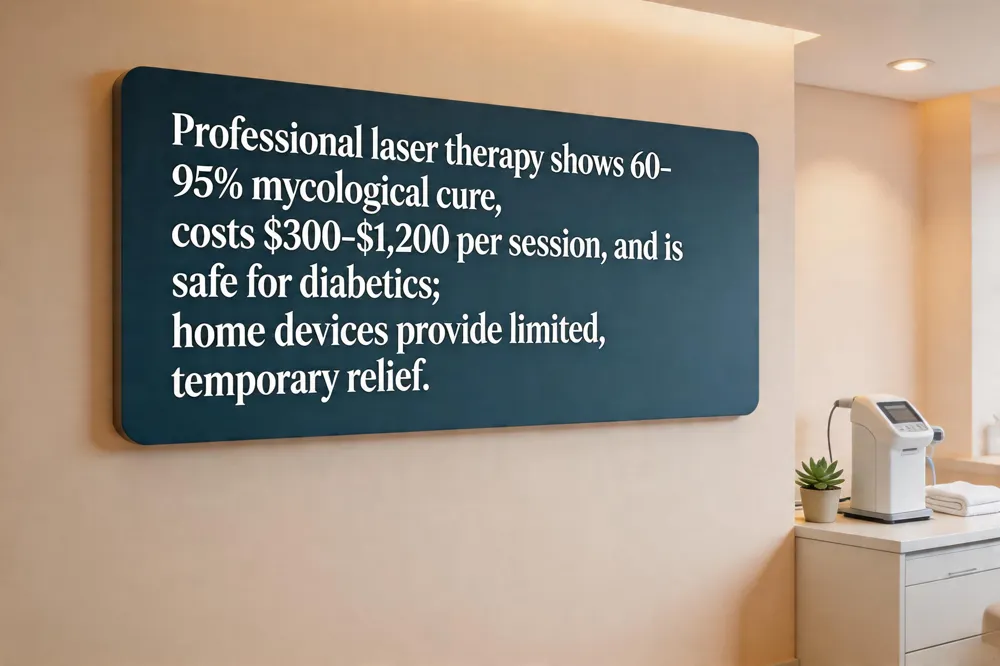 Do home nail fungus lasers work? At‑home devices can lessen discoloration in mild cases, but scientific data for complete eradication are weak; results are often temporary with high recurrence. Professional lasers deliver higher, controlled energy and are more effective, especially when paired with antifungal medication.
What is the most effective treatment for toenail fungus? Oral antifungals (e.g., terbinafine) remain the gold standard for cure. Laser therapy can boost outcomes in refractory or extensive disease, particularly when combined with nail debridement and topical agents.
How much does laser treatment for toenail fungus cost? Typically $300–$1,200 per session; many clinics offer flat‑rate packages or per‑nail pricing after a free consultation.
What are the risks of using nail fungus lasers? Rare side effects include mild burning, tingling, temporary nail discoloration, or, infrequently, sub‑nail bleeding.
Laser Therapy Beyond Nails – Healing Musculoskeletal Foot Injuries
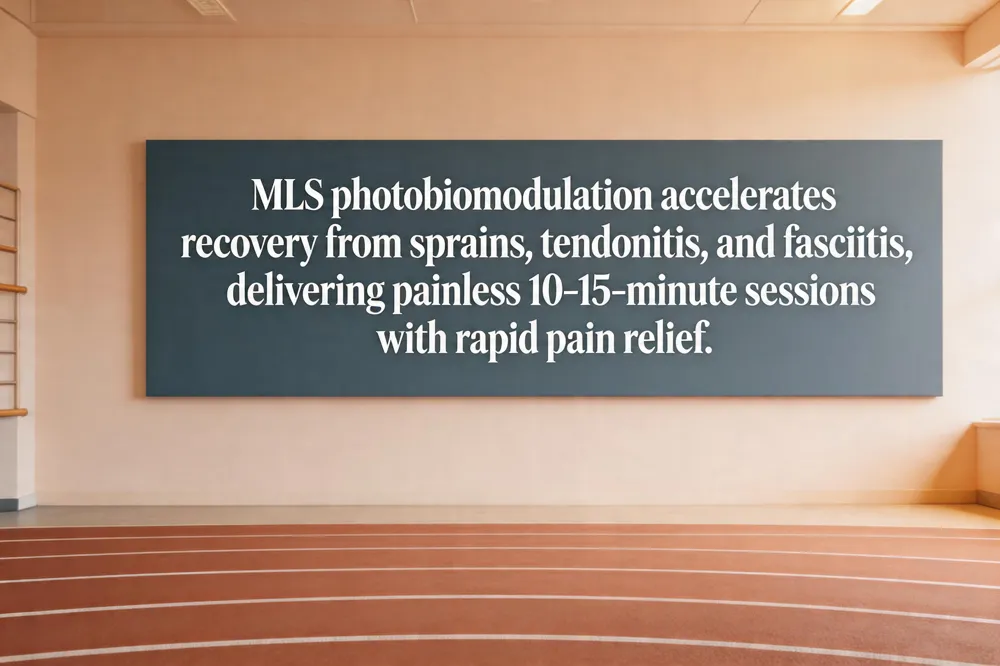 MLS (Multi‑wave Locked System) lasers are increasingly used in podiatry to treat common musculoskeletal foot problems such as ankle sprains, calf strains, tendonitis, plantar fasciitis, and Achilles overload. The technology works through photobiomodulation: pulsed light penetrates deep tissue, stimulating mitochondrial activity, enhancing cellular repair, and reducing inflammatory mediators. Clinicians report that a typical course of 2‑4 MLS sessions, each lasting 10‑15 minutes, yields measurable pain relief within days and accelerates return to normal activity compared with standard rest or immobilization alone.
Does laser therapy on feet work for musculoskeletal injuries? Yes—non‑invasive MLS laser therapy has been shown to speed healing of these injuries by delivering targeted light energy that promotes tissue regeneration, dampens inflammation, and provides analgesic effects. Patients experience less discomfort and a shorter recovery timeline when laser sessions are combined with a structured rehabilitation plan, making MLS a safe, painless, and effective adjunct to conventional treatments.
Practical Guidance: Finding Care, Home Remedies, and Insurance Coverage
 Where can I get laser treatment for toenail fungus near me?
You can receive FDA‑cleared laser therapy for onychomycosis at board‑certified podiatry clinics that offer low‑level lasers such as the PinPointe™ FootLaser or Erchonia Lunula Laser. Advanced Foot Care clinics in Northwestern Chicago and South Florida are equipped with these devices and specialize in minimally invasive nail care. Typical protocols involve 3‑4 sessions lasting 10‑30 minutes each, spaced 4‑6 weeks apart, with no anesthesia or downtime. To schedule a consultation, call the clinic (e.g., (626) 405‑1031 for the Pasadena location) or book online; the office will confirm the number of sessions based on nail involvement.
What home remedies can instantly kill toenail fungus?
True instant eradication is unrealistic, but several readily available measures can curb spread and improve nail health. Apply tea‑tree oil (2–3 drops) to the affected nail twice daily, optionally mixed with vitamin E to reduce irritation. Vicks VapoRub, containing camphor and eucalyptus, can be rubbed on nightly and covered with a cotton sock. Ozonized sunflower oil, applied twice a day, has shown stronger antifungal activity in early studies. Keep nails trimmed short, clean, and dry; wear breathable shoes and moisture‑wicking socks to deny the fungus a moist environment.
Does Medicare cover diabetic pedicures?
Medicare does not pay for cosmetic pedicures, but it does cover therapeutic foot‑care services when medically necessary for a diabetic patient. A physician’s order for a therapeutic pedicure (treating ulcers, calluses, ingrown toenails, etc.) is reimbursed under Part B after the deductible, with a typical 20 % coinsurance. The service must be performed by a Medicare‑participating podiatrist or qualified foot‑care provider and is not covered for routine beauty care.
Looking Ahead – A Clearer Future for Nail Health
Future care for onychomycosis increasingly blends laser therapy with topical or oral antifungals, creating a multimodal approach that maximizes mycological cure while minimizing systemic side effects. Ongoing research is expanding the laser palette beyond the traditional 1064 nm Nd:YAG, exploring 810 nm diode, 405 nm low‑level, and fractional CO₂ systems that promise deeper penetration and more efficient fungal eradication. At Advanced Foot Care Center, clinicians stay current with these evidence‑based advances, offering individualized protocols that incorporate laser debridement, adjunctive antifungal agents, and rigorous foot‑hygiene education. This patient‑centered model ensures each treatment plan reflects the latest science, safety standards, and the unique health profile of the individual.